Trump’s Social Team Baits Taylor Swift on TikTok: Strategy Revealed
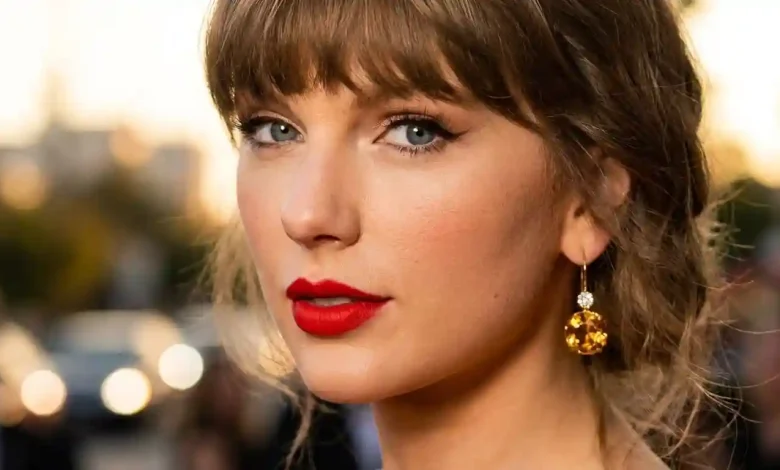
Table of Contents
Trump’s social team has unleashed a highly calculated, aggressive social media strategy over the past few weeks, specifically targeting music icon Taylor Swift on TikTok. This unorthodox campaign utilized Swift’s own copyrighted music, tagged her directly in highly visible uploads, and openly mocked her political stance with sarcastic captions indicating that she would absolutely hate the usage. By relying on the unique mechanics of short-form video algorithms, the digital campaign team turned standard social media posts into a battleground of political engagement, utilizing pop music as a form of “rage-baiting.”
The TikTok Strategy: Behind the Swift Campaign
The campaign began in earnest during the first week of August 2026. On August 3, the official “@TeamTrump” TikTok account uploaded a video celebrating the current presidency, featuring Donald and Melania Trump watching a spectacular fireworks display. The soundtrack for this short clip was none other than Taylor Swift’s popular track “August,” from her critically acclaimed 2020 album Folklore. The text overlay on the video boldly proclaimed, “Mood because it’s August and Donald Trump is your president.”
What truly transformed this post from a routine promotional clip into a viral flashpoint was its caption. The social team wrote: “I’m sure @Taylor Swift is going to be super excited we used her song! #taylorswift #maga #august,” tagging the pop star directly. This deliberate provocation was not merely a random creative choice; it was a structured effort to draw a reaction from one of the world’s most protective and influential pop icons, whose past endorsements of Democratic candidates are widely known. This cultural skirmish unfolded in a domestic climate already stressed by massive global headlines, as the administration worked to manage severe domestic anxieties alongside the economic shockwaves and rising oil prices currently gripping the nation.
Music, Tags, and Direct Provocations
Instead of backing down when fans reacted with outrage, the digital campaign team doubled down on their tactics. Days later, they published another highly publicized post, this time needling Swift over her historic country-pop crossover album, Red. The post featured a graphic parodying the album’s original artwork with the text: “Did you know Taylor Swift wrote a whole album about the color of the Republican party?”
The campaign went so far as to suggest parody track titles that directly referenced conservative policies and administration themes. These satirical tracks included titles like “Everything Has Changed (At Our Southern Border)” and “We Are Never Ever Getting Back Together (The Biden-Harris Administration).” By weaponizing her discography in this manner, the team sought to create an un-ignorable spectacle. Some political commentators observed that these highly visible TikTok stunts served as an effective distraction during times of diplomatic friction, especially when foreign governments denied American security claims in complex global arenas.
The Intersection of Pop Culture and Political Marketing
The concept of “rage-baiting” is a prominent development in modern digital campaign theory. By deliberately creating content that is guaranteed to provoke anger, disgust, or intense disagreement from a specific demographic, creators can ensure that their posts receive unprecedented levels of engagement. Every angry comment, every shared video, and every duet uploaded by a frustrated fan serves to signal to the TikTok algorithm that the content is highly engaging, thereby pushing it onto the “For You” pages of millions of neutral users.
For the political operatives orchestrating these campaigns, the controversy itself is the victory. Traditional political advertisements on television are expensive, static, and often ignored by younger demographics. In contrast, a single TikTok video that baits a prominent celebrity costs almost nothing to produce yet generates tens of millions of impressions within hours. This strategic prioritization of cultural conflict over conventional policy debates has become a hallmark of the current era, especially during periods where Trump’s war rhetoric and military stances dominate the standard news cycle.
The Swiftie Backlash and Fandom Mobilization
Taylor Swift’s fanbase, affectionately known as “Swifties,” represents one of the most organized and passionate online collectives in existence. Upon discovering the “@TeamTrump” uploads, millions of fans quickly mobilized, leaving thousands of comments demanding that the audio be removed. They urged Swift’s legal team to take immediate action, arguing that the unauthorized use of her music to promote political messaging was unacceptable.
The response from Swift’s camp was swift and technologically sophisticated. Rather than issuing a public, combative statement that would have only fed into the campaign’s desire for publicity, her team quietly utilized TikTok’s copyright tools. Within days, the audio for “August,” “Red,” and other utilized tracks like “Opalite” and “Father Figure” was completely muted on the official campaign uploads. In their place, the platform displayed a message stating: “The copyright owner hasn’t made this sound available.” This move successfully neutralized the viral soundscapes without giving the campaign team the satisfaction of a direct public war of words.
Comparative Digital Tactics of Modern Presidential Campaigns
The use of pop music as a political tool is not a new phenomenon, but the systematic trolling of artists is a modern innovation. Historically, political campaigns sought endorsements and permission before playing an artist’s music at rallies. When artists objected, campaigns typically apologized and retired the song. However, the current administration has repeatedly shown a willingness to bypass traditional etiquette, utilizing intellectual property as a prop in cultural conflicts.
This aggressive digital posture stands in sharp contrast to the more traditional marketing strategies of past campaigns, which focused heavily on policy achievements or localized town halls. Today’s operatives recognize that the modern electorate receives their news through highly curated, algorithm-driven feeds where attention is the primary currency. Thus, engaging in high-profile feuds with global celebrities is viewed as an efficient method to energize the base and demonstrate a willingness to challenge cultural elites, even as the administration manages the complex, real-world astronomical costs of regional warfare.
Comparing Trump and Competitors’ Youth Outreach
While opponents have focused on organic, positive trends and traditional youth voter outreach, the Republican social team has leaned heavily into irony, internet subcultures, and direct confrontation. By embracing the persona of an online “troll,” the campaign attempts to appeal to a segment of Gen Z that values anti-establishment attitudes and counter-cultural humor. This strategy seeks to reframe conservative politics as something rebellious, transgressive, and humorous.
However, this approach is not without its risks. By openly alienating massive fanbases, the campaign risks motivating a highly energized demographic to vote against them. Swift’s historical ability to drive voter registration is well-documented, and poking the “Swiftie nest” could lead to a massive, quiet mobilization at the ballot box. This dynamic remains a critical variable for political strategists trying to analyze how regional powers confront the administration’s red lines and how domestic voters evaluate these distractions.
How Pop Culture Distracts from Geopolitical Crises
Many media analysts have pointed out that the timing of these TikTok provocations often coincides with major geopolitical developments. Engaging in public spats with pop stars serves as a highly effective screen, drawing media attention away from complex, controversial policy decisions. While major news outlets dedicate segments to discussing TikTok copyright disputes, they spend less time analyzing critical security policies or international standoffs.
For instance, during the height of the Swift TikTok drama, the administration was navigating severe international pushback. There were moments when international adversaries rejected Trump’s initiatives outright, creating a difficult diplomatic environment. In such scenarios, a dramatic, lighthearted domestic story about Taylor Swift blocking a president’s TikTok audio provides a welcome relief for campaign staff, shifting the front-page headlines from military negotiations to pop-culture entertainment.
Domestic Entertainment vs. Foreign Policy Realities
The contrast between the playful, trolling tone of the administration’s TikTok account and the solemnity of global events is stark. While social media managers joke about Taylor Swift’s albums, senior diplomats and military planners are forced to react to volatile international developments. This dual reality is particularly evident during critical decisions, like when Trump cancels key diplomatic negotiations with foreign leaders, prompting widespread anxiety about the future of global stability.
Furthermore, these distractions occur amid ongoing discussions about heightened military actions in the Middle East. The domestic electorate is often left to navigate a media landscape where a celebrity feud receives equal, if not greater, coverage than significant shifts in national defense and foreign relations. This environment underscores the power of modern digital campaigning to reshape what information is prioritized by the public.
The Technological Evolution of Viral Campaigning
The Swift campaign also highlights the evolving legal and technical framework of social media platforms. On platforms like TikTok, the distinction between personal, commercial, and political use of copyrighted music has long been a gray area. While the platform allows individual users to easily soundtrack their videos with popular songs, political campaigns operating under official branding must navigate stricter copyright rules.
The fact that Taylor Swift’s team succeeded in selectively muting official campaign accounts without affecting the general public’s ability to use her songs represents a significant shift in digital intellectual property management. It sets a new precedent for how artists can protect their work from being associated with political movements they do not support, without completely removing their music from the platform’s library.
Algorithms, Engagement, and the Fight for Gen Z
As the race for the attention of young voters intensifies, platforms like TikTok have become the primary battleground. The victory is no longer about who can deliver the most polished, professional message, but who can stay at the center of the viral cycle the longest. Trump’s social team understands this dynamic perfectly, leveraging the controversy of their baiting campaign to dominate the digital conversation week after week.
Whether this strategy will translate into sustained political support remains to be seen. While it succeeds in generating massive engagement metrics, it also risks alienating moderate voters who may view the behavior as unbecoming of the nation’s highest office. Nonetheless, the campaign’s willingness to use every digital tool at their disposal ensures that the intersection of pop culture and political marketing will remain highly active and deeply controversial.
Summary of the TikTok Confrontation
To better understand how various artists have responded to the unauthorized political use of their music on TikTok and other platforms by the current administration, the following table outlines key instances, the tracks involved, and the subsequent actions taken by the artists’ teams.
| Artist | Song Used | Campaign/Official Post Content | Artist’s Response / Action Taken | Final Status / Result |
|---|---|---|---|---|
| Taylor Swift | “August”, “Red”, “Opalite”, “Father Figure” | Trump presidency celebration (fireworks video); “Red” album parody poking fun at Democrats. | Quietly utilized TikTok copyright tools to selectively mute the audio on specific official accounts. | Muted. Videos remain online but are completely silent with copyright notifications. |
| Katy Perry | “Firework” | Soundtracking a video featuring declassified footage of military operations and strikes. | Publicly declared she was “deeply appalled” by the unauthorized use of her song for military promotion. | Removed. Audio was stripped from the post following intense public backlash. |
| Noah Kahan | “American Cars” | White House/POTUS video detailing a presidential visit to a General Motors automotive plant in Michigan. | Commented on Instagram: “Would never approve of my music being used in support of you.” | Muted. The official campaign and White House videos subsequently had their audio removed. |
| Ariana Grande | “Various Hits” | Background music overlaying montages of immigration enforcement operations. | Issued a public social media statement condemning the “barbaric, inhumane, heinous nonsense.” | Muted/Removed. Track was disabled on targeted political profiles. |




One Comment