Houthi fighters Advance on Yemen Heights After Trump Strike Pause 2026
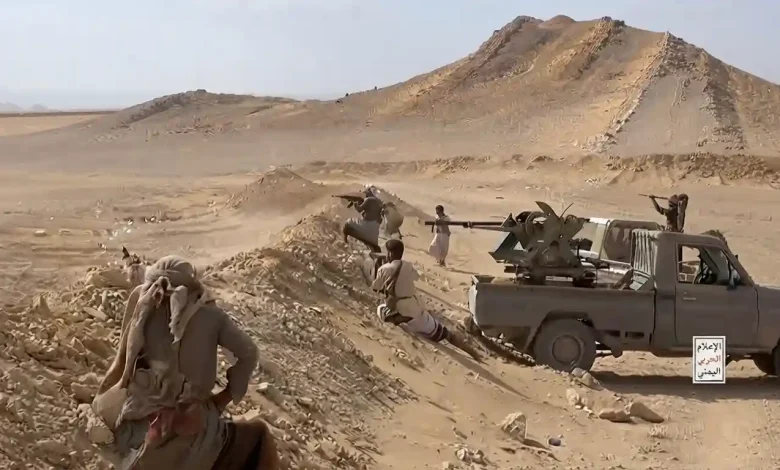
Table of Contents
Houthi fighters have launched an aggressive multi-pronged offensive across western Yemen, seizing decisive ridgelines and tactical high ground in a concentrated bid to isolate remaining positions controlled by Saudi-backed forces along the Red Sea coast. The sudden tactical push comes on the heels of intelligence disclosures indicating that the White House abruptly called off a major punitive wave of coordinated aerial bombardments. By pressing southward and westward across key highland passes, the insurgent movement has fundamentally altered the security equation surrounding maritime transit corridors, deepening the broader regional crisis that has unsettled commercial shipping lanes and international maritime operations.
Houthi :Operational Breakthrough Across Yemen Frontlines
The operational movement executed across the jagged mountainous topography overlooking the coastal plains demonstrates renewed tactical ambition and coordination. Bolstered by advanced drone reconnaissance and indirect artillery fire, insurgent detachments mounted synchronized maneuvers to sever supply arteries linking inland redoubts with vital coastal ports. This offensive directly follows previous territorial gains, including when houthis seize mocha access routes to compromise logistics nodes across Taiz governorate.
Military analysts tracking the deployment patterns note that the capture of elevated terrain affords the insurgent units unobstructed line-of-sight command over primary ground lines of communication. Ground vehicles and supply convoys belonging to the internationally recognized government coalition have encountered persistent guided-missile ambushes, restricting defensive reinforcements. The sudden mobilization reflects a calculated doctrine aimed at fragmenting defensive lines before external political maneuvers or diplomatic pressure can enforce an operational stalemate on the ground.
Houthi :Diplomatic Shockwaves: The Aborted Strike Order
The timing of the territorial push aligns conspicuously with emerging diplomatic revelations from Washington. Reports surfaced confirming that President Donald Trump cancelled preemptive retaliatory strikes against insurgent command nodes at the eleventh hour, seeking to avoid open-ended regional entanglement. This decision followed delicate diplomatic backchannels, such as moments when u s officials meet houthi representatives in oman 2026 to gauge terms for de-escalation along strategic shipping lanes.
The sudden stand-down appears to have created an immediate operational vacuum that insurgent strategists swiftly leveraged. Sensing hesitation within Western defense establishments, field commanders accelerated long-planned maneuvers across the highlands. Rather than inducing caution, the withholding of direct military interdiction provided the space required to consolidate armor and anti-ship battery emplacements along elevated positions overlooking maritime approaches.
Houthi :Threat Matrix: Disrupting the Red Sea Corridor
Elevated tactical control directly endangers commercial traffic navigating through southern waterways. The capture of ridgelines allows radar installations and mobile anti-ship cruise missile systems to operate with wide scanning arcs, threatening vessels entering narrow passage zones. The maritime environment has worsened significantly as a consequence of the ongoing red sea shipping crisis, which has already compelled major freight conglomerates to reroute container traffic around the southern tip of Africa.
The current maneuvers exacerbate risks for commercial oil tankers and dry bulk carriers. Securing the heights guarantees physical dominance over ground positions while giving insurgent forces persistent telemetry to guide low-cost loitering munitions toward commercial vessels. Maritime insurance syndicates have responded by increasing war-risk premiums for any commercial hulls transiting near coastal waters, compounding operating costs across the global supply chain.
Houthi :Strategic Landscape: Battlefield Overview
To contextualize the shifting balance of territorial power and its geopolitical consequences, the table below illustrates the strategic frontlines, control status, and operational ramifications across western Yemen:
| Strategic Sector | Current Control Dynamic | Tactical Objective | Regional Shipping Impact |
|---|---|---|---|
| Taiz Mountain Ridgelines | Contested / Insurgent Advance | Sever supply arteries to coastal outposts | Positions coastal radars overlooking traffic lanes |
| Bab el-Mandeb Approaches | Coalition Peripheral Control | Maintain perimeter defense for navigation | Critical chokepoint for international crude shipments |
| Hodeidah Hinterlands | Insurgent Stronghold | Consolidate drone launch sites and batteries | Persistent threat of surface and aerial drone swarms |
| Aden Overland Corridor | Saudi-backed Coalition Forces | Prevent northern breakout toward the Gulf of Aden | Secondary security zone for allied naval task forces |
Houthi :Proxy Dynamics and Tehran’s Expanding Influence
The swift territorial gains cannot be disentangled from the broader regional escalation orchestrated by regional powers. Intelligence assessments point toward ongoing technical support, specialized guidance, and precision-guidance kits supplied to the insurgents. The fighting represents an expanding secondary front of the sprawling middle east war, serving to divert Western defense assets away from other critical hotspots.
By activating asymmetric proxies along the southern corner of the Arabian Peninsula, regional planners exert maximum leverage over international trade without engaging in direct state-on-state confrontation. The tactical pressure exerted along Yemen’s spine mirrors concurrent naval friction points, including disruptions observed when tensions mount in the strait of hormuz iran 8, effectively squeezing global logistics from two distinct geographic vulnerabilities.
Houthi :Coalition Fragility Among Saudi-Backed Forces
The defensive retreat of Saudi-aligned units underscores deepening fractures within the anti-insurgent coalition. Local militias, southern separatists, and national military brigades suffer from divergent political agendas, disorganized command structures, and intermittent ammunition supply lines. When confronted by concentrated infantry advances supported by terrain-hugging suicide drones, allied defenses along the mountain perimeter buckled, exposing secondary logistical tracks.
Riyadh faces a challenging strategic dilemma. Having sought an enduring negotiated exit from the protracted conflict, renewed direct air campaigns carry severe diplomatic costs and risk retaliatory missile strikes against domestic energy infrastructure. Yet allowing allied forces to be systematically swept from the Red Sea heights effectively concedes long-term operational dominance to an ideological adversary positioned right at the kingdom’s southern border.
Houthi :Chokepoint Vulnerability at Bab el-Mandeb
Should the highland positions be fully fortified, the proximity of insurgent fire bases to maritime choke points will render conventional naval escorts increasingly hazardous. Insurgent doctrine relies heavily on saturation techniques, deploying autonomous naval drones alongside salvoes of ballistic projectiles designed to overwhelm shipboard Aegis defenses. Past incidents where houthis blockade us naval vessels illustrate the operational difficulty of maintaining absolute interception rates against complex target profiles.
The strategic bottleneck at the bab el mandeb gateway represents one of the world’s most congested transit corridors for crude oil, refined fuels, and European-Asian cargo. Denying secure navigation through this corridor forces long voyages around the Cape of Good Hope, adding thousands of nautical miles, extending delivery schedules, and driving commercial fuel burn rates to unsustainable levels.
Houthi :Energy Market Volatility and Macroeconomic Fallout
International commodity markets reacted immediately to the tactical developments along the Red Sea littoral. Benchmark crude contracts witnessed renewed upward pressure as traders factored in an elevated risk premium for maritime crude shipments. The persistent disruptions revive widespread anxieties over an impending oil supply crisis, particularly as European and Asian refiners contend with fluctuating tanker delivery schedules and unpredictable insurance underwriting terms.
The knock-on effects extend across modern manufacturing supply chains. Container lines operating under adjusted transit timetables face inventory imbalances, port congestion across Mediterranean terminals, and elevated container spot rates. Central bankers and economic policymakers monitoring global trade flows warn that continued maritime insecurity in the Red Sea basin will inject persistent inflationary pressures into core consumer goods, complicating monetary stabilization efforts worldwide.
Future Trajectories: Assessing Escalation Risks
Looking forward, the insurgent offensive around the Yemeni coastal heights represents a watershed moment for regional stability. If anti-insurgent coalition lines fail to establish stable fallback positions, insurgent forces will effectively encircle remaining coastal garrisons, securing unhindered command over the littoral. Western military planners are consequently reevaluating rules of engagement, weighing the geopolitical fallout of continued operational restraint against the hazards of initiating a broader maritime interdiction campaign.
The coming days will prove decisive. Diplomatic mediators based in regional capitals are attempting to re-establish emergency channels to halt the advance before the heights are permanently hardened with reinforced bunkers and missile sites. However, with territorial momentum on their side, field commanders show minimal appetite for unilateral pauses, ensuring that the critical balance of maritime power along the Red Sea remains intensely unstable.