GLP-1 weight-loss drugs rise 300-fold in children under 12
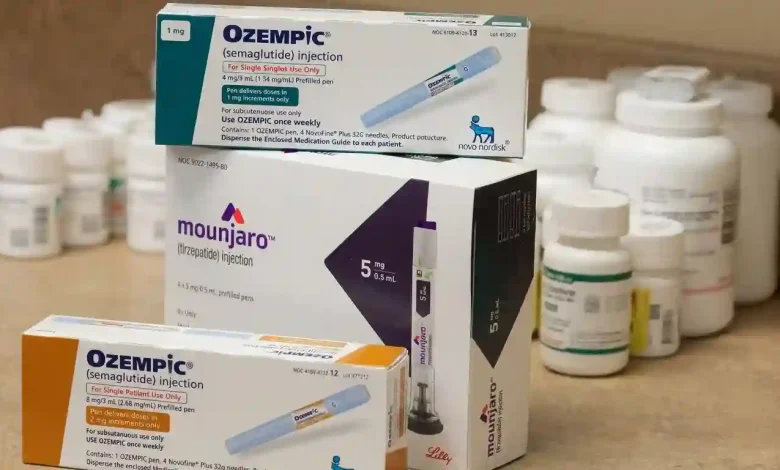
Table of Contents
GLP-1 weight-loss drugs are being prescribed to young American children at an unprecedented rate, according to a groundbreaking new study published on Friday, September 4, 2026, in the prestigious medical journal Pediatrics. The research, which analyzed data from over 3.5 million children in the United States, reveals an extraordinary 310-fold increase in the prescription rates of glucagon-like peptide-1 receptor agonists (GLP-1 RAs) among preadolescents aged eight to 11 over a seven-and-a-half-year period starting in 2019. The study cohort focused strictly on preadolescent children who were diagnosed with obesity but did not have diabetes. This medical demographic has historically been excluded from aggressive pharmacotherapy, with physicians traditionally relying on diet and lifestyle modifications as primary treatments.
The Landmark Study on Pediatric Obesity and GLP-1 Prescriptions
The collaborative research, led by Babak J. Orandi, MD, PhD, a highly respected obesity medicine specialist and surgeon at the NYU Grossman School of Medicine in New York City, utilized the Epic Cosmos database. Epic Cosmos is a massive electronic health record platform containing aggregated data from over 300 million patients across 2,067 hospitals and 47,100 health clinics nationwide. By analyzing this extensive, real-world data pool, Dr. Orandi and his research team were able to map out a comprehensive landscape of prescribing habits. While childhood obesity in the United States currently hovers around a critical prevalence of 20%, the rapid medical pivot toward pharmaceutical interventions for children under the age of 12 represents a significant and controversial paradigm shift in modern medicine.
Statistical Breakdown: The 310-Fold Spike in Numbers
To understand the sheer magnitude of this transition, it is helpful to look closely at the study’s quantitative results. Between 2019 and June 2026, the active prescription rate for GLP-1 weight-loss drugs among the study’s cohort climbed from a minuscule 0.03% to 9.3%. Over the course of the entire 7.5-year observation period, a total of 20,282 children aged eight to 11 received at least one prescription for a GLP-1 medication. Although this total represents only about 0.6% of the overall preadolescent cohort with obesity, the steepness of the trajectory indicates that pediatricians are adopting these medications at an accelerating pace. These findings underscore the growing willingness of clinicians to deploy high-efficacy medications to address the childhood obesity crisis.
The data also revealed clear demographic distinctions within the pediatric population. Older children and girls were more likely to receive prescriptions than younger boys. The rise of these treatments has been predominantly driven by three notable medications: semaglutide (marketed as Wegovy by Novo Nordisk), liraglutide (marketed as Saxenda by Novo Nordisk), and tirzepatide (marketed as Zepbound by Eli Lilly). The primary data points from this milestone study are summarized in the table below.
| Metric Category | Statistical Value | Clinical Significance / Context |
|---|---|---|
| Study Population | Over 3.5 Million Children | Aged 8 to 11, diagnosed with obesity, without a diabetes diagnosis |
| Prescription Prevalence (2019) | 0.03% | Nearly non-existent pharmacological usage in preadolescents |
| Prescription Prevalence (June 2026) | 9.3% | High point-in-time active prescribing rate representing rapid acceleration |
| Relative Increase Magnitude | 310-fold Increase | Calculated over the 7.5-year study period (2019 to June 2026) |
| Total Children Prescribed GLP-1s | 20,282 Children | Represents 0.6% of the overall study cohort across the full period |
| Severe Obesity Prevalence | 93.7% of GLP-1 Recipients | BMI at or above 120% of the sex-specific 95th percentile |
| Obesity-Related Comorbidities | 65.2% of GLP-1 Recipients | Patients presenting with sleep apnea, hypertension, or high cholesterol |
| Socioeconomic Disparity Gap | 55% Greater Likelihood | Children from higher-income zip codes more likely to receive treatment |
Socioeconomic Disparities and the Accessibility Gap
One of the most concerning findings highlighted by the research team is the stark socioeconomic gap in who receives these life-altering medications. Children residing in high-income communities were 55% more likely to be prescribed GLP-1 weight-loss drugs compared to those living in economically vulnerable areas. Because these drugs are notoriously expensive—often exceeding $1,000 per month out-of-pocket—and are frequently subject to strict prior authorization requirements by insurance providers, families without robust commercial insurance or discretionary wealth are largely left out. This creates a significant healthcare disparity, where the children who may need systemic metabolic support the most are the least likely to receive it.
Allan Massie, PhD, co-author of the study and an associate professor of surgery at the NYU Grossman School of Medicine, emphasized the ethical responsibilities of health policymakers. He noted that physicians and national leaders have a collective obligation to ensure that these highly effective treatments do not remain accessible only to wealthy families with premium insurance plans. Similar to how early digital access and programs like ChatGPT for teens can exhibit deep socioeconomic divides, advanced healthcare solutions risk widening the equity gap if public health and Medicaid policies do not adapt. If left unaddressed, this disparity could entrench health inequities for a generation of young Americans.
Severe Obesity and Co-Morbidities: Target Patient Profiling
Despite the high rate of growth, the study suggests that doctors are not prescribing GLP-1 weight-loss drugs indiscriminately. In fact, clinicians appear to be reserving these powerful medications for children at the absolute highest risk. An overwhelming 93.7% of the children who received a GLP-1 prescription met the criteria for severe obesity, defined as a Body Mass Index (BMI) at or above 120% of the 95th percentile on CDC growth charts. Furthermore, approximately 65.2% of the young patients had at least one pre-existing, obesity-related comorbidity. These comorbidities included serious conditions like high blood pressure (hypertension), sleep apnea, hyperlipidemia (high cholesterol), and metabolic dysfunction.
The data also indicated that 25% of the treated children had prediabetes, putting them on the precipice of developing type 2 diabetes. By focusing on patients with severe physiological risk factors, clinicians are aiming to prevent chronic, irreversible organ damage before these children enter adolescence. Just as precision in diagnostic screening is vital for managing long-term health, such as finding a path toward early lung cancer diagnosis, early intervention in preadolescent metabolic syndrome can dramatically alter a child’s life trajectory. This careful clinical profiling indicates that while prescribing is accelerating, pediatricians are attempting to exercise clinical responsibility.
FDA Approval Status vs. Off-Label Practice in Preadolescents
A major point of discussion surrounding the study’s results is the regulatory status of these medications. Currently, the Food and Drug Administration (FDA) has approved semaglutide (Wegovy) and liraglutide (Saxenda) for chronic weight management in adolescents aged 12 and older, but not for children under 12. Consequently, the rising use of these drugs in children aged eight to 11 is almost entirely “off-label.” Off-label prescribing is a common and legal medical practice where physicians use approved medications for unapproved age groups or indications if they believe the clinical benefits outweigh the potential risks based on emerging science.
While the FDA approval is still pending for this younger age bracket, national clinical guidelines have cleared the path for pediatricians. The American Academy of Pediatrics (AAP) published guidelines in 2023 recommending that clinicians offer weight-loss pharmacotherapy as an adjunct to lifestyle therapy for adolescents aged 12 and older with obesity, and that they may consider it for children as young as eight with severe obesity and comorbidities. The medical community is keeping a close eye on clinical trials evaluating newer agents as well. The highly anticipated FDA approval of Mounjaro and Zepbound (tirzepatide) for adults has catalyzed ongoing pediatric clinical trials for tirzepatide in children aged six to 11, which could soon lead to formal FDA indications for younger populations.
Clinical Considerations: Pediatric Safety and Nutritional Requirements
Despite the clinical benefits of rapid weight reduction, the medical community remains divided on the long-term safety profile of GLP-1 drugs in preadolescents. Because these children are still undergoing critical physical development, bone growth, and hormonal maturation, the impact of prolonged GLP-1 exposure remains largely unknown. GLP-1 receptor agonists work by delaying gastric emptying and acting on the central nervous system to suppress appetite. In very young patients, this profound appetite suppression can occasionally lead to nutritional deficiencies or muscle mass loss if not strictly monitored. Pediatric gastrointestinal tracts are also notoriously sensitive, requiring vigilant management to prevent severe side effects.
To illustrate the gravity of pediatric gastrointestinal monitoring, one can look to critical conditions like necrotizing enterocolitis in infants, which demonstrates how vulnerable a developing child’s digestive system can be to systemic and therapeutic disruptions. While GLP-1 receptor agonists do not cause necrotizing enterocolitis, they do significantly alter gut motility, requiring continuous pediatric oversight. Furthermore, unlike the structured phases of drug development—such as the clinical development of aficamten for cardiac conditions, where safety profiles are mapped out rigorously over years—real-world off-label use in kids bypasses immediate structured monitoring. For this reason, Dr. Orandi and other leading researchers urge the medical community to establish robust registries to track the safety, developmental, and metabolic outcomes of these children over the next decade.
Broader Lifestyle Interventions: Beyond Pharmacological Solutions
Medical experts universally agree that GLP-1 therapies must never be viewed as a standalone cure-all or a replacement for healthy habits. Instead, pharmacotherapy should serve as an intensive adjunct to comprehensive lifestyle interventions. Addressing the childhood obesity epidemic requires systemic, environmental, and behavioral modifications. Promoting nutritional education and ensuring access to healthy whole foods is a critical first step. Creating healthy environments begins in schools, where implementing programs for healthy school lunches can foster lifelong beneficial eating habits and reduce metabolic disease risk from a young age.
Equally important is the integration of regular physical activity and recreational activities. Encouraging children to move, play, and participate in sports is essential for physical and psychological well-being. Looking forward, the rising global interest in dynamic, inclusive sports—such as the inclusion of flag football at the 2028 Olympics—can serve as a powerful inspiration for youth fitness programs nationwide. By combining cutting-edge medicine with structured physical education and proper school nutrition, communities can provide preadolescent children with a holistic path toward a healthier, active future that does not depend solely on a weekly injection.
Market Impacts and the Resiliency of Pharma Giants
The dramatic increase in the volume of GLP-1 prescriptions has had massive ramifications for the global pharmaceutical market and investment landscapes. Manufacturers like Novo Nordisk and Eli Lilly have experienced unprecedented revenue growth, with their market valuations soaring to historic heights. This intense market demand has made these pharmaceutical giants incredibly resilient to broader economic fluctuations. For instance, even during periods of widespread market pullback and S&P 500 volatility, healthcare and biotech stocks driven by GLP-1 demand have consistently outperformed expectations, solidifying their place as major economic drivers in the modern corporate world.
However, this soaring commercial value also puts pressure on manufacturers to address production shortages and pricing structures. As pediatric use expands off-label, insurance companies and public health programs like Medicaid are facing mounting financial pressure to cover these multi-billion-dollar drug classes. The economic sustainability of pediatric obesity management will heavily depend on whether drug prices stabilize and whether manufacturers can meet the soaring global demand without sacrificing safety or clinical integrity.
Navigating the Future of Preadolescent Healthcare
The findings published in Pediatrics present a dual reality: GLP-1 weight-loss drugs represent a highly effective medical innovation for treating severe, life-threatening pediatric obesity, yet their rapid off-label adoption underscores the critical need for long-term clinical data and equitable healthcare access. Moving forward, pediatricians must carefully weigh the immediate metabolic and cardiovascular risks of severe obesity against the unknown developmental risks of long-term GLP-1 therapy. Ultimately, a balanced approach combining rigorous medical safety monitoring, health equity policies, nutritional advocacy, and physical fitness remains the most promising strategy for protecting the health of the nation’s youngest and most vulnerable patients.


One Comment