Mounjaro Wins FDA Approval to Reduce Stroke and Heart Attack Risks 2026
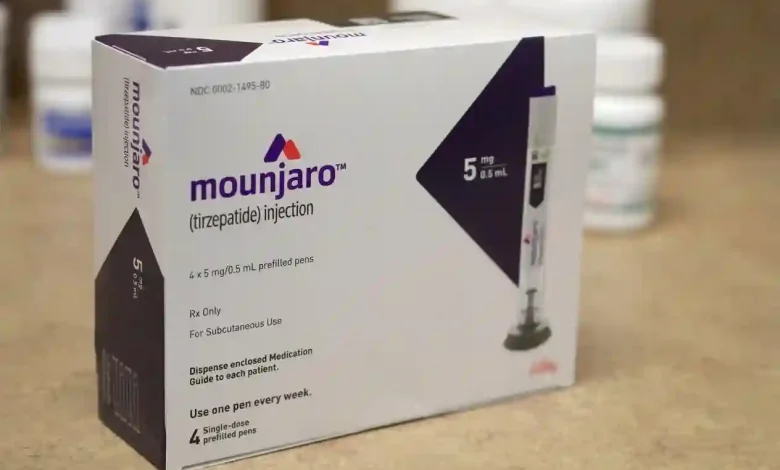
Table of Contents
Mounjaro has achieved a major regulatory milestone as the U.S. Food and Drug Administration (FDA) officially approved its label expansion on Friday, August 28, 2026. This landmark decision permits the blockbuster treatment to be prescribed to lower the risk of major adverse cardiovascular events (MACE)—such as cardiovascular death, non-fatal myocardial infarction (heart attack), and non-fatal stroke—in adults diagnosed with type 2 diabetes who also exhibit a high risk of cardiovascular disease. This regulatory development marks a paradigm shift in how clinicians manage the overlapping crises of diabetic metabolic dysfunction and cardiovascular vulnerability.
In a manner echoing the rigorous regulatory scrutiny applied to the latest FDA approval of breakthrough therapies, Eli Lilly’s latest clinical submission received extensive examination from public health officials and medical boards. By demonstrating a direct and quantifiable impact on lowering life-threatening cardiovascular risks, this newly expanded indication establishes tirzepatide as an indispensable therapeutic agent in modern cardiometabolic medicine.
Mounjaro Clinches Landmark FDA Label Expansion
The newly updated clinical labeling represents a vital therapeutic advancement, particularly as cardiologists and endocrinologists increasingly align on treating the patient as a whole rather than managing isolated laboratory markers. Heart disease remains the leading cause of death among individuals diagnosed with type 2 diabetes. It is currently estimated that up to one in three adults in the United States living with type 2 diabetes suffer from undetected or diagnosed cardiovascular complications. With the FDA’s latest approval, clinicians now have an exceptionally potent tool that addresses glucose management, facilitates significant weight loss, and directly protects the cardiovascular architecture.
The Clinical Science: Unpacking the SURPASS-CVOT Trial
The clinical foundation for this FDA approval stems from the results of the SURPASS-CVOT trial, which is widely recognized as one of the most comprehensive and high-stakes clinical programs in modern endocrinology. Unlike typical cardiovascular outcome studies that evaluate new drugs against a placebo, Eli Lilly designed this trial to compare tirzepatide directly against an active control.
Head-to-Head Methodology: Tirzepatide vs. Dulaglutide
The trial enrolled over 13,000 participants (exactly 13,299) across 30 countries, tracking patients over a median follow-up period of 210.1 weeks, which translates to roughly five years of real-world patient monitoring. Participants in the study were randomized to receive weekly subcutaneous injections of either Mounjaro (at the maximum tolerated dose of up to 15 mg) or dulaglutide (Trulicity, administered at 1.5 mg once weekly). This design presented an exceptionally high bar, as dulaglutide is already a globally recognized GLP-1 receptor agonist with its own proven cardiovascular risk-reduction indications. The decision to pursue a head-to-head comparison reflects the pharmaceutical industry’s shifts, similar to how tech-driven market valuations, such as the Anthropic IPO valuation tracking, drive companies to push beyond standard baselines to assert uncontested market leadership.
Cardiovascular Milestones and Statistical Outcomes
During the course of the SURPASS-CVOT trial, Mounjaro demonstrated robust non-inferiority to dulaglutide while achieving an 8% lower overall rate of major adverse cardiovascular events. The primary endpoint analyzed the time to the first occurrence of cardiovascular death, non-fatal myocardial infarction, or non-fatal stroke. The trial’s estimated hazard ratio was calculated at 0.92 (95.3% confidence interval: 0.83, 1.01). While statistical superiority was not formally established, the reduction in MACE when compared to another active, highly effective cardiovascular drug is viewed by clinical specialists as a monumental achievement that underscores tirzepatide’s superior therapeutic profile.
Furthermore, the real-world significance of these findings is supported by adjacent observational data. For instance, recent studies published in late August 2026 highlighted that patients on tirzepatide experienced significantly fewer hospitalizations and reduced rates of severe bacterial infections alongside their cardiovascular risk mitigation.
| Metric / Parameter | Tirzepatide (Mounjaro) Details | Clinical Significance |
|---|---|---|
| Trial Reference | SURPASS-CVOT (Phase 3) | Largest and longest head-to-head trial of two incretin therapies (over 13,000 participants). |
| Primary Endpoint | Three-component major adverse cardiovascular events (MACE) | Measures time to first occurrence of cardiovascular death, non-fatal myocardial infarction, or non-fatal stroke. |
| Comparator Agent | Dulaglutide (Trulicity – 1.5 mg) | Compared against an active control with established cardiovascular benefits rather than a placebo. |
| Hazard Ratio (MACE) | 0.92 (95.3% Confidence Interval: 0.83, 1.01) | Demonstrated non-inferiority to dulaglutide, showing an 8% lower rate of CV events. |
| Trial Duration & Median Follow-up | Median of 210.1 weeks (~4.5 to 5 years) | Provides extensive safety and efficacy data over long-term treatment intervals. |
| Safety Profile | Gastrointestinal-related events (mild-to-moderate) | Consistent with prior tirzepatide clinical trials, primarily occurring during the dose escalation phase. |
Understanding Tirzepatide: GIP and GLP-1 Dual Mechanism
Mounjaro operates through a sophisticated, dual-acting mechanism of action that differentiates it from older-generation metabolic therapies. It is classified as a dual glucose-dependent insulinotropic polypeptide (GIP) and glucagon-like peptide-1 (GLP-1) receptor agonist. While traditional therapies focus exclusively on the GLP-1 pathway, tirzepatide’s synergistic activation of both GIP and GLP-1 receptors enhances its clinical efficacy.
These advancements in tailoring multi-receptor therapeutic combinations reflect the broader rise of automated decision systems, much like how ChatGPT and AI models are being leveraged to streamline complex systems and data analyses in healthcare settings. By activating GIP receptors in adipose tissue and brain centers alongside GLP-1 receptors, tirzepatide effectively regulates appetite, delays gastric emptying, improves lipid metabolism, and lowers blood glucose levels. This synergistic dual-receptor stimulation explains why tirzepatide yields superior glycemic control and more pronounced weight reduction compared to single GLP-1 receptor agonists.
The Market Evolution: Brand Segregation of Mounjaro and Zepbound
Eli Lilly’s strategy surrounding tirzepatide involves clear therapeutic branding to target distinct medical conditions. While Mounjaro is specifically indicated for glycemic control and now major cardiovascular risk reduction in adults with type 2 diabetes, the exact same active molecular formulation is marketed under the brand name Zepbound for chronic weight management. Zepbound is prescribed for individuals with clinical obesity or those who are overweight with at least one weight-related comorbidity, such as sleep apnea or hypertension.
This strategic separation of brand names allows Eli Lilly to navigate complex pharmaceutical marketing landscapes and insurance reimbursement structures. Just as Tesla leads electric vehicle markets worldwide by continuously scaling global manufacturing and catering to diverse consumer segments, Eli Lilly is securing dominant control over the metabolic and cardiovascular health sectors.
Economic Impact on Healthcare Systems and Employer Plans
The expanding clinical indications for tirzepatide carry massive economic implications for global healthcare networks. Heart disease remains the leading cause of death in the United States, and it is estimated that approximately one in three American adults with type 2 diabetes suffer from undetected cardiovascular disease. Consequently, preventing hospitalizations from stroke and heart attacks could save billions of dollars in long-term critical care.
However, the high cost of GLP-1 and dual GIP/GLP-1 drugs presents immediate financial hurdles. The expanding indication for such blockbuster therapeutics is also transforming commercial insurance, notably increasing the financial pressure on U.S. employer healthcare plans which are grappling with how to cover these life-saving yet expensive treatments. Wall Street analysts and speculative traders using platforms such as the Kalshi prediction market had heavily anticipated this milestone, predicting that cardiovascular indicators would force insurance providers to expand coverage policies due to the long-term cost offsets associated with preventing cardiovascular catastrophes.
Strategic Landscape: Eli Lilly’s Dominance in Cardiometabolic Care
Eli Lilly’s massive infrastructure expansions are reminiscent of other multi-billion-dollar investments, such as how Nvidia plans heavy investments in renewable energy and computing networks to secure long-term industrial dominance. Over the first half of 2026 alone, sales of Mounjaro exceeded $18.6 billion, demonstrating unparalleled commercial traction. To sustain this momentum, the drugmaker has committed billions of dollars to build and acquire state-of-the-art manufacturing facilities across the United States and Europe to resolve supply shortages.
With cardiometabolic disease representing a leading driver of chronic healthcare expenditures, this development is poised to shape upcoming discussions around national public health policy and preventative care initiatives. By shifting the clinical paradigm from reactive treatments to proactive prevention, Eli Lilly’s clinical achievements position tirzepatide as the premier therapeutic platform of the decade.
Future Horizons: Clinical Trials and Broader Indications
Looking ahead, the clinical utility of tirzepatide is expected to expand further. Ongoing clinical trials are evaluating the molecule’s efficacy in treating non-alcoholic steatohepatitis (NASH), heart failure with preserved ejection fraction (HFpEF), chronic kidney disease, and obstructive sleep apnea. The positive data from the SURPASS-CVOT trial suggests that the cardioprotective and systemic anti-inflammatory benefits of tirzepatide extend far beyond simple weight loss and blood glucose regulation, offering hope to millions of patients suffering from complex, interconnected metabolic diseases.