Lung cancer diagnosis: Survival support in the first 90 days
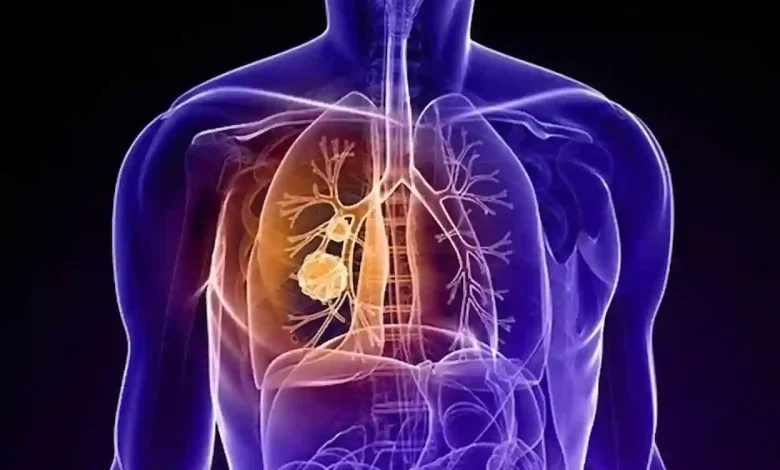
Table of Contents
Lung cancer diagnosis marks a profound, life-changing moment that brings an overwhelming wave of uncertainty, clinical questions, and intense emotional highs and lows. In the immediate aftermath of receiving this news, patients and their loved ones frequently find themselves navigating an unfamiliar medical landscape filled with complex terms, rapid decision-making, and profound fear. To help families navigate this delicate phase with clarity and confidence, this comprehensive guide offers structured insights and a holistic plan based on the expert medical philosophy of Dr. Deric Savior.
Dr. Savior serves as the System Division Chief of Hematology – Oncology at Main Line Health Lankenau Medical Center and Temple University Hospital. With over 20 years of clinical and research experience specializing in lung, prostate, and breast cancer, Dr. Savior has dedicated his career to advancing oncology care while emphasizing the healing of the “whole person—body, soul, and spirit.” By breaking down the first three months after a diagnosis into manageable, actionable phases, patients can approach their care pathway as empowered partners in their own healing process.
Introduction to the 90-Day Roadmap
The first 90 days after receiving a lung cancer diagnosis are often the most intense, as they establish the clinical baseline, outline the therapeutic strategy, and initiate active treatment. Instead of viewing this period as an overwhelming storm, Dr. Savior advises patients to conceptualize it as a structured timeline. This roadmap is designed to move systematically from diagnostic verification in the first month, to multidisciplinary strategy formulation in the second month, and finally, to therapeutic execution and holistic coping in the third month. Approaching this timeline with step-by-step goals helps families maintain control over their choices and mental well-being.
Month 1: Deciphering Pathology and Staging
The primary objective during the first four weeks is to gather precise, immutable information. Many patients feel an urgent desire to start treatment immediately; however, rushing into therapy without complete biological and anatomical data can result in sub-optimal outcomes. Dr. Savior notes that taking a few weeks to perform comprehensive diagnostic workups is clinical best practice. During this phase, understanding how clinical resource allocation and overall healthcare market valuations impact diagnostic tool availability can help patients seek assistance from specialized patient navigation programs.
Demystifying Pathology and Biomarker Profiles
To treat lung cancer effectively, oncologists must first identify its exact histological and molecular profile. The disease is broadly categorized into two main types: Non-Small Cell Lung Cancer (NSCLC), which comprises approximately 85% of cases, and Small Cell Lung Cancer (SCLC), which is typically faster-growing but highly responsive to chemotherapeutic drugs. Pathologists evaluate biopsy tissue under high-magnification microscopes to determine this categorization.
Beyond histology, modern oncology relies heavily on biomarker testing. This involves analyzing the tumor’s genetic material to identify specific targetable mutations—such as EGFR, ALK, ROS1, BRAF, or RET—and measuring proteins like PD-L1. Identifying these biomarkers allows oncologists to bypass standard chemotherapy in favor of targeted therapies or immunotherapies that specifically seek out and destroy cancer cells while sparing healthy tissue. Seeking guidelines from trusted clinical organizations like the American Cancer Society can help demystify these advanced pathological tests.
The Role of Imaging and Stage Classification
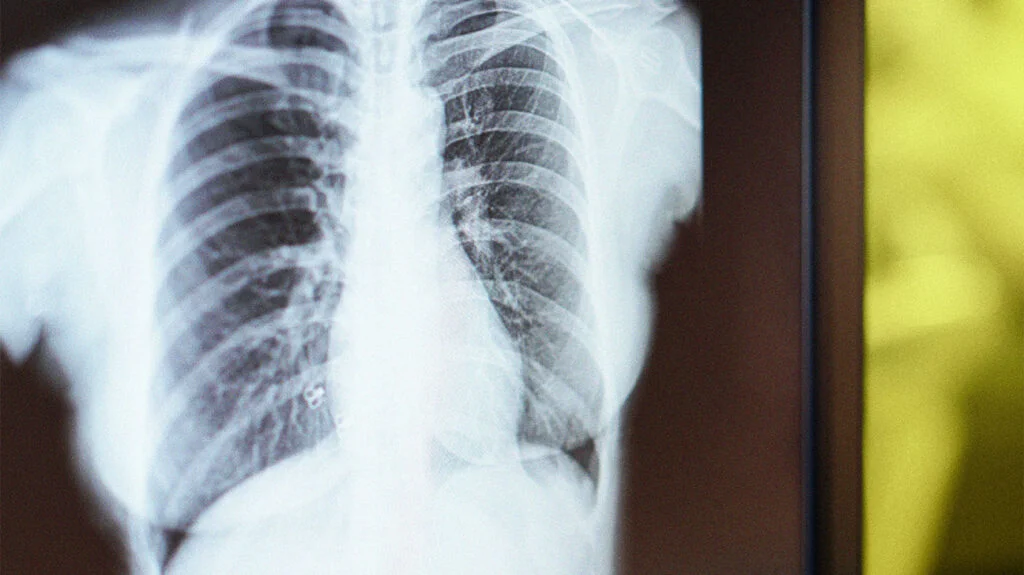
In tandem with pathology, imaging scans are essential to determine the stage of the disease. Staging measures the size of the primary tumor and checks whether it has spread to nearby lymph nodes or distant organs. Patients typically undergo a combination of computed tomography (CT) scans, positron emission tomography (PET) scans, and magnetic resonance imaging (MRI) of the brain.
Coping with the stress of these sequential imaging appointments requires emotional and physical support networks. Just as major international actions or travel require monitoring complex global security announcements, coordinates of a complex medical schedule demand highly structured support from family, friends, and community networks to ensure the patient arrives at every clinical station prepared and calm.
Month 2: Assembling Your Multidisciplinary Care Team
By the second month, the focus shifts from data gathering to collaborative planning. This is the period when your multidisciplinary oncology team meets to craft an individualized, cohesive treatment strategy. Navigating a vast network of clinical specialists can feel complex; much like international collaborative initiatives are managed by diplomatic foreign ministries, your oncology team must operate as a highly collaborative alliance to manage your care efficiently.
Who Leads Your Fight? Key Oncological Roles
An effective lung cancer care team consists of several key medical specialists, each contributing distinct expertise. Your medical oncologist coordinates the overall treatment plan, administering systemic therapies such as chemotherapy, immunotherapy, or targeted oral drugs. The thoracic surgeon evaluates whether the tumor can be safely removed surgically, which is often the preferred route for early-stage disease. Finally, the radiation oncologist uses targeted, high-energy X-ray beams to destroy localized cancer cells.
To support this core clinical team, social workers, nutritionists, and financial counselors help families manage the practical aspects of care. Discussing the financial implications of cancer early on is crucial; proactively assessing health benefit cost factors ensures that patients can access co-pay assistance, drug replacement programs, and community grants without interrupting their active therapy.
Exploring Clinical Trials and Equitable Treatment Access
Dr. Savior is a passionate advocate for clinical trials, particularly in ensuring that diverse patient populations have equal access to cutting-edge research. During Month 2, patients should ask their oncologists if they qualify for any active clinical investigations. These trials offer early access to next-generation therapies, including novel immunotherapies and targeted combinations that are not yet widely available.
To research these clinical opportunities, many patients turn to peer advocacy networks. These groups often utilize open-source digital communication networks to share trial databases, patient experiences, and geographic availability, allowing families to explore advanced clinical options with greater confidence.
Month 3: Treatment Initiation and Holistic Support
Month 3 marks the beginning of active therapy. This is where the care plan is put into action, whether through daily radiation therapy, chemotherapy cycles, targeted oral pills, or scheduled thoracic surgery. During this phase, optimizing daily nutrition is essential to support the body’s natural defense systems. Following clean, nutrient-dense dietary guidelines—similar to the health-focused changes in regional food standards—helps patients maintain vital muscle mass, manage treatment-related fatigue, and support immune function during systemic oncology treatments.
Integrative Oncology: Body, Soul, and Spirit
Dr. Savior’s clinical philosophy emphasizes that healing must extend beyond physical interventions. Treating the “whole person” means actively addressing the psychological, emotional, and spiritual needs of each patient. Facing a serious medical diagnosis can trigger profound existential distress, and addressing these emotions is a vital component of clinical recovery.
Integrating spiritual counseling, guided meditation, and supportive psychological therapy into the care plan helps quiet the nervous system, lower stress hormones, and build emotional resilience. When a patient feels emotionally supported, their physical capacity to tolerate aggressive oncological treatments is often enhanced.
Proactively Managing Treatment Side Effects
Active treatment brings physical side effects, including fatigue, nausea, appetite changes, and localized discomfort. Dr. Savior stresses that patients should never suffer through these symptoms in silence. Palliative care specialists should be involved early in the process to focus entirely on pain management, symptom relief, and maximizing daily quality of life.
Additionally, processing the mental toll of this transition is essential. Managing the emotional weight of cancer involves navigating personal grief and health struggles with transparency, self-compassion, and professional mental health support. Working closely with your care team allows for timely supportive therapies, keeping you active and comfortable throughout your treatment.
A Specialized Guide for Caregivers and Loved Ones
Caregivers are the foundation of the cancer treatment journey. They serve as medical coordinators, emotional anchors, and daily advocates. However, managing these responsibilities can lead to physical and emotional exhaustion. To prevent caregiver burnout, loved ones must prioritize their own physical and mental well-being.
Establishing healthy boundaries, accepting assistance from friends, and participating in caregiver support groups are essential strategies for maintaining long-term care. For families coordinating medical care across states or traveling internationally for specialized clinical trials, checking updated embassy alert guidelines can help ensure smooth travel arrangements and uninterrupted access to necessary medical resources.
Visualizing the Journey: The 90-Day Clinical Table
The table below outlines the milestones, primary medical goals, and key clinical providers associated with each phase of the first three months of care.
| Timeframe | Primary Goals | Key Clinical Focus Area | Key Healthcare Providers |
|---|---|---|---|
| Month 1 (Days 1–30) | Establish pathology, biomarker profile, and anatomical staging | Biopsies, CT/PET scans, molecular gene testing, brain MRIs | Pulmonologist, Pathologist, Interventional Radiologist |
| Month 2 (Days 31–60) | Formulate multidisciplinary plan, explore clinical trials, resolve financial logistics | Tumor board reviews, surgical/radiation consultations, benefits assessment | Medical Oncologist, Thoracic Surgeon, Radiation Oncologist, Social Worker |
| Month 3 (Days 61–90) | Initiate active treatment, manage side effects, establish holistic support | Systemic therapies, surgical resection, supportive nutrition, spiritual care | Oncology Nurses, Palliative Care Team, Dietitian, Spiritual Counselors |
By understanding what to expect during the first 90 days, patients and caregivers can navigate this challenging journey with greater confidence and clear, actionable steps. With the support of an expert medical team and a holistic approach that nurtures body, soul, and spirit, families can move forward on the path to healing with peace, dignity, and hope.