Oral microbiome secrets: How to nourish your mouth for total body wellness 2026
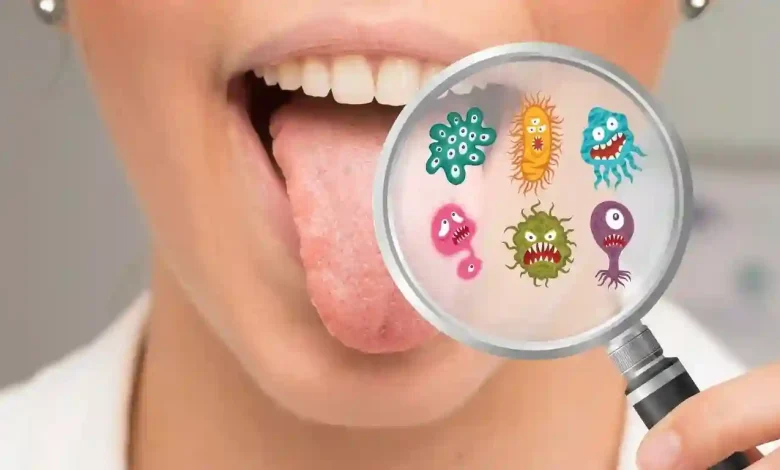
Table of Contents
As families look to manage their overall wellness budget, they often run into the U.S. employer healthcare programs that do not always emphasize preventative oral therapies. This lack of upstream focus makes personal education about oral ecology even more crucial. Cultivating a healthy oral environment is as much about what you eat as what you do not eat, transforming our understanding of nutrition from simple calorie counting to targeted microbial cultivation.
Oral microbiome ecosystems represent one of the most complex habitats in the human body, second only to the gut in microbial diversity. Consisting of over 700 species of bacteria, fungi, viruses, and protozoa, this delicate balance is critical for maintaining not only localized dental health but also overall systemic wellness. Traditionally, oral hygiene has focused heavily on eradication—using harsh mouthwashes and antibacterial agents to sweep away all bacteria in a bid to prevent cavities. However, modern scientific research reveals that a slash-and-burn approach to oral ecology can actually damage our physiological defenses. Instead of aiming for a sterile mouth, we must learn to cultivate and nourish the beneficial microbes that keep pathogens in check.
Understanding the Oral Ecosystem: More Than Just Cavities
The human mouth is an intricate environment featuring distinct micro-niches, such as the tongue, the hard palate, the gingival sulcus, and the teeth surfaces. Each of these zones supports a unique community of microorganisms. When in a state of symbiosis, these microbes work in harmony with our immune system. They help initiate digestion, protect against environmental pathogens, and generate vital biochemical precursors. Conversely, when the system falls into dysbiosis, opportunistic pathogens take over, leading to periodontitis, dental decay, and halitosis.
Under normal conditions, beneficial bacteria like Streptococcus salivarius act as primary colonizers, establishing a protective biofilm that prevents harmful strains from anchoring to oral tissues. Modern diagnostic standards are catching up to these realities. Similar to how advancements in genomic tracking have sparked complex patent disputes in medical testing, oral DNA sequencing is revealing that the presence of specific bacterial strains can serve as early warning signs for systematic inflammatory diseases. Thus, preserving the diversity of this ecosystem is a core tenet of preventative medicine.
The Systemic Connection: How Mouth Health Dictates Body Health
The mouth is the gateway to the body, and the state of its microbiome has profound implications for cardiorespiratory, metabolic, and immunological health. Pathogenic bacteria from the mouth can easily enter the bloodstream through inflamed gums, a process facilitated by periodontal disease. Once in circulation, these microbes can trigger systemic inflammatory cascades, contribute to arterial plaque formation, and elevate the risk of cardiovascular events. Furthermore, oral bacteria play a surprising role in regulating blood pressure through the nitrate-nitrite-nitric oxide pathway, where specific tongue-dwelling bacteria reduce dietary nitrates into nitrites, a vital precursor for vascular dilation.
This deep biological connection underscores why early-stage interventions and a robust government health policy for youth must address both dental habits and general lifestyle guidelines. Teaching children to nurture their oral microbiomes early in life can prevent chronic systemic issues in adulthood. Furthermore, researchers are exploring the oral-brain axis, discovering links between periodontal pathogens like Porphyromonas gingivalis and cognitive decline. While many turn to lifestyle changes or companion animals to alleviate teenage psychological well-being challenges, biological researchers now point to the oral-brain axis and systematic inflammation as hidden pieces in the mental health puzzle, showing that biochemical balance truly starts in the mouth.
Dietary Allies: Surprising Foods That Nourish Good Bacteria
To cultivate a resilient oral microbiome, we must move beyond the basic advice of avoiding sugar and focus on actively feeding beneficial species. Here are the primary dietary allies that support oral microbial diversity.
Nitrate-Rich Vegetables: Nature’s Nitric Oxide Boosters
Leafy greens such as spinach, arugula, kale, and beetroot are packed with inorganic nitrates. When we chew these vegetables, nitrate-reducing bacteria on the back of our tongue convert nitrates into nitrites. These nitrites are later converted into nitric oxide in the stomach and bloodstream, which helps lower blood pressure, improve endothelial function, and inhibit the growth of acid-producing pathogens. According to research published by Nature Portfolio, this pathway is a crucial link between diet, oral microbial activity, and cardiovascular health.
Fermented Foods and Aged Cheeses: Calcium and Live Cultures
Traditional fermented foods like unsweetened yogurt, kefir, sauerkraut, and kimchi introduce beneficial lactic acid bacteria to the oral cavity. Additionally, aged cheeses such as Gouda, Cheddar, and Parmesan offer dual benefits. They are rich in calcium and phosphorus, which aid in tooth remineralization, and contain casein, a protein that forms a protective film on enamel. Eating cheese also stimulates salivary flow, which naturally cleanses the mouth and buffers harmful acids.
Polyphenol-Dense Foods: Natural Antioxidant Defense
Polyphenols found in green tea, dark chocolate (with minimal sugar), cranberries, and blueberries act as natural prebiotics for the oral cavity. These compounds inhibit the enzymatic activity of Streptococcus mutans, the primary bacteria responsible for tooth decay, preventing them from adhering to teeth and forming destructive plaque biofilms. By incorporating these polyphenol-rich foods into our daily routine, we can selectively suppress pathogens while allowing beneficial microbes to thrive.
Designing the Ideal Diet for Oral Ecology
Structuring a daily diet that optimizes the oral microbiome does not have to be complicated. By selecting whole, nutrient-dense foods, we can support salivary flow, provide essential minerals for remineralization, and feed beneficial bacterial strains. The following comparison table outlines key food categories and their biological actions within the oral cavity:
| Food Category | Key Nutrients / Compounds | Primary Biological Action | Best Examples |
|---|---|---|---|
| Leafy Greens | Inorganic Nitrates, Fiber | Feeds nitrate-reducing bacteria, boosts nitric oxide, increases salivary pH | Arugula, Spinach, Beet greens |
| Aged Dairy | Calcium, Casein, Phosphorus | Protects tooth enamel, stimulates saliva, buffers bacterial acids | Aged Cheddar, Gouda, Parmesan |
| Fermented Foods | Lactobacillus, Bifidobacterium | Introduces beneficial live cultures, competes with decay-causing pathogens | Kefir, Kimchi, Unsweetened yogurt |
| Polyphenol Fruits | Flavonoids, Tannins | Disrupts pathogen biofilms, reduces gum inflammation | Blueberries, Cranberries, Green tea |
| Fibrous Vegetables | Prebiotic Fibers, Water | Mechanically cleanses teeth, stimulates salivary flow | Celery, Apples, Carrots |
Implementing these dietary choices can be highly cost-effective compared to expensive restorative dental procedures. Decades of regulatory changes and high-profile consumer healthcare liability cases have shown that ingredients matter, and consumers are increasingly seeking out natural, preventive wellness strategies over synthetic chemical solutions. Cultivating a healthy microbiome naturally reduces the reliance on aggressive chemical treatments, safeguarding both oral and systemic health.
Modern Dental Habits: Rethinking Hygiene and Microbes
Traditional dental care has long relied on alcohol-based mouthwashes and strong antibacterial agents designed to kill 99.9% of bacteria. While this might sound beneficial, it actually disrupts the delicate balance of the oral microbiome, clearing the way for resilient pathogens to recolonize the mouth without competition. This loss of microbial diversity can lead to chronic bad breath, increased susceptibility to cavities, and even elevated blood pressure due to the destruction of nitrate-reducing bacteria.
To protect this ecosystem, we should adopt a gentler, more supportive hygiene routine. This includes using prebiotic or microbiome-safe toothpastes, tongue scraping to remove food debris without killing beneficial microbes, and prioritizing flossing to manage plaque build-up between teeth. Entrepreneurial dental practices are scaling rapidly, learning from proven small business success models to bring customized oral microbiome testing to the mainstream, helping patients understand their unique microbial profiles and tailor their hygiene habits accordingly.
The Future of Oral Probiotics and Biological Dentistry
The field of dentistry is undergoing a significant shift, moving away from reactive treatments and toward proactive, biological therapies. Researchers are developing targeted oral probiotics containing specific strains like Streptococcus salivarius K12 and M18, which actively fight pathogens, reduce gum inflammation, and fresh breath naturally. Rather than aiming to sterilize the mouth, the future of dental care lies in supporting and balancing our natural microbial defenses.
Amid the surging cost of living pressures, focusing on low-cost whole-food strategies and preventative oral care is a practical way to protect both your health and your wallet. By nourishing your oral microbiome with the right foods and adopting gentle hygiene habits, you can build a strong foundation for lifelong dental and systemic wellness.





One Comment