Florida primaries: Byron Donalds and Angie Nixon Win Historic Races 2026
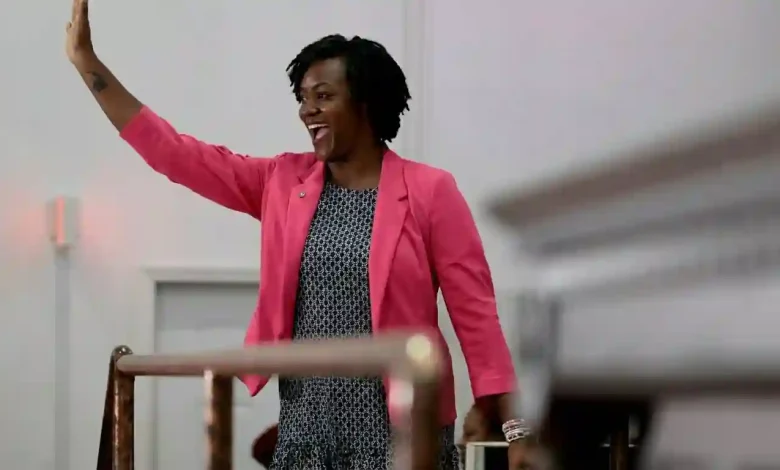
Table of Contents
Introduction
Florida primaries delivered a monumental night of political drama, setting the stage for a highly competitive and historically significant midterm election season. As voters across the Sunshine State cast their ballots, they simultaneously consolidated the conservative vision of the Republican Party and unleashed a progressive populist wave within the Democratic ranks. These pivotal outcomes reflect a polarized electorate grappling with redistricting changes, economic policy debates, and competing visions for state leadership. With control of Congress hanging in the balance, the choices made on Tuesday carry profound implications that extend far beyond Florida’s borders, impacting races from the Deep South to the West Coast.
Byron Donalds and the Republican Gubernatorial Breakthrough
In his adopted home state, Republican Representative Byron Donalds achieved a historic victory by securing the GOP nomination for governor. Endorsed by President Donald Trump and supported by a robust fundraising network, Donalds successfully navigated a competitive field to position himself as the state’s conservative torchbearer. If successful in the general election, Donalds will make history as Florida’s first Black governor, a milestone that underscores his rapid rise within the national Republican landscape. His campaign centered on advancing the conservative legacy of outgoing Governor Ron DeSantis, emphasizing tax cuts, deregulation, and a strong stance on state sovereignty.
Donalds’ victory is seen as a major win for President Trump, whose endorsement remains an influential force in GOP primary politics. Throughout his congressional career, Donalds has been a fierce defender of Trump’s economic policies, aligning his gubernatorial vision with the former president’s populist message. In his victory speech, Donalds called for party unity, urging Republicans to look past the primary divisions and focus on defeating the Democratic nominee, former Representative David Jolly. This matchup guarantees a high-stakes, ideologically diverse contest, as Jolly—a former Republican turned independent-leaning Democrat—seeks to appeal to moderate and independent voters across Florida’s rapidly shifting electorate.
Angie Nixon’s Progressive Revolution in the Democratic Senate Primary
While Republicans rallied behind Donalds, Democratic voters delivered a massive shock to the party establishment by nominating state Representative Angie Nixon in the U.S. Senate special election. Nixon, a self-described democratic socialist and grassroots organizer, pulled off a stunning upset over moderate frontrunner Alex Vindman. Despite Vindman’s significant fundraising advantage and national name recognition—gained from his role as a key witness in Donald Trump’s first impeachment trial—Nixon’s grassroots campaign successfully energized working-class voters and progressive activists. Her message focused heavily on economic populism, universal healthcare, and systemic equity, highlighting a growing appetite for bold, unapologetic policies among the Democratic base.
Nixon’s victory has reignited the internal debate over the Democratic Party’s ideological direction. Moderate strategists worry that a democratic socialist nominee could alienate centrist voters in a state that has trended increasingly red. However, progressive groups argue that Nixon’s victory demonstrates the power of authentic grassroots organizing and a strong populist economic message. Her upcoming campaign against appointed Republican Senator Ashley Moody will be a defining test of progressive viability in the South. Moody, the state’s former attorney general, was appointed to the Senate seat after Marco Rubio vacated it to serve as secretary of state, a political transition that mirrors other federal administrative developments such as when Adam Telle was named acting director of federal agencies.
National security and foreign policy are expected to play a central role in the Senate race, especially given Vindman’s background and the ongoing debates within Congress regarding overseas entanglements. The discussion surrounding U.S. foreign policy has become increasingly complex, particularly amidst national security debates and international tensions where Iran refutes Trump and disputes American sanctions. As the general election approaches, Nixon will have to balance her domestic progressive platform with foreign policy positions, addressing concerns regarding global stability and avoiding complex foreign involvements modeled by the Iran war stalemate.
Redistricting and Incumbency Struggles
The primary results also highlighted a mixed bag for incumbents across Florida, largely driven by the controversial, Republican-led redistricting efforts that altered congressional maps. Several long-serving representatives found themselves running in substantially redrawn districts, forcing them to introduce themselves to new constituencies and navigate altered demographic landscapes. While some veteran lawmakers managed to secure their nominations through sheer name recognition and deep campaign coffers, others struggled against agile primary challengers who capitalized on the localized disruptions caused by the new maps.
This redistricting friction reflects a broader nationwide trend where gerrymandering and map realignment have intensified intra-party competition. In Florida, the altered boundaries have made several historically safe districts highly competitive, forcing both parties to spend resources earlier in the cycle than initially planned. These structural changes have added an extra layer of unpredictability to the midterm landscape, showing that even entrenched political figures are not immune to the shifts in voter sentiment and geographic boundaries.
National Midterm Implications
Tuesday’s primary contests serve as a vital bellwether for the upcoming midterm elections, which will determine control of a closely divided Congress. Currently, Republicans hold a narrow edge in the House of Representatives, and every seat gained or lost in key states like Florida, California, and Alaska could shift the balance of legislative power. The Florida results offer a dual narrative: a energized conservative movement united under Donalds, and a progressive Democratic base eager for systemic reform under Nixon. National party leaders are closely analyzing these outcomes to refine their messaging strategies for the fall campaign.
For Democrats, the challenge lies in bridging the gap between the moderate wing and the energetic progressive base. For Republicans, the goal is to maintain the momentum of Trump’s populist platform while appealing to suburban voters who may be wary of deep political polarization. The national economic environment, marked by fluctuating commodity markets and trade debates, will continue to act as the primary backdrop for these campaigns. Historically, midterm elections act as a referendum on the sitting president’s party, but the highly localized dynamics of these primaries suggest that candidate quality and grassroots mobilization will play an equally decisive role in determining the eventual winners.
State-by-State Primary Roundup: Alaska, Wyoming, and California
Beyond Florida, voters in Alaska, Wyoming, and California also headed to the polls, presenting unique electoral dynamics and choosing nominees in highly anticipated contests. In Alaska, the state’s nonpartisan, top-four primary system continued to test the limits of ranked-choice voting. The ballot featured a crowded field of candidates, including several individuals with matching last names, creating a complex environment that required intensive voter education. Meanwhile, in Wyoming, the Republican primary acted as a battleground for the soul of the state party, where conservative insurgents challenged traditional business-aligned incumbents, reflecting the national tension between populist forces and the establishment.
California’s primary contests further emphasized the high-stakes battle for congressional control. Running under the state’s open, top-two primary system, candidates from all parties competed on a single ballot, with the top two vote-getters advancing to the general election. This system frequently leads to intra-party matchups in heavily partisan districts, putting progressive Democrats and moderate pragmatists in direct competition. These western primaries highlight how diverse electoral rules and regional priorities shape the overall national political mosaic, adding layers of complexity to the fight for the House and Senate.
Economic, Fiscal, and Policy Debates Shaping the Midterms
As candidate matchups solidify, economic and fiscal policies have emerged as the central battleground for the general election. Byron Donalds has focused his economic message on state-level fiscal responsibility, proposing a suite of tax initiatives similar to ideas debated by Kevin Warsh at Jackson Hole, which advocate for supply-side deregulation and structural tax relief. Donalds argues that reducing the regulatory burden on businesses will stimulate job growth and combat inflation. However, opponents warn that such policies could exacerbate state budget deficits and undermine funding for critical public services, pointing out that economic vulnerabilities can emerge quickly when oil prices slip and disrupt energy revenues.
On the federal level, these candidates will have to navigate broader supply-side challenges, including inflation risks and tariffs imposed on Canadian imports, which affect consumer pricing across state lines. In contrast to conservative economic models, progressive nominees like Angie Nixon are championing policies that prioritize working-class families through social programs. Nixon’s platform emphasizes lowering the cost of prescription drugs, protecting union rights, and investing heavily in public education. This includes advocating for tech education and AI literacy in classrooms to empower younger workers entering an increasingly automated job market. This stark contrast in economic philosophy guarantees that the upcoming debates will offer voters fundamentally different paths forward.
Furthermore, national security issues and international trade policies continue to influence local campaigns. The ongoing debate over the federal administration’s global strategies—highlighted by aggressive stances such as the financial offensive on Iran—remains a highly polarizing topic. While conservative candidates emphasize strong borders and robust national defense, progressive candidates are calling for a reassessment of defense spending in favor of domestic investments. These contrasting views on national priorities will undoubtedly shape voter turnout and define the debate as the midterm campaign enters its final, decisive phase.
Electoral Landscape Summary and Comparison
To understand the shifts resulting from this round of primaries, it is helpful to look at the primary races, their candidates, and the broader themes they represent in the general election matchups.
| State | Office | Winning Candidate | Party | Key General Election themes |
|---|---|---|---|---|
| Florida | Governor | Byron Donalds | Republican | First Black governor bid, Trump endorsement, conservative continuity |
| Florida | Governor | David Jolly | Democratic | Moderate appeal, former Republican, bipartisan governance |
| Florida | U.S. Senate (Special) | Angie Nixon | Democratic | Democratic Socialist, grassroots populism, healthcare expansion |
| Florida | U.S. Senate (Special) | Ashley Moody | Republican | Appointed incumbent, conservative judicial and administrative record |
| Alaska | House / Senate | Multiple Nominees | Nonpartisan | Ranked-choice voting dynamics, localized resource management |
| Wyoming | House / Senate | Multiple Nominees | Rep / Dem | Trump-aligned populism versus establishment conservatism |
| California | Congressional Seats | Multiple Nominees | Top-Two | Intra-party progressive vs. moderate debates, House majority control |
Ultimately, this round of primary elections has provided a preview of the ideological battles that will dominate the autumn campaign. Both parties have emerged with distinct profiles that reflect the deep-seated divisions of the national political landscape. As the general election campaign begins in earnest, the ability of these candidates to mobilize their core supporters while winning over undecided voters will determine who holds the levers of power in Washington and state capitals across the country.




One Comment