Camp David Cabinet meeting: Trump Tackles Iran War and Gas Prices 2026
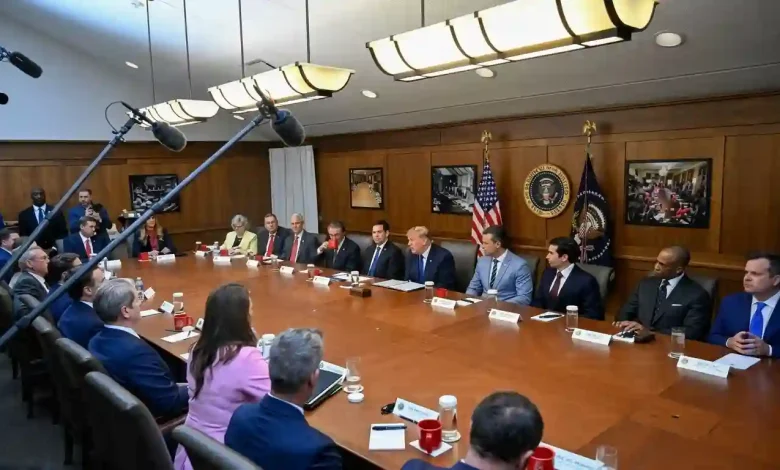
Table of Contents
Camp David Cabinet meeting proceedings commenced on Friday in the quiet, wooded hills of western Maryland, marking a critical turning point as President Donald Trump convened his administration’s top officials to grapple with a dual crisis: a grinding conflict with Iran and soaring gasoline prices that threaten to derail Republican hopes in the upcoming November midterm elections. The retreat, which has historically served as a sanctuary for intense diplomatic negotiations and strategic planning, was transformed into a high-stakes war room where economic survival and geopolitical strategy collided.
The Retreat to Maryland: Trump’s Rare Visit to Camp David
Unlike some of his predecessors who viewed the mountaintop presidential redoubt in Catoctin Mountain Park as a preferred weekend escape, President Trump has largely stayed away from the rustic naval installation. He has consistently favored the familiar, high-velocity luxury of his private golf resorts in Florida and New Jersey, which offer a different pace of leisure and interaction. This high-profile Friday gathering marks only his third trip to Camp David during his second term, underscoring the sheer gravity of the issues currently confronting his administration.
Historically, Camp David has been the backdrop for monumental foreign policy achievements—from the historic 1978 accords between Israel and Egypt to critical World War II planning sessions between Franklin D. Roosevelt and Winston Churchill. By bringing his entire Cabinet to this isolated, highly secure setting, Trump signaled to both domestic voters and international adversaries that the administration is entering a period of intense, focused decision-making. Far from the distractions of Washington and the constant glare of cable news, the President sought to enforce total alignment among his national security, energy, and economic advisors as they navigate a highly volatile political landscape.
Geopolitical Urgency: Resolving the War Against Iran
At the absolute forefront of the Camp David discussions is the ongoing military conflict with Iran, a war that has dramatically redefined modern regional warfare and deeply complicated American foreign policy. What began as a series of targeted defensive measures has spiraled into an expensive, protracted campaign. The Pentagon has been forced to commit substantial naval, air, and cyber assets to the Middle East, leading to growing domestic fatigue and a continuous strain on the federal budget.
Cabinet officials are increasingly concerned about the ballooning daily costs of the campaign, which have rapidly climbed into billions of dollars. Despite sustained airstrikes designed to degrade Iran’s command-and-control infrastructure and ballistic missile capabilities, Tehran has maintained a highly resilient posture. This resilience has left the White House searching for an off-ramp that secures American interests without appearing to capitulate to regional adversaries.
Military Reality and Stalled Ceasefire Negotiations
The strategic debate inside the Laurel Lodge conference room at Camp David focused on why previous initiatives have failed to yield a permanent resolution. Over the past several weeks, diplomatic channels managed by regional intermediaries have failed to establish lasting security agreements. Although negotiators have occasionally proposed temporary pauses in fighting to facilitate humanitarian aid and explore diplomatic openings, these brief reprieves have repeatedly collapsed back into active hostilities.
According to administration sources, the President expressed immense frustration during the meeting regarding the lack of a clear exit strategy. The military leadership has defended its actions, arguing that halting operations prematurely would allow Iran to replenish its stockpiles and threaten regional allies. However, the political reality of an ongoing war with no end in sight has become a major liability for the administration.
Naval Operations and Global Maritime Instability
The maritime dimension of the conflict remains incredibly precarious, directly impacting global supply chains. A primary driver of international concern has been the dramatic escalation in the Strait of Hormuz, a vital maritime chokepoint through which a significant portion of the world’s petroleum passes daily. Iranian forces and allied militias have repeatedly threatened commercial shipping, prompting aggressive countermeasures from the United States and its partners.
To counter these threats and squeeze Tehran’s primary revenue streams, the administration has enforced a strict naval blockade on Iranian merchant ships. While this blockade has succeeded in disrupting the flow of illicit cargo and oil exports, it has also heightened regional friction and increased the risk of a direct naval clash that could drag other international powers into the theater of war.
The Domestic Threat: Gasoline Prices and the November Midterms
While the geopolitical stakes in the Middle East are undeniably high, the immediate domestic threat to the Trump administration is economic. The disruption of global oil supplies has led to a major energy crisis, with oil prices breaching the $100 per barrel mark in international trading. This surge has translated directly into painful price hikes at domestic gas pumps, with the national average for regular gasoline reaching levels not seen in years.
For the Republican Party, the timing of this energy spike could not be worse. With the November midterm elections rapidly approaching, congressional Republicans are facing fierce headwinds. Rising energy costs historically act as a tax on consumers, depressing disposable income and fueling broader inflationary pressures across the economy. GOP strategists have warned the White House that if gasoline prices do not decline significantly before voters head to the polls, the party risks losing control of both the House of Representatives and the Senate.
Economic Ramifications and Inflation Concerns
At the Camp David meeting, Treasury and energy officials presented a sobering assessment of the domestic economy. Persistent inflation, driven largely by volatile energy markets, has complicated the Federal Reserve’s monetary policy and dampened consumer confidence. Families across the nation are experiencing the direct impact of these geopolitical tensions every time they visit the pump or the grocery store.
The President has reportedly demanded immediate, actionable proposals to increase domestic energy production and stabilize retail gasoline prices. While the administration has discussed releasing additional crude from the Strategic Petroleum Reserve (SPR), advisors warn that such measures are short-term fixes that do little to address the underlying structural instability caused by the war. Industry analysts, such as those reporting for Reuters, emphasize that long-term price stability is entirely dependent on de-escalating the crisis in the Middle East.
The Cabinet’s Division: Strategy and Future Plans
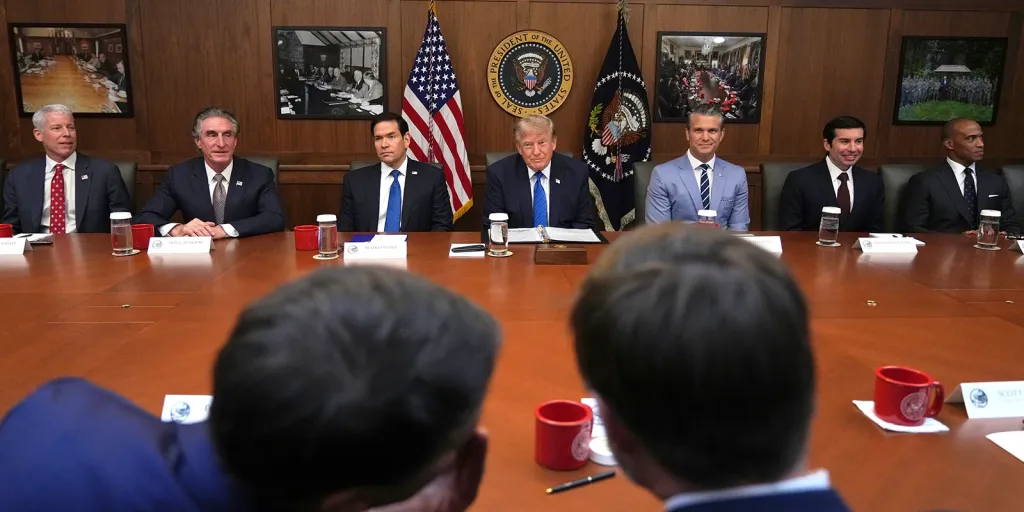
The discussions at Camp David revealed deep divisions within the President’s inner circle regarding the best path forward. Some national security hawks argue that the only way to resolve the conflict and stabilize markets is to double down on military pressure, forcing Tehran into a position of weakness. However, other members of the Cabinet have urged caution, pointing out that further military escalation will only drive oil prices higher and deepen domestic economic pain.
During the sessions, advisors discussed previous, highly sensitive options, including shelved military assault plans that were deemed too risky due to their potential to trigger a broader regional conflagration. The challenge now is to find a diplomatic formula that allows both sides to save face while restoring security to critical maritime trade routes.
Comparison of Strategic Pressures: War vs. Midterms
To understand the complex balancing act facing the administration, it is helpful to examine the competing pressures of foreign policy objectives and domestic political survival:
| Strategic Dimension | Key Geopolitical / Military Factors | Domestic Political & Economic Risks |
|---|---|---|
| Iran Conflict | Degrading hostile military capabilities, securing maritime chokepoints, countering regional proxy networks. | Rising federal war expenditures, threat of military overextension, voter fatigue over foreign engagements. |
| Energy & Markets | Disrupting adversaries’ oil revenues, managing international supply chain vulnerabilities. | Crude oil exceeding $100 per barrel, soaring domestic gasoline prices, accelerating consumer price inflation. |
| Electoral Politics | Maintaining a posture of international strength to project resolve on the global stage. | Imminent risk of losing House and Senate majorities in the November midterm elections. |
The Road Forward: Can Diplomatic De-escalation Succeed?
As the Camp David Cabinet meeting concluded, the administration faced a daunting reality. Military options appear to have reached a point of diminishing returns, while the domestic political calendar is rapidly advancing. The consensus among moderate advisors is that a diplomatic breakthrough is urgently needed to cool down energy markets and provide relief to American consumers before November.
However, the path to peace is blocked by a deeply entrenched, stalled Washington-Tehran diplomatic dialogue. Trust between the two nations is at an all-time low, and previous communication channels have been severely eroded by months of continuous military exchanges. For any negotiation to succeed, the administration will need to leverage international allies and neutral intermediaries to construct a viable framework for de-escalation.
Ultimately, the decisions made during this rare Maryland retreat will shape not only the final months of the current congressional term but also the broader trajectory of global security. Whether President Trump can successfully thread the needle—resolving a costly foreign war while simultaneously lowering gasoline prices at home—remains the defining challenge of his second term.