Airstrikes Paused in US-Iran Conflict as Mediators Step In 2026
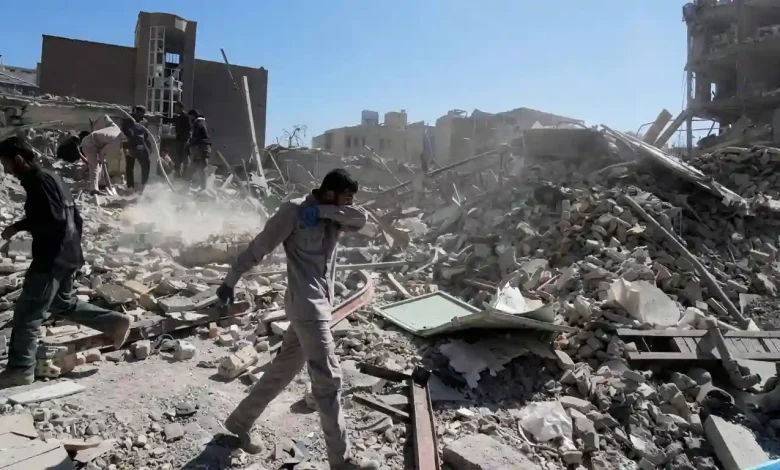
Table of Contents
Airstrikes on Iranian soil and regional targets have been brought to a sudden halt, marking a significant, albeit fragile, tactical pause in what has been an escalating geopolitical showdown. The United States military officially initiated a halt to its intensive bombing campaign on Friday, July 24, 2026, after two solid weeks of highly volatile military engagement. This momentary respite is aimed at providing negotiators and international diplomats with the necessary room to broker an interim resolution to the conflict. It came as a relief to global markets and regional observers, particularly after the intense period where airstrikes against Iran were paused as U.S. policy officials began to weigh the long-term feasibility of a protracted air campaign.
Origins of the Sudden Tactical Pause
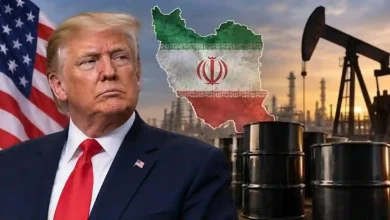
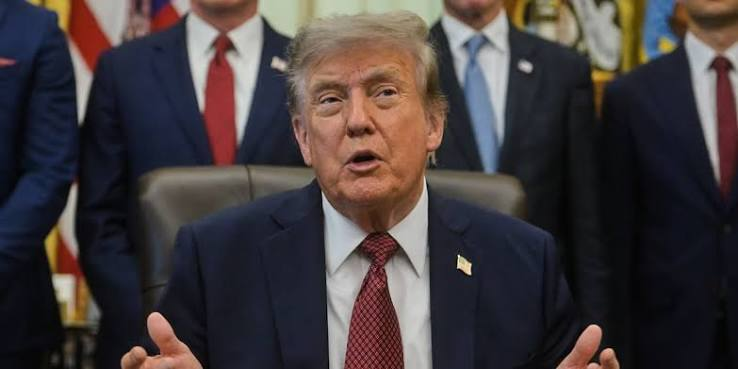
The origin of this sudden tactical pause dates back to strategic military and political considerations unfolding within the White House and the Pentagon. Following consecutive nights of heavy bombardment targeting command centers, radar systems, and logistics hubs within Iran, President Donald Trump instructed U.S. forces to hold fire on Friday. According to U.S. Ambassador to the United Nations Mike Waltz, the president wanted to give the peace talks ‘some space’ to determine if a viable agreement could be reached on the highly contested Strait of Hormuz. Iran, recognizing the pause, chose to reciprocate, temporarily halting its own retaliatory strikes against U.S. forward operating bases and regional partners across Jordan, Iraq, and Saudi Arabia. This represents the first real lull in fighting after the broader conflict escalated after the thirteenth night of continuous air strikes, which had originally pushed the Middle East to the precipice of an all-out regional war.
The Debate Over Munition Depletion and Target Scarcity
While the White House public relations narrative has focused heavily on giving diplomatic backchannels a window of opportunity, reports have emerged detailing a tense debate within the Pentagon regarding target scarcity and supply chain constraints. High-ranking U.S. military officials, including the Chairman of the Joint Chiefs of Staff, General Dan Caine, had reportedly cautioned President Trump that two weeks of sustained bombing had largely exhausted pre-selected targets within Iran. Furthermore, military planners expressed mounting concerns over the rapid depletion of critical air defense munitions and interceptor stockpiles, which are vital for protecting U.S. personnel and allies in the region. Although Ambassador Mike Waltz publicly dismissed claims of critical shortages, asserting that the military is ‘locked and loaded’ and possesses everything it needs, defense analysts suggest that technical realities and stockpile management played a decisive role in the timing of the U.S. decision.
The Role of China and Pakistan in Reviving Diplomacy
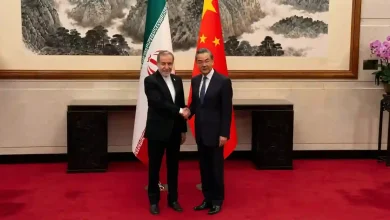
The diplomatic momentum that paved the way for this pause has been fueled by a highly active, China-led push to revive stalled diplomatic channels. Beijing has mobilized its diplomatic corps to prevent a total economic and political collapse in the Persian Gulf, a region vital to its energy security. Working in tandem with Islamabad, Chinese envoys have leveraged their strategic relationships with both Tehran and Washington to push for immediate de-escalation. Pakistani sources have confirmed that Islamabad is actively exploring viable logistical and political routes to restart formal talks between the warring parties. These concerted efforts by neutral regional mediators have led to hope that this temporary pause will test backchannel diplomacy, bringing a temporary respite to a highly destructive escalation cycle.
Bilateral Talks with Oman over the Strait of Hormuz
A critical focal point of current diplomatic progress centers on bilateral negotiations between Iran and the Sultanate of Oman. On Friday and Saturday, a high-level Omani delegation arrived in Tehran to engage in intensive technical and political discussions regarding the future of the Strait of Hormuz. The strategic waterway, which was considered an international passage prior to the conflict, has become the main flashpoint of the war due to Iranian claims of sovereign transit management. Iranian Foreign Ministry spokesperson Esmail Baghaei stated on Monday that these talks have yielded ‘significant progress’ as both coastal states work on an operational mechanism to restore normal maritime traffic while ensuring safety. However, this progress is occurring under a shadow, as the parallel U.S. naval blockade on commercial merchant vessels continues to cause severe friction, with multiple cargo ships redirected, boarded, or disabled by coalition naval assets.
Why Tehran Rejects Direct Negotiations with the United States
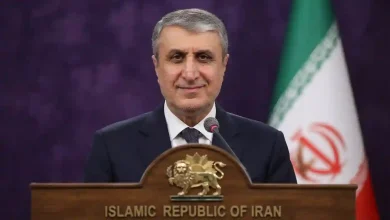
Despite positive signs in the Oman-led channel, Tehran remains vehemently opposed to resuming direct communication with Washington. During a daily press briefing on Monday, Esmail Baghaei explicitly stated that Iran ‘currently has no negotiations with the United States’. He stressed that the ongoing technical discussions in Tehran are strictly a bilateral matter between Iran and Oman as the dual littoral states of the Strait of Hormuz. This firm stance highlights the deep-seated mistrust in Tehran, which accuses the United States of chronic breaches of commitments and making excessive demands. Even though some regional intelligence suggests that indirect or direct dialogue between Washington and Tehran remains a critical subtext of the current calm, Iran’s public posture is designed to project a message of sovereignty and resistance, showing no signs of surrendering to direct American military pressure.
Regional Spillover: Weekend Escalation and Proxy Warfare
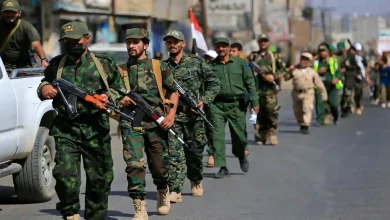
While the direct hostilities between the primary state actors have paused, the volatile regional landscape remains highly prone to sudden flare-ups due to proxy activity over the weekend. On Saturday evening, Tehran-backed Houthi forces struck critical oil installations along Saudi Arabia’s Red Sea coast. The Houthis announced that their blockade on Saudi ports would remain in effect in retaliation for what they described as Saudi military aggression against their logistical infrastructure. This escalation has severely impacted shipping traffic through the Bab el-Mandeb Strait, which had briefly served as an alternative maritime corridor while the Strait of Hormuz remained closed. With only 11 commodity ships transiting the Bab el-Mandeb on Sunday—the lowest traffic level in months—the risk of broader economic gridlock remains an imminent threat to global energy supply chains.
Ukrainian Strikes in the Caspian Sea and the Broader Conflict
Further complicating the geopolitical matrix, Ukraine has entered the regional arena by conducting highly targeted long-range military actions. Ukrainian President Volodymyr Zelenskyy confirmed over the weekend that Ukrainian forces had achieved ‘very strong results’ through drone strikes targeting vessels in the Caspian Sea. According to Kyiv’s intelligence reports, these operations targeted cargo ships suspected of bypassing international sanctions to transport military equipment and munitions between Iran and Russia. Tehran reacted with fierce condemnation, asserting that recent Ukrainian strikes in the Caspian Sea had targeted dual-use vessels and civilian crew, resulting in deaths. This development underlines the globalized nature of the current conflict, where battlefields in Eastern Europe and the Middle East have become increasingly interconnected.
Economic Shockwaves and Market Reaction
The commercial and economic ramifications of this brief respite have been felt immediately across global markets. Oil prices, which had breached the $100 per barrel mark last week due to escalating threats in the Gulf, experienced a sharp decline on Monday morning. Investors breathed a cautious sigh of relief, sending Brent crude down over 8% to just under $89 a barrel. Nevertheless, financial analysts warn that this stabilization may be short-lived. The ongoing closure of the Strait of Hormuz and the high-risk environment in the Bab el-Mandeb Strait continue to impose astronomical insurance premiums on maritime shipping. Central banks remain highly vigilant, as the severe economic impact of the war triggers supply chain disruptions, threatening to fuel core inflation and derail post-pandemic economic recovery across both Western and Asian markets.
| Actor / Mediator | Official Stance / Military Action | Key Objective | Primary Flashpoint |
|---|---|---|---|
| United States | Suspended airstrikes for the past three nights; naval blockade active. | Reopen the Strait of Hormuz, deter Iranian proxy attacks. | Strait of Hormuz, Bab el-Mandeb. |
| Iran | Suspended retaliatory strikes; engaging solely with Oman. | Maintain sovereignty over the Strait, secure lifting of U.S. blockade. | Territorial waters, Caspian Sea logistics. |
| Sultanate of Oman | Sent high-level diplomatic delegation to Tehran for bilateral talks. | Draft a technical mechanism for joint maritime traffic management. | Strait of Hormuz shipping lanes. |
| China & Pakistan | Led push to restart stalled communications and de-escalate. | Stabilize energy corridors and protect regional trade investments. | Regional stability, Pakistan transit routes. |
| Houthis (Yemen) | Traded heavy fire with Saudi forces, maintaining Red Sea blockade. | Disrupt shipping in retaliation for Saudi airstrikes on infrastructure. | Bab el-Mandeb Strait, Red Sea. |
| Ukraine | Executed successful long-range drone strikes in the Caspian Sea. | Interdict Iranian-Russian military cargo shipments and vessels. | Caspian Sea international waters. |
The Road Ahead: Complex Challenges Facing Negotiators
Despite the current pause in kinetic operations, the path toward a durable ceasefire remains fraught with profound structural challenges. Negotiators are operating in an environment characterized by extreme strategic mistrust, with both the U.S. and Iran maintaining peak combat readiness in the region. The core disputes—ranging from the legal status of the Strait of Hormuz to the lifting of the U.S. naval blockade and the halting of regional proxy actions—cannot be resolved easily by temporary tactical pauses. Observers remain cautious, noting that while the silence of the skies over Tehran and Baghdad is a welcome development, the underlying geopolitical conflicts continue to burn just beneath the surface.