Iran-US Conflict 2026: Tehran Rejects US Talks as Strait of Hormuz Remains Closed
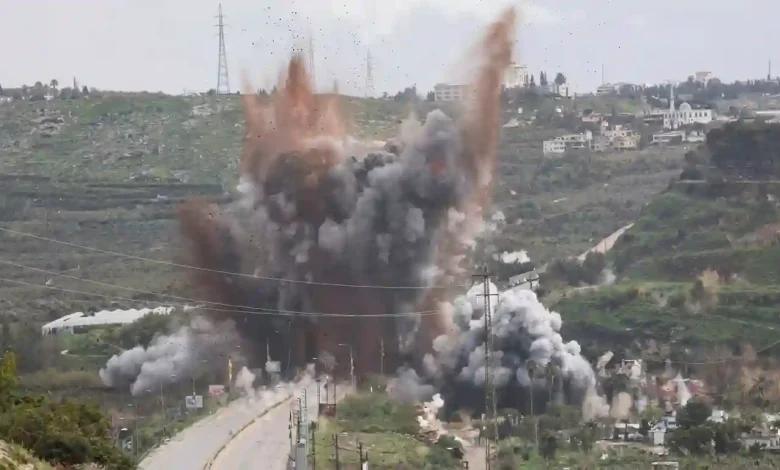
Table of Contents
Iran-US conflict dynamics took a dramatic turn on Monday, July 27, 2026, as both Washington and Tehran entered a highly tentative operational pause, prompting intense international speculation regarding backchannel negotiations. Despite growing hopes that a cessation of military strikes would lead to diplomatic breakthroughs, Tehran has forcefully rejected any claims that it initiated requests to resume direct talks with the United States. Concurrently, the strategic shipping lane of the Strait of Hormuz remains shut to international commercial shipping, heavily depressing global oil prices on Monday while regional tensions remain dangerously high. As the U.S.-Iran conflict escalates past its fifth consecutive month, the diplomatic standoff is testing the resolve of both administrations and keeping global markets on a razor-thin edge.
Introduction: The July 27 Standoff
The geopolitical landscape on Monday morning presented a rare, albeit anxious, quiet. Following weeks of relentless aerial campaigns, naval blockades, and high-stakes skirmishes in the Persian Gulf, the skies over Iran fell silent over the weekend. Both the United States military and the Islamic Revolutionary Guard Corps (IRGC) reported no new combat missions, raising speculation of a backdoor truce. However, any illusions of an imminent diplomatic resolution were quickly dispelled by official statements from Tehran, which emphasized that the cessation of strikes does not equate to political capitulation or an opening for immediate negotiations.
Tehran’s Stance: No Direct Talks with Washington
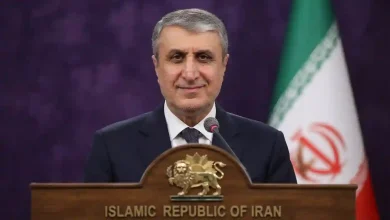
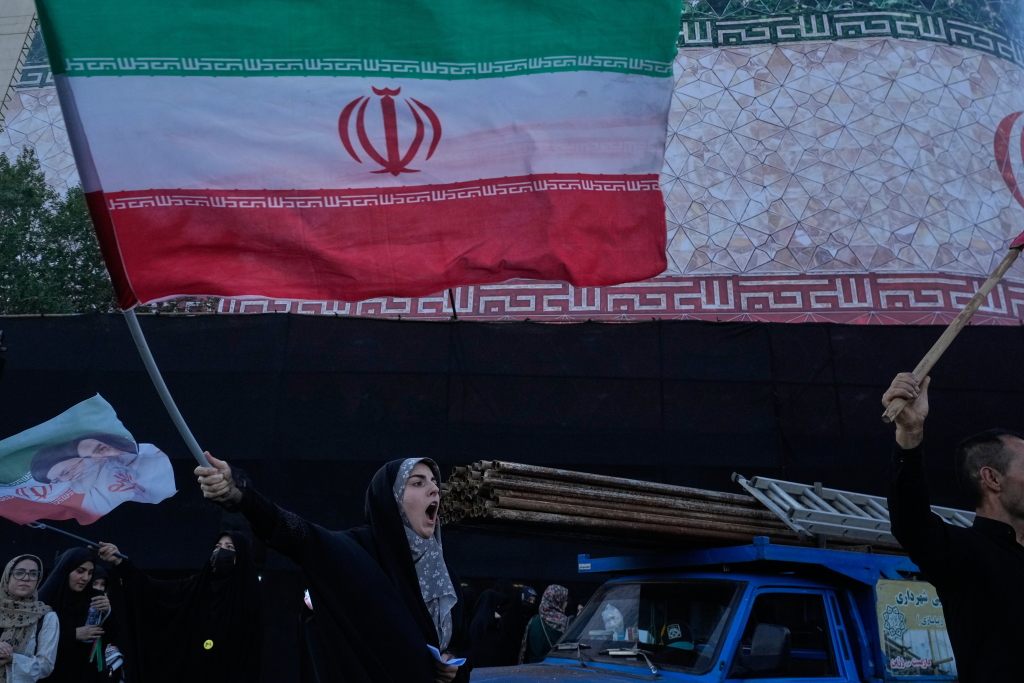
During a press briefing on Monday morning, Iranian Foreign Ministry spokesperson Esmaeil Baghaei addressed the rumors of impending direct talks between the hostile nations. Baghaei dismissed any suggestions that Tehran had made overtures to Washington for a diplomatic off-ramp, declaring, “We have not asked for the resumption of talks with the United States. It’s not in our DNA”. This uncompromising rhetoric underscores the deep mistrust that persists between the two governments, especially after a previous truce collapsed dramatically in early July, pushing both sides back into an active combat posture. According to state-aligned commentators in Tehran, the regime views any concession under the pressure of U.S. airstrikes as a strategic defeat, prompting them to maintain a highly defiant public posture.
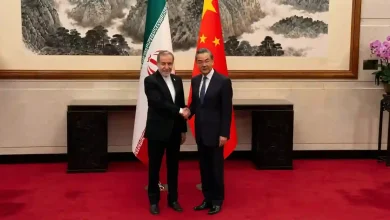
While direct negotiations remain frozen, Baghaei acknowledged that regional intermediaries continue to shuttle messages back and forth. Neutral capitals like Islamabad, Doha, and Muscat remain highly active in trying to construct a sustainable framework for de-escalation. However, the Iranian spokesperson clarified that these efforts are strictly focused on clarifying red lines rather than establishing a formal negotiation table. The Islamic Republic has insisted that it will not let the United States dictate the duration, terms, or timing of the conflict, framing Washington’s military campaign as a strategic failure that has only succeeded in isolating Western economic interests in the region.
The Logistics of the Operational Pause: Why the Strikes Halted
The current lull in hostilities represents the third consecutive night of quiet in the region, bringing a sudden, unexpected stop to a massive bombing campaign. Before this weekend, the United States had pounded Iranian coastal positions, radar installations, and command-and-control centers for thirteen straight nights. Analysts believe this temporary pause in airstrikes was motivated less by diplomatic progress and more by real operational constraints facing the Pentagon. Reports surfaced over the weekend that senior military advisors, including Admiral Bradley Cooper, the top U.S. military commander in the region, warned President Donald Trump that the campaign had reached the absolute limits of its effectiveness.
With U.S. military stockpiles of high-end precision-guided munitions (PGMs) running lower and the list of viable, non-escalatory targets in Iran nearly exhausted, military leaders advised the White House that continuing the daily bombings would yield diminishing returns. Consequently, with Trump weighing next steps, the decision was made to halt the airstrikes temporarily to assess the regional landscape. On Sunday, U.S. Ambassador to the United Nations Mike Waltz told national broadcasters that the administration was “giving talks some space,” though he emphasized that American forces remain “locked and loaded” and fully prepared to resume strikes should Tehran or its regional proxies resume hostile operations against U.S. assets or allies.
The Strait of Hormuz Stalemate: Key Chokepoint Remains Closed
Crucial to the ongoing standoff is the maritime blockade of the Strait of Hormuz, which has been severely disrupted since the war’s initial outbreak in early 2026. Iranian Foreign Ministry spokesperson Baghaei confirmed on Monday that despite recent bilateral discussions with Omani officials, the critical waterway remains closed to all non-authorized international commercial traffic. The IRGC Navy continues to enforce a strict regime along the transit route, warning that any attempt by Western shipping lines to navigate the strait without prior Iranian authorization will face immediate interception or military retaliation.
This blockade has triggered a highly confrontational environment in the Persian Gulf, where the U.S. naval blockade has sought to choke off Iran’s oil exports while attempting to establish safe convoy corridors for allied merchant vessels. According to maritime intelligence briefs, overall commercial transits through the strait have plummeted by nearly 90% compared to pre-war levels, forcing global shipping giants to permanently reroute container ships and oil tankers around the Cape of Good Hope. While Tehran described its weekend discussions with Oman regarding waterway management as “positive,” it reiterated that these talks are strictly bilateral and do not indicate a willingness to negotiate navigation rights with the United States or Israel.
Market Reaction: Oil Prices Tumble Amid Combat Pause
For global energy markets, the current pause in fighting provided a sigh of relief on Monday, leading to a sharp drop in oil prices. Brent crude futures, which had recently surged past the $100 per barrel mark due to supply anxiety and the threat of active hostilities in the Red Sea, tumbled by up to 7.4% to trade below $90 per barrel. Financial markets responded favorably to the decreased risk of immediate infrastructure damage to regional oil facilities. However, energy analysts warn that with global economic stability threatened by ongoing shipping delays, prolonged closures of key maritime routes, and sky-high insurance premiums, this dip in oil prices might be short-lived.
Wider Middle East Developments: Drone Interceptions and European Warnings
Beyond the central Washington-Tehran dynamic, several highly volatile incidents occurred across the wider Middle East on Monday, July 27, illustrating how easily the conflict could spiral out of control. Jordan’s armed forces reported that they intercepted and downed two unidentified surveillance drones over their northern border early Monday morning, though no casualties or material damage were reported. At the same time, Tehran issued a stern warning to Bulgaria over the deployment of a U.S. Air Force refueling aircraft at a local Bulgarian military base, declaring that Sofia risks becoming complicit in U.S. and Israeli airstrikes if it permits its territory to be used for logistical support.
Additionally, Iran issued a second warning to Ukraine over an alleged Saturday attack on an Iranian-linked merchant vessel in the Caspian Sea. This series of diplomatic and military warnings demonstrates that while CENTCOM’s multi-day campaign against Iran is temporarily on hold, both sides are prepared to expand the conflict’s geographical borders. The IRGC has warned that any attack on its domestic infrastructure will be met with immediate strikes on energy and electrical facilities across the Middle East, effectively holding the region’s energy infrastructure hostage.
Strategic Assessment and Future Scenarios: A Fragile Respite
As both nations maintain their respective positions during this tense pause, the strategic outlook remains highly uncertain. The Washington-Tehran backchannel dialogue is currently functioning at its highest capacity since the war began, but the ideological and political gaps between the two adversaries remain vast. President Trump faces significant political pressure from domestic hawks and international allies—most notably Israeli Prime Minister Benjamin Netanyahu, who is scheduled to visit the White House on Tuesday—to resume a hardline military posture and deliver a decisive blow to the Iranian regime’s military capacity.
Ultimately, the July 27 operational pause is a fragile tactical window that could shatter at any moment. Without a formal, mutually agreed-upon diplomatic mechanism to permanently address the blockade of the Strait of Hormuz and the security of commercial shipping lanes, the Middle East remains a spark away from a wider, catastrophic regional war. While the pause in airstrikes has successfully brought down oil prices and temporarily silenced the guns, the lack of genuine diplomatic progress suggests that this lull is merely the calm before an even larger geopolitical storm.
Comparison Table of Key Developments
| Key Domain / Indicator | Status as of Monday, July 27, 2026 | Strategic Impact & Outlook |
|---|---|---|
| U.S. Airstrikes | Paused for the 3rd consecutive night | Pentagon assessing operational limits; conserving precision munitions. |
| Iranian Retaliation | Halted in response to U.S. pause | Tehran maintaining defensive posture, reserving retaliatory options. |
| Strait of Hormuz | Completely closed to non-authorized transit | 90% drop in traffic; shipping rerouted via Cape of Good Hope. |
| Bilateral Oman-Iran Talks | Completed over the weekend (Positive) | Focused purely on bilateral relations; no direct U.S. connection. |
| Brent Crude Oil Price | Slipped below $90/barrel (down up to 7.4%) | Temporary relief for markets; inflation fears remain long-term. |
| Backchannel Mediation | Active through Qatar, Oman, and Pakistan | Attempting to establish a stable cease-fire framework. |