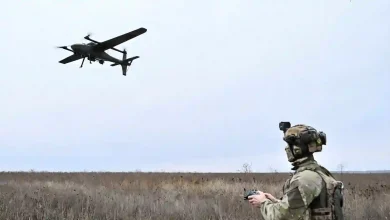
Tehran Reports Multiple Deaths in Six Nights of Intensive United States Strikes on Southern Iranian Infrastructure 2026
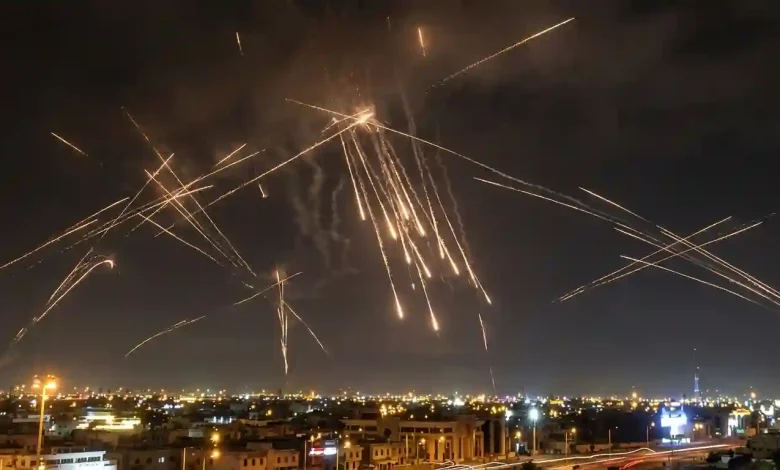
Table of Contents
Tehran—The Islamic Republic’s capital is experiencing a profound security crisis as the United States military conducted its sixth consecutive night of intensive air strikes targeting critical infrastructure across southern Iran. Local media outlets and state broadcasters immediately reported heavy explosions and widespread casualties starting around 18:00 GMT on Thursday, July 16, 2026. The localized devastation is concentrated in the critical transit and maritime zones of Qeshm Island, Bandar Abbas, Chabahar, Iranshahr, and Bandar-e Khamir. As the larger iran-us conflict escalates into an open regional war, the broadening of the target set to include civil logistical bottlenecks signals a dramatic, highly perilous shift in Washington’s strategic posture. Local sources from the Hormozgan University of Medical Sciences confirmed several deaths overnight, highlighting the steep human cost of the ongoing campaign.
Six Nights:The Strategic Targets of Night Six
The geographical distribution of the latest bombardment demonstrates a calculated effort by US Central Command (CENTCOM) to cut off southern Iran’s supply corridors and disable its naval capabilities. Operating under direct orders from President Donald Trump, fighter jets, unmanned aerial vehicles, and warships launched precision-guided munitions against a constellation of economic and logistical facilities.
The targeted municipalities represent the core of Iran’s access to the Persian Gulf and the Indian Ocean. Historically utilized as safe havens or commercial strongholds, these southern coastal regions are now on the frontlines of a high-intensity conflict. Under the Trump administration’s directive, the Pentagon has shifted away from targeting purely military installations to enforcing a strict iran naval blockade that strangles commercial maritime traffic in the region.
Six Nights: Detailed Breakdown of Targeted Infrastructure
The transition from attacking tactical air defenses to destroying foundational state infrastructure represents a new, aggressive phase in the confrontation. State agencies, including the Fars and Tasnim news networks, have detailed the extensive physical damage inflicted on transit and transportation nodes.
Six Nights: Iranshahr Airport and Regional Connectivity
In Sistan and Baluchestan Province, Iranshahr Airport was hit by multiple precision missiles. Local residents reported hearing at least three massive explosions that shattered nearby windows and left the airport’s primary runway unusable. As a major logistics and civilian transit point in southeastern Iran, the disabling of Iranshahr Airport limits the government’s ability to swiftly transport medical supplies and deploy security forces to the volatile border region. This operational shift indicates that US strategists are systematically attempting to isolate Iran’s southeastern provinces from the central authority in Tehran.
Bandar-e Khamir Bridges and Logistic Bottlenecks
Further west in Hormozgan Province, the strategic bridges of Bandar-e Khamir—specifically the Geryveh and Kahurestan bridges—were completely collapsed by US ordnance. These bridges serve as the primary land conduits linking the mega-port of Bandar Abbas to the city of Shiraz and the broader inland industrial networks. According to local healthcare officials, the strike on these structures resulted in at least seven fatalities and left several civilians injured. By severing these highway links, CENTCOM has successfully paralyzed the movement of commercial cargo and military convoys traveling north from the Persian Gulf.
Six Nights: Bandar Abbas and Chabahar Infrastructure
In the vital naval hub of Bandar Abbas, a communication tower was demolished, causing extensive power grid failures that plunged the city into darkness. Furthermore, the local railway junction station was damaged, wounding several transport workers. Concurrently, in the deep-water port city of Chabahar, the maritime control tower at Shahid Beheshti Port collapsed under missile fire, severely hindering port coordination. This sharp escalation represents a departure from earlier diplomatic tracks; even previous negotiations regarding the detained american dena karari had suggested that diplomatic channels were still viable.
Six Nights:Summary Table of Night Six Air Strikes
To illustrate the sheer scale and geographic breadth of the military operations carried out on July 16, 2026, the following data table details the specific targets hit and their confirmed immediate outcomes.
| Target Location | Infrastructure Targeted | Confirmed Impacts & Casualties | Strategic Significance |
|---|---|---|---|
| Bandar-e Khamir | Geryveh and Kahurestan Highway Bridges | 7 deaths, 9 injuries; total structural collapse | Severs main transit corridor from Bandar Abbas to Shiraz |
| Bandar Abbas | Railway Junction & Communications Tower | 2 injuries; localized power grid blackout | Disrupts industrial freight lines and regional command systems |
| Iranshahr | Iranshahr Airport runway and hangars | 3 massive explosions; runway rendered inoperable | Prevents rapid deployment and regional medical evacuations |
| Chabahar | Shahid Beheshti Maritime Control Tower | Tower collapsed; shipping traffic suspended | Blunts deep-water port logistics on the Gulf of Oman |
| Qeshm Island | Coastal air defense & surveillance sites | Radars destroyed; several casualties reported | Degrades defensive radar coverage over the Strait of Hormuz |
The Collapsing Diplomatic Framework
The rapid dissolution of the peace architecture has left regional observers on edge. This resembles other highly volatile theatres where pakistani security forces are actively engaged in combating border instability. The background of this escalation traces back to June 2026, when Washington and Tehran signed a temporary Memorandum of Understanding (MoU) brokered by Pakistan. The agreement was designed to sustain a fragile 60-day ceasefire and keep the Strait of Hormuz open to global oil tankers.
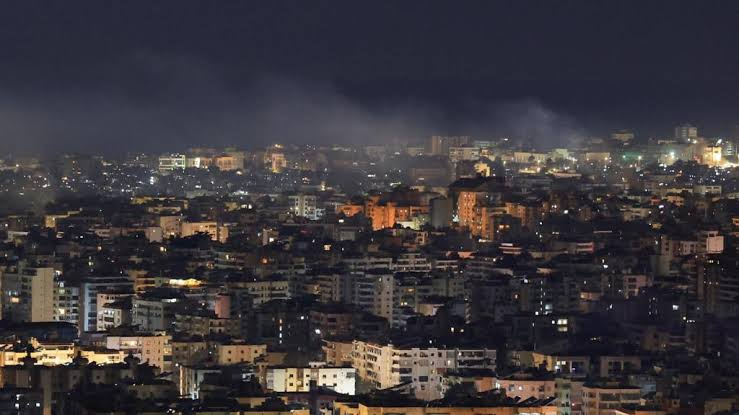
However, the MoU effectively disintegrated within weeks. The Trump administration accused Tehran of violating the non-aggression pact by continuing to sanction proxy drone strikes on Western commercial assets. White House Press Secretary Karoline Leavitt defended the military operations, asserting that the US was forced to react because Iran made the “tragic decision” to target international shipping despite their diplomatic signatures. Conversely, Tehran claims that US and Israeli operations never truly ceased, characterizing the renewed strikes as a premeditated invasion strategy.
Iranian Retaliation and Regional Escalation
The wider impact of these regional maneuvers has been aggravated by unilateral US decisions, such as aggressive trade policy adjustments and economic embargoes, pushing Iran to leverage its asymmetrical capabilities. In response to the devastating strikes in southern Iran, the Islamic Revolutionary Guard Corps (IRGC) retaliated on Friday morning by launching waves of surface-to-surface missiles and explosive drones at US-aligned installations across the Middle East.
According to statements from the Iranian armed forces, regional strikes targeted a US Special Operations command center in al-Tanf, Syria, as well as joint logistics facilities in Bahrain, Jordan, and Kuwait. In Kuwait, local military officials reported that Iranian-made drones struck critical desalination and power plants, raising concerns over water security. Meanwhile, Jordan’s air defenses were active as they intercepted several incoming threats directed at bases hosting Western fighter squadrons. State spokesperson Mohammad Akraminia warned that Iranian operations “will spread to new areas” if Washington continues its aggressive aerial campaign.
The Maritime Dimension and Port Blockade
The maritime confrontation has brought commercial shipping in the Persian Gulf to a near-complete standstill. As part of its offensive escalation, the US Navy, operating under CENTCOM’s regional command, has began enforcing a rigid maritime exclusion zone around all major Iranian ports.
The political theater inside Washington also plays a heavy hand, as military decisions align with shifting domestic powers, similar to when figures like roger rogoff were swiftly replaced to streamline policy execution. In the Gulf of Oman, US warships intercepted three commercial vessels attempting to run the blockade. According to military releases, boarding teams disabled one non-compliant container vessel and seized another to prevent the offloading of sanctioned materials. This aggressive interdiction has sent oil prices surging to multi-week highs and forced major international airlines to cancel flights over the airspace of the Persian Gulf.
International Reactions and Humanitarian Concerns
With the Houthis and the IRGC deploying sophisticated drones across Gulf waters, the threat is reminiscent of high-security alerts where drones seized near critical civilian zones triggered international concern. Global powers have watched the rapid escalation with mounting dread. During a bilateral meeting in Shanghai, the foreign ministers of China and Pakistan jointly issued an urgent appeal for both the United States and Iran to cease hostilities immediately and return to the negotiating table.
Humanitarian organizations have also sounded the alarm over the targeting of dual-use infrastructure. Legal scholars in the United States and Europe have pointed out that under the 1949 Geneva Conventions, strikes on transportation hubs, bridges, and power grids essential for civilian survival can be classified as war crimes if they cause disproportionate harm to the population. The forced evacuation of a children’s cancer hospital in Ahvaz earlier in the week, following nearby detonations, remains a point of bitter international debate, with Iran labeling the incident a “barbaric” violation of basic human rights.
Conclusion: A Dangerous New Phase in West Asia
As the war intensifies, diplomatic efforts have stalled, especially with regional actors remaining recalcitrant, particularly after the hezbollah leader naim qassem formally rejected US-backed ceasefires. The expansion of US strikes into southern Iran’s civil infrastructure represents an existential escalation for the Iranian state. By targeting the bridges of Bandar-e Khamir, the transit systems of Bandar Abbas, and the deep-water logistical nodes of Chabahar, Washington has made it clear that its objective is not just tactical containment, but the total economic and logistical isolation of Iran. With both sides deeply entrenched and refusing to yield, the threat of a full-scale regional war that permanently shuts down the world’s most vital energy corridors is closer to reality than ever before.