Drones Seized by FBI Near FIFA World Cup Sites Top 600
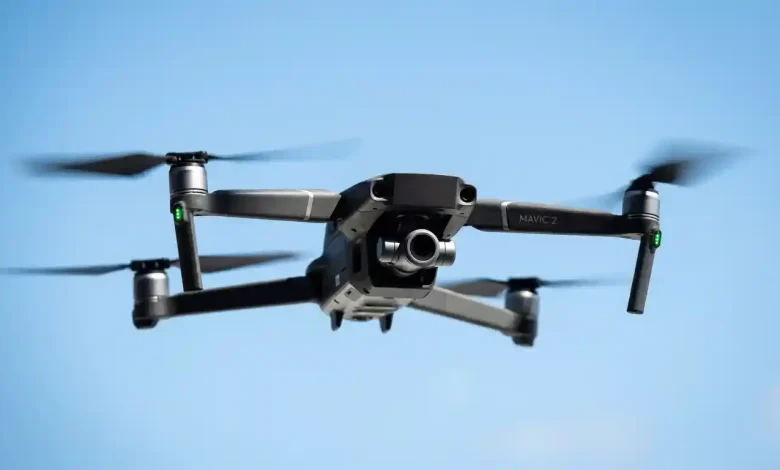
Table of Contents
Drones have quickly become one of the most pressing security challenges of the 2026 FIFA World Cup, forcing federal authorities to execute an unprecedented defensive campaign across North America. Since the tournament kicked off on June 11, 2026, the Federal Bureau of Investigation (FBI), alongside various federal, state, and local partners, has been locked in a high-stakes effort to police the skies. The scale of the threat has become shockingly clear: as of July 2026, the FBI has officially seized more than 600 unauthorized unmanned aerial vehicles (UAVs) operating in the immediate vicinity of World Cup stadiums, training facilities, and associated “fan fest” events. This massive surge in aerial incursions has prompted a rapid, multi-agency response, as law enforcement seeks to maintain absolute safety for millions of spectators, athletes, and staff members gathered in host cities across the United States.
The sudden proliferation of amateur and commercial drones near these highly sensitive sites underscores a growing vulnerability in modern event security. While many of these flights are initiated by harmless hobbyists attempting to capture spectacular aerial footage of the matches, the potential for catastrophic accidents, mechanical failures, or deliberate, malicious attacks remains a top priority for defense coordinators. The sheer volume of matches—featuring 48 national teams playing across multiple venues—creates an extensive security perimeter that must be monitored 24/7. Consequently, the sky has become a primary battleground for security officials determined to prevent any disruption to the historic tournament.
- Introduction: The Aerial Threat at the 2026 World Cup
- Unprecedented Scale of the FBI’s Counter-Drone Operations
- Legal Consequences: Seizures, Fines, and FAA Regulations
- Regional Highlights: Atlanta, Dallas, and Los Angeles
- Comparison of Aerial Security Incidents Across Major Host Cities
- Technology Behind Counter-Drone Interception
- The Global Geopolitical Context and Broadened Security Landscapes
- What Drone Operators Need to Know to Avoid Penalties
- Conclusion: Ensuring a Safe Global Tournament
Introduction: The Aerial Threat at the 2026 World Cup
Securing the skies above an international sporting event is an incredibly complex logistical challenge, particularly given the rapid evolution of consumer technology over the past decade. Drones are now cheaper, more accessible, and equipped with higher-resolution cameras than ever before, making them highly attractive to both amateur videographers and bad actors. Unfortunately, their presence over crowded arenas poses a severe physical hazard. A drone suffering a battery failure or signal loss can plunge into a tightly packed crowd with lethal force, while the possibility of modified devices carrying payloads remains a constant concern for federal security agencies.
Since June 11, the FBI has taken a proactive stance, deploying specialized counter-drone units across all 11 U.S. host cities. These units are tasked with detecting unauthorized flights, locating the operators, and neutralising any threats before they can disrupt the matches. The ongoing operations are designed to reassure fans and players alike that their safety is paramount, both on the ground and in the air.
Unprecedented Scale of the FBI’s Counter-Drone Operations
The sheer volume of drone interceptions has caught many aviation analysts by surprise, highlighting the massive popularity of consumer UAVs and the challenges of managing them during large-scale public gatherings. According to official disclosures from the FBI, the aerial security landscape has escalated at an alarming rate over the last several weeks.
The Double-In-Two-Weeks Surge
What makes the current situation particularly striking is the rate of acceleration. The total number of seized drones nationwide has doubled in less than two weeks, signaling a massive uptick in unauthorized flights as the tournament progresses into its high-stakes knockout stages. This exponential growth is indicative of both increased public interest in the games and a general disregard—or ignorance—of federal aviation regulations. In the early days of the tournament, drone sightings were relatively sporadic, but as crowds swelled and the international spotlight intensified, the skies above host cities became increasingly crowded. The rapid doubling of confiscations suggests that despite repeated warnings and public service announcements, hundreds of operators continue to launch their devices into highly restricted zones.
Multi-Agency Coordination: FBI, DHS, and FAA
To combat this persistent aerial threat, the FBI is leading a highly integrated counter-drone coalition. This effort is not a solitary endeavor; it relies heavily on the combined capabilities of the Department of Homeland Security (DHS), the Federal Aviation Administration (FAA), and accredited tactical operators from local and state law enforcement agencies around the country. By utilizing advanced radio-frequency detection, radar tracking, and specialized electronic warfare countermeasures, this joint task force is capable of identifying, tracking, and neutralizing unauthorized drones within seconds of takeoff.
These agencies have established Joint Operations Centers (JOCs) in each of the U.S. host cities, ensuring that real-time intelligence is shared instantly between ground personnel and aerial surveillance units. The coordination represents one of the largest domestic security deployments in American history, reflecting the gravity of the potential risks involved. In an era where commercial aerospace is reaching new boundaries—and where companies like SpaceX are breaking barriers, such as when SpaceX shatters records with back-to-back Falcon launches—the necessity for rigorous low-altitude airspace management has never been more urgent.
Legal Consequences: Seizures, Fines, and FAA Regulations
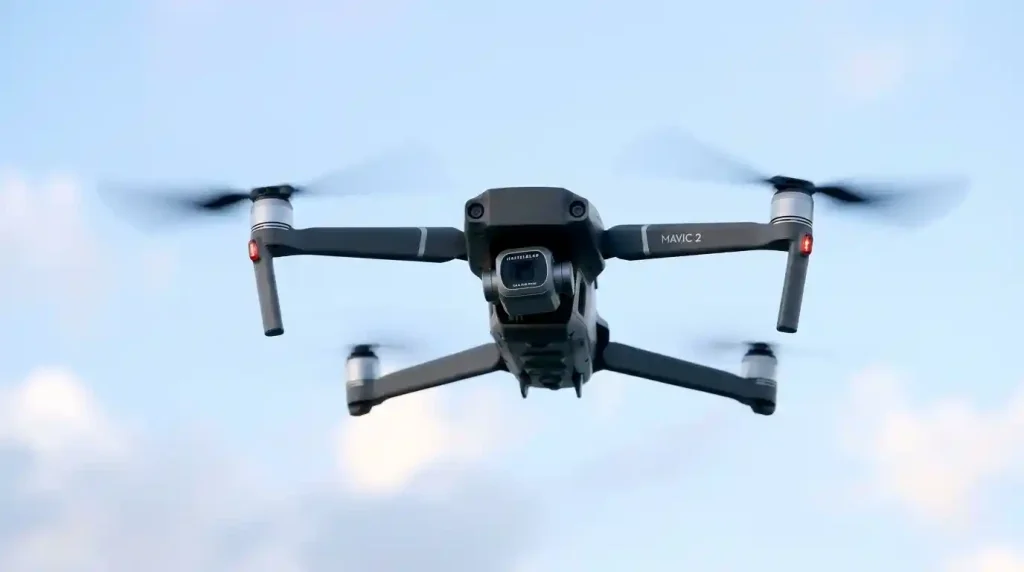
Operating a drone near a major sporting event is not merely a minor nuisance; it is a serious violation of federal law that carries heavy administrative, financial, and criminal penalties. The FAA, which holds sole authority over the regulation of United States airspace, has worked hand-in-hand with law enforcement to establish clear, enforceable boundaries around all World Cup venues.
Understanding Temporary Flight Restrictions (TFRs)
At the heart of the legal framework governing these airspace enforcement actions are Temporary Flight Restrictions (TFRs). The FAA routinely issues TFRs for major sporting events, National Security Special Events (NSSEs), and high-profile public gatherings. For the 2026 FIFA World Cup, the FAA has established strict “No Drone Zones” that typically extend in a multi-mile radius around stadiums and fan zones, from several hours before kickoff until several hours after the final whistle. These restrictions apply to all pilots, including recreational operators and commercial flyers, unless they have received explicit, written authorization and a waiver from the FAA. Drone owners are legally responsible for checking active TFRs via official aviation portals or specialized applications before launching any unmanned aircraft. Ignorance of these restrictions is not considered a valid legal defense.
Penalties for Non-Compliance
For those who choose to ignore or bypass these TFRs, the consequences are swift and severe. The vast majority of the 600+ violations recorded since June 11 have resulted in immediate ticketed citations and the physical seizure of the offending drone. Once a drone is seized by federal authorities, reclaiming the device is an incredibly arduous and often unsuccessful legal process.
Beyond the loss of expensive equipment, violators face substantial civil penalties. The FAA has the authority to issue fines reaching up to tens of thousands of dollars per violation for unauthorized drone flights in restricted areas. Furthermore, if an operator’s flight is deemed to have endangered public safety or interfered with emergency services, criminal charges can be filed. Under federal statutes, knowingly violating a TFR can lead to felony charges, carrying penalties of up to one year in federal prison and additional criminal fines.
Regional Highlights: Atlanta, Dallas, and Los Angeles
While the drone problem is nationwide, certain metropolitan areas have emerged as major hotspots for unauthorized aerial activity. The density of these cities, combined with the layout of their stadiums, has made airspace management particularly challenging.
Severe Host City Case Studies
In Atlanta, Georgia, the FBI and local police have faced an uphill battle around Mercedes-Benz Stadium and Centennial Olympic Park. Authorities in Atlanta recently confirmed the seizure of dozens of drones caught flying near active World Cup events, citing a mix of commercial videographers and oblivious tourists. Similarly, in the Dallas-Fort Worth metroplex, the FBI’s Dallas Field Office reported the seizure of 39 drones over Dallas Stadium and Fair Park in a relatively short timeframe, emphasizing a “zero tolerance” policy for airspace violations.
On the West Coast, Los Angeles has proven to be another highly active sector. The skies surrounding SoFi Stadium and the historic Los Angeles Memorial Coliseum have seen dozens of illegal drone flights intercepted. Local field offices have deployed highly sensitive detection grids to scan the airspace, allowing tactical teams to locate drone operators on the ground within minutes of their devices taking flight. These regional enforcement actions demonstrate the nationwide scale of the challenge and highlight the incredible pressure placed on local field offices to secure their respective airspaces.
Comparison of Aerial Security Incidents Across Major Host Cities
To provide a clearer picture of how these drone incursions and subsequent law enforcement actions are distributed, the following table details key metrics from three of the most heavily impacted U.S. host cities during the first few weeks of the tournament:
| Host City Venue | Key Stadium / Area Covered | Reported Seizures (June 11–July 4) | Primary Operator Demographics | Primary Countermeasure Deployed |
|---|---|---|---|---|
| Atlanta Metro | Mercedes-Benz Stadium & Fan Fests | 76+ Drones | Hobbyists & Media Outlaws | RF Jamming & Ground Intercept |
| Dallas-Fort Worth | Dallas Stadium & Fair Park | 39+ Drones | Recreational Flyers | Aeroscope Tracking & Citations |
| Los Angeles Basin | SoFi Stadium & LA Coliseum | 28+ Drones | Social Media Content Creators | Signal Interruption & Device Confiscation |
| Other US Host Cities | Remaining 8 Host Venues | 450+ Drones | Mixed (Local & International Fans) | Integrated Tactical Grid Controls |
Technology Behind Counter-Drone Interception
Interacting with and disabling unauthorized aircraft in a crowded metropolitan area requires highly sophisticated, non-destructive technology. Law enforcement cannot simply shoot down drones with conventional firearms, as falling debris and stray bullets would pose an extreme hazard to the thousands of spectators packed into the stadiums below.
Detection, Tracking, and Neutralization
Instead, the FBI and its partners utilize state-of-the-art electronic warfare and radio-frequency (RF) detection systems. These systems monitor the local spectrum for the unique signals transmitted between a drone and its handheld controller. Once a signal is detected, the technology can immediately triangulate the exact GPS coordinates of both the drone and the operator standing on the ground. This allows local police officers to rapidly deploy to the operator’s location, issue citations, and seize the control equipment.
In cases where a drone poses an immediate physical threat or is flying directly over a crowded stadium, authorized federal operators can employ targeted RF jamming. This technology safely disrupts the connection between the pilot and the UAV, triggering the drone’s built-in safety protocols, which typically force it to hover in place, return to its launch point, or perform a controlled vertical landing where it can be safely secured. These advanced electronic grids require massive bandwidth and low-latency communication networks to function seamlessly. Just as high-performance satellite communications are revolutionizing modern connectivity—illustrated by how Starlink transforms in-flight wifi with multi-gigabit speeds—the telemetry and sensor networks used in these counter-UAS operations rely on cutting-edge data distribution to maintain situational awareness.
The Global Geopolitical Context and Broadened Security Landscapes
The heightened vigilance of the FBI and DHS must also be understood within the broader context of global security. The 2026 FIFA World Cup is taking place during a period of significant international friction. With various geopolitical flashpoints active around the globe, domestic security agencies are operating under a heightened state of alert. Concerns regarding potential asymmetrical threats, state-sponsored disruption, or localized acts of terror have forced organizers to prepare for every conceivable scenario.
The memory of past security threats and the rapid evolution of drone technology as a weapon in modern conflicts have made the defensive perimeter around the World Cup tighter than ever. Whether dealing with international cyber threats, regional naval blockades—reminiscent of the ongoing blockade strategy and Hormuz standoff—or low-altitude UAV incursions, the mandate for American law enforcement is clear: absolute containment of potential hazards. The zero-tolerance drone policy is a direct reflection of this defensive posture, ensuring that no potential vector of attack or disruption is left unaddressed.
What Drone Operators Need to Know to Avoid Penalties
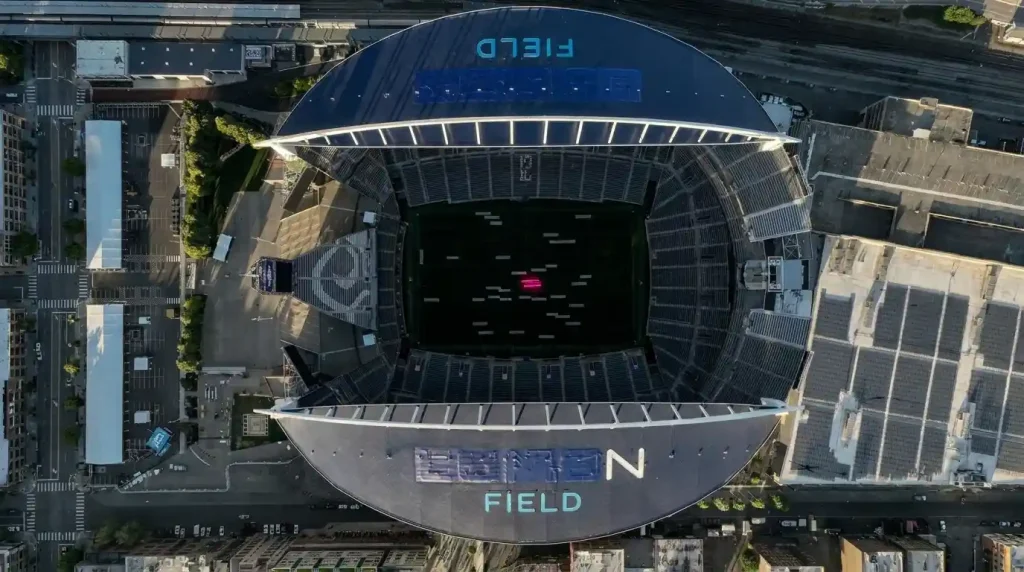
For drone enthusiasts, the message from federal authorities is clear: leave your equipment at home when attending or traveling near World Cup events. To help pilots navigate these turbulent skies and avoid costly fines or equipment loss, aviation experts recommend adhering to the following guidelines:
- Check for Active TFRs: Before powering on your drone, consult official FAA resources, such as the B4UFLY mobile application or the FAA’s official website, to confirm that you are not operating within a temporary flight restriction zone.
- Respect Stadium Perimeters: As a general rule of thumb, assume that any stadium hosting a major sporting event has an active, multi-mile flight restriction in place on game days.
- Understand the Law: Under federal law, operating a drone in a restricted airspace without explicit FAA authorization can result in immediate seizure, thousands of dollars in civil fines, and potential criminal prosecution.
- Prioritize Public Safety: Never fly a drone over crowds, open-air assemblies, or heavily congested transit corridors, as a mechanical failure could result in severe injuries to individuals on the ground.
Conclusion: Ensuring a Safe Global Tournament
Ultimately, the FBI’s aggressive stance on drone enforcement is designed to protect the integrity of the 2026 FIFA World Cup and ensure a safe, celebratory environment for fans from around the world. As the tournament continues to captivate global audiences, the skies above the host cities will remain under strict, watchful eyes. The seizure of over 600 drones serves as a stark reminder of the challenges inherent in securing modern mass gatherings, but it also highlights the efficacy and readiness of the multi-agency security apparatus. By remaining vigilant and enforcing strict airspace compliance, federal and local authorities are successfully keeping the focus where it belongs: on the beautiful game.