Airstrikes against Iran 2026: Sixth Night of US Attacks Widens War
Table of Contents
Airstrikes against Iran reached a critical inflection point on Thursday night as United States Central Command (CENTCOM) completed its sixth consecutive night of high-intensity bombardment. The latest wave of attacks, which concluded at 9:40 p.m. ET, signals a rapid expansion of the conflict from localized maritime skirmishes to a broader campaign aimed at degrading Iran’s strategic domestic infrastructure. While previous US operations were primarily restricted to coastal installations, recent missions have reached deep inside Iranian territory, raising concerns about an uncontrolled regional war.
The intensifying conflict has triggered massive retaliatory responses from Tehran, which has widened its scope of target acquisition. United States allies and assets in Qatar, Kuwait, and Jordan have come under heavy Iranian missile and drone fire. Furthermore, the Islamic Revolutionary Guard Corps (IRGC) has claimed direct strikes against American military facilities in Bahrain and Syria. This regional conflagration represents the most significant escalation of force in the Middle East since diplomatic relations and bilateral security negotiations between Washington and Tehran collapsed earlier this year.
The Strategic Shift: Sixth Night of Military Action
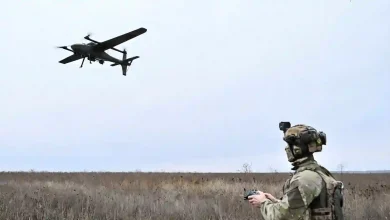
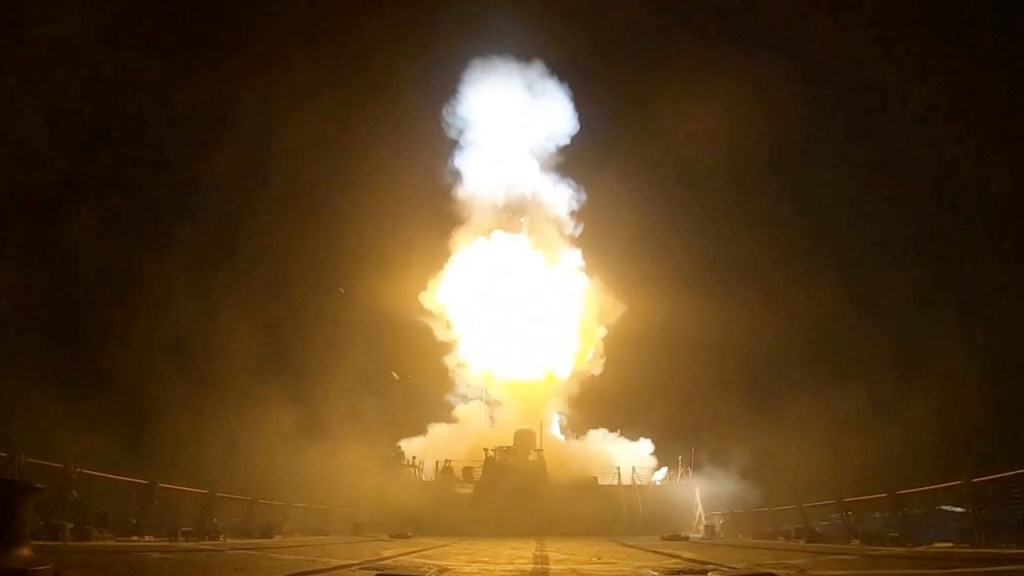
According to official releases from CENTCOM, Thursday night’s offensive involved a synchronized deployment of fighter jets, warships, and long-range aerial drones launching precision-guided munitions. The objective of this sustained campaign is to systematically dismantle Iran’s kinetic threat capabilities, specifically targeting air defense sites, command centers, and coastal surveillance networks. This aggressive military posture represents a direct response to repeated Iranian attacks on commercial shipping lanes in the strategic Strait of Hormuz.
The current situation traces its immediate roots to previous diplomatic breakdowns, particularly when US warnings to Tehran regarding negotiating targets went unheeded during preliminary security talks. With diplomatic avenues closed, the White House has authorized a significant expansion of target lists, shifting from retaliatory strikes to a systematic air campaign aimed at neutralizing Iranian logistics networks. The geographical depth of Thursday’s strikes suggests that the Pentagon is no longer confining its operations to the Persian Gulf littoral zones but is active across multiple landward provinces.
Command Centers and Critical Infrastructure Struck
The scale of Thursday’s strikes is reflected in the diversity and location of the targets hit. Iranian state media and independent intelligence assessments confirmed that the strikes have increasingly targeted logistical bottlenecks, including key transport links and maritime access facilities. In southern Iran, critical bridges, airport runways, and port storage facilities were heavily damaged or destroyed.
To summarize the core kinetic engagements and reported damage from the July 16–17 wave of operations, the following table details the primary target zones:
| Target Location / Facility | Type of Infrastructure | Reported Tactical Impact | Geopolitical Severity |
|---|---|---|---|
| Bandar-e Khamir Bridge | Land Logistics Link | Bridge collapsed; 7 killed, 9 wounded | Severely disrupts movement between Bandar Abbas and western provinces. |
| Iranshahr Airport | Aviation Facility | Runway and hangar damage; 3 explosions | Limits southern logistical air transport for IRGC. |
| Bandar Abbas Railway | Rail Transport Node | Shunting yard and power lines damaged | Chokes bulk cargo transport out of major southern port. |
| Chabahar Port Tower | Maritime Control | Structural collapse of tower facility | Degrades radar and trade control on Gulf of Oman. |
Tehran’s Multi-Front Response: Proxies and Regional Bases
In response to the sixth consecutive night of American strikes, the IRGC has mobilized its regional networks and deployed its advanced ballistic missile and drone arsenals. Tehran has made it clear that any state hosting American military assets or facilitating the US blockade will be treated as an active combatant. Consequently, neighboring Gulf countries and regional security partners are facing unprecedented security crises as Iranian projectiles breach sovereign airspace.
As a crucial economic countermeasure, Washington had already taken steps toward enforcing strict shipping controls, including the US reimposing port bans on Iranian vessels. In retaliation, the IRGC has attempted to enforce a counter-blockade, utilizing fast-attack craft and anti-ship cruise missiles to target commercial traffic. The resulting security vacuum has transformed the regional waterways into active combat zones, threatening the fragile peace that previously governed Gulf maritime operations.
Missile Attacks on US Bases and Regional Allies
Reports from across the Middle East confirm that Qatar, Kuwait, and Jordan have encountered severe air-defense challenges. In Qatar, defense forces intercepted multiple incoming Iranian missiles over the capital, with falling shrapnel injuring a young child. Meanwhile, the IRGC claimed responsibility for a targeted strike on Kuwait’s Ali Al Salem Air Base, alleging the destruction of a C-RAM early warning radar system and several logistical structures used by US personnel.
Jordanian air defenses were also active, intercepting several missiles traversing its western airspace toward Southern Israel and US installations. The government in Amman warned that unauthorized incursions into its airspace would be met with swift defensive action, though the sheer volume of Iranian munitions presents a formidable challenge to regional air defense networks. Direct fire has also been reported against US outposts in Syria, indicating that Tehran is coordinating a multi-directional regional assault to dilute US defensive capabilities.
The Diplomatic Void: How the MoU Collapsed
The rapid descent into open conflict follows the complete collapse of the interim Memorandum of Understanding (MoU) that had previously maintained a tense truce between the two nations. Efforts to salvage negotiations stalled indefinitely when hardline factions on both sides refused to compromise on maritime navigation rights and nuclear verification protocols. The subsequent collapse of these high-stakes diplomatic talks removed the structural guardrails that had prevented direct military engagements for over a year.
This unilateral military approach has also caused friction globally, mirroring the intense debates during recent multilateral summits where Western leaders debated the merits of pre-emptive strikes. While some international partners have expressed strong solidarity with the US efforts to guarantee freedom of navigation, others have expressed deep concern over the lack of a coordinated diplomatic exit strategy, warning that the campaign could lead to an irreversible regional breakdown.
The current escalations stand in stark contrast to previous moments of cooperation, such as the diplomatic breakthrough that led to the release of detained Americans in Tehran, which temporarily eased hostilities. With diplomatic channels now almost entirely severed, third-party intermediaries, including Switzerland and Oman, are struggling to establish communication links to prevent unintended tactical escalations from transforming into a broader strategic disaster.
Maritime Chokeholds: Strait of Hormuz and Global Oil Markets
The economic ramifications of this localized war are being felt instantaneously across global energy markets. Following the sixth night of US strikes, global oil benchmarks reacted sharply. Brent crude prices surged toward $85 per barrel as energy traders factored in the growing likelihood of a prolonged closure of the Strait of Hormuz, through which roughly a fifth of the world’s petroleum passes.
The threat is not limited to market speculation; Iran has reportedly requested its regional allies, including the Houthis in Yemen, to prepare for a total blockade of the Red Sea shipping corridors if the US continues to target Iranian critical energy and power infrastructure. Maritime insurance rates for commercial tankers transiting the Gulf of Oman have skyrocketed, prompting several international shipping conglomerates to suspend operations or reroute vessels around the Cape of Good Hope, a costly alternative that threatens to reignite global supply chain inflation.
The Broader Geopolitical Realignment
The escalating warfare has forced regional and global powers to clarify their strategic alignments. While the United States continues to utilize its massive footprint in the region to protect commercial maritime interests, the aggressive posture of the Trump administration has drawn mixed reactions from international observers. Critics and analysts point out that the administration’s strategy of bypass-and-act reflects its broader aggressive trade policies and executive maneuvering seen in other foreign policy fronts.
In Washington, the narrative remains heavily focused on safeguarding global transport lanes and protecting the homeland, emphasizing national unity and military readiness as the crisis intensifies. Defense officials argue that failing to respond decisively to Iranian aggression would embolden other hostile state actors, destabilizing maritime trade globally. Furthermore, the extensive use of autonomous capabilities and artificial intelligence in tracking naval movements in the Gulf is reminiscent of the cutting-edge defense innovations highlighted at tech summits in recent months.
While the Pentagon coordinates these intensive strikes abroad, Washington continues to maintain a strict federal focus on domestic security and election integrity to insulate the homeland from potential cyber threats and foreign disruption. Federal intelligence agencies have warned state and local election officials to remain highly vigilant against potential Iranian state-sponsored cyber retaliation targeting critical domestic systems.
What Lies Ahead: Potential for Full-Scale Regional War
As the conflict enters its second week of sustained combat operations, the potential for a diplomatic resolution appears increasingly remote. Joint statements from Reuters indicate that international mediators, led by China and Pakistan, have called for an immediate cessation of hostilities and a return to the negotiating table, warning of catastrophic humanitarian consequences if the conflict spreads further. However, neither Washington nor Tehran seems prepared to back down without achieving decisive tactical advantages on the ground.
The critical factor in the coming days will be whether the US military extends its target list to include Iran’s domestic electrical grids and oil production facilities. Should the United States cross this threshold, Tehran’s retaliation is expected to transition from localized proxy skirmishes to comprehensive kinetic attacks against regional desalination plants, energy grids, and international commercial hubs across the Arabian Peninsula. This scenario would inevitably drag regional partners deeper into the conflict, potentially locking the Middle East into a multi-year war of attrition with severe global consequences.