NATO Summit Tensions: 10 Key Facts About Trump’s Clash With Allies
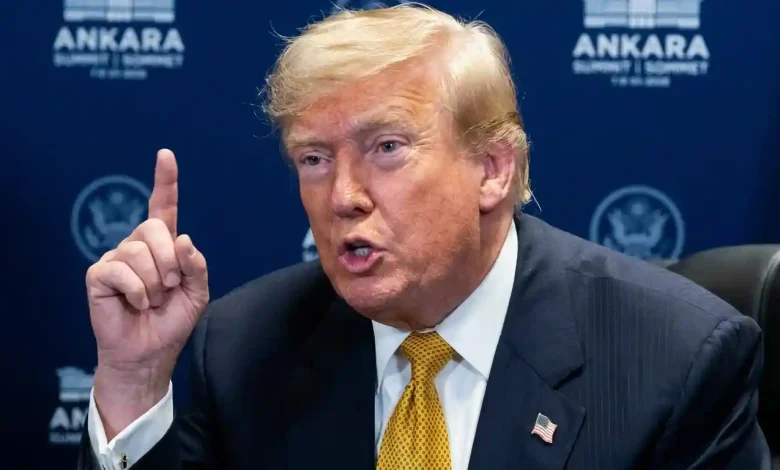
Table of Contents
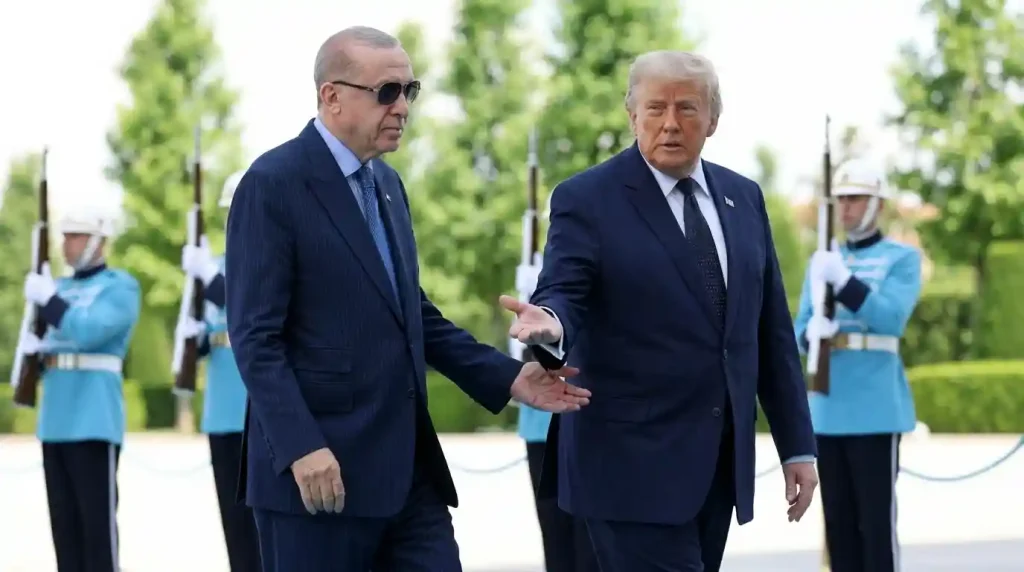
NATO summit tensions erupted on Wednesday in Ankara, Turkey, as United States President Donald Trump clashed openly and then reconciled unpredictably with European leaders over the war with Iran and the continuing Russia-Ukraine conflict. Gathering at the high-security Beştepe Presidential Complex in the Turkish capital, the 36th official assembly of the North Atlantic Treaty Organization (NATO) laid bare the deep-seated divisions and transactional nature of modern transatlantic diplomacy. Host President Recep Tayyip Erdoğan welcomed the 32 heads of state to an environment charged with geopolitical weight. While the official declaration was ultimately signed, the dramatic sessions on Wednesday highlighted a volatile administration pushing traditional allies to their absolute limits.
Introduction: The Ankara Summit and the Return of Trump
The historical backdrop of the July 2026 summit in Ankara was already fraught with expectation. Having returned to the presidency in 2025, Donald Trump’s second term has been defined by unilateral foreign policy maneuvers, aggressive trade rhetoric, and a profound skepticism of multilateral defense pacts. For the first time since the monumental agreements forged in The Hague, Allied leaders faced an American administration willing to test the limits of mutual defense commitments. The choice of Ankara as the host city—only the second time Turkey has hosted a NATO summit since the Istanbul meeting in 2004—added an extra layer of strategic complexity. Turkey’s pivotal role as a bridge between Europe, the Middle East, and Asia made it the perfect stage for discussions that spanned from the Eastern European battlefields to the Persian Gulf.
For months leading up to the summit, European diplomats had quietly prepared strategies to handle Trump’s erratic temperament. With active conflicts raging and geopolitical fault lines shifting, the stability of the alliance was once again called into question. The primary objective for European nations was ensuring a renewed American commitment to Article 5—the cornerstone collective defense clause. However, Trump’s arrival in Turkey made it clear that any guarantee of American support would come at a steep financial and political cost. Rather than focusing on a unified front, the initial hours of the summit were dominated by sharp bilateral disputes, personal grievances, and sudden policy pivots that left even seasoned diplomats scrambling for answers.
The Wednesday Showdown: Bilateral Clashes Over Iran and Ukraine
Wednesday was always slated to be the most critical day of the summit, acting as the crucible where Trump’s America First agenda collided directly with the consensus-driven framework of European security. The scheduling of back-to-back bilateral meetings with European heads of state set the stage for intense confrontation. Trump entered these sessions with a long list of grievances, primary among them being the lack of European military and financial cooperation in the escalating conflict with Iran and the ongoing strategic approach to the Russia-Ukraine war.
Confrontation Over the War with Iran and Ended Ceasefire
The most immediate and volatile topic on the Wednesday agenda was the war with Iran. The fragile ceasefire established in April had collapsed, and Trump used the Ankara summit to publicly lambast European allies for what he perceived as a betrayal. In his characteristic style, Trump called the Iranian leadership “scum” and accused European nations of failing to assist the United States during active hostilities in the region. He criticized major European powers for seeking to preserve diplomatic channels with Tehran instead of joining the United States in a campaign of maximum military pressure.
Trump’s rhetoric during a press conference on Wednesday fluctuated between catastrophic warnings and nonchalant dismissals of the conflict’s severity. He asserted that he did not believe the war with Iran would drag on, claiming, “I don’t think it’s going to start again. I think it’s going to go very quickly. They hit a couple of ships and so we hit that much harder.” While European allies expressed deep concern over the threat of escalation in the Strait of Hormuz—a vital artery for global energy supplies—Trump demanded that NATO formally back the U.S. stance and prepare to take control of Iranian nuclear materials if necessary. The resulting NATO communiqué eventually acknowledged the shared priority of keeping the Strait of Hormuz open, but the deep strategic divide over how to handle Tehran remained unresolved.
The Ukraine Dilemma: From Threats to Patriot Missile Licensing
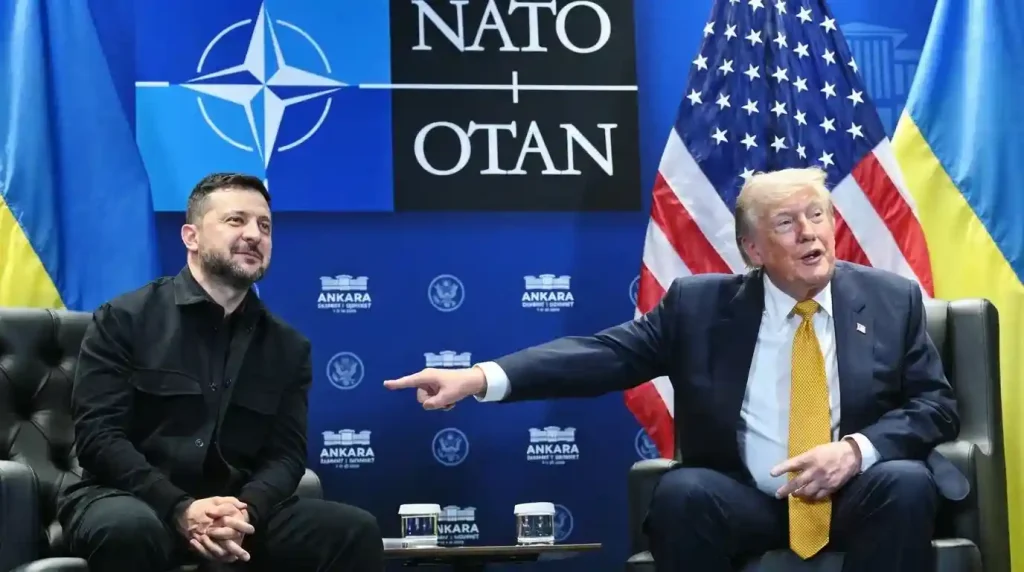
The ongoing Russia-Ukraine war was another major flashpoint during Wednesday’s bilateral encounters. For over a year, European leaders had feared that Trump might completely withdraw American aid to Kyiv and force a unilateral settlement favorable to Moscow. These fears were partly realized when Trump expressed frustration over the financial burden borne by American taxpayers. However, in a surprising turn of events during a highly anticipated meeting with Ukrainian President Volodymyr Zelenskyy, Trump shifted his tone from threat to transactional opportunity.
Rather than cutting off support entirely, Trump offered a surprise deal: licensing the manufacturing of advanced Patriot air defense missiles directly to Ukraine. This move, which would allow Ukrainian factories to produce the state-of-the-art defense systems locally, was framed by Trump as a business-oriented solution that creates manufacturing capabilities while relieving the direct burden on U.S. stockpiles. While Ukrainian officials welcomed the offer as a substantial boost to their long-term defense infrastructure, European leaders viewed it with a mix of relief and caution. It underscored Trump’s preference for defense deals over unconditional alliance-based military assistance, illustrating that in the new era of transatlantic relations, security is a commodity to be licensed and sold.
Defense Spending Demands: Pressuring Europe to 5% GDP Targets
Underpinning all of Trump’s grievances at the summit was his obsessive focus on defense spending. For years, the agreed-upon NATO benchmark was 2% of Gross Domestic Product (GDP). However, at Ankara, Trump pushed the envelope further, demanding that European allies commit to spending a staggering 5% of their GDP on defense by 2035. He singled out countries like Spain and the United Kingdom for falling short of their commitments, accusing them of “free-riding” on the back of American military power.
European leaders, realizing that public arguments would only alienate the U.S. president, adopted a coordinated, quiet strategy to reassure him. Led by NATO Secretary General Mark Rutte, the alliance emphasized the concept of “a stronger and more European NATO.” European officials presented plans showing that almost every member state was already on track to significantly increase their military budgets. While the 5% target remains an economically daunting prospect for many European economies, the willingness of leaders to validate Trump’s concerns publicly helped temporarily defuse his anger. The final summit declaration, which Trump ultimately signed, reflected these concessions, pledging over €70 billion in military equipment, training, and assistance for Ukraine for 2026, with commitments to maintain equivalent levels in 2027.
The World Cup Diplomacy: European Strategies to Keep Trump on Side
One of the most peculiar revelations from behind the scenes at the Beştepe Presidential Complex was the lengths to which European leaders went to manage Trump’s moods. In a fascinating display of diplomatic micro-management, European officials informally agreed not to mention the ongoing football World Cup to the U.S. president. The United States national team had recently suffered a crushing 4-1 defeat at the hands of Belgium, an athletic loss that had already irritated Trump.
The irritation was compounded by a pre-match controversy where Trump had personally asked FIFA President Gianni Infantino to review a red card given to American striker Folarin Balogun. When the appeal failed and the U.S. was eliminated, Trump’s mood soured. Belgian Prime Minister Bart De Wever jokingly admitted to reporters in Ankara that he would be avoiding the topic entirely during his meetings, noting that Trump “has the reputation of sometimes reacting a bit irritably to things that he doesn’t like, and I think this defeat will hit hard.” This “World Cup silence” policy illustrated the highly personalized nature of modern diplomacy under the Trump administration, where athletic grievances could spill over into high-stakes security negotiations.
Geopolitical Surprises: Removing Syria from the Terrorism List and the Greenland Debate
True to his reputation as a political disrupter, Trump did not limit his summit activities to scheduled NATO discussions. The sidelines of the Ankara meeting became a staging ground for major unilateral foreign policy announcements that caught both allies and adversaries off guard.
The Syria Pivot: Meeting Ahmed al-Sharaa
In a move that sent shockwaves through diplomatic circles, Trump held a surprise bilateral meeting with Syrian President Ahmed al-Sharaa on the sidelines of the summit. Following the meeting, Trump announced that the United States would remove Syria from its State Sponsors of Terrorism list. This decision, scheduled to become official in 45 days unless blocked by a hostile U.S. Congress, represents a radical realignment of Middle Eastern geopolitics. Trump argued that the move was necessary to facilitate regional stabilization and reward Damascus for cooperative security measures. For European allies, who have long maintained a strict regime of sanctions against Syria, this unilateral pivot was another example of being forced to adapt to a rapidly changing American policy landscape without prior consultation.
Greenland Recurrence: Renewed Disagreements with Denmark
Additionally, Trump resurrected one of his most infamous foreign policy ambitions: the purchase or acquisition of Greenland. During his initial public remarks on Wednesday, Trump renewed his public demand for control of Greenland, criticizing Denmark for its refusal to negotiate. This sudden outburst renewed diplomatic tensions with Copenhagen and left European leaders bewildered. Although Trump did not raise the issue during the formal private sessions of the 32 NATO leaders, its prominence in his public statements served as a reminder of his highly unconventional, real-estate-driven view of global sovereignty and territory.
Trump’s Rhetorical Volatility: Transitioning to ‘Tremendous Love’
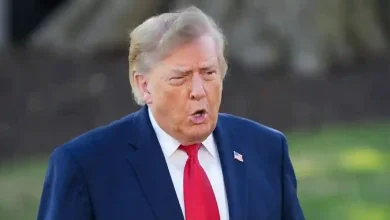
Perhaps the most remarkable aspect of the 2026 Ankara summit was the swift and dramatic transformation in Trump’s behavior as the event drew to a close. The morning had begun with aggressive posturing, public insults directed at adversaries, and sharp criticism of longtime allies. Yet, by Wednesday afternoon, Trump’s narrative shifted entirely. After a private meeting with the 32 alliance leaders, where he reportedly did not repeat his public criticisms or mention Greenland, Trump emerged to declare that he felt a “tremendous love” from western leaders.
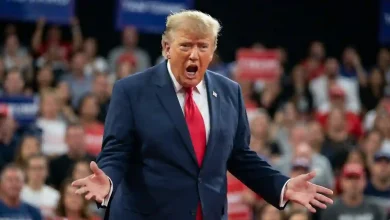
“It was a great meeting, there was a lot of love in that room, a lot of unity,” Trump told reporters. This abrupt shift from a menacing critic to a passionate defender of the alliance left many observers stunned. At his concluding press conference—a rambling, wide-ranging event where he touched on everything from the U.S. economy to being “No 1 on TikTok”—Trump proclaimed that “unification” was the defining theme of the summit. For European leaders, who had spent the two days walking on eggshells, this shift was viewed as a hard-fought victory. By allowing Trump to claim political and rhetorical victory, they successfully preserved the integrity of the alliance and secured his signature on the final summit declaration.
Key Outcomes of the 2026 Ankara NATO Summit
To understand the full scope of what was achieved and debated during this historic gathering, it is essential to analyze the tangible outcomes. Despite the chaotic atmosphere and public disputes, the formal agreement reached in Ankara contains several significant defense commitments. The table below outlines the core issues debated and the resulting outcomes from the summit.
| Key Issue | Trump / U.S. Position | European Union / NATO Position | Final Summit Outcome |
|---|---|---|---|
| Iran War & Ceasefire | Demanded active European military support; declared ceasefire over; called Iranian leadership “scum.” | Expressed deep concern over escalation; favored diplomatic containment and protecting shipping lanes. | Communiqué reaffirmed priority of a free, open Strait of Hormuz; no formal joint military action committed. |
| Russia-Ukraine Support | Frustrated by financial burden; offered transactional licensing of Patriot missile manufacturing. | Pushed for long-term, direct military aid and a clear pathway for Ukraine’s future integration. | Allies pledged €70 billion for 2026; Trump authorized local Patriot missile manufacturing licensing. |
| Defense Spending | Demanded immediate commitment to 5% GDP spending by 2035; criticized “free-riders” (Spain, UK). | Emphasized current increases toward a “stronger and more European NATO.” | Allies committed to continuing defense budget expansions; Trump reaffirmed support for Article 5. |
| Syria Policy | Unilaterally met President Ahmed al-Sharaa; announced plan to remove Syria from state sponsors of terrorism list. | Maintained skepticism and existing sanctions; concerned about sudden shifts in Middle East policy. | U.S. to proceed with 45-day congressional review process; no joint NATO policy change. |
The Legacy of Beştepe: What Lies Ahead for Transatlantic Unity
As the delegates departed the Beştepe Presidential Complex, the prevailing sentiment among diplomats was one of relieved exhaustion. The 2026 Ankara summit proved that while the transatlantic alliance remains structurally intact, its daily operation has become a high-wire balancing act. The combination of Trump’s volatile rhetoric and Europe’s pragmatic “keep-him-happy” strategy successfully averted a major crisis, but it also highlighted the precariousness of global security commitments in the current era.
The historical significance of this summit lies in its transformation of NATO’s operational philosophy. Under pressure from Washington, Europe is rapidly transitioning toward a self-sufficient defense model, as detailed in the NATO summit history of evolving strategic concepts. While Trump’s dramatic swings from “sabre-rattling” to “tremendous love” make for captivating news headlines, the underlying structural shifts—such as local defense manufacturing in Ukraine and skyrocketing European military budgets—will shape the global balance of power for decades to come. Whether this fragile unity can survive the next inevitable geopolitical shock remains the defining question for the future of the western alliance.