Ann Widdecombe 2026: Former MP Killed in “Targeted Attack”
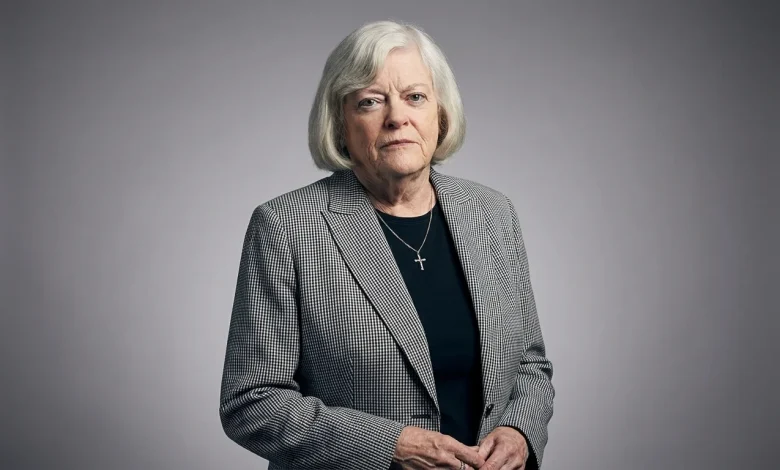
Table of Contents
Ann Widdecombe, one of the most recognizable and outspoken figures in modern British politics, was tragically killed in what counterterror police have officially classified as a “targeted attack.” The shocking death of the 78-year-old former Member of Parliament, cabinet minister, and reality television star has sent profound shockwaves through the UK’s political establishment and the wider public. Found deceased at her isolated rural cottage on Dartmoor, the circumstances surrounding her murder have prompted immediate national mourning and ignited an intensive multi-agency investigation. While the nation has witnessed various legislative transitions and political representation shifts over the decades, the sudden loss of such a senior political figure under violent circumstances has intensified concerns about the safety of public figures.
As the investigation intensifies, British counterterrorism forces have taken over the case from local Devon and Cornwall police. A 28-year-old male suspect remains in custody under an extended detention warrant issued under the Terrorism Act, giving investigators up to a week to extract critical details regarding his motivation and potential coordination. Assistant Commissioner Laurence Taylor, national lead for Counter Terrorism Policing, confirmed that detectives are currently pursuing multiple lines of inquiry. Although investigators are keeping an open mind, they are focusing heavily on whether the attack was driven by a deep-seated hatred of her traditionalist social views or her association with the right-wing Reform UK party.
Ann Widdecombe’s Shocking Death: An Overview of the Incident
The tragedy unfolded on Wednesday, July 8, 2026, when Widdecombe failed to appear for a scheduled television interview. Known for her exceptional punctuality and professional rigor, her sudden absence immediately raised concerns among colleagues and broadcast staff. Following her failure to establish contact, emergency services were dispatched to her picturesque home in the village of Haytor, situated on the edge of Devon’s rugged Dartmoor National Park. On Thursday morning, police officers entered her residence and discovered her body, noting that she had sustained “serious and fatal injuries.”
Devon and Cornwall Police initially managed the scene, launching a standard homicide inquiry. However, within 48 hours, the trajectory of the investigation shifted dramatically. Following the arrest of a 28-year-old suspect in South Yorkshire and subsequent searches of his property, highly sensitive information came to light. This evidence led senior officials to transfer leadership of the case to National Counter Terrorism Policing (CTP). The rapid involvement of specialized counterterror agents underscores the gravity of the threat and indicates that the assault was far from a random burglary or isolated domestic incident.
Details of the Targeted Attack on Dartmoor
According to forensic timelines constructed by investigators, the fatal assault occurred at approximately 12:30 PM on Wednesday. The isolation of Widdecombe’s Dartmoor property, while offering her the peace and quiet she cherished in her later years, also presented a vulnerability that the assailant appears to have exploited. There was no sign of forced entry that would indicate a typical break-in, suggesting either a carefully planned breach or that the attacker was able to access the property via deception.
Speaking at a press conference on Tuesday afternoon, Assistant Commissioner Laurence Taylor declared, “It is clear that this was a targeted attack.” He went on to emphasize that while the physical act has been executed, the comprehensive operational background is still being pieced together. “We are still working to understand the extent of any planning or preparation, and the motivation that sits behind that attack,” Taylor remarked. The brutal nature of the crime, combined with the target’s advanced age of 78, has provoked widespread condemnation from both sides of the political aisle, prompting a deep assessment of physical security for former lawmakers.
The Arrest and Terrorism Act Investigation
The arrest of the primary suspect occurred late on Saturday night in Rotherham, South Yorkshire—over 200 miles away from the crime scene in Devon. Local authorities, operating in coordination with counterterrorism tactical units, apprehended a 28-year-old white British male. He was initially arrested on suspicion of murder, but following initial interrogation and searches of his South Yorkshire residence, he was rearrested under Section 41 of the Terrorism Act on suspicion of the “commission, preparation, or instigation of acts of terrorism.”
To facilitate a thorough investigation, detectives secured an extended warrant of detention. Under British counterterrorism legislation, this allows police to hold and question the suspect for up to 14 days without charge, subject to judicial review. Security sources have confirmed that the suspect was not previously known to the government’s Prevent program—the UK’s early-intervention strategy aimed at diverting individuals away from radicalization. This lack of a prior security footprint has made the task of reconstructing his digital and physical history even more urgent, as detectives analyze his electronic devices, online communications, and travel patterns leading up to the attack.
Investigating Political Motivations: The Focus on LASIT
One of the central avenues of inquiry being pursued by Counter Terrorism Policing is whether the suspect was motivated by Left-wing, Anarchist, and Single-Issue Terrorism (LASIT). For decades, Widdecombe was a lightning rod for ideological debate due to her uncompromising opposition to abortion rights, her staunch resistance to the expansion of LGBTQ+ rights, and her vocal support for traditional Christian moral structures. The police are investigating whether extreme hostility toward these socially conservative values—or toward her recent active role as a spokesperson for Nigel Farage’s Reform UK party—acted as the primary catalyst for the attack.
The rise of hyper-partisan political discourse online has increasingly targeted figures on both the left and right. This alarming dynamic underscores how easily online hostility can morph into physical danger, similar to coordinated harassment campaigns directed at public servants in other Western democracies. The horrific targeting of an elder stateswoman highlights the systemic threat posed by hate crimes targeting individuals because of their political convictions. As counterterror detectives gather evidence, the legal process will scrutinize whether his actions meet the high legal threshold required for extremism convictions and legal appeals.
Ann Widdecombe’s Legacy: Unapologetic Social Conservatism
To understand the profound impact of her death, one must examine Widdecombe’s long and highly influential public career. A politician of immense conviction, she was first elected as the Conservative MP for Maidstone in 1987, serving that constituency for 23 years. Her deep Catholic faith guided her legislative decisions, making her a formidable and often polarizing advocate for traditional social values.
From Parliament to the Frontbenches
Widdecombe quickly rose through the ranks of the Conservative Party, serving as Minister of State for Employment and later as Prisons Minister under Prime Minister John Major. In the latter role, she earned a reputation for being exceptionally tough on crime, famously defending the chaining of pregnant prisoners during hospital visits with her trademark bluntness—a stance that drew sharp criticism from human rights groups but endeared her to the right wing of her party. She was known for advocating tough policies that echoed debates surrounding conservative immigration frameworks and strict border sovereignty. After leaving the House of Commons in 2010, she remained active in public discourse, eventually returning to electoral politics by representing the Brexit Party (later Reform UK) as a Member of the European Parliament from 2019 to 2020.
Crossover into Reality Television and Pop Culture
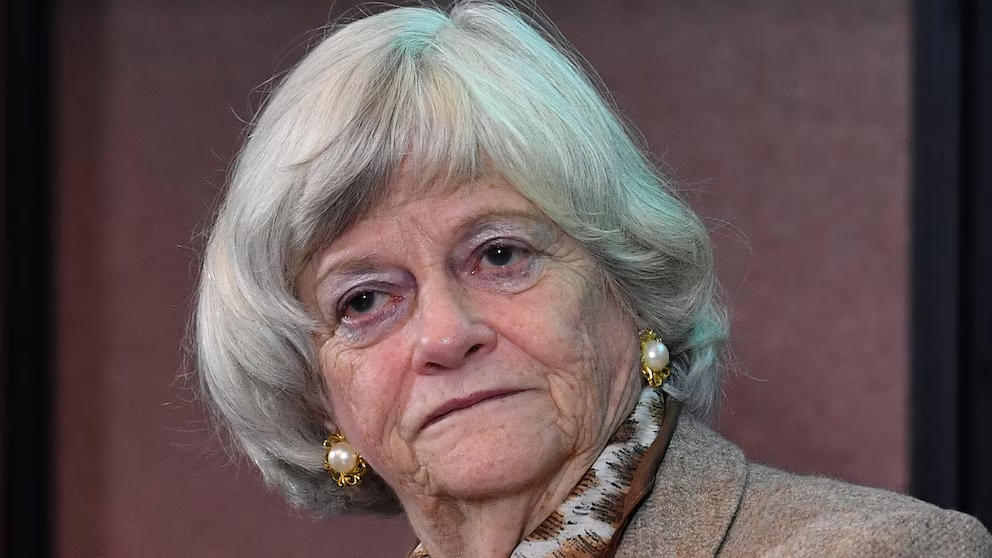
What made Widdecombe a truly unique figure in British national life was her remarkable transition into popular culture. Unlike many of her peers who retreated into quiet retirement, she embraced the media spotlight. Her distinct persona, blunt humor, and memorable reality TV appearances allowed her to join the ranks of beloved television personalities who transcend their primary profession. Her iconic partnership with professional dancer Anton du Beke on BBC’s Strictly Come Dancing in 2010 became a national sensation, demonstrating her ability to laugh at herself while charming millions of viewers who did not necessarily share her political views. Her subsequent appearance on Celebrity Big Brother in 2018 further cemented her status as a cultural icon, proving that she was a rare political figure capable of bridging the gap between Westminster and mainstream entertainment.
Investigation Details: Key Facts of the Case
The multi-agency response to the incident involves South Yorkshire Police, Devon and Cornwall Police, and the National Counter Terrorism Policing network. The following table provides an analytical breakdown of the current status of the investigation and the key operational details released by authorities:
| Key Parameter | Details / Current Status |
|---|---|
| Victim | Ann Widdecombe, age 78 (Former MP & Reform UK Spokesperson) |
| Date of Incident | Wednesday, July 8, 2026 (Estimated at 12:30 PM) |
| Location | Haytor, Devon (Dartmoor National Park) |
| Suspect | 28-year-old white British male from Rotherham, South Yorkshire |
| Current Charges Under Investigation | Murder; Commission, preparation, or instigation of terrorism acts |
| Investigating Lead | National Counter Terrorism Policing (Lead: Laurence Taylor) |
| Detention Status | Held under extended warrant (Section 41 Terrorism Act) |
The Escalating Threat to Public Figures in British Politics
The murder of Widdecombe is not an isolated shock but rather the latest in a deeply troubling sequence of violent attacks against British political figures. Over the past decade, the UK has lost several serving lawmakers to extremist violence. In 2016, Labour MP Jo Cox was murdered by a far-right extremist, and in 2021, Conservative MP Sir David Amess was fatally stabbed by an attacker inspired by Islamic State ideology. These tragedies have repeatedly forced the British state to re-evaluate the safety of those who participate in public life.
Globally, we are seeing an uptick in arrests related to political expression and ideological radicalization, illustrating the fragile balance between speech and safety. Nigel Farage, leader of Reform UK, expressed grave concerns following Widdecombe’s death, revealing that his staff had proactively searched party databases for patterns of direct threats or systemic abuse. Although no specific threats targeting her were uncovered in their database, Farage emphasized that representatives of patriotic, right-of-center parties face an increasingly hostile environment that places their personal safety at constant risk.
Security Debates and the Future of Democratic Representation
Following the tragedy on Dartmoor, Home Secretary Shabana Mahmood delivered a solemn statement to the House of Commons, expressing the government’s profound condolences and assuring Parliament that all security agencies are working in lockstep to uncover the truth. The debate has quickly shifted to the security provisions available to former MPs, retired ministers, and non-Westminster political spokespeople, who often do not enjoy the same level of close protection as sitting Members of Parliament.
Speaker of the House Sir Lindsay Hoyle has been actively consulting with security experts and party leaders to formulate a more robust framework for protecting political figures outside active legislative roles. Safeguarding political figures, regardless of their ideology, is central to protecting voting rights and democratic principles worldwide. As British democracy navigates this difficult period, the overarching goal remains clear: to ensure that debate remains robust and passionate, but completely free from the threat of political violence, physical intimidation, or targeted harm.