McKinley Tragedy: Four Latvian Climbers Fall on Denali, Rescue Operation Underway
Introduction
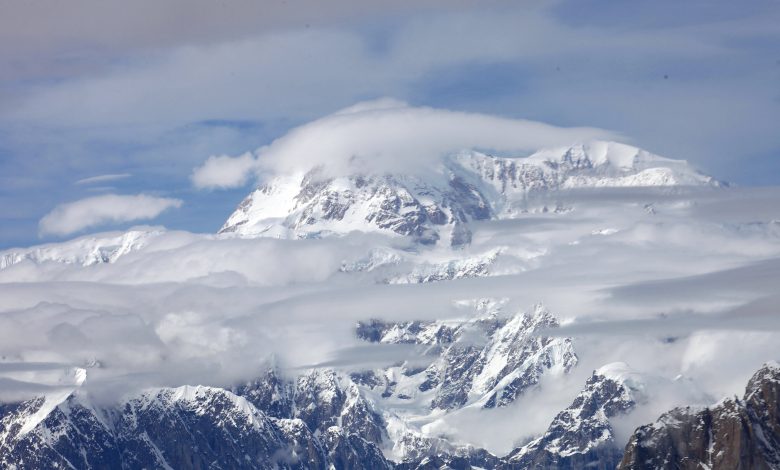
McKinley, also known as Denali, the highest peak in North America, has once again become the site of a mountaineering tragedy. A Latvian expedition team faced a perilous situation when four of its members fell during a climb on Wednesday. The incident occurred on a notoriously challenging route known for its exposed sections, where numerous injuries and fatalities have been recorded over the years. The National Park Service (NPS) immediately initiated rescue operations, battling difficult terrain and harsh weather conditions to reach the stranded climbers. This event underscores the inherent risks associated with high-altitude mountaineering and highlights the critical role of rescue teams in mitigating potential disasters. The incident has sent ripples through the international mountaineering community, prompting renewed discussions about safety protocols, route selection, and the overall preparedness of climbing teams venturing into such extreme environments.
The Accident on Denali
The accident took place as the seven-person Latvian team was traversing a particularly hazardous section of Denali, near Denali Pass, situated at approximately 18,200 feet. The route is well-known among mountaineers for its steep slopes, unpredictable weather patterns, and the constant threat of avalanches and rockfalls. The specific details of the fall remain limited, but the NPS reported that the four climbers fell on Wednesday. The exposed nature of the terrain meant that any misstep could have severe consequences, and unfortunately, this proved to be the case for the Latvian team. The location of the fall, near Denali Pass, is particularly concerning due to its high altitude, where the lack of oxygen exacerbates the physical and mental strain on climbers, increasing the risk of accidents. This section often requires climbers to use ropes and ice axes for secure passage, and even with these precautions, the risk remains substantial.
Rescue Operation Details
Upon receiving news of the accident, Denali National Park and Preserve search and rescue personnel mobilized immediately. The rescue operation was complicated by the difficult terrain and adverse weather conditions, which are typical for Denali. Initial efforts focused on reaching the climbers and assessing their conditions. One of the climbers was successfully rescued late Thursday afternoon from an altitude of about 17,200 feet. Due to the hazardous conditions, a helicopter was used to extract the climber, employing a long line technique since landing was not possible. The rescued climber was then airlifted to a hospital for medical treatment. The remaining three climbers in the group assisted with the rescue efforts but began to show signs of physical decline. Crews evacuated them from the mountain on Friday, ensuring they received necessary medical attention and support. The coordination between ground teams and aerial support was crucial in the success of the rescue operation, demonstrating the expertise and dedication of the Denali National Park and Preserve’s rescue personnel.
Climbers Involved
The four climbers involved in the fall were part of a seven-person Latvian mountaineering expedition. The NPS has not released the names of the climbers involved, respecting their privacy and allowing time for their families to be notified. The rescued climber’s condition has not been officially updated, but they were promptly transported to a medical facility for evaluation and treatment. The remaining three members of the expedition, who were not involved in the initial fall, played a crucial role in assisting with the rescue efforts. However, their physical condition deteriorated during the process, necessitating their evacuation from the mountain. The incident serves as a stark reminder of the teamwork and resilience required in mountaineering expeditions, where climbers often rely on each other for support and survival in extreme conditions. The Latvian mountaineering community is likely providing support and assistance to the families of those involved, highlighting the close-knit nature of the mountaineering world. It is imperative that support is provided to all affected by such tragedies. The psychological impact on the team, regardless of their physical state, can be significant; time will be needed to recover from such trauma.
Denali Pass: A Hazardous Route
Denali Pass, situated at approximately 18,200 feet, is a particularly dangerous section of the mountain. Its high altitude means climbers are subject to extreme cold, thin air, and unpredictable weather. The pass is characterized by steep, icy slopes and exposed traverses, making it a high-risk area for falls. Avalanches and rockfalls are common occurrences, adding to the peril. The combination of these factors makes Denali Pass one of the most challenging and deadly sections of the mountain. Climbers often navigate this area using ropes, ice axes, and crampons, requiring a high level of skill and experience. Despite these precautions, accidents are frequent, highlighting the inherent dangers of high-altitude mountaineering. The pass serves as a bottleneck for many expeditions attempting to summit Denali, increasing the concentration of climbers and the potential for accidents. Proper planning, acclimatization, and adherence to safety protocols are essential for navigating this treacherous section of the mountain. It is worth reviewing the fatality incidents in other parks to have an appreciation of the level of danger that exists.
National Park Service Statement
The National Park Service (NPS) released a statement confirming the incident and detailing the rescue operations. The statement provided essential information about the accident, including the location, the number of climbers involved, and the timeline of the rescue efforts. The NPS emphasized the challenges faced by the rescue teams due to the difficult terrain and adverse weather conditions. They also highlighted the successful extraction of one climber and the subsequent evacuation of the remaining team members who assisted in the rescue. The NPS statement served to inform the public and the mountaineering community about the incident while also underscoring the commitment of the park service to ensuring the safety of climbers on Denali. The NPS regularly updates its website and social media channels with safety information, weather forecasts, and other relevant details for climbers planning expeditions on Denali. This proactive approach aims to minimize risks and enhance the overall safety of mountaineering activities within the park. The NPS response has been swift and effective and hopefully averted more serious outcomes.
Helicopter Rescue Challenges
The use of a helicopter in the rescue operation presented significant challenges due to the high altitude and rugged terrain of Denali. Helicopters operating at high altitudes experience reduced lift and maneuverability, making flight operations more difficult and dangerous. The thin air and unpredictable winds can further complicate matters, requiring highly skilled pilots and specialized equipment. In this particular rescue, the helicopter was unable to land due to the terrain and conditions, necessitating the use of a long line to extract the injured climber. This technique involves lowering a rescuer to the ground via a cable, securing the climber, and then lifting them back up to the helicopter. The long line technique requires precise coordination between the pilot, the rescuer, and the ground team, as well as specialized training and equipment. Despite these challenges, the use of a helicopter proved to be the most efficient and effective way to reach the stranded climber and transport them to medical care. The success of the helicopter rescue underscores the importance of having access to advanced aviation resources and highly trained personnel in high-altitude search and rescue operations. This type of mission is inherently complex, requiring perfect execution. It highlights the training and skills of specialist services.
Climbers’ Declining Condition
The three climbers who assisted in the rescue efforts experienced a decline in their physical condition, highlighting the extreme demands of high-altitude mountaineering. The combination of physical exertion, exposure to cold, and the lack of oxygen can quickly take a toll on the body, leading to exhaustion, dehydration, and altitude sickness. In addition, the stress and trauma of witnessing the fall and participating in the rescue can further exacerbate their condition. The NPS recognized the deteriorating condition of the climbers and made the decision to evacuate them from the mountain to prevent further complications. Prompt evacuation and medical attention were crucial in ensuring their recovery. This aspect of the incident underscores the importance of monitoring climbers’ physical and mental well-being during expeditions and being prepared to provide timely assistance when needed. It is also a good reminder that there are other dangers in the mountains; wild animals are always a potential hazard.
Historical Context of Denali Accidents
Denali has a long history of mountaineering accidents, with numerous fatalities and injuries recorded over the years. The mountain’s extreme weather conditions, high altitude, and challenging terrain make it a formidable objective, even for experienced climbers. Factors contributing to accidents on Denali include falls, avalanches, hypothermia, and altitude sickness. The route the Latvian team was traversing is known for its exposed sections, where many accidents have occurred. The historical context of accidents on Denali serves as a reminder of the inherent risks associated with mountaineering and the importance of proper planning, preparation, and adherence to safety protocols. The NPS maintains detailed records of accidents on Denali and uses this data to inform its safety education programs and rescue operations. Analyzing past incidents can help identify patterns and trends, allowing the NPS to better anticipate and respond to future emergencies. It also underscores the need for climbers to be fully aware of the risks involved and to make informed decisions based on their skills, experience, and the prevailing conditions.
Mountain Safety Protocols
Mountaineering safety protocols are crucial for minimizing risks and preventing accidents in high-altitude environments like Denali. These protocols encompass a wide range of measures, including proper planning and preparation, acclimatization, weather monitoring, route selection, and the use of appropriate gear and techniques. Climbers should conduct thorough research on the intended route, assess their skills and experience, and ensure they are physically and mentally prepared for the challenges ahead. Acclimatization is essential for allowing the body to adjust to the reduced oxygen levels at high altitude, and climbers should ascend gradually, allowing sufficient time for acclimatization at each stage. Weather conditions on Denali can change rapidly and unpredictably, and climbers should monitor forecasts closely and be prepared to adjust their plans accordingly. Selecting a safe and appropriate route is also critical, and climbers should avoid areas known for hazards such as avalanches, rockfalls, and exposed traverses. The use of ropes, ice axes, crampons, and other specialized gear is essential for navigating steep, icy slopes, and climbers should be proficient in their use. Adherence to these safety protocols can significantly reduce the risk of accidents and increase the chances of a successful and safe climb. Safety must be paramount in all ventures.
Latvian Mountaineering Community
The Latvian mountaineering community is a close-knit group of individuals passionate about exploring and climbing mountains around the world. The community likely has a network of experienced climbers, guides, and instructors who share their knowledge and expertise with others. This incident on Denali will undoubtedly have a profound impact on the Latvian mountaineering community, prompting reflection and discussion about safety practices and risk management. The community is likely to rally around the families of those involved, providing support and assistance during this difficult time. The Latvian mountaineering community may also work to raise awareness about the risks of mountaineering and promote the importance of proper training, preparation, and adherence to safety protocols. This tragic event could lead to renewed efforts to enhance mountaineering safety standards and promote responsible climbing practices within the Latvian community and beyond.
Impact on Future Expeditions
The incident on Denali is likely to have a ripple effect on future mountaineering expeditions, both on Denali and other high-altitude peaks around the world. Climbers may be more cautious in their route selection, paying closer attention to known hazards and exposed sections. Expedition organizers may place a greater emphasis on safety protocols, ensuring that climbers are adequately trained, equipped, and prepared for the challenges ahead. The incident may also prompt a review of rescue procedures and resources, leading to improvements in search and rescue capabilities in high-altitude environments. Furthermore, the incident could raise awareness among potential climbers about the risks involved in mountaineering and encourage them to seek proper training and guidance before embarking on ambitious expeditions. It is essential that the lessons learned from this tragedy are used to enhance safety and prevent future accidents in the mountains. This is a learning opportunity to make mountaineering safer for everyone.
Conclusion
The fall of four Latvian climbers on McKinley (Denali) serves as a stark reminder of the inherent dangers of high-altitude mountaineering. The challenging terrain, unpredictable weather, and extreme altitude combine to create a high-risk environment, even for experienced climbers. The rescue operation, carried out by Denali National Park and Preserve personnel, highlights the critical role of search and rescue teams in mitigating potential disasters. The incident underscores the importance of proper planning, preparation, adherence to safety protocols, and the ability to adapt to changing conditions. The mountaineering community will likely reflect on this tragedy and use it as an opportunity to reinforce safety practices and promote responsible climbing behavior. Ultimately, the goal is to minimize risks and ensure that future expeditions can be conducted safely and successfully. It is worth reviewing the lessons learnt from other disasters, as they tend to be highly relevant.
| Aspect | Details |
|---|---|
| Location | Denali (McKinley), near Denali Pass (approx. 18,200 feet) |
| Date of Incident | Wednesday |
| Climbers | Four members of a seven-person Latvian mountaineering expedition |
| Nature of Incident | Fall during a traverse on a known hazardous route |
| Rescue Operation | Conducted by Denali National Park and Preserve search and rescue personnel |
| Helicopter Use | Long line technique due to terrain and conditions |
| Climber Status | One climber rescued and airlifted to a hospital; three others evacuated due to declining physical condition |
| Route Hazards | Steep slopes, unpredictable weather, avalanches, rockfalls, exposed traverses |
| Safety Emphasis | Importance of planning, preparation, acclimatization, weather monitoring, and adherence to safety protocols |