Ruhi Cenet’s Luxury Voyage Turns Dark After Passenger Death
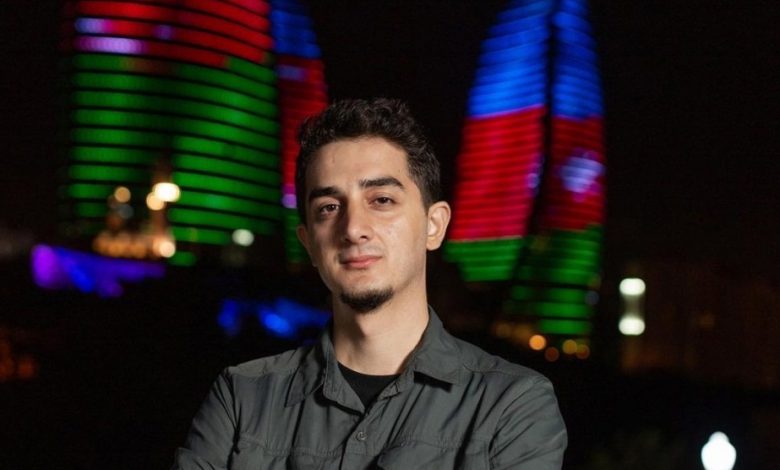
The serene allure of a luxury voyage can often mask the unpredictable nature of life itself. This was starkly illustrated when Turkish travel vlogger Ruhi Cenet embarked on what he anticipated would be a captivating journey aboard the Hondius, only to encounter an unforeseen tragedy that transformed his experience. The voyage, which began in Ushuaia, Argentina, on April 1, was intended to document the unique landscapes of a remote archipelago in the South Atlantic. However, the atmosphere shifted dramatically following the sudden death of a passenger, casting a shadow over the remainder of the trip.
Introduction
Expedition cruises, designed to immerse travelers in remote and often untouched corners of the world, promise adventure and discovery. The Hondius, a vessel known for its polar expeditions, offered such a promise to its passengers. For Ruhi Cenet, this voyage was an opportunity to capture the essence of these far-flung locales and share them with his audience. The narrative took an unexpected turn on April 12, when the ship’s captain made a somber announcement, revealing the death of a passenger. This event not only disrupted the voyage but also raised questions about safety, protocols, and the emotional impact on those aboard.
The Initial Voyage
Ruhi Cenet’s journey began with anticipation and excitement. Boarding the Hondius in Ushuaia, Argentina, he set sail with nearly 150 other passengers, all eager to explore the remote archipelago in the South Atlantic. The initial days of the voyage were filled with the typical experiences of a luxury cruise: breathtaking views, gourmet meals, and engaging presentations about the region’s unique ecosystem. Cenet, armed with his camera, meticulously documented the stunning landscapes and the vibrant marine life, planning to weave together a compelling story for his viewers. The atmosphere was one of camaraderie and shared adventure, with passengers bonding over their common interest in exploration and discovery.
A Sudden Announcement
The tranquility of the voyage was shattered on April 12 when the captain of the Hondius convened the passengers for an unexpected announcement. Ruhi Cenet, sensing something unusual, decided to record the captain’s address. The captain, who had previously maintained a low profile during briefings, took to the microphone with a grave tone. He informed the passengers that one of their fellow travelers had passed away the previous night. The news sent ripples of shock and disbelief throughout the ship, transforming the mood from one of leisure and excitement to one of somber reflection. The captain’s words hung in the air, marking a distinct turning point in the voyage.
Cenet’s Reaction
Ruhi Cenet, an experienced travel vlogger, immediately recognized the significance of the moment. His decision to record the announcement stemmed from an intuitive sense that something was amiss. Cenet’s reaction was not just that of a passenger but also of a storyteller, keenly aware of the unfolding drama. In an interview, he described the moment as “odd,” highlighting the unsettling nature of the captain’s uncharacteristic appearance and the gravity of the news being delivered. His footage captured not only the captain’s words but also the palpable tension and concern among the passengers, providing a raw and unfiltered glimpse into the unfolding situation.
Details of the Announcement
The captain’s announcement provided essential, albeit limited, details about the passenger’s death. He stated that the death was believed to be due to natural causes and that the individual’s health issues were not infectious. This assurance was crucial in allaying fears of a potential health crisis on board. The captain emphasized that the ship was safe and that measures would be taken to proceed in a dignified manner. Despite these assurances, the announcement left many passengers with unanswered questions and a lingering sense of unease. The abruptness of the death and the sterile nature of the announcement created an atmosphere of uncertainty and speculation. It’s not uncommon for unexpected incidents to disrupt travel plans; for example, Spirit Airlines faced a similar situation when flights were halted, leaving thousands stranded.
Passenger Demographics and Safety Measures
Understanding the demographics of the passengers aboard the Hondius is crucial to assessing the potential impact of such an event. Expedition cruises often attract a diverse group of travelers, ranging from seasoned adventurers to those seeking unique travel experiences. The age and health conditions of passengers can vary widely, making it essential for cruise operators to have comprehensive medical facilities and protocols in place. Safety measures, including emergency medical care and evacuation plans, are paramount to ensuring the well-being of all passengers. In this case, the captain’s assurance that the death was due to non-infectious causes was a critical step in reassuring passengers about their safety.
The following table summarizes key aspects of passenger safety and demographics on expedition cruises:
| Aspect | Description | Importance |
|---|---|---|
| Passenger Demographics | Varied age groups and health conditions | Requires tailored medical and safety protocols |
| Medical Facilities | Onboard doctors, nurses, and medical equipment | Essential for immediate medical assistance |
| Emergency Protocols | Evacuation plans, emergency drills | Ensures preparedness for unforeseen events |
| Health Screenings | Pre-boarding health assessments | Reduces the risk of onboard health crises |
| Communication Systems | Satellite phones, emergency communication devices | Maintains contact with the outside world |
Impact on Passengers
The sudden death of a passenger can have a profound psychological impact on fellow travelers. The confined environment of a ship, coupled with the shared experience of exploration, can amplify feelings of vulnerability and anxiety. Passengers may experience a range of emotions, from grief and sadness to fear and uncertainty. The captain’s announcement, while intended to reassure, may also trigger concerns about their own health and safety. Cruise operators must be prepared to provide emotional support and counseling services to passengers affected by such events. The ability to address concerns and provide accurate information is crucial in mitigating anxiety and restoring a sense of security. Similar challenges arise in other unexpected situations, such as injuries from wildlife encounters, where immediate response and support are critical.
Investigation and Protocols
Following the death of a passenger, a thorough investigation is typically conducted to determine the cause and circumstances. This may involve a review of the deceased’s medical history, interviews with witnesses, and an examination of the events leading up to the death. Cruise operators are required to adhere to strict protocols and regulations, including reporting the incident to the appropriate authorities. The investigation aims to identify any potential lapses in safety or medical care and to implement measures to prevent similar incidents in the future. Transparency and cooperation with authorities are essential in maintaining public trust and ensuring accountability. Scandals involving record manipulation highlight the importance of transparency and accountability in all sectors.
Oceanwide Expeditions’ Response
Oceanwide Expeditions, the operator of the Hondius, faced the challenge of managing the situation with sensitivity and professionalism. Their response included providing support to the deceased’s family, cooperating with authorities in the investigation, and addressing the concerns of the remaining passengers. The company’s communication strategy was crucial in maintaining transparency and trust. Oceanwide Expeditions likely had established protocols for handling such incidents, including procedures for medical emergencies, death on board, and passenger support. The effectiveness of their response would be judged by their ability to provide accurate information, address concerns, and ensure the safety and well-being of all passengers. The FCC’s review of ABC licenses demonstrates the importance of regulatory oversight and responsible corporate behavior.
Comparison with Other Incidents
The incident aboard the Hondius is not unique in the realm of expedition cruises. Similar events, ranging from medical emergencies to natural disasters, have occurred on other voyages, highlighting the inherent risks associated with travel to remote and challenging environments. Comparing these incidents can provide valuable insights into best practices for safety, emergency response, and passenger support. Cruise operators can learn from past experiences and implement measures to mitigate risks and improve their ability to handle unforeseen events. Analyzing the responses of different cruise lines can also reveal varying approaches to communication, transparency, and accountability. The oil surge in Hormuz, which stranded thousands of ships, underscores the potential for unexpected disruptions in maritime travel.
The Future of Expedition Cruises
The growing popularity of expedition cruises reflects a broader trend towards experiential travel and a desire to explore the world’s most remote and pristine environments. However, this trend also raises important questions about sustainability, environmental impact, and passenger safety. Cruise operators must balance the allure of adventure with the responsibility to protect the fragile ecosystems they visit and ensure the well-being of their passengers. The incident aboard the Hondius serves as a reminder of the inherent risks associated with expedition travel and the importance of comprehensive safety protocols, emergency response plans, and passenger support services. As expedition cruises continue to evolve, a focus on sustainability, safety, and responsible tourism will be essential for ensuring their long-term viability. The pursuit of new travel experiences must be balanced with the need to protect both travelers and the environment. The unveiling of the Met Gala 2026 theme illustrates the ongoing desire for unique and memorable events.
Travel Vlogging and Ethics
Ruhi Cenet’s role as a travel vlogger adds another layer to the narrative. As a content creator, he has a responsibility to document and share his experiences in an accurate and ethical manner. His decision to record the captain’s announcement and share it with his audience raises questions about privacy, consent, and the potential for sensationalism. Travel vloggers play an increasingly influential role in shaping travel trends and perceptions. They must be mindful of the impact their content can have on destinations, communities, and fellow travelers. The ethical considerations surrounding travel vlogging include respecting local cultures, minimizing environmental impact, and providing honest and unbiased information. Cenet’s handling of the incident aboard the Hondius will likely be scrutinized by his audience and the broader travel community, serving as a case study in the ethical challenges of travel vlogging.
Conclusion
The voyage of the Hondius, which began with the promise of adventure and discovery, took an unexpected and somber turn following the death of a passenger. Ruhi Cenet’s experience highlights the inherent risks associated with expedition travel and the importance of comprehensive safety protocols, emergency response plans, and passenger support services. The incident also raises broader questions about the ethical responsibilities of travel vloggers and the need for cruise operators to balance the allure of remote destinations with the imperative to protect both travelers and the environment. As expedition cruises continue to grow in popularity, a commitment to sustainability, safety, and responsible tourism will be essential for ensuring their long-term viability. The events aboard the Hondius serve as a poignant reminder of the unpredictable nature of life and the importance of preparedness in the face of adversity. Just as Devaux’s journey from stable worker to champion demonstrates resilience, so too does the travel industry need to adapt and ensure safety in the face of unforeseen challenges.