Trade License Permits UK Import of Russian-Refined Oil Amid Fuel Concerns
Introduction
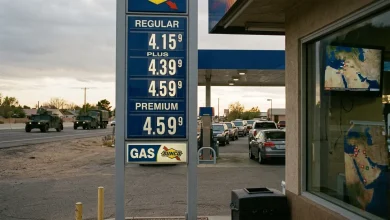
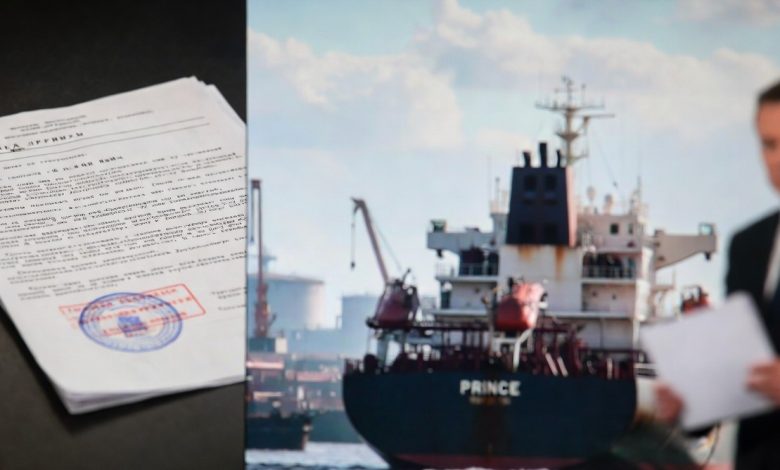
A new trade license, effective this Wednesday, has ignited a heated debate in the United Kingdom regarding the importation of Russian oil. This license permits the import of Russian oil that has been refined into jet fuel and diesel in third-party countries, including India and Turkey. The decision arrives amidst soaring fuel prices and concerns over potential jet fuel shortages, exacerbated by geopolitical tensions involving Iran and ongoing conflicts in the Middle East. The UK government defends the move as a necessary measure to protect British consumers from volatile market conditions, while opposition parties decry it as a contradiction of the nation’s stance against Russian aggression.
Background to the Trade License
In October of the previous year, the UK announced a ban on the import of refined oil products originating from Russia, a move intended to tighten sanctions against the Russian economy in response to its actions in Ukraine. However, the recent issuance of a trade license that allows the import of Russian oil refined in other countries presents a complex challenge to this policy. This shift has triggered significant political and economic discussions, highlighting the difficulties in implementing comprehensive sanctions while ensuring energy security and affordability for domestic consumers. The tension between these objectives is now at the forefront of British political discourse.
Details of the New Trade License
The newly implemented trade license specifically targets Russian oil that undergoes refinement processes in third countries before being imported into the UK. This includes jet fuel and diesel, critical components for transportation and various industries. Notably, the license has no specified end date, raising concerns about the long-term implications and potential for continued reliance on Russian oil. The government has stated that these licenses will be subject to regular review, suggesting a degree of flexibility and responsiveness to changing geopolitical and economic circumstances. The lack of a definitive end date, however, leaves room for speculation and criticism regarding the UK’s commitment to reducing its dependence on Russian energy resources.
UK Government’s Response
The UK government has defended the issuance of the trade license as a pragmatic response to the current energy market volatility and potential supply shortages. Officials argue that the license is a temporary measure designed to ensure a stable supply of essential fuels for British consumers. They emphasize that the policy aligns with the broader sanctions framework, as it does not involve direct purchases of crude oil from Russia, but rather refined products processed in other nations. The government’s position is that this approach balances the need to maintain economic pressure on Russia with the responsibility to protect domestic interests and prevent disruptions in fuel supply. This justification, however, has not quelled the concerns of opposition parties and some segments of the public, who view the license as a weakening of the UK’s stance against Russian aggression.
Opposition Criticism
The decision to issue the trade license has faced strong criticism from opposition parties, particularly from Conservative Party leader Kemi Badenoch, who accused the government of “choosing to buy dirty Russian oil.” Critics argue that allowing the import of Russian-refined products undermines the intended impact of sanctions and sends a contradictory message regarding the UK’s commitment to isolating the Russian economy. They contend that the government should prioritize alternative sources of fuel and implement stricter measures to reduce reliance on Russian energy, regardless of the refining location. The opposition’s stance reflects broader concerns about the ethical implications of indirectly supporting the Russian economy through the purchase of refined oil products. This criticism has amplified the political pressure on the government to justify its decision and demonstrate a clear strategy for transitioning away from Russian energy sources.
Starmer’s Defense of the License
In response to the criticisms, Prime Minister Starmer defended the government’s decision, explaining that the sanctions package announced in October is being phased in gradually. He emphasized that the issued license is a “targeted short-term” measure intended to protect British consumers from the adverse effects of a volatile market. Starmer clarified that the license does not represent a reversal of existing sanctions but rather a temporary adjustment to ensure the stability of fuel supplies during a period of heightened geopolitical risk. He reiterated the government’s commitment to reducing dependence on Russian energy and implementing the full sanctions package as planned. His defense seeks to reassure the public that the government remains firm in its opposition to Russian aggression while taking necessary steps to mitigate the economic impact on British citizens. This explanation, however, may not fully satisfy critics who advocate for a more immediate and comprehensive ban on all Russian-related energy imports.
The Context of Sanctions
The issuance of the trade license must be viewed within the broader context of international sanctions imposed on Russia following its actions in Ukraine. These sanctions aim to isolate the Russian economy, limit its access to international financial systems, and reduce its ability to fund military operations. The UK has been a prominent advocate for strong sanctions against Russia, working in coordination with allies in the European Union, the United States, and other countries. However, the implementation of sanctions has proven complex, with governments facing the challenge of balancing economic pressure on Russia with the need to protect their own economies and ensure stable energy supplies. The debate over the trade license highlights the inherent tensions and trade-offs involved in crafting and enforcing effective sanctions policies. The situation underscores the need for a coordinated international approach to ensure that sanctions are both impactful and sustainable in the long term. For example, the Trump administration also faced scrutiny for import taxes.
Volatile Market Conditions
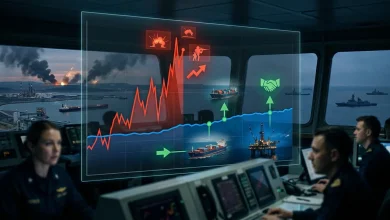
Several factors contribute to the current volatility in the global fuel market, including geopolitical tensions, supply chain disruptions, and increased demand. The ongoing U.S.-Israeli conflict with Iran, coupled with Iran’s control over the Strait of Hormuz, a critical waterway for oil shipments, has significantly impacted fuel prices. The Strait of Hormuz is a strategic chokepoint through which approximately one-fifth of the world’s oil supply passes, making it a sensitive area prone to disruptions. Any escalation of tensions in this region can have immediate and significant consequences for global energy markets, leading to price spikes and concerns about supply shortages. These conditions have created a challenging environment for governments seeking to ensure stable and affordable fuel supplies for their citizens, further complicating the implementation of sanctions against Russia. The potential for further disruptions in the Middle East underscores the need for diversification of energy sources and contingency planning to mitigate the impact of geopolitical events on fuel markets. Recent tensions are reminescent of other escalations in the region, for example, in 2019 when the Hormuz oil surge hit $110 as 2000 ships stranded in the gulf.
Review and Future of the Licenses
The UK government has committed to regularly reviewing the trade licenses, indicating a willingness to adjust its policy in response to changing circumstances. This review process will likely consider factors such as the geopolitical situation in the Middle East, the effectiveness of sanctions against Russia, and the impact on UK consumers. The government may also explore alternative sources of fuel and strategies to reduce reliance on Russian-refined products. The outcome of these reviews will determine the future of the trade licenses and the extent to which the UK continues to import Russian oil indirectly. The review process provides an opportunity for stakeholders, including opposition parties, industry groups, and civil society organizations, to provide input and influence the government’s decision-making. Transparency and accountability in the review process will be critical to maintaining public trust and ensuring that the UK’s energy policy aligns with its broader foreign policy objectives.
Impact Analysis on Consumers
The primary justification for issuing the trade license is to mitigate the potential impact of rising fuel prices on British consumers. High fuel costs can disproportionately affect low-income households and businesses, leading to increased transportation expenses, higher prices for goods and services, and reduced economic activity. By ensuring a stable supply of jet fuel and diesel, the government aims to prevent further price increases and protect consumers from economic hardship. However, critics argue that the long-term costs of indirectly supporting the Russian economy outweigh the short-term benefits of stable fuel prices. They suggest that the government should prioritize investments in renewable energy and energy efficiency measures to reduce dependence on fossil fuels and protect consumers from future price volatility. A comprehensive analysis of the economic and social impacts of the trade license is needed to fully assess its effectiveness and inform future policy decisions. This analysis should consider the potential trade-offs between short-term price stability and long-term sustainability and ethical considerations. A similar situation occured when the U.S. empty arsenal left Trump with zero options.
Geopolitical Implications
The UK’s decision to issue the trade license has broader geopolitical implications, particularly in the context of international efforts to isolate Russia and address its actions in Ukraine. The move could be interpreted as a weakening of the united front against Russia, potentially undermining the effectiveness of sanctions and sending a mixed message to other countries. The UK government must carefully manage its relationships with allies and partners to ensure that its energy policy does not undermine broader foreign policy objectives. Transparency and open communication with international partners are essential to maintaining trust and coordinating efforts to address global challenges. The UK’s actions will be closely scrutinized by other countries, and its response to criticism and concerns will shape perceptions of its commitment to international cooperation and the rules-based international order. These geopolitical considerations underscore the complexity of balancing national interests with broader global responsibilities in an interconnected world. Similarly, Hayya survives Israeli attempts amid Trump’s Gaza plan push.
Global Oil Trade: Key Data
| Country | Oil Production (Barrels/Day) | Oil Consumption (Barrels/Day) | Imports (Barrels/Day) | Exports (Barrels/Day) |
|---|---|---|---|---|
| United States | 18,870,000 | 20,540,000 | 6,210,000 | 9,120,000 |
| Russia | 10,940,000 | 3,630,000 | 0 | 5,000,000 |
| Saudi Arabia | 12,000,000 | 3,300,000 | 0 | 7,300,000 |
| China | 4,150,000 | 15,420,000 | 10,120,000 | 380,000 |
| India | 780,000 | 5,150,000 | 4,500,000 | 150,000 |
| United Kingdom | 840,000 | 1,550,000 | 800,000 | 200,000 |
Note: Data represents approximate figures for 2024 and may vary. Source: Energy Information Administration (EIA).
Conclusion
The UK’s decision to issue a trade license permitting the import of Russian-refined oil is a complex issue with significant economic, political, and geopolitical implications. The government’s justification for the license centers on the need to protect British consumers from volatile market conditions and potential fuel shortages. However, the decision has faced strong criticism from opposition parties and others who argue that it undermines the intended impact of sanctions against Russia and sends a contradictory message regarding the UK’s commitment to isolating the Russian economy. The ongoing debate highlights the challenges of balancing economic interests with ethical considerations and the complexities of implementing effective sanctions policies. The future of the trade licenses will depend on the outcome of regular reviews, the evolving geopolitical landscape, and the UK’s ability to diversify its energy sources and reduce reliance on Russian-related products. Ultimately, the UK’s approach to this issue will shape perceptions of its role in the international community and its commitment to upholding the rules-based international order. The situation also underscores the need for countries to consider the effects of their actions in a global environment. Just like the WHO data access concerns or the FCC orders early review of ABC licenses, the trade license needs to be scrutinized. Similarly, the recent conviction of Jason Meade in Ohio reflects ongoing tensions and scrutiny of governmental actions.