PepsiCo to Raise Prices on Single-Serve Snack Bags Amid Cost Pressures
PepsiCo Announces Price Hike on Single-Serve Snacks
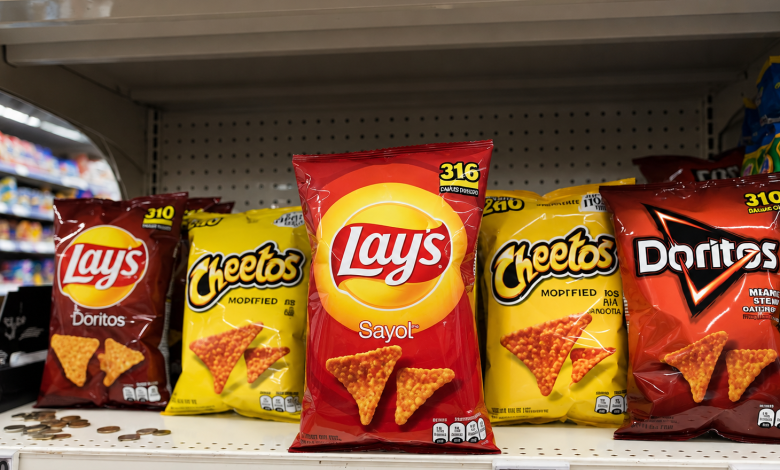
PepsiCo has confirmed its plan to increase prices on selected single-serve snack bags starting in late June, marking a notable shift in its pricing strategy. This decision comes after the company implemented a strategy of lowering prices on larger, take-home snack bags earlier this year. The increase, estimated to be between 10 to 20 cents per bag, will primarily affect products sold in convenience stores and checkout aisles. According to a source familiar with the matter, these changes are not related to disruptions caused by geopolitical events such as the Iran war, but rather stem from ongoing cost pressures across the company’s operations.
Strategic Pricing Split: A Dual Approach
The decision to raise prices on single-serve items while maintaining lower prices on larger bags highlights a strategic split in PepsiCo’s approach to different market segments. Earlier in the year, PepsiCo reduced prices on many larger take-home snack bags by up to 15% to attract cost-conscious consumers and families. This reduction played a significant role in driving nearly 9% revenue growth in the company’s most recent quarter. By keeping the prices of larger bags low, PepsiCo aims to maintain its appeal to families and consumers who prioritize value for money, especially amid broader economic uncertainties. It’s worth noting that economic uncertainties can be exacerbated by global events; for instance, tensions in the Strait of Hormuz can lead to oil price surges, indirectly affecting production and transportation costs.
The Rationale Behind the Increase
The primary driver behind the price increase on single-serve snack bags is the sustained cost pressures affecting PepsiCo’s business. These cost pressures can include rising expenses related to raw materials, manufacturing, transportation, and labor. Unlike the price reductions on larger bags, which were aimed at stimulating demand, the increase on single-serve items is designed to offset these rising operational costs. Single-serve items, often purchased on impulse or for immediate consumption, have a different demand dynamic compared to larger, planned purchases. This allows PepsiCo to adjust prices to maintain profitability without significantly impacting overall sales volume.
Consumer Response and Market Impact
The consumer response to this price increase will be closely watched by industry analysts and PepsiCo itself. Single-serve snacks are often considered discretionary purchases, and even a small price increase could influence consumer behavior. If consumers perceive the price increase as too significant, they may switch to alternative snack options or reduce their overall consumption of single-serve snacks. This could lead to a decline in sales volume and market share for PepsiCo in this segment. However, the company is betting that the convenience and immediate gratification associated with single-serve snacks will mitigate any significant drop in demand. It is also important to consider external factors such as economic conditions; for example, BlackRock might upgrade U.S. stocks depending on the economic outlook, potentially influencing consumer spending habits.
PepsiCo’s Broader Financial Strategy
PepsiCo’s decision to adjust pricing on specific product lines is part of a broader financial strategy aimed at balancing revenue growth, profitability, and market share. CFO Stephen Schmitt emphasized the company’s focus on “investing in value” during the last earnings call, indicating a commitment to providing affordable options for consumers. CEO Ramon Laguarta highlighted that lower prices on larger take-home snack bags were helping to bring shoppers back into the category, suggesting a belief that value-driven pricing can stimulate overall demand. The current adjustment on single-serve bags reflects a more nuanced approach, acknowledging the different price sensitivities and purchase behaviors associated with different product formats and retail channels.
Competitive Landscape and Industry Trends
PepsiCo operates in a highly competitive snack food industry, facing competition from both large multinational corporations and smaller, regional players. Companies like Mondelez International, Kellogg, and General Mills also compete for market share in the snack category. These companies also grapple with similar cost pressures and must make strategic decisions about pricing, product innovation, and distribution. Industry trends such as the increasing demand for healthier snack options, the rise of e-commerce, and the growing importance of sustainability are also shaping the competitive landscape. As consumer preferences evolve, PepsiCo and its competitors must adapt their product offerings and marketing strategies to remain relevant and competitive.
Affordability Commitment
PepsiCo has emphasized its commitment to affordability, particularly in the context of providing value to consumers during uncertain economic times. A PepsiCo Foods U.S. spokesperson stated that the company has “held the line” on its smallest chip bags “for nearly 15 years,” and that “most will still ring up under $3 and many under $2”. This statement underscores the company’s intention to maintain accessible price points for a significant portion of its product portfolio. By offering a range of price points and package sizes, PepsiCo aims to cater to a diverse consumer base with varying budgets and consumption habits. The company’s emphasis on affordability also serves as a strategic differentiator in a market where consumers are increasingly sensitive to price fluctuations. In some regions, economic pressures may be compounded by political instability, such as in Lebanon, where the country demands a ceasefire at Washington talks, further impacting consumer affordability and market dynamics.
Addressing Shrinkflation Concerns
PepsiCo has proactively addressed concerns about “shrinkflation,” which refers to the practice of reducing the size or quantity of a product while maintaining its price. The company has stated that pack sizes and product quality will remain unchanged despite the modest price increases on single-serve snack bags. This assurance is intended to reassure consumers that they are still receiving the same value for their money, even with the slight price adjustment. By explicitly addressing shrinkflation concerns, PepsiCo aims to maintain trust and transparency with its customer base. Maintaining product quality is paramount, especially considering potential supply chain disruptions that could arise from international tensions; for instance, failed deals involving Iran could impact global trade and material costs.
Regional Pricing Variations
While the announced price increase applies to single-serve snack bags across the United States, it is important to note that regional pricing variations may exist. Factors such as local taxes, transportation costs, and competitive pressures can influence pricing decisions at the regional level. Additionally, different retail channels, such as convenience stores, grocery stores, and vending machines, may have different pricing structures. Consumers may observe slight differences in prices depending on where they purchase their single-serve snack bags. PepsiCo likely takes these regional variations into account when implementing its overall pricing strategy to optimize sales and profitability in different markets.
Impact on Convenience Stores
The price increase on single-serve snack bags is likely to have a notable impact on convenience stores, which are a primary sales channel for these products. Convenience stores often rely on impulse purchases and immediate consumption, making single-serve snacks an important category for driving revenue and foot traffic. The price increase could potentially affect sales volume in these stores, as consumers may be more price-sensitive when making impulse purchases. Convenience store operators may need to adjust their merchandising and promotional strategies to mitigate any negative impact. They might also explore offering alternative snack options or loyalty programs to retain customers and maintain sales volume. The health of convenience stores also depends on broader economic trends; for example, grants halted by the Trump administration could affect local business environments.
Historical Pricing Context
Understanding the historical pricing context of PepsiCo’s snack products can provide valuable insights into the company’s long-term pricing strategies. PepsiCo, like other major food and beverage companies, has historically adjusted prices in response to changes in input costs, economic conditions, and competitive pressures. Analyzing past pricing trends can reveal patterns and cycles in the company’s pricing behavior. For example, examining how PepsiCo responded to previous periods of inflation or economic recession can provide a framework for understanding its current pricing decisions. Additionally, comparing PepsiCo’s pricing strategies to those of its competitors can shed light on industry-wide trends and competitive dynamics.
Future Outlook for PepsiCo
The future outlook for PepsiCo will depend on a variety of factors, including its ability to manage cost pressures, adapt to changing consumer preferences, and compete effectively in the global snack food market. The company’s success will also hinge on its ability to innovate and introduce new products that resonate with consumers. As consumer tastes evolve, PepsiCo must continue to invest in research and development to stay ahead of the curve. Additionally, the company must navigate geopolitical risks and uncertainties, such as potential trade wars or disruptions to global supply chains. By effectively addressing these challenges and capitalizing on emerging opportunities, PepsiCo can position itself for continued growth and success in the years to come.
| Factor | Impact |
|---|---|
| Cost Pressures | Increased operational costs due to raw materials, manufacturing, and transportation. |
| Consumer Response | Potential shift to alternative snacks or reduced consumption of single-serve items. |
| Competitive Landscape | Intense competition from major players like Mondelez International and Kellogg. |
| Affordability | PepsiCo’s commitment to providing affordable options for consumers. |
| Shrinkflation | Concerns about reducing product size while maintaining price, addressed by PepsiCo’s assurance of unchanged pack sizes. |
| Convenience Stores | Potential impact on sales volume due to increased price sensitivity for impulse purchases. |
In conclusion, PepsiCo’s strategic decision to raise prices on single-serve snack bags reflects a nuanced approach to balancing profitability and affordability amid ongoing cost pressures. While the company maintains its commitment to value through lower prices on larger take-home bags, this adjustment highlights the complexities of pricing strategy in a dynamic and competitive market. The consumer response and broader market impact will be closely monitored as PepsiCo navigates these challenges.
As PepsiCo adjusts its pricing strategy, other global events are also impacting business decisions. For example, the potential disruption of oil supplies can impact pricing and business strategy. Additionally, shifts in international relations, such as meetings between political figures, can influence economic policies and trade. Finally, events such as cyberattacks can disrupt supply chains and business operations, adding another layer of complexity to pricing and business decisions.
Furthermore, PepsiCo operates within a broader geopolitical context that can influence its business decisions. For instance, discussions and negotiations regarding ceasefires can impact market stability. Tensions and conflicts can disrupt supply chains and affect consumer confidence, leading to changes in demand and purchasing behavior. Staying informed about these global events is crucial for understanding the full scope of factors influencing PepsiCo’s strategies and actions.
External Link: NBC News