Greene Wins Michigan Senate Seat: A Blow to Republicans
Introduction
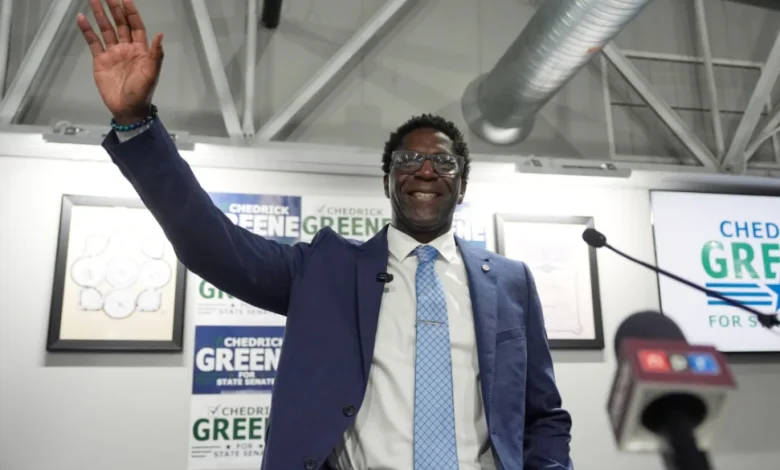
Kristen Greene, a Marine veteran and former firefighter, has secured a significant victory in the Michigan special election for the 35th Senate District. This win allows the Democrats to cement their control over the State Senate. Greene’s triumph over Republican Jason Tunney, a former prosecutor, not only fills the seat vacated by Kristen McDonald Rivet but also underscores shifting political dynamics within a crucial battleground state. The election results offer insights into voter sentiment and the evolving landscape of Michigan politics, especially in the context of recent presidential elections and national trends.
Election Results and Victory
The special election saw Kristen Greene achieving a decisive victory, leading Jason Tunney by a significant margin. With 55% of the expected vote tallied, Greene held a commanding 22-point lead over Tunney in Michigan’s 35th Senate District, located in the Saginaw Bay area. This substantial lead translated into a firm win for the Democratic candidate, reinforcing the party’s position in the State Senate. Greene’s ability to resonate with voters across the district was evident in the final count, marking a notable success for her campaign and the Democratic Party in Michigan.
Greene’s victory is particularly striking when compared to the 2024 presidential election results in the same district. During that election, Kamala Harris won the district by a razor-thin margin of just over 1,000 votes, securing 50.4% of the vote compared to Donald Trump’s 49.6%. Greene’s ability to expand upon this narrow victory and secure a more substantial lead highlights a potential shift in voter preferences or, at the very least, a strong performance by the Democratic candidate in this specific election cycle. This outcome suggests that local dynamics and candidate-specific factors played a significant role in swaying voters, leading to Greene’s notable win.
Michigan’s Political Landscape
Michigan’s political landscape is characterized by a divided government, with Democrats holding the governorship and a majority in the State Senate, while Republicans maintain an edge in the State House. Greene’s victory further solidifies the Democratic advantage in the Senate, giving them a 20-18 majority. This configuration presents both opportunities and challenges for governing the state effectively. While Democrats can advance their legislative agenda in the Senate, they must also navigate the Republican-controlled House, necessitating bipartisan cooperation to enact significant policies. The dynamics between these branches of government will likely shape the legislative outcomes and political discourse in Michigan for the foreseeable future. The recent political events, such as Greene’s victory, influence the balance of power within the state government, setting the stage for future political maneuvers and legislative priorities.
Special Election Trends
The outcome of this special election aligns with a broader trend observed during President Donald Trump’s second term, where Democrats have consistently outperformed former Vice President Kamala Harris’s performance in the 2024 presidential race. This trend suggests a potential shift in voter sentiment or a greater enthusiasm among Democratic voters in these specific electoral contests. Several factors might contribute to this trend, including increased voter mobilization efforts by the Democratic Party, specific local issues resonating with voters, or changing perceptions of the Republican Party and its policies. Analyzing these special election results provides valuable insights into the evolving political landscape and voter behavior across different regions and demographics. These trends can also influence the strategies and approaches adopted by both parties in future elections, as they seek to capitalize on emerging opportunities and address potential weaknesses.
District Demographics and Voter Sentiment
Michigan’s 35th Senate District, situated in the Saginaw Bay area, encompasses a diverse range of communities and demographics. Understanding the composition of this district is crucial for interpreting the election results and identifying the key factors that influenced voter behavior. The district likely includes a mix of urban, suburban, and rural areas, with varying levels of economic development and social diversity. Voter sentiment in the Saginaw Bay area is likely influenced by a variety of factors, including local economic conditions, concerns about environmental issues, and broader national political trends. Greene’s ability to connect with voters from different backgrounds and address their specific concerns played a significant role in her victory. Analyzing the demographic data and voter sentiment in the 35th Senate District can provide valuable insights into the factors that drive electoral outcomes and shape the political landscape of the region.
Candidates’ Backgrounds and Experience
The backgrounds and experiences of Kristen Greene and Jason Tunney offered voters distinct choices in this special election. Greene, as a Marine veteran and former firefighter, brought a background of public service and military experience to the race. Her campaign likely emphasized her commitment to serving the community and her ability to address the needs of working families. Tunney, as a former prosecutor, presented a law-and-order platform, focusing on public safety and his experience in the legal system. The contrast between their backgrounds and experiences likely resonated differently with various segments of the electorate, influencing their voting decisions. The candidates’ qualifications, policy positions, and campaign strategies all played a role in shaping the outcome of the election. Voters often consider a candidate’s history, expertise, and demonstrated leadership abilities when making their choices, making the candidates’ backgrounds a critical factor in the election dynamics.
Implications for State Legislation
With Kristen Greene’s victory, the Democrats now hold a 20-18 majority in the Michigan State Senate. This strengthened majority has significant implications for the types of legislation that can be proposed, debated, and potentially passed into law. The Democratic Party will likely prioritize issues aligned with their platform, such as investments in education, healthcare, environmental protection, and social justice initiatives. However, any legislative efforts will still require navigating the Republican-controlled State House, necessitating bipartisan negotiations and compromises. The dynamics between the Senate and the House will play a crucial role in shaping the legislative agenda and determining the final outcomes of key policy debates. Greene’s presence in the Senate adds another Democratic voice to these discussions, potentially influencing the direction and scope of legislative actions.
Potential National Impact
While a state senate election may seem localized, Greene’s victory in Michigan carries potential national implications, particularly given Michigan’s status as a key battleground state in presidential elections. The outcome of this special election can be interpreted as a barometer of voter sentiment and a potential indicator of broader political trends. A Democratic win in a district that was closely contested in the 2024 presidential election may signal a shift in voter preferences or an increased enthusiasm among Democratic voters. This can embolden the Democratic Party and inform their strategies for future elections, particularly in other swing states. Conversely, the Republican Party may need to re-evaluate their messaging and outreach efforts to regain ground in areas where they have been losing support. The results of this election could influence the national political discourse and shape the strategies of both parties as they prepare for upcoming elections.
Voter Turnout Analysis
Analyzing voter turnout in this special election is essential for understanding the dynamics that drove the outcome. Factors such as voter mobilization efforts, candidate appeal, and the perceived importance of the election can all influence turnout rates. Higher turnout among Democratic voters likely contributed to Greene’s victory, while lower turnout among Republicans could have hindered Tunney’s chances. Examining the demographic breakdown of voters who participated in the election can provide valuable insights into which groups were most engaged and motivated. Understanding the reasons behind voter turnout patterns can help inform future electoral strategies and improve voter engagement efforts. Additionally, analyzing whether the turnout differed significantly from previous elections in the district can reveal underlying shifts in voter behavior and political dynamics.
Here is a table summarizing the key aspects of the special election:
| Aspect | Details |
|---|---|
| Election | Michigan State Senate Special Election, 35th District |
| Winner | Kristen Greene (Democrat) |
| Loser | Jason Tunney (Republican) |
| Previous Incumbent | Kristen McDonald Rivet (Democrat, now in U.S. Congress) |
| Senate Control | Democrats now hold a 20-18 majority |
| District | Saginaw Bay Area |
| 2024 Presidential Result | Kamala Harris won by a narrow margin (50.4% to 49.6%) |
| Greene’s Lead | 22 points with 55% of votes counted |
| State Government | Divided: Democratic Governor and Senate, Republican House |
Expert Opinions and Analysis
Political analysts and commentators have offered various perspectives on the outcome of this special election, highlighting its significance for Michigan politics and beyond. Some experts argue that Greene’s victory reflects a rejection of Republican policies and a growing dissatisfaction with the Trump administration. Others suggest that local factors and candidate-specific attributes played a more significant role in shaping the results. Expert analysis often considers the broader political context, including national trends, economic conditions, and demographic shifts, to provide a comprehensive understanding of the election dynamics. These opinions and analyses contribute to a more nuanced interpretation of the election results and their potential implications for future political events. Observing the various viewpoints helps in understanding the complexities of political outcomes and the multitude of factors that influence voter behavior.
Future Elections and Predictions
The results of this special election may have implications for future elections in Michigan and other states. Both the Democratic and Republican parties will likely analyze the outcome to identify lessons learned and refine their strategies. The Democrats may seek to replicate Greene’s success in other districts, focusing on voter mobilization and candidate recruitment. The Republicans may need to reassess their messaging and outreach efforts to regain ground in areas where they have been losing support. Predictions about future elections are inherently uncertain, but the trends and dynamics observed in this special election provide valuable insights into the evolving political landscape. Factors such as economic conditions, national political trends, and candidate-specific attributes will continue to shape electoral outcomes in the years to come. Careful observation and analysis of these factors are essential for understanding the future direction of Michigan politics and the broader national political landscape.
The political climate remains volatile, and future elections will be shaped by numerous factors, including the performance of the economy, shifts in public opinion, and the effectiveness of campaign strategies. For instance, ongoing debates over economic policy, healthcare, and environmental regulations could significantly impact voter preferences. The ability of candidates to connect with voters on these key issues will likely determine their success in future elections. Moreover, the impact of national political figures and events on local races cannot be ignored, as voters often consider their views on national issues when making their choices in state and local elections.
Conclusion
Kristen Greene’s victory in the Michigan special election represents a significant win for the Democratic Party and underscores the evolving political dynamics within a crucial battleground state. Her ability to secure a commanding lead over her Republican opponent, Jason Tunney, highlights the importance of local factors and candidate-specific attributes in shaping electoral outcomes. This win solidifies the Democratic majority in the State Senate and sets the stage for potential legislative changes and policy debates. Furthermore, the outcome of this election aligns with broader trends observed during President Donald Trump’s second term, where Democrats have consistently outperformed former Vice President Kamala Harris’s performance in the 2024 presidential race. As Michigan moves forward, the implications of this election will continue to shape the state’s political landscape and influence the strategies of both parties as they prepare for future elections. The need for bipartisan cooperation remains essential for addressing the challenges and opportunities facing the state, and the dynamics between the Democratic-controlled Senate and the Republican-controlled House will play a crucial role in determining the final legislative outcomes. The election also underscores the importance of understanding voter sentiment and demographic trends in key districts, as these factors can significantly impact electoral results. You can read more about how political events impact different sectors, such as the defense industry. You can also see how international events can play a role in the shifting political landscape. Additionally, you can learn about how the US is working with Iran. You can also explore the potential impact of technological advancements on future elections. Finally, consider the role of public figures in shaping the narrative around political events.
For more information on related topics, consider reading about shifts in political focus here, or the influence of the former President here. To gain further insight, explore discussions regarding US and Iran relations here, here, and here. Additionally, read about the role of the US military in the Middle East here and the situation regarding the withdrawal of troops from Syria here.