Crypto Kidnappings Epidemic: French Tax Official Arrested Over Massive Data Leak
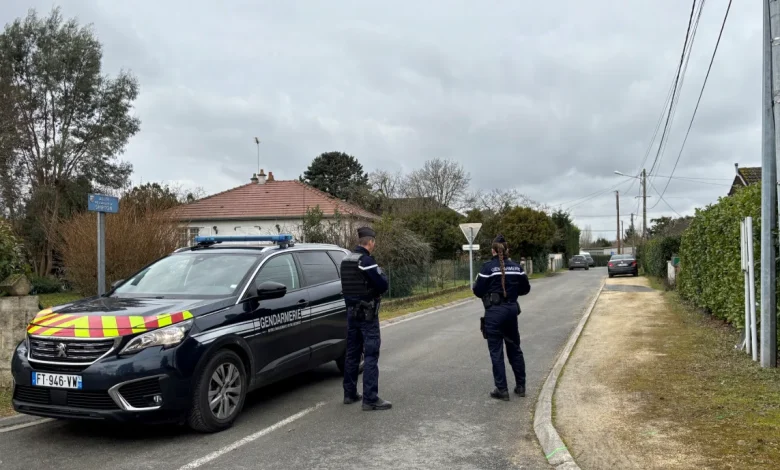
Crypto wealth has unexpectedly turned into a fatal physical liability in Europe’s second-largest economy. A high-ranking French tax official has been arrested for systematically selling the home addresses, private financial records, and exact portfolio valuations of cryptocurrency investors to highly organized criminal networks. This unprecedented breach of government trust has resulted in 41 brutal kidnappings across France since January 2026, averaging one abduction every 2.5 days. The criminals executing these home invasions and targeted attacks did not need to deploy sophisticated hacking techniques or zero-day exploits. Instead, they simply purchased a master list of vulnerable targets from a corrupt insider within the national tax authority. Consequently, security analysts and international human rights observers have officially declared France the most dangerous country in the world for individuals who hold significant digital assets. This catastrophic security failure highlights the extreme dangers of centralized data collection and aggressive regulatory overreach, fundamentally altering how citizens view government-mandated asset declarations.
The Anatomy of a Government Data Breach
The centralized collection of sensitive financial data has long been a hotly debated topic, but the recent events in France have transformed theoretical privacy concerns into bloody, real-world consequences. French citizens are legally required to declare all digital asset accounts held on domestic and foreign exchanges under the stringent Cerfa 3916-BIS tax form. This database was designed to prevent tax evasion and money laundering, yet it inadvertently created the ultimate target list for violent extortionists. Similar to how physical critical infrastructure becomes a devastating vulnerability when mapped by adversaries—a reality vividly demonstrated when undersea cables in Hormuz were mapped by Iran—the comprehensive mapping of citizens’ digital wealth proved to be an irresistible honey pot for organized crime.
How the French Tax Official Operated
Investigations reveal that the arrested official, a senior auditor within the Direction Générale des Finances Publiques (DGFiP), utilized elevated administrative privileges to bypass standard internal auditing flags. Over a period of six months, the official routinely queried the centralized database for individuals whose digital asset portfolios exceeded certain thresholds, specifically targeting holdings valued above €500,000. These queries pulled comprehensive dossiers including full legal names, primary residential addresses, secondary vacation homes, family compositions, and the precise balances of Bitcoin, Ethereum, and stablecoins. The data was exfiltrated via encrypted channels and sold on dark web marketplaces. The sheer simplicity of the breach mirrors severe vulnerabilities seen in other sectors, drawing terrifying parallels to the systemic risks exposed when Anthropic AI triggered a Fed summons over severe security risks. Both instances demonstrate that when high-value data is centralized, human corruption remains the most critical point of failure.
The Criminal Networks Purchasing the Data
The buyers of this highly sensitive information were not petty thieves. They were sophisticated, transnational organized crime syndicates equipped with tactical gear, surveillance capabilities, and extensive knowledge of blockchain technology. Recognizing that traditional bank transfers can be frozen or reversed, these syndicates targeted digital assets due to their irreversible nature. By purchasing the exact home addresses of wealthy investors, the syndicates bypassed the need for complex cybersecurity breaches, opting instead for brutal physical coercion. This evolution in criminal methodology has forced global intelligence agencies to reevaluate the intersection of digital wealth and physical security.
A Timeline of Terror: 41 Kidnappings Since January 2026
Since the beginning of 2026, the French populace has been gripped by an escalating wave of targeted home invasions and abductions. The statistical reality is deeply alarming: a verified crypto-related kidnapping occurs every 2.5 days. Victims have been taken from affluent neighborhoods in Paris, high-security estates in the French Riviera, and quiet provincial towns previously thought immune to such violence.
| Month (2026) | Recorded Kidnappings | Average Extortion Amount | Physical Injuries Reported |
|---|---|---|---|
| January | 9 | €450,000 | High |
| February | 12 | €620,000 | Severe |
| March | 14 | €850,000 | Critical |
| April (To Date) | 6 | €1,100,000 | Severe |
Modus Operandi of the Crypto Kidnappers
The operational tactics of these kidnapping rings are terrifyingly precise. Armed with detailed dossiers provided by the corrupt tax official, squads of three to five individuals breach the victim’s residence during early morning hours. They employ physical violence and psychological torture, often threatening family members, to extract hardware wallet passwords, seed phrases, and exchange login credentials. Because blockchain transactions are final and immutable, once the funds are transferred to the syndicates’ decentralized wallets, recovery is virtually impossible. Victims are typically released hours later, financially ruined and severely traumatized. The brazen nature of these attacks against high-profile domestic targets is reminiscent of state-sponsored aggression, echoing the geopolitical shockwaves felt when Iran attacked the French vessel CMA CGM Everglades, proving that French assets—whether maritime or domestic—are under unprecedented siege.
Why France is Now the Most Dangerous Country for Crypto Holders
The combination of aggressive tax reporting mandates and critical vulnerabilities in government data security has earned France the grim title of the world’s most dangerous jurisdiction for digital asset investors. Unlike countries with privacy-centric laws or minimal reporting requirements, the French government demands absolute transparency from its citizens while fundamentally failing to uphold its end of the security bargain. If a criminal enterprise knows exactly how much a target is worth and where they sleep, the risk of physical violence increases exponentially.
Regulatory Overreach vs. Citizen Protection
The crisis has sparked a massive political debate regarding the limits of government surveillance and data collection. Privacy advocates argue that forced disclosures of non-traditional assets create honeypots that invariably leak. When a government cannot secure the data it forcefully collects under the threat of punitive action, it becomes directly complicit in the resulting violence. The mandate to list every fractional share of a digital asset on a centralized tax return is now viewed not as a civic duty, but as a potential death sentence. The public outcry demands immediate legislative reform, seeking a balance between taxation and the fundamental right to personal security.
The Financial and Psychological Toll on the Crypto Community
The psychological impact on the European blockchain and Web3 community has been devastating. Investors who previously attended public meetups and openly discussed market strategies are now scrubbing their digital footprints. Social media accounts have been deleted, public profiles anonymized, and hardware wallets relocated to secure bank vaults. The psychological terror of knowing that a corrupted database could lead armed men to a child’s bedroom has profoundly altered the daily lives of thousands of innocent citizens.
Wealth Exodus: Investors Fleeing the Eurozone
Fearing for their lives, high-net-worth individuals are initiating a massive wealth exodus from France. Destinations such as Dubai, Switzerland, and jurisdictions with strong privacy protections are seeing an unprecedented influx of French tech entrepreneurs and blockchain developers. This capital flight represents a severe blow to the French economy, stripping the nation of innovation and substantial tax revenues. The rapid movement of capital to safer havens demonstrates the agility of digital wealth, much like the massive macroeconomic maneuvers observed when the U.S. Treasury spent $15B in a record debt purchase to stabilize traditional markets. In this case, however, citizens are moving their capital to stabilize their own physical safety.
Government Response and the Call for Decentralized Privacy
The French Ministry of the Interior and the Ministry of Economy and Finance are currently in a state of chaotic damage control. The immediate suspension of certain digital asset reporting requirements has been proposed, while internal audits are tearing through every department of the DGFiP. Meanwhile, the blockchain industry is accelerating the development of privacy-preserving technologies, such as Zero-Knowledge Proofs (ZKPs) and decentralized identification systems, arguing that citizens must never again be forced to trust vulnerable state databases with their personal safety.
Law Enforcement Under Pressure
French law enforcement agencies are entirely overwhelmed. Tracking decentralized assets across complex international mixing services while simultaneously hunting highly organized physical kidnapping rings requires resources that the national police currently lack. The crisis has prompted urgent collaborations with international agencies, including the Interpol cyber crime division, in a desperate bid to trace the dark web transactions that facilitated the initial data sale and track the stolen funds.
Securing Your Assets: What Investors Need to Know Now
In the wake of this catastrophic data breach, individuals holding digital assets must prioritize physical security alongside digital hygiene. Multi-signature (multisig) wallets, which require multiple devices or trusted parties to authorize a transaction, are highly recommended to deter physical coercion. Geographically distributing hardware backups, employing robust physical home security systems, and maintaining absolute operational security (OpSec) regarding financial status are no longer optional—they are essential survival strategies. As the French government scrambles to patch its compromised systems and hunt down the syndicates responsible for the 41 kidnappings, the global community watches in horror, learning a grim lesson about the fatal intersection of state surveillance, bureaucratic corruption, and physical crime.