Iran Attacks French Vessel CMA CGM Everglades In Hormuz
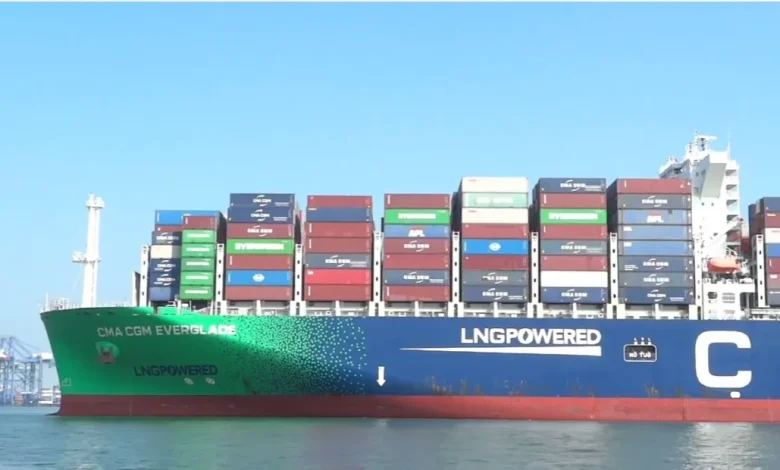
Iran has dramatically shattered the fragile illusion of maritime security in the Middle East by firing direct warning shots at a massive French shipping vessel, the CMA CGM Everglades, as it navigated through the highly contested Strait of Hormuz. This sudden and violent military escalation occurred mere hours after leadership in Tehran had seemingly signaled diplomatic intentions to reopen the critical waterway to standard global trade operations. Instead, the abrupt reversal has sparked intense outrage and deep alarm across global economic and international shipping sectors. The maneuver is ostensibly justified by Iranian military officials as a direct, strictly proportional response to the ongoing United States blockade of critical Iranian ports. By launching unprovoked munitions toward a commercial vessel, the Strait has effectively been transformed back into an unpredictable live-fire zone. The global economy, already teetering from persistent regional instabilities, must now rapidly and uncomfortably adjust to this renewed era of maritime hostility.
Iran Strikes Again: The Unfolding Crisis in the Strait of Hormuz
The Strait of Hormuz has long served as the world’s most strategically vital maritime chokepoint, a narrow passage through which a vast percentage of the world’s petroleum and commercial goods reliably traverse. For decades, the geopolitical balance in this corridor has rested on an unspoken agreement of mutual commercial passage, despite severe ideological differences among bordering nations. However, the latest maneuver by the Islamic Revolutionary Guard Corps Navy (IRGCN) violently breaks any semblance of a negotiated truce. Firing live munitions at a massive commercial vessel is not merely an act of intimidation; it represents a fundamental strategic pivot meant to terrorize the global logistics framework. Defense analysts are actively scrambling to reinterpret Iranian defense postures, noting that this aggressive tactic completely invalidates the temporary relief markets felt earlier in the week when diplomatic channels suggested a de-escalation was imminent.
The Attack on CMA CGM Everglades: A Tactical Overview
At approximately 0400 hours local time, the massive French-flagged container ship, CMA CGM Everglades, entered the inbound transit lane of the Strait of Hormuz. Radar telemetry and marine tracking data indicate the vessel was proceeding under standard navigational protocols when several fast-attack craft, distinctly displaying the insignia of the Iranian Revolutionary Guard, intercepted its path. Without standard marine radio warnings, the fast-attack craft aggressively closed the distance, breaking established protocols of commercial maritime safety. Moments later, heavy machine gun fire and small-caliber munitions ripped through the darkness, striking the upper superstructure of the colossal cargo ship. The tactical precision of the assault—aiming strictly high above the waterline and away from the bridge—confirms these were highly calculated warning shots designed to cripple morale and inflict localized damage without necessarily sinking the vessel.
Vessel Damage and Crew Safety Status
While immense relief has washed over the families of the mariners involved, the physical status of the CMA CGM Everglades remains deeply compromised. Preliminary incident reports confirm that absolutely no crew members sustained physical injuries during the harrowing encounter. The crew enacted immediate lockdown procedures, securing themselves in the fortified citadel of the ship while the captain broadcast frantic Mayday distress signals across all available frequencies. However, the vessel itself suffered notable superficial and structural damages. Navigation arrays, communication antennas, and sections of the upper deck hull armor were pierced by the live-fire barrage. The vessel has been forced to significantly reduce speed and is currently limping toward a safe harbor under the protective escort of hastily scrambled allied naval assets. The extensive damage to the specialized communication arrays indicates the attack was purposely designed to temporarily blind the commercial ship’s external relay systems.
Immediate Response from French Authorities
The government in Paris has issued a scathing, unequivocal condemnation of the unprovoked assault on the CMA CGM Everglades. Calling the attack an unacceptable breach of international law, French diplomats are actively mobilizing emergency sessions within the United Nations Security Council. The French defense ministry immediately ordered the deployment of additional naval surveillance units to the Persian Gulf, demanding total accountability from Tehran. Paris is also coordinating intimately with its European partners, framing this act of aggression as not merely an attack on French sovereign property but a direct assault on the fundamental principles of free international trade and maritime liberty.
The Justification: US Blockade of Iranian Ports
Tehran’s immediate and unapologetic justification for this startling military intervention centers entirely around the United States. Iranian state media broadcasts have framed the assault not as an act of piracy, but as a righteous defensive maneuver directly countering American economic warfare. The crippling U.S. naval blockade placed upon Iranian ports has severely choked the nation’s export capabilities, bringing domestic economic engines to a grinding halt. By suffocating Iran’s access to international markets, the U.S. strategy aimed to force sweeping diplomatic concessions. However, the strategy appears to have backfired kinetically. Iranian officials declared that as long as their sovereign ports are subjected to what they term “economic terrorism,” no Western-aligned vessel will be granted safe passage through Iranian-adjacent waters.
Retaliation as a Core Military Strategy
Historically, the Islamic Republic has utilized asymmetric naval tactics to project power when conventional economic or military avenues are blocked. Retaliation in the Strait of Hormuz is the ultimate trump card in Iran’s geopolitical deck. By threatening the CMA CGM Everglades, Iran forces the entire globe to intimately feel the pain of the American blockade. The strategy is designed to fracture the unified Western alliance by making European nations, like France, suffer collateral damage due to American foreign policy decisions. This calculated risk aims to pressure European capitals into lobbying Washington to ease the suffocating blockade in exchange for the restoration of maritime safety in the vital chokepoint.
The Rapid Reversal of the Reopening Promise
What makes this specific maritime incident profoundly shocking is the deeply cynical timing. Merely twenty-four hours prior, high-ranking Iranian diplomats had engaged in extensive back-channel communications, hinting strongly at a deal intended to open the Strait of Hormuz. Global logistics networks had literally just begun breathing a sigh of relief, preparing to reroute massive fleets back to their most efficient paths. The immediate pivot from diplomatic conciliation to live-fire aggression showcases a chaotic, highly fragmented decision-making process within Tehran’s ruling elite. Observers point out that this rapid policy oscillation mirrors other failed U.S.-Iran diplomatic deals, wherein hardline military factions deliberately sabotage moderate diplomatic overtures to maintain a posture of aggressive defiance.
Data Overview: Recent Maritime Incidents in the Strait
The frequency of hostile engagements in the region has escalated severely. To fully comprehend the unprecedented nature of the current threat environment, it is essential to analyze the timeline of recent maritime confrontations.
| Date of Incident | Targeted Vessel | Flag State | Nature of Encounter | Operational Status After Attack |
|---|---|---|---|---|
| April 2026 | CMA CGM Everglades | France | Direct Warning Shots | Damaged; Rerouted under Escort |
| March 2026 | MSC Aries | Liberia | Helicopter Boarding Attempt | Seized temporarily, subsequently released |
| January 2026 | Front Altair | Marshall Islands | Proximity Harassment by Fast Boats | Undamaged; Delayed transit |
| November 2025 | Stena Impero | United Kingdom | GPS Spoofing / Navigational Interference | Minor navigation systems failure |
Global Geopolitical Reactions and Market Impact
The international community has been remarkably swift to issue condemnations, but geopolitical unity remains notoriously difficult to maintain in the face of skyrocketing economic pressures. The reality of the Strait becoming a live-fire zone once more has triggered an avalanche of emergency meetings across NATO command centers and European economic boards.
European and US Alliances Under Extreme Pressure
The assault on a European vessel directly challenges the durability of transatlantic relations. European nations have historically preferred diplomatic and economic engagement with Tehran, actively resisting the maximum pressure campaigns frequently championed by Washington. However, with French sovereign assets now under direct military fire, Paris and its allies are being aggressively pushed into a corner. Washington sees this as ultimate vindication of their hardline blockade policies, arguing that only overwhelming force deters Iranian aggression. Conversely, European diplomats are quietly furious that U.S. unilateral blockades have made their commercial fleets the primary targets of Iranian retribution.
Global Energy Markets and Logistics Crises
The immediate economic fallout from the assault has been seismic. The cost of marine insurance premiums for vessels attempting to transit the Strait of Hormuz has essentially quadrupled overnight. Many massive commercial carriers are making the agonizing, extremely costly decision to entirely avoid the Middle East, instead routing vessels thousands of miles out of the way around the Cape of Good Hope. Despite global oil prices holding below the crucial $100 mark earlier this month, the renewed violence threatens to spark a massive speculative rally in energy markets. A sustained closure or continued militarization of the Strait threatens to ignite a global inflationary shockwave, disrupting the supply lines of raw petroleum, liquefied natural gas, and tens of thousands of manufactured consumer goods.
Examining the Escalating Rhetoric from Tehran
The rhetoric emanating from the Islamic Republic’s top echelons has adopted an uncompromising, martial tone. Following the CMA CGM Everglades incident, hardline generals went on state television to declare that the “era of unpunished Western maritime dominance has ended.” This hyper-nationalistic messaging is largely aimed at domestic audiences suffering under the crushing weight of hyperinflation brought on by the U.S. blockade. By painting the military as the sole defenders of Iranian dignity against imperial aggression, the regime attempts to consolidate its fracturing domestic support. The messaging explicitly warned that the warning shots fired at the French vessel represent merely a fraction of the defensive capabilities at their disposal, overtly threatening to unleash swarm tactics, sophisticated anti-ship ballistic missiles, and underwater mine warfare should the port blockades continue.
What This Means for International Shipping Networks
For the captains and corporate executives managing the world’s most critical logistical networks, the situation is completely untenable. The global supply chain operates on predictability, tight margins, and optimized routes. When the primary artery of global trade transforms into a battlefield, the entire system faces catastrophic friction. Independent regulatory bodies, including the International Maritime Organization, are urgently reviewing safety protocols and issuing red-level advisories for all commercial shipping in the Persian Gulf. Shipping conglomerates are now forced to weigh the immense costs of rerouting against the existential danger of subjecting their crews and multi-million-dollar cargo loads to live military fire. Several major maritime labor unions are threatening widespread strikes, refusing to send civilian mariners into active conflict zones without guaranteed military escorts.
Looking Ahead: Can Diplomatic Channels Prevent Open Warfare?
The attack on the CMA CGM Everglades stands as a terrifying inflection point in the modern history of Middle Eastern geopolitics. As the massive French vessel limps toward safe harbor with its structural scars bearing silent witness to the sudden eruption of violence, the window for diplomatic de-escalation is closing with terrifying speed. The tit-for-tat dynamic—where U.S. blockades trigger Iranian maritime assaults, which in turn invite heavier Western military deployments—creates a self-sustaining cycle of inevitable conflict. If the international community cannot rapidly forge a back-channel compromise that addresses both the safety of international commercial navigation and the economic strangulation of Iranian ports, the “warning shots” of today are virtually guaranteed to become the catastrophic sinking of commercial vessels tomorrow. The entire world watches nervously, knowing that a single miscalculation in the narrow, volatile waters of the Strait of Hormuz could ignite a sweeping, uncontrollable global conflict.