Israel Refuses Southern Lebanon Withdrawal Despite Ceasefire
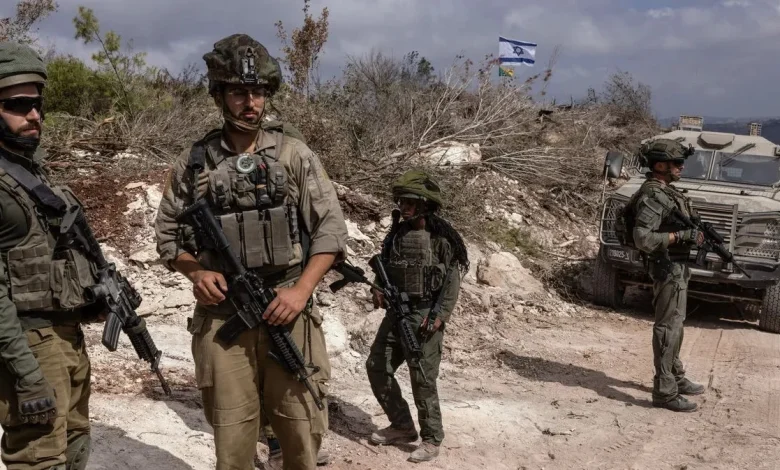
Israel Confirms Military Stance in Southern Lebanon
Israel is asserting its military dominance by refusing to relinquish control over the strategic zones it has systematically cleared in southern Lebanon over the past several months. The Israel Defense Forces (IDF) have spent significant resources dismantling Hezbollah’s extensive subterranean infrastructure, seizing weapons caches, and neutralizing the threat posed by the elite Radwan forces along the Blue Line. By maintaining these positions, the military aims to establish a de facto buffer zone that physically prevents Hezbollah operatives from returning to the border and threatening northern Israeli communities. This approach represents a fundamental shift from previous conflicts, where diplomatic agreements often precipitated a rapid withdrawal of Israeli forces. Today, the military paradigm dictates that tactical gains must be preserved until comprehensive security guarantees—far beyond mere political promises—are irreparably enforced.
Defense Minister Katz’s Uncompromising Directives
Israel Katz’s statements carry the full weight of the nation’s defense establishment, signaling a resolute departure from international expectations. By emphasizing that the IDF’s objectives “are not yet complete,” Katz is telegraphing to both domestic audiences and international observers that the military retains the mandate to operate freely within the captured territories. This directive implies ongoing intelligence gathering, structural demolitions, and preemptive strikes against any re-emerging threats within the held zones. The defense establishment views this continued occupation not as a violation of the ceasefire, but as a necessary prerequisite to ensure the ceasefire’s viability. If the IDF were to withdraw prematurely, military strategists argue, Hezbollah would simply backfill the vacuum, rendering the recent months of intense warfare utterly futile. Therefore, the directive to “hold all areas” is both a tactical necessity and a strategic imperative designed to force a broader geopolitical capitulation from adversaries.
Analyzing the Fragile Ceasefire Reality
Israel recognizes that the newly enacted ceasefire is extraordinarily fragile, built upon a foundation of mutual exhaustion rather than genuine conflict resolution. While international diplomats celebrate the cessation of rocket fire and aerial bombardments, the underlying tensions remain completely unresolved. As extensively covered in analyses regarding the delays surrounding the Lebanon ceasefire, the political maneuvers leading up to this morning’s pause were fraught with distrust and contradictory stipulations. A ceasefire, in the context of the Israel-Hezbollah conflict, frequently functions as a tactical pause—a brief window for both sides to rearm, reassess, and reposition. By deciding to maintain its grip on southern Lebanon, the Israeli government is aggressively dictating the terms of this pause, ensuring that if hostilities resume, the IDF will do so from an advantageous forward position.
The Disconnect Between Diplomatic Accords and Ground Truths
Israel consistently faces a glaring disconnect between the sanitized language of international diplomatic accords and the harsh, bloody realities of ground combat. Historically, agreements brokered in global capitals fail to address the granular complexities of asymmetric warfare. The United Nations Interim Force in Lebanon (UNIFIL) and the parameters of UN Resolution 1701 have repeatedly proven inadequate in preventing the militarization of southern Lebanon by non-state actors. Defense Minister Katz’s refusal to withdraw is a direct indictment of this diplomatic failure. The Israeli perspective maintains that reliance on international peacekeeping bodies is a proven risk to national security. Thus, the IDF’s physical presence serves as the only reliable guarantor of safety for the tens of thousands of displaced Israeli citizens waiting to return to their homes in the north.
The IDF Strategy: Holding Cleared Territories
Israel has evolved its military doctrine to prioritize long-term territorial denial over punitive expeditionary raids. The strategy of holding cleared territories in southern Lebanon serves multiple operational objectives. Primarily, it denies Hezbollah the physical space required to launch short-range projectiles and anti-tank guided missiles at Israeli civilian centers. Secondly, it provides the IDF with advanced staging grounds for deeper incursions should the conflict escalate further. Finally, it serves as a massive point of leverage in any future political negotiations. As debates continue over whether moving beyond Netanyahu and Hezbollah brings stability, the IDF’s actions on the ground remain ruthlessly pragmatic, detached from the swirling political discourse and laser-focused on immediate tactical supremacy.
Hezbollah’s Position and Regional Ramifications
Israel understands that its continued occupation of southern Lebanon places immense pressure on Hezbollah, both militarily and politically. Hezbollah, having suffered unprecedented leadership decapitations and massive structural damage, is struggling to project strength. The group’s inability to expel the IDF forces from Lebanese territory severely undermines its self-proclaimed status as the “defender of Lebanon.” This dynamic creates immense domestic pressure within Lebanon, where political factions are increasingly vocal in their opposition to Hezbollah’s unilateral decisions that have dragged the nation into ruin. Furthermore, the regional ramifications are vast. Observers note that Iran has previously warned that excluding Lebanon from broader ceasefire parameters risks a new war, demonstrating that the IDF’s current footprint is a direct challenge to the broader Axis of Resistance.
Historical Context of the Southern Lebanon Border
Israel shares a deeply traumatizing and complex history with southern Lebanon, a theater of operations that has witnessed decades of bloodshed. The ghosts of the 1982 invasion and the subsequent 18-year occupation loom large over current strategic decisions. Similarly, the inconclusive results of the 2006 Second Lebanon War remain a point of intense scrutiny within Israeli military academies. Today’s decision to hold the line is heavily informed by these historical lessons. The overarching consensus within the Israeli defense establishment is that premature withdrawals—such as the unilateral pullout in 2000—inevitably sow the seeds for more devastating future conflicts. By refusing to withdraw now, Katz and military leaders are attempting to break this historical cycle, opting for immediate friction over deferred catastrophe.
International Reactions to the Continuing Occupation
Israel is navigating a complex web of international condemnation and quiet diplomatic backing. While the United Nations and various human rights organizations have swiftly criticized the continued military presence in sovereign Lebanese territory, key Western allies are proceeding with caution. According to extensive analysis published by Reuters, the international community is acutely aware that forcing an Israeli withdrawal without ironclad security mechanisms will only accelerate the next war. Concurrently, regional diplomatic channels are strained, highlighted by the fact that Lebanon officially refuses direct talks, severely complicating any efforts to translate the current ceasefire into a formalized border treaty. This diplomatic stalemate further entrenches the IDF’s physical occupation of the territory.
Washington and European Diplomatic Pressures
Israel faces intense scrutiny from Washington and key European capitals, who view the ongoing occupation as a liability to broader Middle Eastern stability. The United States, while a staunch ally, has heavily invested diplomatic capital in brokering the ceasefire and views Katz’s declarations as counterproductive to regional de-escalation efforts. European nations, particularly France, which maintains deep historical ties to Lebanon, are pushing aggressively for a timeline outlining an eventual IDF withdrawal. However, the Israeli government remains highly resistant to artificial deadlines, insisting that withdrawal is entirely contingent upon verifiable behavioral changes from Hezbollah and strict enforcement of arms embargoes along the Syrian-Lebanese border.
Data Breakdown: The Cost of the Conflict
Israel has absorbed monumental economic and social costs throughout this conflict, reinforcing the necessity that the military operations yield permanent strategic dividends. Below is a summary of the conflict’s strategic posturing and objectives:
| Strategic Element | Israeli IDF Position | Hezbollah Position | Ceasefire Implication |
|---|---|---|---|
| Territorial Control | Holding all cleared zones south of the Litani River. | Demanding total withdrawal; operating from secondary lines. | De facto buffer zone maintained despite signed accords. |
| Military Infrastructure | Systematic demolition of tunnels and staging posts. | Attempting to preserve remaining stockpiles and command hubs. | IDF reserves right to preemptively strike rebuilding efforts. |
| Diplomatic Stance | Refuses reliance on UNIFIL; demands absolute security guarantees. | Relies on Lebanese state to pressure international withdrawal demands. | Stalemate prevents a transition from ceasefire to permanent peace. |
What This Means for Future Regional Security
Israel is unequivocally setting the operational tempo for the Middle East’s immediate future. By decoupling the concept of a ceasefire from the necessity of troop withdrawal, the defense establishment is rewriting the rules of engagement. This strategy implies that future conflicts in the region will likely feature prolonged holding patterns, where military forces occupy strategic terrain indefinitely until political realities catch up with the realities forged by armor and infantry. The message to adversaries is clear: provocations will result in the permanent loss of tactical territory.
Potential Escalation Versus Tactical Pauses
Israel remains acutely aware that the current situation is a powder keg. If Hezbollah attempts to violently contest the IDF’s presence in the cleared areas, the ceasefire will disintegrate instantly, plunging the region back into full-scale war. Conversely, if the tactical pause holds, it may provide the necessary friction to force a complete renegotiation of the southern Lebanon security architecture. Defense Minister Katz’s assertion that the accomplishments “are not yet complete” guarantees that the IDF will remain on high alert, fully prepared to transition from a holding pattern back into devastating offensive maneuvers at a moment’s notice. The coming weeks will be critical in determining whether this aggressive posturing leads to a durable, enforceable peace or serves merely as the prelude to a far more destructive chapter in the region’s history.