Ceasefire Talks: Asim Munir Meets Ghalibaf in Tehran
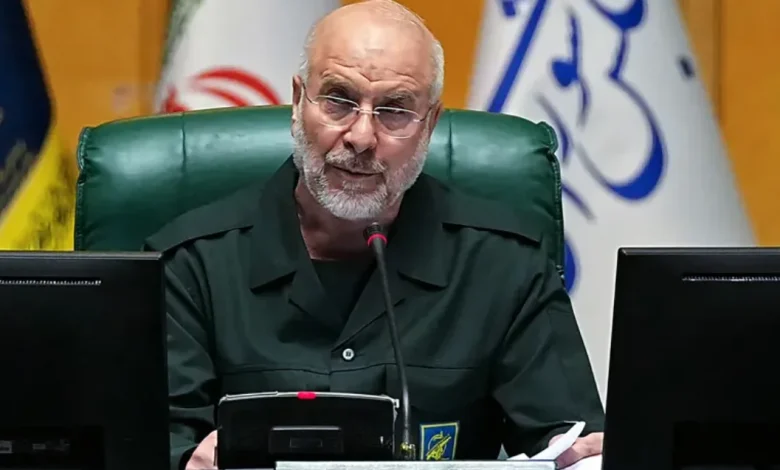
Ceasefire negotiations have reached an unprecedented milestone as Pakistan’s Army Chief, General Asim Munir, arrived in Tehran for a series of high-stakes discussions with Iranian Parliament Speaker Mohammad Baqer Ghalibaf. General Munir, widely recognized as the primary architect behind the fragile U.S.-Iran truce and the driving force organizing the historic Islamabad talks, is now undertaking a sophisticated diplomatic maneuver to ensure broader regional stability. In recent statements, Speaker Ghalibaf explicitly informed his Lebanese counterpart, Nabih Berri, that Tehran is vehemently pushing for a permanent halt to hostilities across all interconnected conflict zones in the Middle East. Describing the stabilization of Lebanon as fundamentally “just as important” as securing Iran’s own borders, Tehran is aggressively lobbying for Beirut to be completely integrated into any final, comprehensive agreement brokered by international powers.
Ceasefire Diplomatic Breakthrough: Asim Munir’s Historic Visit to Tehran
The diplomatic corridors of Tehran are buzzing following the arrival of Pakistan’s military leader. General Asim Munir’s proactive engagement represents a massive paradigm shift in regional geopolitics. By stepping beyond traditional military duties, Munir has successfully positioned Islamabad as the premier mediator capable of bridging the severe trust deficit between Washington and Tehran. His arrival in Iran underscores a broader, calculated effort to consolidate the gains made during early negotiation phases and to prevent regional fragmentation. With the Middle East currently balancing on the razor’s edge of broader conflict, Munir’s presence sends a loud, unmistakable signal that Pakistan is deeply committed to anchoring peace and establishing long-term regional security architectures.
The Mastermind Behind the Islamabad Peace Talks
To fully grasp the magnitude of today’s meetings, one must look backward to the inception of the Islamabad peace talks. General Munir engineered a remarkably resilient framework that ultimately forced conflicting parties to the negotiation table, preventing an all-out catastrophic regional war. His methodology relied heavily on leveraging Pakistan’s unique position—a nuclear-armed Muslim-majority state possessing a massive, capable military, alongside historically intricate ties to both American and Iranian defense establishments. The resulting dialogue framework has laid the necessary foundation for de-escalation, culminating in intense diplomatic sessions where American representatives, including key figures arriving in Pakistan under what sources describe as strict presidential guidelines issued, began hammering out actionable parameters for a sustained truce. Munir’s role is no longer merely advisory; he is the indispensable anchor holding the fragile ceasefire infrastructure together.
Lebanon’s Critical Role in the Middle East Peace Framework
While the immediate focus has predominantly centered on direct U.S.-Iran engagements, the Lebanese theater remains a profoundly critical pivot point. Tehran recognizes that a localized truce that alienates its allies in the Levant would ultimately collapse under its own weight. Iran’s geopolitical doctrine relies heavily on the “Axis of Resistance,” making the inclusion of Lebanon non-negotiable from their strategic standpoint. Disentangling the proxy conflicts without addressing the Lebanese border crisis would merely delay, rather than prevent, future warfare. Consequently, Iran’s diplomatic machinery is working overtime to weave Lebanon into the broader tapestry of the regional peace process.
Ghalibaf’s Strategic Reassurance to Nabih Berri
Parliament Speaker Mohammad Baqer Ghalibaf’s direct communication with Nabih Berri, the Speaker of the Lebanese Parliament, illuminated Tehran’s absolute commitment to its allies. Ghalibaf unequivocally stated that the cessation of violence in Lebanon is treated with identical urgency and importance as the direct security of Iran. This reassurance comes at a vital juncture, as various factions within Lebanon remain highly skeptical of international diplomatic efforts. The Iranian lobbying effort seeks to unify the negotiation fronts, demanding that any permanent agreement with Western powers must simultaneously halt the aggressive military campaigns targeting Lebanese sovereignty. This linkage strategy is highly ambitious and places significant pressure on international mediators to devise comprehensive, multi-theater solutions rather than piecemeal, localized truces. As Lebanon demands a ceasefire at Washington talks, aligning these fragmented diplomatic fronts under a single cohesive umbrella remains the primary challenge for General Munir.
Analyzing the Pakistan-Iran Security and Diplomatic Nexus
The strategic convergence between Pakistan and Iran is rapidly evolving from a transactional border-security relationship into a profound diplomatic alliance. For decades, the bilateral relationship was marred by mutual suspicions, sporadic cross-border militant activities, and sectarian complexities. However, the existential threat of a massive regional war involving global superpowers has catalyzed a rapid, pragmatic rapprochement. Islamabad recognizes that instability in Iran directly threatens Pakistan’s economic corridors, energy security, and domestic tranquility. Conversely, Tehran views Pakistan as a powerful, necessary buffer and a credible diplomatic conduit to the West.
Bridging the Divide: Military Diplomacy in Action
General Munir’s meetings with Iranian leadership demonstrate the effectiveness of military diplomacy. When traditional civilian diplomatic channels break down under the weight of ideological posturing and immense political pressures, military-to-military communications often maintain functional, pragmatic dialogues. Munir’s discussions with Ghalibaf are steeped in realistic assessments of ground realities, troop deployments, and logistical constraints. The shared understanding between military operators and politically powerful figures like Ghalibaf bypasses the bureaucratic inertia that frequently plagues international relations, enabling rapid consensus-building on crucial issues such as intelligence sharing, border enforcement, and unified diplomatic messaging.
Comparative Analysis: Active Conflict Zones and Mediation Status
To effectively evaluate the vast intricacies of the current diplomatic environment, it is imperative to analyze the distinct, yet intertwined, conflict zones currently under negotiation. The following data table provides a structural breakdown of the ongoing mediation efforts across the Middle East.
| Conflict Theater | Primary Mediators | Key Diplomatic Demands | Current Resolution Status |
|---|---|---|---|
| U.S. – Iran Escalation | Pakistan (General Asim Munir), Oman | Lifting of aggressive sanctions, halting of proxy militia strikes, restoration of economic pathways. | Fragile Truce (Active Negotiations in Islamabad) |
| Israel – Lebanon Border | France, United States, Egypt | Withdrawal of militant forces from the border, cessation of aerial bombardment, long-term stability pacts. | Stalled (Awaiting Iranian-U.S. Deal Linkage) |
| Red Sea Maritime Corridor | China, Regional Arab Coalitions | Unrestricted navigation, halting of anti-ship missile deployments, easing of maritime blockades. | Volatile (Sporadic Clashes Ongoing) |
| Syrian Transit Routes | Russia, Turkey | Prevention of military weapons transfers, stabilization of sovereign territorial borders. | Deadlocked (Heavy International Sanctions) |
Hurdles in the Quest for a Permanent Middle East Resolution
Despite the immense diplomatic strides spearheaded by Islamabad, the road to a permanent, comprehensive settlement is fraught with perilous obstacles. A primary concern is the deeply entrenched political survival strategies of the conflicting parties. Hardliners on all sides view concessions as unacceptable signs of weakness. For any comprehensive truce to hold, it requires unprecedented compromises from regional actors who have spent decades building their entire political identities on absolute opposition to their adversaries.
Washington’s Calculations and Islamabad’s Mediation Dilemma
In Washington, domestic political calculations continually threaten to derail the momentum of the peace talks. The looming midterms and intense lobbying efforts constantly pressure the administration to maintain a strict, uncompromising posture. Meanwhile, Islamabad faces the extraordinarily complex dilemma of maintaining strict neutrality. Should General Munir be perceived as leaning too heavily toward Iranian interests, the United States could easily collapse the framework. Additionally, Israel’s strategic objectives present a severe bottleneck. Observers globally continue to debate will Netanyahu prolong the truce to achieve military objectives before political realities force his hand, heavily complicating the integration of Lebanon into Iran’s proposed comprehensive deal. Consulting international geopolitical analysts highlights that without securing Israeli compliance, the Lebanon facet of the agreement remains practically impossible to implement.
Iran’s Domestic Imperatives Driving the Push for Peace
Tehran’s intense lobbying for a permanent halt to hostilities is not born solely out of strategic magnanimity; it is deeply rooted in severe domestic imperatives. Years of crippling economic sanctions, currency devaluation, and widespread public unrest have stretched the Iranian state’s resources to an absolute breaking point. The leadership recognizes that sustained, multi-front military engagements are economically ruinous and politically unsustainable in the long run.
Consolidating Power and Stabilizing the National Economy
The recent socio-political shifts inside Tehran have drastically altered the internal power dynamics. Securing a broad regional truce that fundamentally secures Iran’s geopolitical interests without necessitating active combat allows the leadership to redirect crucial attention and vastly depleted financial resources inward. By championing a peace deal that successfully integrates Lebanon and protects regional allies, the government can frame the diplomatic outcome as a monumental victory, thereby solidifying domestic support. This strategic pivot to consolidation is exceptionally critical following recent structural changes that have solidified an unprecedented hardline regime in Iran, which paradoxically requires absolute economic stability to govern effectively moving forward.
The Path Forward: Designing a Comprehensive 2026 Regional Settlement
As the intense discussions in Tehran conclude, the ultimate success of General Asim Munir’s mediation framework hinges entirely on synchronized, multi-lateral execution. The clear linkage of the Lebanon theater to the broader U.S.-Iran negotiations by Speaker Ghalibaf adds a layer of extreme complexity, yet it also presents a rare, holistic opportunity for lasting peace. If Pakistan can successfully navigate the treacherous waters of international diplomacy, maintaining trust with both Western powers and the Axis of Resistance, a comprehensive 2026 regional settlement is distinctly attainable. The coming weeks will prove absolutely decisive. The world watches closely as military commanders transition into masterful diplomats, attempting to forge a stable, permanent reality out of the ashes of continuous regional conflict.