Weichai Power’s WP15: World’s First Heavy-Duty Hydrogen Engine
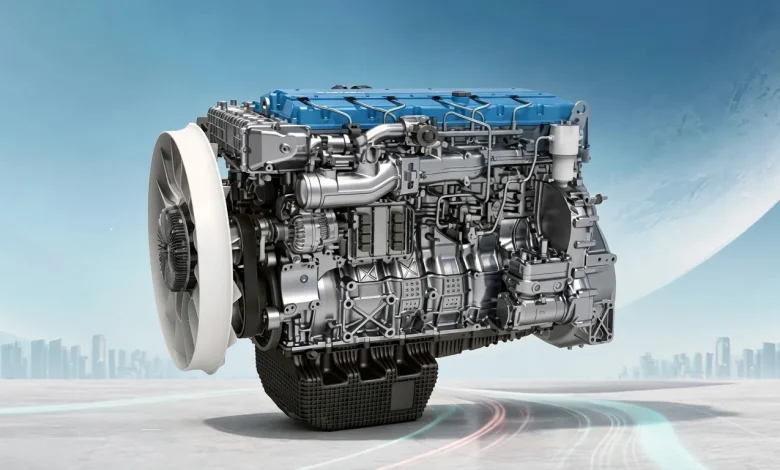
Table of Contents
Weichai Power’s WP15 hydrogen direct-injection engine represents a watershed moment in the global transition toward zero-carbon heavy-duty transportation. Unveiled as a masterpiece of green powertrain engineering, this 14.6-liter heavy-duty engine is the first in-cylinder direct-injection hydrogen internal combustion engine (ICE) in the world to pass the complete, highly demanding China VI vehicle emission certification tests. Conducted at the prestigious CATARC Automotive Test Center in Tianjin, the milestone certification establishes China’s rising dominance in the hydrogen mobility sector. As global industries push to find viable alternatives to diesel power, this engine offers a highly practical, powerful, and cost-effective solution designed to ease the transition from fossil fuels without requiring a total redesign of manufacturing supply chains. The rollout of clean propulsion technology has become a focal point of discussions at international policy forums and advanced technological summits alike, signifying a broader industrial pivot toward sustainable heavy equipment.
Introduction to Weichai Power’s WP15
The global push for carbon neutrality has placed immense pressure on the heavy-duty transportation sector. Traditional diesel engines, while reliable and highly capable of hauling immense loads over long distances, are primary sources of greenhouse gases and particulate pollution. In response, Weichai Power—a Chinese manufacturing giant with over 80 years of history in engine research and development—has introduced a revolutionary product that bridges the gap between conventional internal combustion engineering and green technology. The Weichai WP15 hydrogen direct-injection engine represents an evolutionary jump. Unlike battery-electric solutions, which struggle with the weight and range limitations of heavy trucks, or hydrogen fuel cells, which remain extremely expensive to manufacture, this hydrogen internal combustion engine uses direct combustion of hydrogen to produce motive power with near-zero carbon emissions.
On July 3, 2026, Weichai Power made global headlines when the WP15 officially completed all core validation tests under China’s National VI emissions regulations. This rigorous certification process, which monitors emissions under real-world operating conditions, confirms that the WP15 is not just a laboratory prototype but a commercial-ready powertrain capable of handling the most punishing industrial applications.
The Scientific Breakthrough of Hydrogen Combustion
Engineers have long known that burning hydrogen in an internal combustion engine is a theoretically clean alternative to diesel. However, translating theory into a commercially viable, reliable, and high-performance heavy-duty engine has historically been plagued by severe engineering challenges. Hydrogen has a very wide flammability range, high flame speed, and extremely low ignition energy. In older port-fuel injection hydrogen engines, these characteristics frequently led to pre-ignition (premature combustion before the intake valve closes) and backfiring into the intake manifold, which severely limited power output and risked damaging the engine structure.
The WP15 solves these problems through an advanced in-cylinder direct-injection architecture combined with a flexible spark-ignition system. By injecting hydrogen directly into the cylinder at high pressure after the intake valves have closed, the WP15 completely eliminates the risk of backfiring. This direct-injection strategy allows for precise control over the fuel-air mixture, optimizing the combustion profile and mitigating the high-temperature spikes that can lead to mechanical stress and pre-ignition. This scientific breakthrough enables the engine to operate smoothly under extreme loads while achieving performance parity with traditional heavy-duty diesel platforms.
Technical Specifications and Performance Metrics
Designed specifically to meet the high demands of heavy transport, logistics, and heavy industrial machinery, the WP15 boasts an array of industry-leading specifications. With a substantial displacement of 14.6 liters, the engine is designed for high-stress continuous operations. During its certified testing at the CATARC test facility, the WP15 delivered a peak power output of 600 horsepower and an impressive peak torque of 2,800 Nm. This places the WP15 at the top tier of performance in its displacement class, matching or exceeding the capabilities of standard diesel engines utilized in transcontinental freight and heavy mining operations.
To understand how this technology positions itself against current commercial alternatives, a comparative breakdown reveals its distinct design advantages:
| Feature / Metric | Weichai WP15 Hydrogen ICE | Standard Heavy-Duty Diesel ICE | Hydrogen Fuel Cell (FCEV) |
|---|---|---|---|
| Fuel Purity Requirement | Low-purity hydrogen acceptable | Not applicable (Diesel fuel) | Ultra-high purity (99.97%+) |
| Maximum Power Output | 600 hp (447 kW) | 450–600 hp typical | 300–500 hp typical |
| Peak Torque | 2,800 N·m | 2,500–3,000 N·m | Variable (via electric motors) |
| Peak Brake Thermal Efficiency | 46.8% | 45%–50% (highly optimized) | 50%–60% (stack efficiency) |
| Component Commonality | >90% with diesel platform | Baseline reference | <10% commonality |
| CO₂ Emissions | Near-Zero | Significant (baseline) | Zero |
Breaking Efficiency Boundaries: The 46.8% Thermal Efficiency
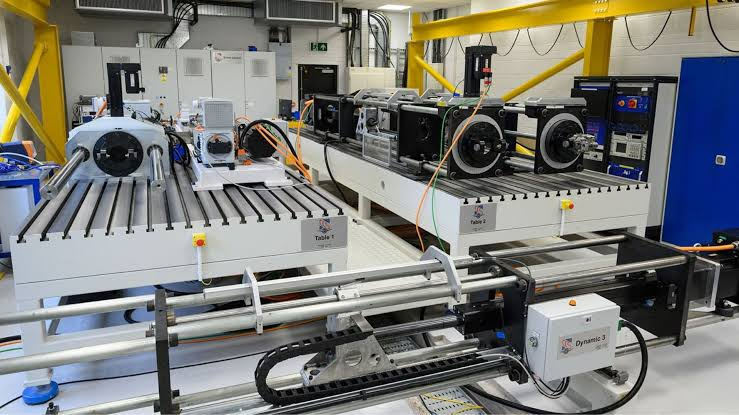
In the world of internal combustion engines, thermal efficiency is the ultimate metric of engineering quality. It measures the proportion of chemical energy in the fuel that is successfully converted into useful mechanical work rather than being wasted as heat. For perspective, the typical gasoline passenger car engine achieves a thermal efficiency of roughly 30% to 35%, while advanced heavy-duty diesel engines generally operate between 42% and 50% under optimized settings. The WP15 achieves a groundbreaking 46.8% peak brake thermal efficiency, placing it at the absolute pinnacle of global hydrogen engine development.
Achieving this extreme level of efficiency with hydrogen requires meticulous engineering. Weichai’s development team integrated highly responsive intake and exhaust systems, customized combustion chambers, and optimized piston crowns to ensure rapid, complete, and clean combustion. This ensures that fleet operators get maximum range from their onboard hydrogen storage tanks. Unlike passenger transport, which has pivoted toward electric and automated vehicles, heavy-duty industrial platforms require high power density and continuous operational uptime. The WP15’s thermal efficiency directly translates to lower operational costs, minimizing the fuel economy penalty often associated with early-stage clean-energy transitions.
Over 90% Component Commonality: Bridging the Commercial Gap
One of the most significant barriers to adopting new clean technologies is the sheer capital expense of changing manufacturing systems. Transitioning to completely new propulsion systems, such as battery-electric drivetrains or hydrogen fuel cell stacks, requires trillions of dollars in factory retooling, technician retraining, and supply chain reorganization. This is where the WP15 engine introduces a massive commercial advantage: it shares over 90% of its components with conventional diesel engine platforms.
Because the WP15 retains the foundational block, crank, and structural architecture of traditional engines, manufacturers can leverage existing production lines. This high degree of manufacturing compatibility directly supports state-led industrial modernization initiatives by allowing traditional engine manufacturing plants to pivot to clean technology without suffering from massive capital losses. Furthermore, this component commonality simplifies fleet maintenance and integration into existing vehicle designs. Fleet mechanics who have spent decades servicing diesel fleets will find the WP15’s architecture largely familiar, requiring only specialized training for the hydrogen fuel delivery, injection systems, and spark ignition components. This significantly lowers the barriers to entry for commercial logistics companies looking to green their fleets.
Fuel Purity Flexibility: Overcoming Infrastructure Bottlenecks
A persistent bottleneck in the hydrogen economy is fuel purification. Hydrogen fuel cells, while highly efficient, are extremely sensitive to chemical contamination. They require ultra-pure, “five-nines” grade hydrogen (99.97% or higher) because even minor traces of carbon monoxide, sulfur, or hydrocarbons can permanently poison the fuel cell’s platinum catalysts. Purifying hydrogen to this level requires intensive multi-stage filtration and specialized distribution infrastructure, which inflates the pump price of hydrogen fuel significantly.
In contrast, the WP15 hydrogen internal combustion engine is remarkably resilient. Because it relies on thermal combustion rather than delicate electrochemical reactions, its fuel system can handle less-than-ultra-pure hydrogen. This flexibility lowers fuel costs and dramatically simplifies the fueling infrastructure. Unlike capital-intensive infrastructure overhauls that often strain defense and infrastructure budgets, implementing hydrogen ICE fleets can utilize lower-grade hydrogen produced directly from local industrial processes, coke-oven gas, or basic electrolysis without the need for cost-prohibitive purification facilities. This makes it an exceptionally pragmatic choice for developing markets and regional industrial zones where high-purity hydrogen networks do not yet exist.
Complete Compliance with China VI Emission Standards
To achieve commercial status, any heavy-duty engine must survive a gauntlet of environmental certifications. On July 3, 2026, the WP15 became the first heavy-duty hydrogen engine in the world to pass the complete set of National VI emission certification tests at the China Automotive Technology and Research Center (CATARC) in Tianjin. The certification process was not limited to steady-state laboratory conditions; instead, the engine was subjected to rigorous full-operating-cycle tests designed to mimic real-world heavy trucking.
These tests evaluated the engine under extreme and diverse operating conditions, including low-temperature cold starts, prolonged low-speed idling, maximum high-speed loads, and sudden, transient variable load changes. The WP15 demonstrated flawless mechanical stability and excellent transient response throughout. Completing this validation sets a standard that could eventually influence international cooperative standards for hydrogen engine performance and emissions benchmarking. The testing verified that the engine’s pollutant emissions were significantly better than the stringent requirements mandated by the National VI standards, and its greenhouse gas carbon dioxide (CO₂) emissions were effectively zero.
Targeted Commercial Applications of the WP15 Engine
Given its rugged internal combustion heritage, high power density, and immunity to fuel impurity, the WP15 is not intended for light passenger transport. Instead, Weichai Power is positioning this engine to conquer heavy industrial sectors that are notoriously difficult to decarbonize with current battery technology.
Heavy-Duty Long-Haul Logistics
For transcontinental freight transport, batteries are highly impractical due to their immense weight, which directly reduces the legal payload a truck can carry. Charging times also severely impact logistics efficiency. The WP15 offers a drop-in zero-emission solution that can refuel in minutes and carry heavy cargo over thousands of miles, mirroring the operational profile of diesel trucks.
Mining, Ports, and Industrial Off-Road Equipment
Heavy mining dump trucks, container-handling port cranes, steel mill haulers, and high-capacity stationary generators operate under continuous high loads and extremely harsh environmental conditions. The WP15’s robust design inherits the durability of diesel engines, ensuring it can operate in dusty, high-vibration, and extreme-temperature environments while generating zero localized carbon emissions.
The Global Market Landscape and Strategic Clean Energy Leadership
The introduction of the WP15 occurs against a backdrop of intensifying geopolitical and economic shifts in the energy sector. As global markets witness shifts in technology policy, such as when major governments allow high-tech manufacturing and regulatory eases, the hydrogen sector stands to gain tremendous momentum. China’s rapid development of hydrogen commercial powertrains is a central component of its dual-carbon strategy, which aims for peak emissions by 2030 and complete carbon neutrality by 2060. By successfully commercializing a 600-horsepower hydrogen engine, Weichai Power has positioned China ahead of traditional heavy-engine manufacturers in Europe and North America who are still in the early field-testing phases of their respective hydrogen ICE programs.
This technological lead has positive downstream effects. By reducing the particulate matter and sulfur oxides typically released by diesel transport, the WP15 actively addresses the severe public health impacts associated with urban air pollution. This is particularly crucial as municipal areas globally face unprecedented climate stress, marked by intense global heat waves that exacerbate smog formation and threaten vulnerable populations. In this context, clean hydrogen powertrains are not just an industrial trend; they are a public health necessity.
Conclusion: Charting the Path for Clean Hydrogen Mobility
Weichai Power’s WP15 represents a vital technological bridge to a zero-carbon future. By leveraging the time-tested mechanics of the internal combustion engine and pairing it with a highly advanced, direct-injection hydrogen fuel system, Weichai has bypassed the economic and technical roadblocks of pure-electric and fuel-cell alternatives. Its over 90% component commonality with diesel platforms, compatibility with low-purity fuel, and compliance with the world’s most stringent emission standards combine to make the WP15 a highly practical, commercially viable solution for the heaviest industrial duties. As mass production looms and national hydrogen demonstration projects expand, the WP15 is poised to lead a green revolution, steering heavy transport and machinery toward a sustainable, zero-emission horizon.