Tehran Proposes Peace Deal: Hormuz Open, Nukes Ignored
Tehran has completely reshaped the geopolitical landscape by handing Washington a sudden, uncharacteristically generous peace proposal aimed at permanently reopening the Strait of Hormuz. In a diplomatic maneuver that has caught defense analysts and international markets entirely off guard, the Iranian government has offered sweeping concessions regarding maritime security in one of the world’s most critical shipping choke points. Yet, buried within the subtext of this sprawling diplomatic document is a glaring, unmistakable omission: the nuclear file. By deliberately excluding any mention of uranium enrichment limits, centrifuge dismantling, or International Atomic Energy Agency (IAEA) oversight, the regime is signaling a bold new strategy. It appears evident that the primary objective is to swiftly close the conventional war chapter, relieve crushing economic sanctions, and buy vital, uninterrupted time to push its nuclear weapons program past the point of no return. This tactical pivot poses a formidable dilemma for Western policymakers who must now weigh the immediate economic benefits of restored global trade against the existential threat of an unconstrained nuclear state in the Middle East.
Introduction to the New Peace Proposal
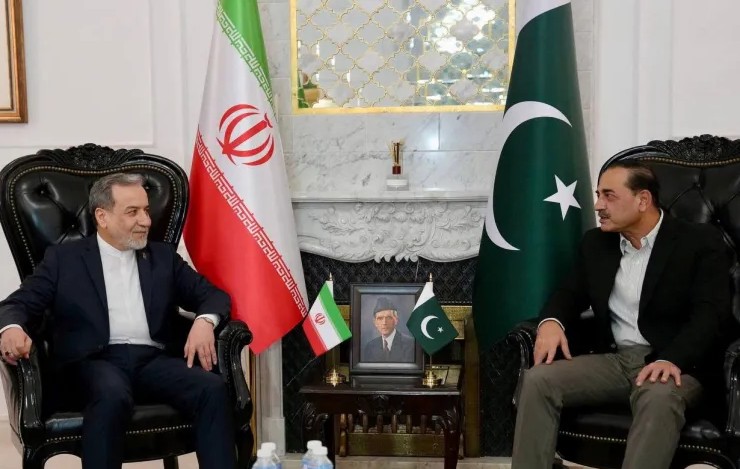
The recently delivered document represents a paradigm shift in Middle Eastern diplomacy. After months of heightened hostilities, naval skirmishes, and proxy engagements that threatened to plunge the entire region into a catastrophic, multi-front war, this olive branch offers a sudden de-escalation pathway. Diplomats operating out of Oman, acting as traditional intermediaries between the two adversarial nations, delivered the extensive dossier to United States officials late Sunday evening. The core of the proposal focuses intensely on maritime deconfliction, offering concrete guarantees that commercial vessels, oil tankers, and even certain allied naval assets will enjoy safe, unharassed passage through the Persian Gulf. In exchange, the document demands an immediate cessation of hostile rhetoric, a rollback of specific maritime sanctions, and the unfreezing of targeted assets tied to civilian trade. While global diplomatic reports highlight the unexpected nature of this outreach, the strategic brilliance of the offer lies in its compartmentalization. By isolating the maritime conflict from broader strategic issues, the proposal forces the international community to address immediate economic pain points while ignoring the underlying strategic threats that sparked the crisis in the first place.
The Strategic Omission of the Nuclear File
Perhaps the most critical aspect of the proposal is not what is included, but what is meticulously avoided. The complete absence of the nuclear file is a masterclass in diplomatic deflection. Historically, any major negotiation with the regime has inevitably centered around the Joint Comprehensive Plan of Action (JCPOA) or subsequent frameworks designed to monitor, cap, and roll back uranium enrichment. This new document, however, treats the nuclear issue as if it does not exist, entirely severing it from the conversation about regional stability and maritime security. This omission is not a careless oversight; it is a calculated strategy designed to fracture the unified front of Western allies. By offering Europe and Asian markets the immediate relief of secure shipping lanes, the regime hopes to reduce the appetite for enforcing strict nuclear non-proliferation sanctions. Policymakers in Washington are now faced with the reality that engaging with this proposal means tacitly accepting the current, unmonitored status of the nuclear program. This strategic decoupling aims to transform the nuclear issue from a pressing international crisis into a chronic, lower-tier concern while the regime quietly advances its capabilities.
Buying Time for Nuclear Ambitions
Behind the veil of diplomatic outreach, intelligence assessments suggest that the regime’s nuclear facilities are operating at unprecedented levels. By offering to reopen the Strait of Hormuz and de-escalate conventional military tensions, the leadership is effectively purchasing the one resource it desperately needs: time. Time allows for the continued spinning of advanced IR-6 centrifuges, the stockpiling of highly enriched uranium closer to weapons-grade levels (90 percent purity), and the fortification of subterranean nuclear sites against potential bunker-busting munitions. The international focus on maritime security and the immediate relief of restoring oil flows acts as a perfect smokescreen. This tactic aligns with historical patterns where diplomatic engagement is used as a stalling mechanism to reach technical milestones that alter the strategic calculus permanently. The underlying fear among non-proliferation experts is that by the time the maritime agreement is fully implemented and the ink is dry, the nuclear threshold will have been crossed, rendering future diplomatic or military interventions moot. The focus on immediate trade restoration, therefore, serves as a brilliant operational cover for an accelerating weapons program.
The Strait of Hormuz Concession Explained
The centerpiece of the proposal—the permanent reopening of the Strait of Hormuz—is a massive concession that addresses the most acute vulnerability in the global economy. Roughly twenty percent of the world’s petroleum, and a significant portion of liquefied natural gas (LNG), passes through this narrow maritime corridor. The persistent threat of closure or harassment has heavily inflated global energy prices, driving up inflation and straining post-pandemic economic recoveries worldwide. The new proposal outlines a framework for joint maritime monitoring, establishing designated safe corridors, and pledging a cessation of fast-boat swarming tactics that have plagued commercial shipping for years. This offer represents a stark departure from the aggressive posturing seen during the recent 24-hour reversal in the Strait of Hormuz, where threats of absolute closure sent shockwaves through global markets. By transforming its primary weapon of economic disruption into a bargaining chip for peace, the regime is cleverly manipulating international desperation for market stability.
| Diplomatic Component | Previous Stance (Pre-Proposal) | New Proposal Framework |
|---|---|---|
| Strait of Hormuz Access | Frequent harassment, threat of total closure | Permanent safe corridors, joint monitoring |
| Nuclear Enrichment Status | Tied directly to sanction relief talks | Completely omitted from the current document |
| Asset Unfreezing Demands | Required upfront before any de-escalation | Phased release tied to maritime milestones |
| Military Posturing | High alert, active proxy engagement | De-escalation of maritime and proxy forces |
Economic Relief for Global Markets
The immediate economic implications of this proposal cannot be overstated. Should Washington and its allies accept the terms, the resulting stabilization of the Strait of Hormuz would lead to a dramatic recalibration of global energy markets. Insurance premiums for vessels navigating the Persian Gulf, which had skyrocketed to historic highs due to war risk assessments, would plummet, dramatically reducing the end cost of fuel for consumers globally. Furthermore, the stabilization of shipping lanes would alleviate the cascading logistical nightmare that has crippled international supply chains. Investors and commodity traders have already begun pricing in the potential for a diplomatic breakthrough, with crude oil futures showing significant volatility in response to the leaked details of the proposal. However, financial analysts caution that this economic relief may come at a severe long-term cost if it inadvertently finances or facilitates the creation of a nuclear-armed state. The balance between short-term market stabilization and long-term global security remains the most contentious aspect of the ongoing diplomatic debates.
Washington’s Diplomatic Calculus
For the administration in Washington, the proposal presents an agonizing diplomatic calculus. On one hand, securing the permanent reopening of the Strait of Hormuz would represent a massive foreign policy victory, ensuring the uninterrupted flow of energy resources and demonstrating a successful de-escalation of a volatile regional conflict. This would be particularly advantageous in an election year where domestic inflation and energy costs are paramount concerns for the electorate. On the other hand, accepting a deal that flagrantly ignores the accelerating nuclear program invites fierce domestic and international criticism. Hawks in Washington argue that this is a classic bait-and-switch maneuver, warning that any agreement that does not explicitly cap uranium enrichment is a capitulation. The administration is acutely aware of the failures of past negotiations, as highlighted by the previous blockade demands and halted talks, where initial goodwill quickly deteriorated into renewed hostilities. Consequently, the State Department is currently engaged in intense interagency reviews to determine if a counter-proposal can successfully force the nuclear issue back onto the negotiating table without entirely derailing the maritime concessions.
Evaluating the Long-Term Geopolitical Risks
The geopolitical risks associated with accepting this compartmentalized peace proposal are vast. If the regime succeeds in buying the necessary time to develop a nuclear deterrent, the entire security architecture of the Middle East will undergo a radical transformation. Neighboring states, particularly Saudi Arabia and the United Arab Emirates, may feel compelled to accelerate their own nuclear ambitions to counter the perceived threat, sparking a dangerous regional arms race. Furthermore, a nuclear-armed regime would operate with a perceived umbrella of impunity, potentially increasing its conventional aggressive actions and proxy support across the region, knowing that the international community would be extremely hesitant to engage a nuclear power militarily. This scenario would severely complicate the broader geopolitical impact of a ceasefire, turning what appears to be a victory for peace into a foundational step toward a much more volatile and dangerous era in Middle Eastern history.
Global Energy Impacts and Trade Restorations
The interconnected nature of global energy markets means that the fate of the Strait of Hormuz directly impacts economies thousands of miles away. While the proposal aims to stabilize Middle Eastern exports, it also intersects fascinatingly with shifting global energy dynamics. Over the past few years, energy independence and alternative supply routes have become critical national security priorities for Western nations. We have witnessed American energy exports reaching unprecedented highs precisely to offset the unreliability of Middle Eastern supply lines caused by the persistent threat of a Hormuz closure. If the strait is permanently reopened and secured, it could trigger a massive realignment of global energy flows. Middle Eastern crude would once again flood the Asian and European markets unhindered, potentially depressing prices and challenging the market share of newly established energy exporters in the Americas. This trade restoration, while beneficial for global inflation, requires careful management to ensure it does not undermine the strategic investments made in alternative energy infrastructure and domestic production capacities developed during the height of the crisis.
Future Outlook: A Fragile Peace or Tactical Pause?
As the international community dissects the intricacies of this unprecedented proposal, the overarching question remains: is this the dawn of a fragile but enduring peace, or merely a tactical pause designed to facilitate the ultimate strategic breakthrough? The answer likely lies in how Washington and its allies choose to respond. Simply accepting the terms as presented would undoubtedly secure immediate economic and logistical benefits, easing the strain on a weary global economy. However, turning a blind eye to the omitted nuclear file is a gamble with existential stakes. A robust response must find a way to lock in the maritime concessions while simultaneously applying insurmountable pressure to bring the nuclear program back under international oversight. The coming weeks will be characterized by intense shuttle diplomacy, back-channel negotiations, and careful intelligence gathering as the world attempts to navigate the treacherous waters between securing the present and safeguarding the future against the looming shadow of a nuclear-armed adversary.