Sanders Addresses Maternal Health Crisis: A Bipartisan Approach
Introduction
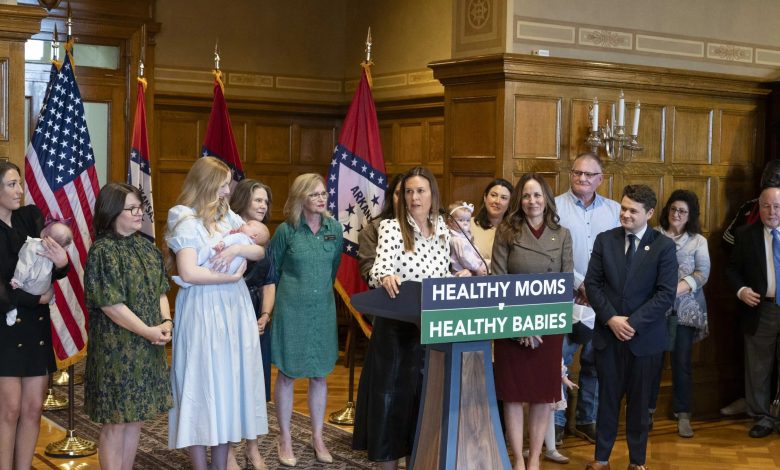
Governor Sanders of Arkansas has placed maternal health at the forefront of her administration’s agenda, citing alarming statistics and a pressing need for comprehensive intervention. Recognizing that Arkansas consistently ranks among the states with the highest maternal mortality rates, Sanders has initiated a bipartisan effort to address this critical issue. This commitment was highlighted during an interview on NBC News’ “Meet the Press,” where she appeared alongside Mississippi Governor Moore and philanthropist Olivia Walton to discuss collaborative strategies for improving maternal health outcomes, not only in their respective states but across the nation. The focus is on providing support and resources to women from the earliest stages of pregnancy through postpartum care, aiming to mitigate preventable complications and save lives. This initiative underscores a growing awareness of the maternal health crisis in the United States and a concerted effort to find effective, sustainable solutions.
The Maternal Health Crisis in Arkansas
Arkansas faces significant challenges in maternal health, with persistently high rates of maternal mortality that demand immediate attention. Several factors contribute to this crisis, including limited access to healthcare services, particularly in rural areas, socioeconomic disparities, and a lack of comprehensive prenatal and postnatal care. The state’s healthcare infrastructure struggles to meet the needs of expectant mothers, leading to delayed or inadequate medical attention. Additionally, underlying health conditions, such as obesity, diabetes, and hypertension, further exacerbate the risks associated with pregnancy. These factors, combined with systemic issues within the healthcare system, create a perfect storm that jeopardizes the lives of pregnant women and new mothers. Governor Sanders’ recognition of these challenges has spurred her to champion reforms and initiatives aimed at reversing these alarming trends.
Sanders and Moore’s Bipartisan Effort
The alliance between Governor Sanders, a Republican, and Governor Moore, a Democrat, represents a significant step toward bipartisan cooperation in addressing the maternal health crisis. Their joint appearance on “Meet the Press” underscored their shared commitment to finding common ground and implementing effective solutions, transcending political divides. By working together, Sanders and Moore aim to leverage the resources and expertise of both states to develop innovative programs and policies that can serve as models for the rest of the country. This bipartisan approach not only enhances the credibility and impact of their initiatives but also demonstrates the importance of prioritizing the well-being of mothers and children above partisan politics. Such collaboration can lead to more comprehensive and sustainable solutions, ensuring that all women have access to the care and support they need to thrive during pregnancy and beyond. For example, bipartisan support can influence policy around healthcare accessibility, mirroring situations where halting of grants were deemed unconstitutional, highlighting the need for careful consideration in healthcare policy.
Olivia Walton’s Philanthropic Role
Olivia Walton’s involvement in the maternal health initiative brings crucial philanthropic support and resources to the table. As a prominent philanthropist, Walton is committed to investing in programs and organizations that improve the health and well-being of women and families. Her financial contributions and advocacy efforts can help expand access to prenatal care, provide funding for maternal health research, and support community-based programs that address the social determinants of health. Walton’s partnership with Governors Sanders and Moore amplifies the impact of their efforts, creating a powerful coalition dedicated to transforming maternal health outcomes. Her expertise in strategic philanthropy ensures that resources are allocated effectively and that programs are designed to achieve measurable results. Through her leadership and generosity, Walton is playing a pivotal role in driving meaningful change in maternal healthcare.
Early Intervention Strategies
Early intervention is paramount in improving maternal health outcomes. Governor Sanders emphasized the importance of reaching women early in their pregnancies to provide comprehensive support and resources. This includes ensuring access to timely prenatal care, nutritional counseling, and education about healthy behaviors during pregnancy. Early intervention strategies also focus on identifying and addressing risk factors, such as underlying health conditions, mental health issues, and substance use disorders. By intervening early, healthcare providers can mitigate potential complications and empower women to make informed decisions about their health. Furthermore, early intervention programs can connect women with essential social services, such as housing assistance, food banks, and childcare support, to address the social determinants of health that impact maternal well-being. Such comprehensive support systems can significantly improve the chances of a healthy pregnancy and positive birth outcomes.
Addressing Systemic Problems
Improving maternal health requires addressing the systemic problems within the healthcare system that contribute to disparities in care and outcomes. These systemic issues include a shortage of healthcare providers, particularly in rural and underserved areas, inadequate insurance coverage, and a lack of cultural competency among healthcare professionals. To address these challenges, Governor Sanders and her colleagues are advocating for policies that expand access to healthcare, increase funding for maternal health programs, and promote diversity and inclusion within the healthcare workforce. They are also working to improve data collection and analysis to better understand the root causes of maternal mortality and morbidity and to track the impact of interventions. By addressing these systemic problems, policymakers can create a more equitable and responsive healthcare system that meets the needs of all pregnant women and new mothers. Systemic issues in healthcare can sometimes arise unexpectedly, much like the accidental discovery of a secret underground city, revealing hidden complexities that need addressing.
National Implications of Arkansas’ Initiative
The maternal health initiative in Arkansas has significant implications for the rest of the nation. By implementing innovative programs and policies, Arkansas can serve as a model for other states seeking to improve maternal health outcomes. The lessons learned from Arkansas’ experience can inform national strategies and policies, helping to reduce maternal mortality and morbidity across the country. Moreover, the bipartisan collaboration between Governors Sanders and Moore demonstrates the potential for states to work together to address shared challenges, regardless of political affiliation. This collaborative approach can foster a national movement to prioritize maternal health and ensure that all women have access to the care and support they need to thrive during pregnancy and beyond. The situation also mirrors the broader challenges the US faces in global health, as highlighted by concerns over WHO data access, emphasizing the need for transparent and reliable health information.
Challenges and Obstacles
Despite the strong commitment to improving maternal health, numerous challenges and obstacles remain. These include securing adequate funding for maternal health programs, overcoming political resistance to policy changes, and addressing deeply ingrained systemic issues within the healthcare system. Additionally, cultural and social barriers can prevent women from accessing care and support, particularly in marginalized communities. Overcoming these challenges requires sustained effort, strong leadership, and a collaborative approach that involves policymakers, healthcare providers, community organizations, and advocates. It also requires a willingness to challenge the status quo and to implement innovative solutions that address the root causes of maternal health disparities. The path to improving maternal health is not easy, but with dedication and perseverance, meaningful progress is possible.
Measuring Success
To ensure that maternal health initiatives are effective, it is essential to establish clear metrics for measuring success. These metrics should include reductions in maternal mortality and morbidity rates, improvements in access to prenatal and postnatal care, and increases in the utilization of preventive services. Additionally, it is important to track disparities in maternal health outcomes among different racial and ethnic groups to ensure that interventions are reaching those who need them most. Regular monitoring and evaluation of these metrics can help policymakers and healthcare providers assess the impact of their efforts and make adjustments as needed. By focusing on measurable outcomes, it is possible to demonstrate the value of maternal health investments and to hold stakeholders accountable for achieving results.
Community Engagement and Education
Community engagement and education are critical components of any successful maternal health initiative. By involving community members in the planning and implementation of programs, it is possible to ensure that interventions are culturally appropriate and responsive to local needs. Community education campaigns can raise awareness about the importance of prenatal care, healthy behaviors during pregnancy, and the warning signs of maternal complications. Additionally, community-based programs can provide support and resources to pregnant women and new mothers, such as parenting classes, breastfeeding support groups, and home visiting services. By empowering communities to take ownership of maternal health, it is possible to create a sustainable system of support that improves outcomes for all women and families.
Policy Recommendations
To further advance maternal health, several policy recommendations should be considered. These include expanding Medicaid coverage to ensure that all pregnant women have access to comprehensive healthcare services, increasing funding for maternal health research to better understand the causes of maternal mortality and morbidity, and implementing policies that support paid family leave to allow new mothers to bond with their babies and recover from childbirth. Additionally, policies should be enacted to address the social determinants of health, such as poverty, housing instability, and food insecurity, which can significantly impact maternal health outcomes. By enacting these policies, policymakers can create a more supportive environment for pregnant women and new mothers, leading to healthier pregnancies and brighter futures for families. Policy changes can sometimes face unexpected hurdles, similar to how tariffs, once deemed illegal, faced challenges in court.
Future Directions
The future of maternal health depends on continued innovation, collaboration, and commitment. As new research emerges and healthcare technologies advance, it is important to adapt and refine maternal health strategies to ensure that they are evidence-based and effective. Furthermore, it is essential to foster a culture of collaboration among policymakers, healthcare providers, community organizations, and advocates to address the complex challenges facing maternal health. By working together, it is possible to create a future where all women have access to the care and support they need to thrive during pregnancy and beyond. The journey towards improving maternal health is ongoing, but with dedication and perseverance, a healthier future for mothers and families is within reach.
| Area of Focus | Arkansas | National Average | Proposed Solutions |
|---|---|---|---|
| Maternal Mortality Rate | Higher than average | Varies by state | Early intervention, increased access to care |
| Access to Prenatal Care | Limited, especially in rural areas | Generally good, but disparities exist | Expand healthcare coverage, telehealth options |
| Socioeconomic Disparities | Significant impact on outcomes | Affects access and quality of care | Address poverty, housing, and food insecurity |
| Healthcare Infrastructure | Strained, provider shortages | Varies, rural areas often underserved | Increase funding, incentivize rural practice |
| Bipartisan Support | Growing, key to progress | Inconsistent, varies by issue | Foster collaboration, common goals |
This collaborative effort between political leaders and philanthropists can hopefully lead to a system where maternal health is prioritized and supported at every level. The ability for bipartisan leaders to work together will hopefully influence other sectors, and encourage global collaboration, similar to activists working together even when facing international challenges.