Sophie Cunningham: WNBA Star’s Comments Spark Global Debate 2026
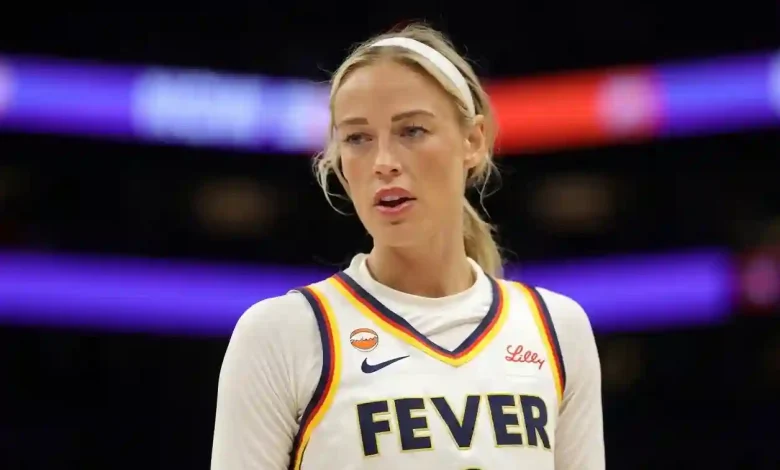
Table of Contents
Sophie Cunningham has suddenly found herself at the epicenter of a massive national dialogue regarding the intersection of gender policy, athletic integrity, and the commercial evolution of women’s professional sports. What began as a standard mid-season routine ahead of a highly anticipated matchup between the Indiana Fever and the Atlanta Dream has quickly transformed into a physical manifestation of a polarized national debate. As fans packed the State Farm Arena, the atmosphere hummed with an unusual energy that transcended typical sports rivalry.
The Scene at State Farm Arena
On August 16, 2026, the Indiana Fever guard was greeted by a roaring crowd hanging over the railings. The sheer volume of supporters demonstrated a massive shift in fan dynamics. Observers noted that spectators were not just carrying team merchandise but held complex, politically charged banners alongside standard athletic gear. Fans eagerly presented jerseys, deflated basketballs, and even coveted pairs of her adidas Crazy Energy “Sophie Cunningham” Player Exclusive (PE) shoes—a line that had debuted on July 24 and sold out almost instantaneously.
This physical demand for merchandise coincides with broader economic patterns. Even as fans struggle with external financial pressures, including economic shifts like rising fuel costs, the willingness of the public to purchase high-ticket sports gear and travel long distances to see Cunningham play underscores her heightened celebrity status. The passion of the audience represents a unique cultural moment where athletic performance is deeply intertwined with political and ideological alignment.
The ESPN Interview and Policy Stance
The catalyst for this sudden surge in public attention can be traced back to a feature article published by ESPN in July. In the interview, the WNBA veteran expressed her firm beliefs regarding the preservation of biological categories in female athletics. Cunningham advocated for “protecting women’s sports” by banning transgender females from competing in leagues designed exclusively for biological girls and women. Her comments resonated with a substantial segment of the population while simultaneously drawing intense criticism from LGBTQ+ advocacy groups and progressive sports commentators.
Cunningham’s argument centers on the biological differences established during male puberty, which critics of transgender inclusion argue provide an irreversible athletic advantage. This discussion mirrors grassroots debates regarding gendered physical development and wellness, similar to how foundational nutritional programs for student athletes shape physical capabilities and hormonal baselines early in life. For Cunningham and her supporters, maintaining strict biological categories is essential to preserving the competitive integrity of women’s sports.
Transgender Policies and Athletic Regulation
The controversy surrounding Cunningham occurs against a backdrop of shifting regulatory frameworks in global athletics. Over the last several years, international sports federations have increasingly restricted transgender women from female categories if they have undergone male puberty. Organizations such as World Athletics, World Aquatics, and the International Cycling Union (UCI) have enacted strict guidelines based on biological metrics rather than self-identification.
These policy decisions often place domestic professional leagues, such as the WNBA, in a complex position. The league must balance progressive corporate values, player union demands, and scientific arguments regarding athletic equity. These complex structural decisions are highly reminiscent of major global sports leadership transitions where administrative policies are tested under intense media scrutiny. The WNBA’s current policy framework, which is subject to ongoing review, continues to navigate this delicate balance as public pressure mounts from both sides of the issue.
Commercial Impact and Brand Valuation
While the cultural debate remains highly contentious, Cunningham’s commercial footprint has experienced unprecedented growth. The commercial success of her signature Adidas PE shoe illustrates a growing trend where consumers use their purchasing power to express ideological solidarity. Corporate sponsors and marketing agencies are closely monitoring these consumer patterns to adjust their long-term strategies.
To fully understand this trend, analysts rely on sophisticated data points. Corporate sponsors analyze these events through commercial brand valuation metrics to evaluate long-term player viability and public sentiment. In Cunningham’s case, the alignment with traditional viewpoints has unlocked a highly loyal, highly active consumer demographic that is eager to buy products associated with her name, shielding her from the potential brand damage that once typically followed public controversies.
Public Demonstrations and Fan Activism
Outside WNBA arenas, the ideological divide is physically visible. Fever games have increasingly featured external gatherings, with “Support Sophie Cunningham” rallies organized by conservative and gender-critical groups. These demonstrations are often met with counter-protests from trans-inclusive organizations, creating a highly charged atmosphere for venue security and local law enforcement.
Managing these crowds has become a high priority for stadium operators. Security personnel have remained highly vigilant, a necessity during periods of escalating public demonstrations in urban arenas. The transformation of a sporting event into a site for civil discourse and demonstration reflects a broader societal trend where standard public spaces are increasingly politicized, compelling sports leagues to invest heavily in crisis management and security infrastructure.
Cunningham’s Call to Refocus on Basketball
Despite the immense wave of support and the accompanying financial windfall, Cunningham has expressed a desire to de-escalate the public frenzy. Following the game in Atlanta, she addressed the media to ask for a return of the public’s focus to the sport itself. She emphasized that while she stands by her personal beliefs, her primary role is that of a professional basketball player dedicated to helping her team win games.
This attempt to redirect attention highlights the mental and physical toll of being at the center of a cultural firestorm. Navigating this intense public spotlight while maintaining peak performance is incredibly demanding. Understanding athletic longevity requires looking at rising health benefits and administrative costs that impact active professional competitors, as mental fatigue and stress can significantly degrade physical performance. Additionally, leagues must focus on monitoring online forums and ensuring digital platform safety protocols are maintained to protect players from cyberbullying and targeted harassment during highly viral political cycles.
Timeline and Chronology of Key Events
The momentum surrounding this issue has built rapidly over the summer of 2026. The table below outlines the critical milestones that have shaped the current state of public discourse surrounding Sophie Cunningham and the WNBA.
| Date (2026) | Key Event | Impact on Public Discourse and WNBA Dynamics |
|---|---|---|
| Early July | ESPN Interview Published | Cunningham advocates for “protecting women’s sports,” initiating national media discussions. |
| July 24 | Adidas PE Shoe Release | The “Sophie Cunningham” Crazy Energy PE shoes sell out globally within hours of debut. |
| Late July | Rally Inception | “Support Sophie Cunningham” demonstrations begin appearing outside Fever home games. |
| August 16 | Atlanta Matchup | Massive crowds gather at State Farm Arena; Cunningham publicly requests a return of focus to basketball. |
The Future of WNBA Governance
The long-term trajectory of this debate remains uncertain as the WNBA navigates a highly volatile landscape. The situation is increasingly analyzed by speculative platforms, leveraging sentiment indexes comparable to prediction market structures that gauge cultural shifts and policy outcomes in real-time. Whether the league will formalize stricter eligibility rules or double down on its current inclusive frameworks will likely depend on the evolving consensus among sports scientists, legal precedents, and the commercial pressures exerted by fans and corporate sponsors alike. What is clear is that Sophie Cunningham’s stance has permanently altered the intersection of sports, politics, and consumer culture in the modern WNBA era.