Spirit Airlines shuts down: Thousands Stranded as Flights Halt Overnight at Fort Lauderdale
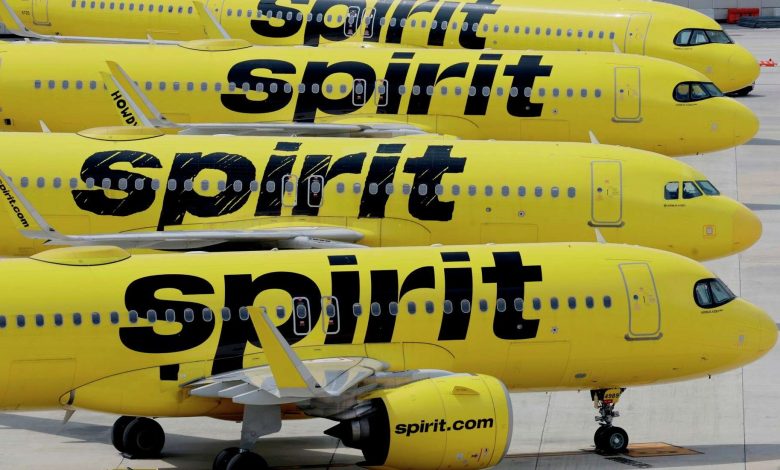
Spirit Airlines shuts down operation overnight, creating an unprecedented wave of disruption and frustration for thousands of travelers. On Saturday morning, passengers arriving at Fort Lauderdale-Hollywood International Airport (FLL) were met with a stark reality: their anticipated flights no longer existed. The abrupt cessation of services left check-in counters deserted, customer service lines inoperative, and an alarming silence where the usual bustle of a major airline operation once thrived. Many travelers, like Ricardo Tejeda, reportedly received no prior notification, discovering the grim news only upon arrival at the curbside, adding a layer of disbelief to their immediate travel woes. This sudden collapse of a prominent low-cost carrier has sent shockwaves through the aviation industry and left countless individuals scrambling for solutions, highlighting critical vulnerabilities in air travel infrastructure and passenger communication during crises.
The Immediate Aftermath at Fort Lauderdale-Hollywood International Airport
The scene at Fort Lauderdale-Hollywood International Airport on Saturday was one of palpable confusion and escalating anger. As the sun rose, instead of the usual pre-flight anticipation, a growing sense of despair permeated the terminals. Travelers, many with children and luggage, stood bewildered before empty Spirit Airlines kiosks and unstaffed gates. The digital displays, once showing departure times and gate numbers, either reverted to generic airport information or, more ominously, simply displayed “Canceled.” The suddenness of the shutdown amplified the chaos; there was no official presence from Spirit Airlines to offer guidance, apologies, or rebooking assistance. This vacuum of information forced passengers to rely on airport staff from other airlines, often equally uninformed, or to desperately search for news on their mobile devices. The lack of prior warning meant that many had already incurred significant costs — ground transportation, airport parking, and in some cases, even connecting flights — only to find their primary leg of travel irrevocably severed. The emotional toll was evident, with stories of missed family events, crucial business meetings, and long-awaited vacations dissolving into logistical nightmares right at the terminal. The sheer volume of affected passengers at a hub like FLL — a major operational base for Spirit — quickly overwhelmed the remaining airport resources, leading to long queues for other airlines and a scarcity of rental cars.
The Unprecedented Halt: Details of Spirit Airlines’ Shutdown
The overnight shutdown of Spirit Airlines represents a drastic and almost unprecedented event in modern commercial aviation. While individual flights or even routes are routinely canceled, a complete cessation of all operations by a major carrier with virtually no public announcement beforehand is exceedingly rare. This event immediately prompted questions regarding the underlying causes and the regulatory framework governing such an occurrence. Initial reports suggested that the halt was comprehensive, affecting not just departures from FLL but across its entire network. Thousands of flights scheduled for Saturday and potentially for days or weeks to come were instantly invalidated, impacting an untold number of passengers who were either midway through their journey or about to embark on one. The airline’s website and app, the primary tools for passenger communication and booking, either became unresponsive or displayed generic error messages, exacerbating the information void. The implications for the airline’s employees — pilots, flight attendants, ground crew, and administrative staff — are equally dire, as a complete shutdown typically signals a profound financial or operational crisis that renders continued employment impossible. The lack of communication from Spirit Airlines itself was a recurring theme in passenger accounts, raising serious concerns about corporate responsibility and traveler protection protocols. For more context on the operational vulnerabilities in the airline industry, particularly regarding supply chain issues and their potential impact, consider insights on the jet fuel crisis Europe’s airlines face, which highlights how even seemingly external factors can precipitate systemic challenges.
A Sudden and Silent Collapse
The speed and silence of Spirit’s collapse have been a point of intense scrutiny. Unlike past airline bankruptcies or operational pauses, which often involve regulatory oversight, public announcements, and some degree of winding down, Spirit’s discontinuation of service appeared to happen literally overnight. Industry experts are scrutinizing whether this was a planned, albeit poorly communicated, strategic move in response to insurmountable financial distress, or if an unforeseen, catastrophic event forced an immediate halt. Without official statements from Spirit Airlines leadership, speculation has run rampant, ranging from severe liquidity issues to a sudden grounding by regulatory bodies, or even an overwhelming technological failure. The absence of a public relations statement or any form of direct communication left passengers and the wider public in the dark, fueling frustration and eroding trust in the brand entirely. This lack of transparency has also prompted calls for governmental intervention and investigations into how such a large-scale public service provider could cease operations with such minimal accountability to its customers and employees.
Navigating the Chaos: Passenger Experiences and Frustration
The human stories emerging from the Spirit Airlines shutdown are harrowing. Families traveling for special occasions found their plans shattered, with no immediate recourse. Business travelers faced the prospect of missed critical meetings, jeopardizing careers or deals. Many reported having spent hours, even days, traveling to FLL or other Spirit hubs, only to be confronted with a non-existent flight and no alternative options provided by the airline. The cost of rebooking on other carriers skyrocketed instantly, as demand surged and availability dwindled. For those without sufficient funds or flexible schedules, the notion of continuing their journey became an impossibility. Compounding the problem was the “ultra-low-cost” nature of Spirit’s fares; passengers who opted for these often did so out of necessity, making the financial burden of rebooking on full-service airlines particularly onerous. The widespread feeling was one of abandonment — passengers felt left to fend for themselves in a complex travel ecosystem, without the support they might reasonably expect from a service provider.
The Lack of Warning: A Critical Point of Contention
Perhaps the most infuriating aspect for affected passengers was the complete absence of any prior warning. Many had confirmed their flights just hours before the shutdown, received no email notifications, text messages, or app alerts from Spirit Airlines. This deliberate or negligent omission of communication prevented travelers from making alternative arrangements, changing their plans, or even simply avoiding the trip to the airport. This lack of transparency raises significant ethical and legal questions regarding an airline’s responsibilities to its customers. Consumer advocates are likely to scrutinize whether Spirit Airlines intentionally withheld information to continue selling tickets up until the last possible moment, or if the collapse was so sudden that internal communications also failed. Regardless of the reason, the impact on traveler confidence is profound, not just for Spirit but potentially for the entire budget airline sector. The situation at FLL echoed reports from other airports across the country, indicating a systemic failure in managing the crisis. For additional reporting on this unfolding situation, you can refer to earlier coverage detailing the Spirit Airlines shutdown on May 2nd, which also touched upon the White House’s awareness of stranded passengers.
Economic and Industry Repercussions of an Airline Collapse
The sudden disappearance of a major airline like Spirit has significant economic ramifications, extending far beyond the immediate inconvenience to passengers. On a macro level, it contributes to market instability and could trigger concerns among investors in the broader aviation sector. The financial markets may react to such an event with caution, particularly if there are indications of systemic issues that could affect other carriers. The stock prices of competing airlines might see short-term fluctuations, either rising due to reduced competition or falling due to general investor apprehension about the industry’s health. The event could also indirectly influence global commodity markets, especially for jet fuel, although the direct impact of one airline’s collapse on global oil prices — which are subject to far larger geopolitical and supply-demand forces — might be minimal. However, local or regional fuel suppliers heavily reliant on Spirit’s business would undoubtedly feel the pinch. For insights into how market forces and geopolitical events can influence sectors, one might consider how BlackRock’s upgrade of U.S. stocks occurred amid broader global tensions, showcasing how investor confidence shifts.
Broader Market Instability
The collapse of a significant player like Spirit Airlines can send jitters through the financial markets. Investors might begin to reassess the stability of other airlines, especially those operating on similar low-cost models or facing analogous economic pressures. This could lead to a broader devaluation of airline stocks, impacting pension funds and individual investors alike. Furthermore, the event might necessitate governmental intervention or bailout discussions, particularly if it’s perceived as a precursor to wider industry distress. Such interventions invariably carry political and economic costs, raising questions about market regulation and consumer protection.
Impact on Regional Economies
Spirit Airlines operated numerous routes to popular leisure and business destinations, often serving smaller or secondary airports where its presence was crucial for connectivity and local tourism. The shutdown effectively severs these links, causing an immediate downturn in local economies reliant on air travel — hotels, rental car agencies, restaurants, and other tourist-dependent businesses. Hundreds, if not thousands, of employees associated directly or indirectly with Spirit Airlines at various airports also face immediate job losses, adding to economic strain in affected regions. The ripple effect of these job losses extends to their families and local communities, creating a localized recessionary impact.
Understanding Your Rights: Recourse for Stranded Travelers
For passengers caught in the wake of Spirit Airlines’ shutdown, understanding their rights and potential avenues for recourse is paramount. While the immediate situation offers little comfort, several mechanisms exist to mitigate losses:
| Recourse Option | Description | Key Considerations |
|---|---|---|
| Credit Card Chargeback | Contact your credit card issuer to dispute the charge for the canceled flight. This is often the most effective route for a refund. | Act quickly; gather all documentation (booking confirmations, cancellation notices, or lack thereof). |
| Travel Insurance Claim | If you purchased travel insurance, check your policy for “airline default” or “bankruptcy” clauses. | Coverage varies widely; most basic policies exclude airline insolvency. Comprehensive policies may offer reimbursement. |
| Department of Transportation (DOT) Complaint | File a complaint with the U.S. Department of Transportation’s Office of Aviation Consumer Protection. | The DOT can investigate and potentially fine airlines for non-compliance, but typically does not facilitate individual refunds. |
| Small Claims Court/Lawsuit | Consider legal action if other avenues fail, especially for significant financial losses. | Can be time-consuming and costly; assess the amount of damages before proceeding. |
| Alternative Airline Discounts | Some competing airlines may offer “rescue fares” to stranded passengers. | These are typically offered on a goodwill basis, subject to availability, and not guaranteed. |
| Lost Wage/Consequential Damages Claims | Claims for lost wages or other indirect damages are generally not covered by standard airline policies or regulations. | Extremely difficult to recover unless explicitly covered by a premium travel insurance policy. |
Travelers are strongly advised to keep all documentation related to their booking, any communication attempts (or lack thereof) with Spirit Airlines, and receipts for any alternative travel arrangements made. While direct cash refunds from a bankrupt or defunct airline are often difficult to secure, credit card chargebacks offer a more viable path for many. The U.S. Department of Transportation (DOT) offers guidance on consumer rights when an airline cancels a flight, but the situation with a complete shutdown is often more complex, sometimes involving bankruptcy proceedings. For official consumer protection information and filing complaints, consult the U.S. Department of Transportation’s consumer complaint portal.
The Broader Impact on the U.S. Aviation Sector
The sudden and complete shutdown of Spirit Airlines could have reverberations throughout the entire U.S. aviation sector. Beyond the immediate disruption, it prompts a reevaluation of regulatory oversight, industry resilience, and consumer protection mechanisms. Other low-cost carriers might face increased scrutiny from investors and regulators, leading to tighter financial requirements or more stringent operational audits. Consolidation within the industry could accelerate as stronger airlines absorb routes or even assets from the defunct carrier, potentially leading to fewer choices for consumers and higher fares in the long run. Air travel demand, particularly for leisure segments where Spirit was a significant player, might see a temporary dip as consumers become wary of booking with budget airlines. Furthermore, airports that relied heavily on Spirit’s traffic will need to quickly adapt, seeking new carriers to fill the void and maintain passenger volumes. The crisis also highlights the intricate dependencies within the aviation ecosystem, from ground handling services to air traffic control, all of which are affected by the sudden removal of a major operator. The dynamic nature of global energy markets, particularly in relation to aviation fuel, could also play a role in the long-term stability of the sector, as previously seen with fluctuations impacting oil prices amid global negotiations.
Challenges in Rebooking and Alternative Travel Options
The immediate challenge for stranded passengers was finding alternative transportation. With Spirit Airlines’ sudden exit, the demand for seats on other carriers surged dramatically, particularly for routes departing from FLL. This immediate spike in demand inevitably led to significantly higher fares on competing airlines. Many passengers, especially those on tight budgets who chose Spirit specifically for its low costs, found themselves unable to afford the last-minute premium prices of other carriers. Availability also became a critical issue; flights on popular routes quickly sold out, leaving passengers with few options other than waiting days or even weeks, or resorting to far more expensive and inconvenient multi-leg journeys. Rental car agencies at FLL and surrounding areas reported being quickly depleted of vehicles, further trapping travelers. The lack of any organized “rescue” efforts by other airlines, beyond sporadic goodwill gestures, meant that the burden of rebooking fell entirely on individual passengers, often requiring them to spend hours navigating online booking sites or enduring long waits at competitor’s counters. This chaos underscored the fragility of the travel network when a major component unexpectedly fails, especially without a coordinated industry response plan.
Examining Potential Contributing Factors to the Shutdown
While Spirit Airlines has not released an official statement detailing the reasons for its sudden shutdown, industry analysts are quickly piecing together potential contributing factors. Airlines operate on notoriously thin margins, and a confluence of economic headwinds could have created an insurmountable challenge for Spirit. Rising fuel costs, intense competition in the low-cost sector, labor disputes leading to increased operational expenses, and lingering impacts from past operational disruptions — such as maintenance issues or severe weather events — could have all played a role. Furthermore, the broader economic climate, including inflation and potential shifts in consumer spending habits away from discretionary travel, might have strained the airline’s financial viability. Any previous attempts at mergers or acquisitions that fell through could also have left the airline in a weakened position, unable to secure necessary capital or strategic partnerships. A thorough investigation, likely involving government regulators and bankruptcy courts, will be necessary to fully understand the intricate web of circumstances that led to this dramatic and sudden collapse. The complexities of such operational failures are often multifaceted, involving financial, logistical, and strategic missteps that accumulate over time. The impact of energy prices on airline operations is a constant threat, as exemplified by how Hormuz closure sparked an 11% surge in EU natural gas futures, indicating the volatility of global energy markets.
Lessons for the Future: Enhancing Traveler Protection
The Spirit Airlines shutdown serves as a powerful, albeit painful, lesson for both the aviation industry and individual travelers. For the industry, it highlights the need for more robust contingency planning for airline failures, clearer communication protocols during crises, and potentially more stringent financial oversight of carriers, especially those operating on razor-thin margins. Regulators might explore mechanisms to ensure airlines maintain sufficient reserves to cover passenger refunds and rebooking in the event of a sudden cessation of service. For travelers, the incident underscores the importance of proactive measures: considering travel insurance with robust “airline default” coverage, paying for flights with credit cards that offer strong chargeback protections, and staying informed about the financial health of the airlines they fly. Diversifying travel plans — such as booking multi-leg journeys on different carriers or having alternative transport options — might also become a more common practice for risk-averse individuals. Ultimately, this event will likely spur a broader discussion on enhancing consumer rights and establishing clearer expectations for airline responsibility in an increasingly volatile global travel landscape.
Conclusion: The Ripple Effect of an Airline Collapse
The overnight shutdown of Spirit Airlines at Fort Lauderdale-Hollywood International Airport, and across its entire network, marks a significant moment in the history of commercial aviation. The immediate fallout, characterized by thousands of stranded passengers and widespread confusion, paints a vivid picture of the human cost when a critical service provider abruptly ceases operations. Beyond the individual stories of disrupted journeys and financial losses, this event exposes systemic vulnerabilities within the airline industry, from the lack of transparent communication during crises to the broader economic pressures that can lead to such catastrophic failures. The ripple effects will be felt not only by passengers and employees but also by regional economies, financial markets, and regulatory bodies grappling with the implications for future travel. As investigations unfold and the industry adapts, this incident will undoubtedly shape future policies on consumer protection, airline oversight, and crisis management, urging both carriers and travelers to prepare for the unexpected in an ever-evolving world of air travel.