Nvidia Eyes $3B SB Energy Investment for OpenAI Ohio Campus
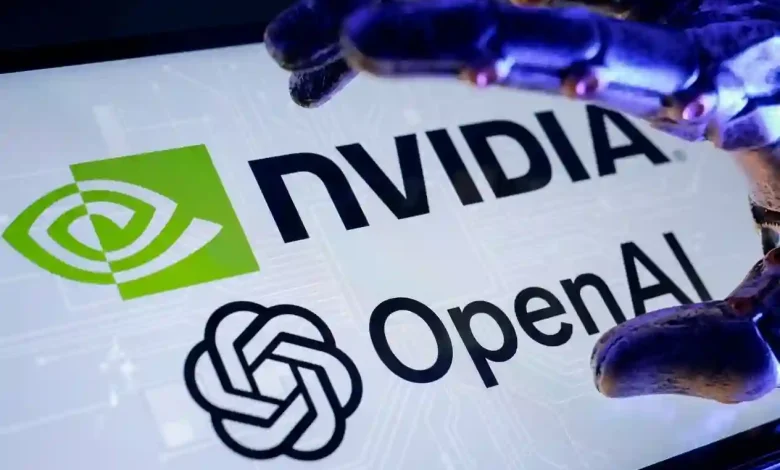
Table of Contents
Nvidia, the undisputed heavyweight of the artificial intelligence hardware revolution, is reportedly in advanced discussions to invest up to $3 billion in SB Energy, a SoftBank Group subsidiary. This groundbreaking transaction represents a massive tactical shift, positioning the graphics processing unit (GPU) giant as a direct financial stakeholder in the primary energy and physical infrastructure powering tomorrow’s artificial intelligence. SB Energy, which is backed by both SoftBank and OpenAI, is currently designing a massive 10-gigawatt (GW) data center project in Ohio specifically optimized for OpenAI’s intensive computational workloads. This potential investment underscores a broader paradigm shift: as the physical limits of power grids become the ultimate bottleneck for next-generation generative models, Nvidia is rapidly transitioning from a silicon vendor to a co-owner of the heavy infrastructure stack.
As part of its broader mandate, the chipmaker is leveraging Nvidia’s massive AI investment strategies to co-sign large infrastructure builds where power availability is a bottleneck. By shifting capital from traditional balance-sheet investments directly into power generation and transmission, the tech giant is looking to guarantee that its flagship Blackwell chips have a reliable and immediate destination with secured energy access.
Introduction to Nvidia’s Direct Power Play
Developing frontier artificial intelligence models requires an almost unfathomable level of computing capability, which in turn demands a consistent and high-volume supply of electricity. For years, major tech firms leased standard server configurations in generic colocation data centers. Today, the landscape is completely different. The sheer scale of OpenAI’s planned operations requires dedicated, sovereign-level infrastructure. SB Energy has emerged as a key enabler of this massive deployment, stepping in to construct the physical framework and energy assets needed to keep thousands of high-performance GPUs running around the clock.
Inside the $3 Billion SB Energy Strategic Deal
The negotiations, first reported by The Information, highlight a complex funding roadmap designed to de-risk SB Energy’s ambitious capital expansion plans. Rather than a straightforward venture injection, Nvidia’s proposed $3 billion commitment is structured to match key execution milestones. This multi-layered financial commitment not only secures a critical partnership but also strengthens SoftBank’s hand as it prepares to spin off its renewable energy and infrastructure business. Goldman Sachs is advising SB Energy on the transaction, showcasing the deep interest financial institutions have in Goldman Sachs’ outlook on Nvidia’s technology and market trajectory. Meanwhile, Morgan Stanley is acting as the primary financial advisor for Nvidia, reflecting the immense scale of this investment. The partnership also creates a powerful precedent for other chip manufacturers, indicating that future hardware dominance will require active, capital-intensive participation in building the physical infrastructure that runs the silicon.
Project Sign-Off and Pre-IPO Milestones
Under the currently proposed terms, Nvidia is discussing an upfront allocation of approximately $1.5 billion, which would be released immediately upon the final signing of the Ohio data center agreement. The remaining $1.5 billion would be injected as a cornerstone commitment during SB Energy’s highly anticipated Initial Public Offering (IPO). This strategic listing could take place as early as next month, with the subsidiary seeking to raise at least $5 billion from public markets. By securing Nvidia as an anchor pre-IPO investor, SB Energy dramatically bolsters its credibility among institutional buyers. This critical alliance between Nvidia, OpenAI, and SB Energy comes amid complex market pressures, including recent high-profile legal battles surrounding OpenAI and other industry leaders trying to solidify their generative tech ecosystems. Furthermore, the strategic funding injection allows SB Energy to demonstrate immediate capital depth, a crucial metric for public markets searching for companies with long-term revenue visibility in the tech-adjacent utility space.
SoftBank’s Strategic Alignment with OpenAI and Ares Management
SB Energy is no stranger to blue-chip backing. Since its inception in 2019, the firm has established itself as an elite player in large-scale renewable power development and highly specialized digital infrastructure. Over the past twelve months, the company has raised in excess of $1.8 billion from an elite group of investors including SoftBank, OpenAI itself, and alternative asset manager Ares Management. By aligning these major entities, SB Energy has created a unique vertical integration loop: SoftBank provides financial backing and corporate synergy, OpenAI brings guaranteed demand as the anchor tenant, and Nvidia supplies the hardware and sovereign investment to build out the facilities. Navigating this complex financial landscape requires strong visionaries, similar to how leading executives handle strategic financial leadership decisions across Europe’s banking sector. This structure creates a heavily buffered alliance where each player’s risk is minimized by the operational strengths of others in the group.
Structuring the Massive Ohio AI Infrastructure Project
The planned Ohio data center campus is projected to be one of the largest infrastructure developments in modern history, with a total estimated price tag hovering around $500 billion over its complete multi-phase development cycle. At its full maturity, the site is designed to pull 10 gigawatts of power, representing a scale that dwarfs traditional cloud data centers. This grid-first approach aligns with how key public institutions, including the United States Defense Department, prioritize energy resilience for secure, state-of-the-art supercomputing networks. Managing a development of this size requires complex financial mechanisms, especially as the capital markets adjust to the sheer volume of cash required to build the physical backbone of the artificial intelligence boom. By selecting Ohio, SB Energy and OpenAI benefit from strategic geographic advantages, including proximity to major power transmission lines, favorable local tax structures, and access to a growing pool of tech-focused labor.
Downscaling the Credit Guarantee from $250 Billion to $120 Billion
While the absolute scale of the project remains unprecedented, the parties have reportedly restructured their financial risk-sharing agreements to reassure Wall Street. Previously, negotiations included a proposed $250 billion direct credit guarantee from Nvidia to back the construction phase of the Ohio campus. However, recent reports from the Wall Street Journal indicate that Nvidia has scaled back this guarantee to under $120 billion. This revised guarantee is structured to cover only the initial 5-gigawatt phase of the development, protecting Nvidia’s highly liquid balance sheet from excessive exposure while still providing more than enough credit support to ensure construction moves forward smoothly. Behind the massive capital costs, tech conglomerates are also optimizing internal structural expenses such as employee wellness and operational costs to preserve cash reserves. This balanced allocation of capital allows Nvidia to appease risk-averse institutional investors while remaining the primary driver of major AI infrastructure developments.
The 10-Gigawatt Campus Milestone in Ohio
Establishing a 10-gigawatt capacity in a single region is a monumental engineering feat. To put this in perspective, 10 GW is enough energy to power millions of residential homes simultaneously. Ohio’s local energy grid will require massive upgrades, including dedicated high-voltage transmission lines and new substation configurations. SB Energy’s core expertise lies in coordinating these massive grid connections and blending renewable energy sources, such as utility-scale solar and battery storage, with baseline nuclear and natural gas capacity. Simultaneously, public policy discussions around AI’s societal footprints are accelerating, ranging from national energy footprints to regional educational technology bans and integration policies. This balance of power infrastructure and state-level policy is a key variable in determining the success of the campus, as utility companies and regulators must balance industrial AI needs with residential grid reliability.
Key Strategic Details of the Nvidia-SB Energy Partnership
Nvidia’s investment in SB Energy is not an isolated incident; it follows a pattern of direct sovereign power deals. For instance, Nvidia recently committed up to $3 billion to Blackstone-backed Lancium, which is developing the ‘Stargate’ campus in Abilene, Texas. Here is how these two massive infrastructure plays compare in scope, financial structure, and operational focus:
| Feature | SB Energy Ohio Project | Lancium Stargate Project |
|---|---|---|
| Primary Sponsor | SoftBank Group & OpenAI | Blackstone Group |
| Nvidia Investment Target | Up to $3 Billion | Up to $3 Billion |
| Target Power Capacity | 10 Gigawatts (GW) | Multi-GW (Phased) |
| Core AI Anchor Tenant | OpenAI | Various / Enterprise AI |
| Financial Advisers | Goldman Sachs & Morgan Stanley | Undisclosed |
| Primary Location | Ohio, USA | Abilene, Texas, USA |
| IPO Status | Confidential draft filed; expected next month | Private Development |
Understanding Nvidia’s Pivot from Silicon Vendor to Power Co-Owner
For years, Nvidia was viewed primarily as a fabless semiconductor designer, generating massive cash flows by selling H100, Blackwell, and next-generation architecture chips to hyper-scalers like Microsoft, Google, and Amazon. However, the current bottleneck in AI training and inference is no longer just chip supply—it is power. There are simply not enough gigawatts available on local grids to run the massive clusters of Blackwell GPUs that OpenAI and its competitors need to train frontier models. By investing directly in SB Energy and Lancium, Nvidia is effectively co-signing the power stack itself. This strategy ensures that Nvidia’s primary customers have the physical space and energy capacity to buy and run Nvidia hardware, creating a self-sustaining demand loop. It also allows Nvidia to capture margins along the entire value chain—not just on the silicon itself, but on the very energy flow that keeps the neural networks running.
Regulatory, Environmental, and Operational Hurdles in Ohio
Developing a gigawatt-scale data center campus in Ohio brings significant regulatory and environmental scrutiny. Local grid operators, such as PJM Interconnection, are already facing mounting pressure to maintain grid stability amidst surging demand from data centers. Critics argue that diverting gigawatts of capacity to AI clusters could drive up utility costs for local consumers and delay transition targets to clean energy. SB Energy will have to closely coordinate with Ohio state officials and local utility commissions to ensure that their massive solar and storage installations can offset the immense continuous drain of the supercomputer clusters. This complex dance between technology, finance, and regional policy will be the ultimate test for Nvidia’s infrastructure-led growth strategy, establishing whether massive tech projects can coexist with public utility needs.
Conclusion: The Future of Co-Signed AI Megaprojects
Ultimately, Nvidia’s potential $3 billion investment in SB Energy highlights a maturing AI market where supply-chain constraints are being met with aggressive vertical integration. As the demands of generative models scale exponentially, standard commercial leasing models are being replaced by joint-equity infrastructure initiatives. This deal, backed by the strategic financial advising of Wall Street giants and co-signed by the dominant players in AI development, could very well serve as the blueprint for the next decade of technology infrastructure. If successful, the Ohio data center campus will not only power OpenAI’s next-generation models but will also redefine the relationship between the silicon, the power grid, and the global financial markets.




2 Comments