Andrea Orcel: Decoding the UniCredit Blueprint for Commerzbank 2026
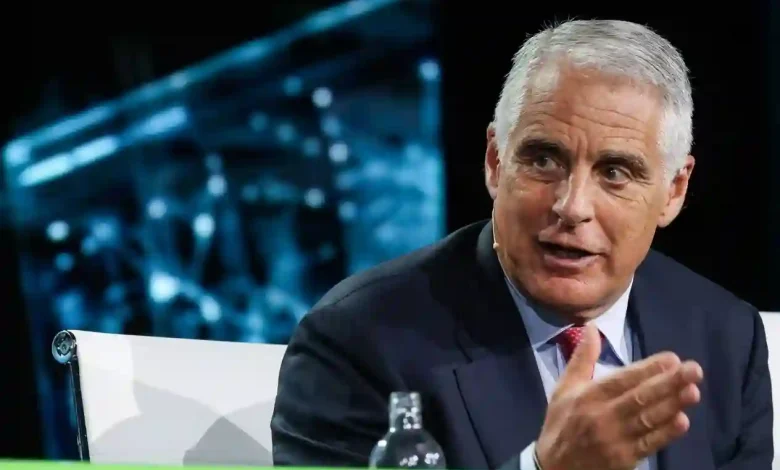
Table of Contents
Andrea Orcel, the formidable Chief Executive Officer of UniCredit, has developed an aggressive blueprint for the future of European banking, designed to streamline operations, cut costs, and unlock massive shareholder value. Since taking the helm of the Italian lender in 2021, Orcel has engineered a stunning transformation that turned UniCredit into one of Europe’s most profitable banking institutions. Now, with UniCredit securing a significant 48% stake in Germany’s Commerzbank as of mid-2026, Orcel has set his sights on replicating this high-efficiency playbook in Frankfurt. However, interviews with more than a dozen current and former UniCredit executives reveal that while his formula has achieved historic results in Italy, applying it to the rigid corporate, political, and cultural landscape of Germany could prove far more challenging.
The Ambition of Andrea Orcel
The proposed takeover of Commerzbank represents one of the most ambitious cross-border banking consolidations in the Eurozone since the financial crisis. Orcel’s strategy, known as “Commerzbank Unlocked,” aims to transform a traditional, risk-averse German institution into a highly efficient profit engine. This plan has ignited intense debates across the European financial sector, drawing both admiration from institutional investors and fierce resistance from German labor unions and political figures. In analyzing the potential fallout of aggressive corporate restructuring, one must look at how markets handle escalating financial liabilities and unexpected economic strains when massive transitions are delayed by political blockades.
The UniCredit Turnaround: A Masterclass in Efficiency
To understand the blueprint for Commerzbank, one must first look at the remarkable turnaround Orcel achieved at UniCredit. Since 2021, UniCredit has witnessed a spectacular ten-fold increase in its share price, drastically outperforming its European peers. This rapid ascent was not merely the result of macroeconomic tailwinds, such as rising interest rates, but was driven by a relentless focus on internal efficiency, strict cost controls, and aggressive reorganization. Orcel’s approach fundamentally challenged the traditional, bureaucratic banking models that had weighed down Southern European finance for decades.
Stripping Out Management Layers and Shrinking the Center
A core pillar of Orcel’s transformation playbook is “de-layering”—a systematic process of removing intermediary management tiers to speed up decision-making and reduce overhead. At UniCredit, the number of management layers between executive leadership and client-facing roles was slashed from nine to just four. This drastic reduction of what Orcel famously termed “the bloated centre” was paired with a 20% reduction in the total workforce. Rather than initiating simple mass layoffs, UniCredit shifted hundreds of central corporate employees out of administrative back-offices and directly into retail branches to boost sales and client engagement.
Commerzbank Unlocked: The Details of the Overhaul Plan
Under the proposed “Commerzbank Unlocked” roadmap presented to analysts, UniCredit plans to apply these exact structural adjustments to the Frankfurt-based lender. The blueprint aims to shrink Commerzbank’s cost base by approximately €1.3 billion—representing roughly one-fifth of its total operating expenses. To appease local regulators and minimize initial friction, Orcel has proposed keeping Commerzbank legally separate from UniCredit’s existing German subsidiary, HypoVereinsbank (HVB), until at least 2029 or 2030. By optimizing senior overhead and streamlining international operations, the Italian lender believes it can push Commerzbank’s net profits to €5.1 billion by 2028.
The German Realities: Why Replicating the Blueprint is Harder
While Orcel’s track record is indisputable, many industry experts, supervisors, and former executives warn that Germany is not Italy. The hostile nature of UniCredit’s stake acquisition has alienated Commerzbank’s current management, led by Chief Executive Bettina Orlopp. Furthermore, the hostile nature of this cross-border acquisition has triggered intensified regulatory compliance reviews by supervisors in Frankfurt and Brussels, who are deeply concerned about the stability of Germany’s second-largest private lender. The broader European banking landscape is already under immense pressure due to global macroeconomic instabilities and supply chain disruptions, leaving little margin for error in highly leveraged financial integrations.
Labor Opposition and the Power of Verdi
Perhaps the most significant obstacle to Orcel’s cost-cutting blueprint is the formidable power of German labor unions, specifically Verdi. Unlike the more decentralized labor environment in other parts of Europe, German corporate governance operates under the strict principle of “Mitbestimmung” (co-determination). Under this system, employee representatives hold half of the seats on Commerzbank’s supervisory board, giving them substantial veto power over major strategic decisions, mass layoffs, and operational restructuring. This public-facing sparring has led to a storm of conflicting state narratives, with Italian financial leaders championing a united European banking market while German politicians warn of a direct threat to national industrial interests.
Unions argue that Orcel’s plan to slash back-office support and shift workers to front-facing branches could result in strategic resource shortages in vital administrative and compliance functions, particularly as regulatory demands continue to rise across the Eurozone. To counter these concerns, Orcel has emphasized that approximately 60% of the proposed €1.3 billion cost savings would be extracted from non-HR and non-core activities within Commerzbank’s international network, rather than direct cuts within Germany itself. Yet, labor leaders remain highly skeptical, viewing any foreign takeover as an existential threat to German jobs and local banking access.
Quantitative Comparison: UniCredit vs. Commerzbank
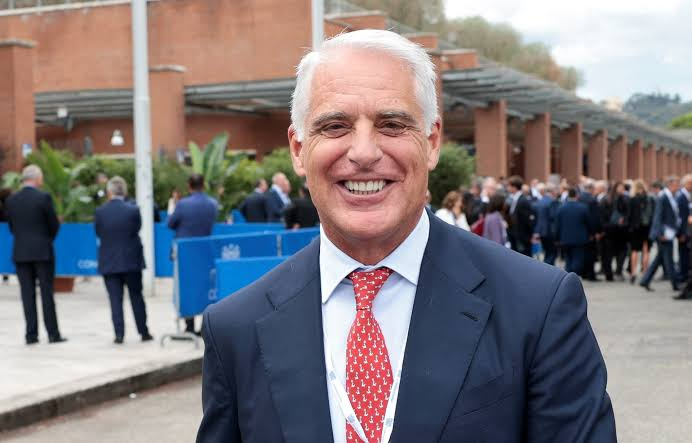
To highlight the structural divergence that Andrea Orcel intends to address, the following table compares key operating metrics and strategic features of UniCredit and Commerzbank based on recent 2026 financial disclosures:
| Strategic Dimension | UniCredit (Italy / Group) | Commerzbank (Germany) |
|---|---|---|
| Current CEO Leadership | Andrea Orcel (Aggressive Efficiency Model) | Bettina Orlopp (Defensive ‘Momentum’ Plan) |
| Core Strategic Roadmap | “Commerzbank Unlocked” | “Momentum Strategy” |
| Proposed Cost Savings | Implemented >20% workforce cuts since 2021 | Targeting €1.3 billion in structural cuts |
| Management Tiers | De-layered from 9 down to 4 | Multi-layered, traditional hierarchy |
| Labor & Union Relations | Executive-driven, low operational friction | Co-determination (Mitbestimmung), heavy Verdi veto |
| Target Net Profit (2028) | Industry-leading profitability and cash returns | Projecting €5.1 billion under Unlocked scenario |
Geopolitical and Macroeconomic Undercurrents
The struggle for Commerzbank is not taking place in a geopolitical vacuum. To understand the unique resilience of the German corporate model and its protectionist tendencies, one must look at the long-term institutional legacies that prioritize labor representation, stakeholder consensus, and national economic stability over rapid shareholder returns. For Germany, retaining Commerzbank as an independent, domestic lender is a critical matter of economic self-determination, comparable to how sovereign states fiercely guard regional sovereignty and control over key domestic industries and natural resources during periods of international realignment.
Furthermore, Commerzbank has recently displayed robust standalone performance, achieving a record operating profit of €2.4 billion in the first half of the year. This financial strength has given Bettina Orlopp and her team the leverage to argue that Commerzbank does not need a foreign savior. They claim that Orcel’s critiques are based on outdated data, and that Commerzbank’s standalone “Momentum” strategy is already delivering superior, low-risk value to its shareholders.
Conclusion: A High-Stakes M&A Game in European Banking
Ultimately, Andrea Orcel’s push for Commerzbank is a defining moment for the integration of the European financial market. If successful, it could pave the way for a wave of cross-border mergers, creating true pan-European banking champions capable of competing with American and Chinese Wall Street giants. If the German government, regulatory bodies, and labor unions refuse to compromise, however, the deal risks stalling in one of those complex institutional impasses that have historically frozen corporate restructuring in Europe. Whether Orcel can successfully translate his hard-nosed Italian success story into the consensual corporate culture of Germany remains the most compelling question in global banking today.