Roaring Lion mission: IDF Eliminates 1,400 Hezbollah Members
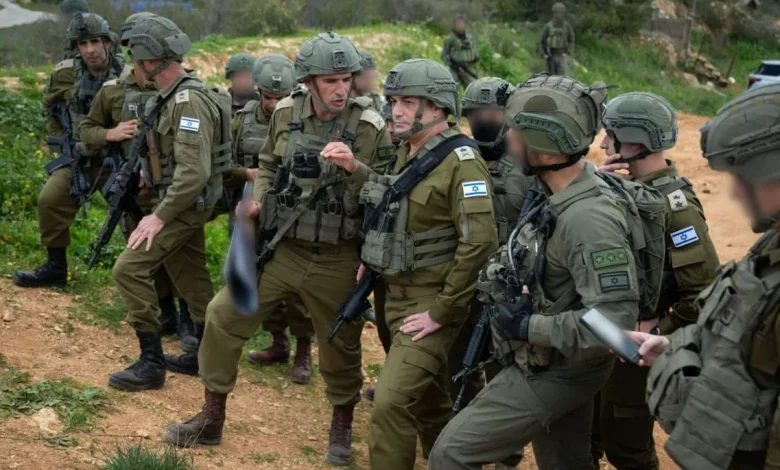
Roaring Lion mission: The Strategic Overhaul in Southern Lebanon
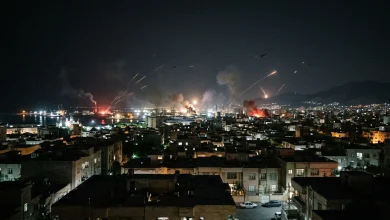
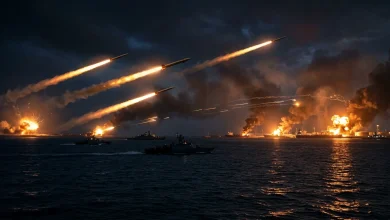
The initiation of the military campaign signifies a radical departure from the localized skirmishes and tit-for-tat exchanges that have historically characterized the Israel-Lebanon border dynamics. Designed to permanently alter the security paradigm of the region, the operation integrates advanced intelligence gathering, relentless aerial bombardment, and sweeping mechanized ground maneuvers. Israeli military command structured the offensive not merely as a punitive measure, but as a comprehensive eradication strategy designed to push militant forces north of the Litani River, in accordance with long-ignored international resolutions. This calculated approach aligns directly with the broader Benjamin Netanyahu 2026 strategic shifts, wherein the Israeli administration prioritized absolute border security over the previously maintained fragile deterrence policies. By deploying overwhelming force simultaneously across multiple axes, the IDF intends to shatter the enemy’s command and control infrastructure, rendering any coordinated counter-offensives mathematically and logistically impossible.
Five IDF Divisions Coordinated in Massive Offensive
To understand the sheer magnitude of the offensive, one must analyze the deployment of five full IDF divisions simultaneously striking southern Lebanon. Historically, Israel has relied on targeted strikes and specialized unit incursions to handle northern border threats. However, the commitment of five divisions—comprising heavily armored brigades, elite paratroopers, specialized engineering corps, and massive artillery battalions—demonstrates an unparalleled commitment of military resources. These divisions operate in a highly synchronized manner, utilizing real-time, AI-driven battlefield analytics to coordinate movements and prevent friendly fire incidents in the dense, treacherous terrain of the Lebanese south. The engineering units have been particularly crucial, tasked with neutralizing the extensive subterranean tunnel networks that have been painstakingly constructed over the past two decades. This multi-pronged ground invasion, backed by continuous close air support, leaves the defending militants virtually no space to regroup or retaliate effectively.
Devastating Blows to Hezbollah Infrastructure
The sheer scale of the destruction inflicted upon the militant infrastructure in southern Lebanon is unprecedented. The IDF claims to have successfully identified and dismantled over 4,300 distinct infrastructure sites. These are not merely surface-level outposts; they encompass a vast array of strategic assets, including deeply buried command centers, sophisticated missile launch pads, logistical supply depots, and extensive subterranean pathways designed for smuggling and stealth maneuvers. The systematic dismantling of these sites represents a catastrophic loss of investment for the militant organization, effectively setting their military capabilities back by decades.
| Operational Metric | Verified Outcome / Statistic |
|---|---|
| Hezbollah Operatives Killed | 1,400+ Neutralized |
| Infrastructure Sites Destroyed | 4,300+ Leveled |
| Weapons Caches Seized | Hundreds of Facilities Cleared |
| Military Force Deployed | 5 Coordinated IDF Divisions |
| Primary Combat Zone | Southern Lebanon / Border Regions |
Targeting and Eliminating 4,300 Infrastructure Sites
The ability to accurately target and destroy 4,300 sites in such a condensed timeframe is a testament to years of meticulous intelligence gathering. The Israeli intelligence apparatus utilized a combination of satellite imagery, drone surveillance, electronic signals interception, and deep-cover human intelligence to map the enemy’s footprint across southern Lebanon. When the operation commenced, pre-programmed coordinates were fed into automated targeting systems, allowing for rapid, sequential strikes. The infrastructure, often deliberately embedded within or beneath civilian structures to deter bombardment, was systematically unraveled. Advanced bunker-busting munitions were heavily utilized to penetrate reinforced concrete structures hidden deep within the mountainous terrain, ensuring that the subterranean networks were completely collapsed and rendered permanently unusable.
Massive Seizures of High-Grade Weapons
In addition to structural destruction, the campaign has resulted in the seizure of hundreds of weapons caches. Ground troops advancing through the rugged landscape have uncovered vast arsenals comprising anti-tank guided missiles (ATGMs), rocket-propelled grenades, advanced mortar systems, sniper rifles, and countless rounds of small arms ammunition. More alarmingly, the IDF has reported seizing sophisticated drone technology and long-range precision-guided munitions that pose an existential threat to major Israeli population centers. The physical confiscation of these weapons not only removes immediate threats from the battlefield but also provides invaluable intelligence regarding the supply chains and foreign manufacturing sources—primarily tracing back to state sponsors—that have fueled the conflict for decades.
The Staggering Toll on Hezbollah Militants
The human cost of the conflict on the militant side is profound, with over 1,400 Hezbollah fighters confirmed dead since the operation’s inception. This figure represents a massive degradation of the organization’s experienced combat personnel, including vital field commanders, specialized engineers, and veteran tacticians. The loss of such a significant volume of trained manpower creates an unbridgeable leadership vacuum and severely dampens the morale of surviving units. As the command structure fractures under the immense pressure of the five advancing IDF divisions, unit cohesion breaks down, leading to disorganized and ineffective resistance. The ramifications of these casualties extend far beyond the immediate tactical sphere; they ripple outward, influencing the broader Iran war fallout, as the primary proxy force in the region finds its operational capacity severely crippled and its long-term viability called into question.
Humanitarian Crisis: The Lebanese Civilian Suffering
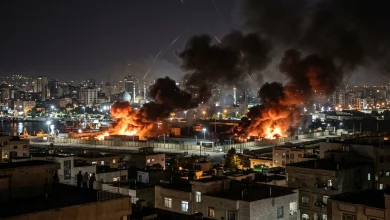
While military objectives dominate the headlines, the profound tragedy of the Lebanese civilian population cannot be overstated. The people of Lebanon, already grappling with a historically devastating economic collapse, hyperinflation, and political paralysis, have found themselves thrust into the epicenter of a brutal war. As the 4,300 infrastructure sites were targeted, the collateral damage was immense. Many of these militant assets were inextricably woven into the fabric of civilian villages, resulting in entire neighborhoods being leveled. The suffering of the Lebanese civilians is the most heart-wrenching aspect of this offensive, as families lose their homes, their livelihoods, and their loved ones in the relentless crossfire. International bodies and human rights advocates have raised severe alarms regarding the humanitarian toll. Reports compiled by organizations such as Amnesty International highlight the desperate conditions faced by civilians trapped in combat zones without access to medical care, clean water, or safe evacuation routes.
Mass Displacement and Leveled Homes in the South
The immediate consequence of the heavy bombardment and ground invasion has been a massive wave of forced displacement. Hundreds of thousands of Lebanese citizens have fled their ancestral homes in the south, desperately seeking refuge in the already overcrowded capital of Beirut or migrating further north. The scenes on the highways leading out of the conflict zones are reminiscent of historical tragedies, with convoys of fleeing civilians stretching for miles. The homes left behind have, in many cases, been completely leveled. Ancient villages, generational agricultural lands, and vital civilian infrastructure—such as schools, hospitals, and power grids—have been severely damaged or completely destroyed. The reconstruction of southern Lebanon will likely take decades, requiring massive international financial intervention that remains uncertain in the current global economic climate.
Regional Implications and Geopolitical Fallout
The reverberations of this intense military campaign have violently shaken the geopolitical foundations of the Middle East. The systematic dismantling of a primary proxy force sends a profound and chilling message to its state sponsors and allied militant organizations across the region. Neighboring nations are on high alert, deeply concerned that the localized conflict will aggressively spill over their borders, igniting a wider regional conflagration. The diplomatic channels are heavily strained as international leaders scramble to negotiate ceasefires and establish humanitarian corridors. This widespread instability directly correlates with warnings issued by global economic analysts, emphasizing how the U.S.-Iran war threatens markets, particularly concerning the disruption of global energy supplies and critical maritime shipping lanes navigating through the volatile Middle Eastern waters.
Broader Middle East Destabilization Warnings
Global powers are watching the situation with increasing trepidation. The aggressive posture maintained by the Israeli military, coupled with the profound losses experienced by militant factions, creates a highly combustible environment where miscalculations could easily trigger involvement from other state actors. Efforts to de-escalate the situation are underway, highlighted by recent diplomatic maneuvers such as the Middle East tour by prominent European leaders attempting to broker peace and stabilize the region. However, as long as the five IDF divisions remain heavily entrenched in southern Lebanon and the core military objectives are aggressively pursued, the risk of broader regional destabilization remains critically high. The balance of power is shifting daily, and the international community remains largely paralyzed, unable to effectively halt the violence or mitigate the ensuing catastrophic humanitarian disaster.
Future Trajectory of the Northern Front Conflict
Looking forward, the ultimate resolution of this brutal conflict remains shrouded in intense uncertainty. The Israeli military shows no immediate signs of decelerating its operational tempo, clearly intent on establishing a permanent, heavily fortified buffer zone devoid of any militant presence. However, history dictates that purely military solutions to deeply entrenched regional conflicts often yield temporary reprieves rather than lasting peace. While the elimination of 1,400 fighters and the destruction of 4,300 sites represent undeniably monumental tactical victories for the IDF, the ideological roots of the conflict and the profound grievances of the displaced and suffering Lebanese civilian population will inevitably persist. The post-conflict reality will require unprecedented international diplomacy, massive humanitarian reconstruction efforts, and a fundamental reimagining of regional security architectures to prevent the cycle of devastating violence from inevitably repeating itself in the years to come.