Graham Platner Accused of Meddling in Maine Replacement Process: 5 Key Facts
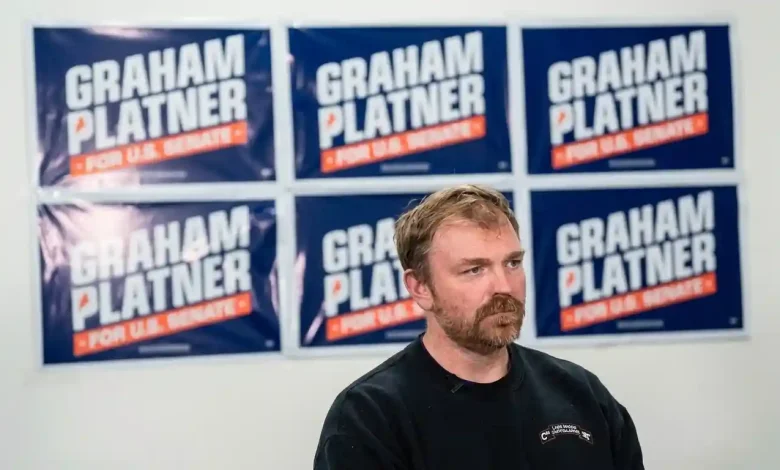
Table of Contents
Graham Platner is currently at the center of an unprecedented political crisis in Maine, one that has plunged the state’s Democratic Party into turmoil just months before the critical midterm elections. As the official Democratic nominee for the U.S. Senate, Platner’s insurgent campaign was once seen as a powerful progressive force capable of challenging long-time Republican incumbent Senator Susan Collins. However, a sudden storm of severe personal allegations has forced Platner to suspend his campaign, triggering a frantic search for a replacement. The situation worsened significantly when the Maine Democratic Party publicly accused Platner and his campaign of attempting to exert improper influence over the process of selecting his successor on the ballot. This escalating civil war between the party establishment and the populist wing of the nominee has raised the stakes in a race that could decide the balance of power in Washington.
Introduction to the Graham Platner Controversy
The political landscape in Maine has been thoroughly upended by the sudden developments surrounding the state’s Democratic Senate nominee. What was once heralded as a textbook grassroots insurgency has dissolved into a bitter public feud over campaign ethics and party governance. Graham Platner’s rise to prominence had initially united a diverse coalition of progressive activists, labor unions, and rural working-class voters who were hungry for an anti-establishment message. By tapping into systemic frustrations over housing affordability, healthcare access, and the influence of the donor class, Platner managed to secure a historic primary victory, capturing over 150,000 votes. This was the largest primary vote share for any Democratic Senate candidate in the state’s history, signaling what many believed was a mandate for change. However, the institutional goodwill built during his campaign has quickly evaporated under the weight of severe personal scandals and public recriminations between his staff and party leadership.
The Core Accusation: Trying to Meddle in the Process
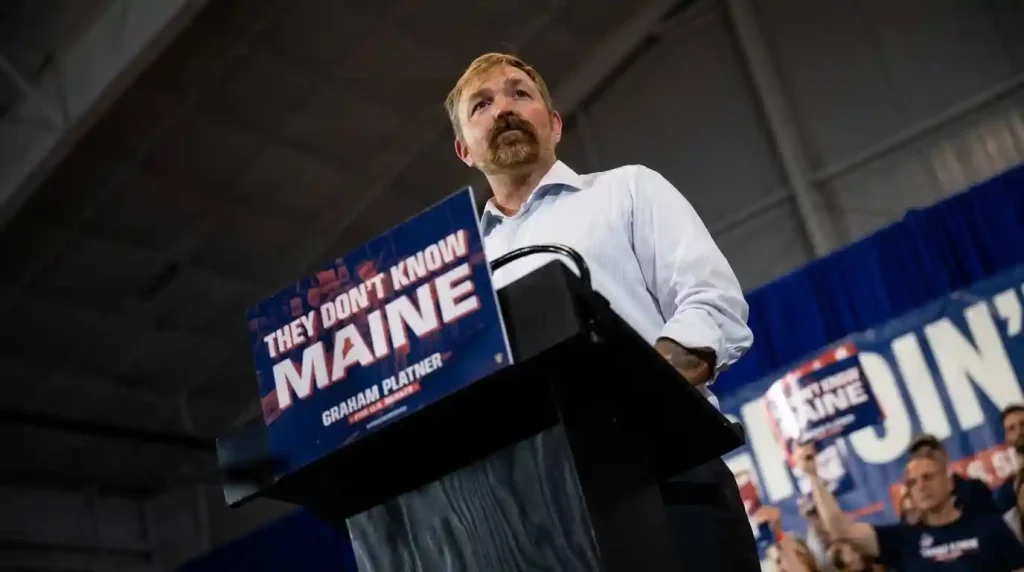
The friction between the state party and the embattled nominee erupted into the public eye following an internal memo and social media broadcasts from party leadership. According to top party officials, Graham Platner’s team has engaged in a coordinated effort to control or skew the selection mechanism designed to find a replacement candidate. In the fast-moving world of Maine politics, the sudden vacancy of a major federal nomination has created a power vacuum, and the party establishment is fiercely guarding its institutional authority against what it perceives as overreach from a disgraced campaign. The party’s leadership wants to ensure that the process remains entirely separate from Platner’s campaign apparatus to maintain public trust. State party leaders fear that any perception of Platner hand-picking his successor would taint the incoming nominee’s campaign before it even begins, rendering them vulnerable to Susan Collins’ highly efficient campaign machine.
The Maine Democratic Party’s Perspective
Devon Murphy-Anderson, the Executive Director of the Maine Democratic Party, took the unusual step of sending an email to the 113-member Democratic State Committee and the Democratic Executive Committee to sound the alarm. In the email, which was subsequently shared with reporters, Murphy-Anderson accused Platner’s campaign of repeatedly reaching out to party leaders in an effort to “put their thumb on the scale” of the transition process. The party made it clear that a candidate who is withdrawing from the race due to severe misconduct allegations should have absolutely no say in who succeeds them. In a video address published on X (formerly Twitter), Murphy-Anderson reiterated that the campaign would have “no role” in determining the next nominee or shaping the procedures of the upcoming special convention. This public disavowal underscores the party’s desire to draw a clear line of demarcation between their institutional processes and Platner’s embattled staff.
The Response from Graham Platner’s Campaign
Graham Platner’s campaign was swift to dispute the party’s characterization of their inquiries. A spokesperson for the Platner campaign issued a strong denial, arguing that their communications with the party were intended merely to understand the replacement framework rather than to manipulate it. The campaign emphasized that over 150,000 Mainers had voted for Platner in the June 9 primary, making him the recipient of the largest primary vote share in the history of Maine Democratic Senate contests. Platner’s team stated that while the candidate himself does not seek a personal role in the transition, he remains deeply committed to ensuring that the selection process remains open, democratic, and driven by grassroots volunteers and voters rather than being decided in “backrooms” by the party establishment. They argue that the establishment is using the scandal as a pretext to push through a moderate candidate who lacks the populist appeal required to defeat Collins.
The Demise of the Graham Platner Campaign
To understand how the party arrived at this point, one must look at the meteoric rise and equally rapid descent of Graham Platner. An oyster farmer and Marine Corps veteran with three combat tours in Iraq and one in Afghanistan, Platner positioned himself as a fierce anti-establishment populist. His platform—focusing on Medicare for All, aggressive labor reforms, and opposition to corporate influence—resonated deeply with working-class voters in both coastal and rural Maine, allowing him to easily defeat establishment favorites during the primary. Despite carrying prior controversies, including a controversial chest tattoo and controversial past social media posts, his campaign appeared unstoppable until devastating new allegations surfaced. The final blow came in early July 2026, when a report published by Politico revealed a credible allegation of sexual assault made by a former girlfriend, Jenny Racicot, as reported by The Associated Press, causing his political support to evaporate almost overnight. High-profile allies, including Vermont Senator Bernie Sanders and California Representative Ro Khanna, rescinded their endorsements and urged him to step aside, making his continued candidacy untenable. Even Senate Democratic leaders like Chuck Schumer quickly joined the chorus calling for his immediate withdrawal. This unified opposition from both the progressive and moderate factions of the national party effectively isolated Platner, cutting off crucial financial resources and campaign infrastructure.
Understanding the Replacement Mechanism and Key Deadlines
Faced with the reality of an empty Senate slot, the Maine Democratic Party had to move quickly to establish a legal and legitimate process to nominate a successor. Under state election laws, Platner must officially file his withdrawal paperwork with the Maine Secretary of State’s office. The official deadline for Platner to remove his name from the ballot is July 13 at 5:00 p.m.. Once the withdrawal is officially processed, the state party has a strict two-week window to select and certify their new nominee, establishing a final deadline of July 27 at 5:00 p.m.. Rather than allowing a small executive committee to hand-pick the nominee behind closed doors—which many feared would alienate the progressive base—the party opted for a historic, large-scale convention of approximately 600 delegates. Of these, 500 will be delegates elected proportionally by local county committees across Maine’s 16 counties, and the remaining 100 spots will be filled by the members of the Democratic State Committee. This method is the first of its scale ever attempted by Maine Democrats to replace a statewide nominee, creating an intense, high-stakes political event.
Contenders Vying to Replace Graham Platner on the Ballot
The scramble to replace Platner has attracted a wide array of prominent Maine Democrats, each representing different factions of the party. The upcoming nominating convention will serve as a battleground between the populist, working-class movement that propelled Platner to victory and the moderate, institutional wing favored by state leaders like Governor Janet Mills. The new nominee will have to quickly heal these internal wounds and unite a deeply divided base to stand any chance of victory in November. Several potential candidates have already begun forming exploratory committees or quietly lobbying delegates ahead of the vote. The choice of candidate will signal the party’s general election strategy: whether they believe a progressive firebrand or a moderate consensus builder is best suited to take down Susan Collins.
Troy Jackson and Shenna Bellows as Frontrunners
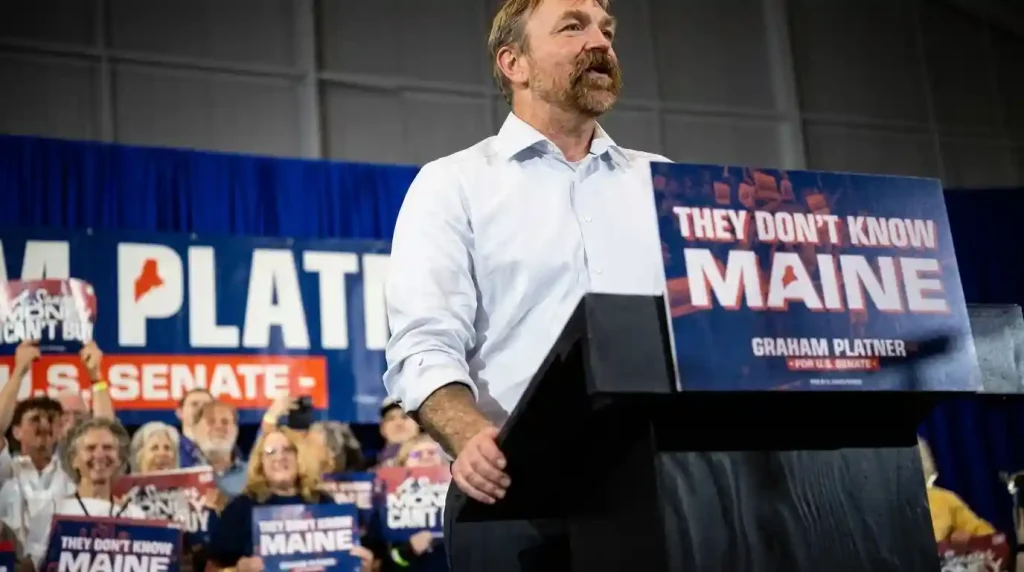
Troy Jackson, a fifth-generation logger and highly respected former president of the Maine Senate, was the first to officially declare his candidacy. Jackson, who previously ran a strong progressive campaign for governor with the backing of Bernie Sanders, quickly filed paperwork with the Federal Election Commission to form an exploratory committee. National progressive figures, such as Representative Ro Khanna, have already endorsed Jackson, arguing that his working-class roots and strong union connections make him the ideal candidate to retain the populist energy of Platner’s base. On the other hand, Shenna Bellows, Maine’s current Secretary of State and the first woman to hold the position, has also thrown her hat into the ring. Bellows brings immense name recognition, a proven fundraising track record, and a strong appeal to suburban and moderate voters. Having previously run for the U.S. Senate in 2014, Bellows understands the rigorous demands of a statewide federal campaign, making her a formidable and prepared option for the delegates.
Comparison of Potential Replacement Candidates
To understand the dynamic choices facing the 600 delegates at the upcoming nominating convention, it is helpful to compare the leading contenders across key political dimensions:
| Candidate | Current/Former Role | Ideological Wing | Key Advantages | Key Challenges |
|---|---|---|---|---|
| Troy Jackson | Former Maine Senate President & Logger | Populist / Progressive | Strong union backing; Bernie Sanders ally; appeals to rural, working-class voters. | Lost previous statewide primary campaigns. |
| Shenna Bellows | Maine Secretary of State | Progressive / Mainstream | High statewide name recognition; historic profile; strong support among suburban women. | Lost decisively to Susan Collins in the 2014 Senate race. |
| Nirav Shah | Former Maine CDC Director | Moderate / Technocratic | Widespread popularity from pandemic leadership; non-traditional political appeal. | Lacks a traditional legislative or political organizing base. |
| Dan Kleban | Co-founder, Maine Beer Company | Moderate / Business-aligned | Strong business credentials; appeals to independent and moderate voters. | Lower political name recognition compared to statewide officeholders. |
Conclusion: A Party at a Crossroads
Ultimately, the battle over Graham Platner’s replacement highlights the deep, systemic divisions within the Maine Democratic Party. While the party leadership seeks to move past the scandal with a highly transparent nominating process, the shadow of Platner’s record-breaking primary victory looms large. Whether the party chooses to double down on a populist message with a candidate like Troy Jackson or pivots to an establishment figure like Shenna Bellows remains to be seen. What is certain is that the decisions made in the coming weeks will reverberate far beyond the borders of Maine, shaping the future of the U.S. Senate for years to come.