Historic Breakthrough: 5 Key Facts About Nuclear Inspectors Returning to Iran Under Peace Deal
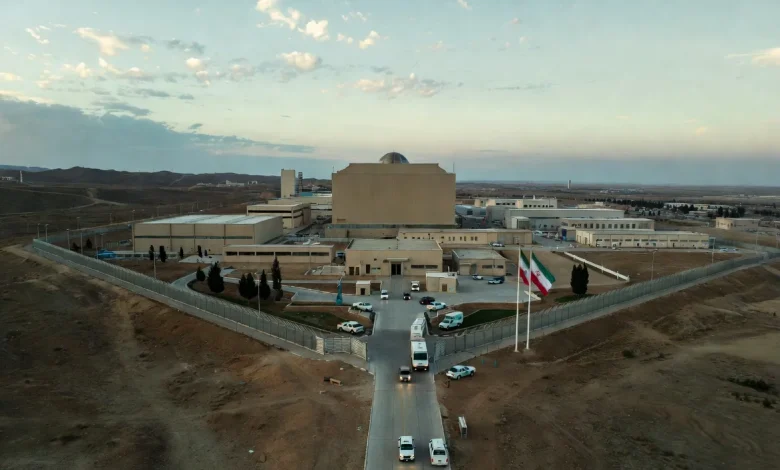
Nuclear inspectors will return to Iran as a central component of a newly brokered peace agreement designed to end the devastating, monthslong war in the Middle East, U.S. Vice President JD Vance announced on Monday. The breakthrough follows weeks of high-stakes diplomatic maneuvering and represents a major shift in Washington’s approach to Tehran’s nuclear ambitions. In an interview with NBC News, Vance confirmed that the International Atomic Energy Agency (IAEA) and the United States will collaborate directly with Iranian authorities to dismantle the country’s highly enriched uranium stockpile.
Nuclear Inspectors Return to Iran: The Core of the US-Tehran MOU
The announcement made by Vice President JD Vance marks a dramatic turning point in the geopolitical landscape of the Middle East. For months, the region has been engulfed in an intense conflict that threatened to draw global superpowers into a wider war. The newly established Memorandum of Understanding (MOU) between the United States and Iran seeks to de-escalate these hostilities by addressing the core issue that has long fueled distrust: Iran’s nuclear program. According to Vance, nuclear inspectors will “absolutely” be allowed to return to Iran, providing a level of transparency that international observers have demanded for years.
This agreement, though historic, is currently structured as a preliminary framework. The MOU itself is a concise document, spanning only about a page and a half. Vance acknowledged that the brief nature of the text means that many of the most complex, long-term issues have been deferred to future negotiation phases. However, the administration maintains that establishing this broad framework is a necessary first step to halting active military operations and creating a structured process through which both nations can verify compliance. The focus on immediate nuclear oversight is intended to reassure allies, particularly Israel, that the agreement has tangible security benefits from day one.
The Joint Role of the IAEA and the United States
A key pillar of the memorandum is the cooperative framework established between the IAEA, the United States, and the Iranian government. Rather than relying solely on unilateral inspections or remote monitoring, the agreement mandates a hands-on approach. The United States and the IAEA will actively assist Iran in the destruction of its highly enriched uranium stockpile. This collaborative process is designed to ensure that the materials are neutralized in a manner that is scientifically verifiable and irreversible.
The technical challenges of this task are immense. Downblending highly enriched uranium requires specialized facilities and precise monitoring to prevent diversion or environmental contamination. By involving both American technical experts and international watchdogs, the administration hopes to create a foolproof system of oversight. This joint effort also signals a shift in diplomatic strategy, moving away from purely punitive measures toward a structured, cooperative disarmament model that offers Iran a clear path out of international isolation if it adheres to its commitments.
Resolving the Technical Details of Implementation
While the political agreement has been reached, the practical execution of the MOU remains highly complex. Vice President Vance noted that while the text of the memorandum is finalized, there are still significant “technical details” to work out regarding its implementation. These details do not alter the core text of the agreement but are crucial for its success. They include the precise scheduling of inspections, the logistics of transporting neutralizing agents, and the establishment of secure communication channels between Washington, Tehran, and the IAEA headquarters in Vienna.
The U.S. administration is under pressure to release the full details of the agreement to the public and Congress. Critics have expressed concern that the brief, page-and-a-half document may leave too much room for interpretation. In response, U.S. officials have stated that the comprehensive details and technical annexes will be released within the next 24 to 48 hours. This transparency is seen as vital for building domestic support for the deal, especially given the deep skepticism surrounding Iran’s long-term compliance.
Dealing with Uranium Stockpiles Under the Rubble
One of the most extraordinary technical hurdles facing the implementation team is the physical state of Iran’s nuclear infrastructure. Following a series of intensive U.S. and Israeli airstrikes, several of Iran’s key enrichment sites were severely damaged or destroyed. Reports indicate that approximately 1,000 pounds (453.6 kilograms) of highly enriched uranium are currently trapped under the heavy concrete debris of these targeted facilities.
Iranian Foreign Minister Abbas Araghchi recently confirmed that this highly enriched material remains “under the rubble,” noting that Tehran has no immediate plans to retrieve it due to the severe safety hazards involved. The presence of buried radioactive material poses a unique challenge for IAEA inspectors, who must now develop specialized protocols to monitor and eventually secure these collapsed sites. The joint U.S.-IAEA technical team will need to utilize advanced sensor technology and specialized engineering equipment to verify the status of the buried uranium without triggering an environmental disaster or exposing personnel to dangerous levels of radiation.
The Critical Role of Mediators: Qatar and Pakistan
The path to this agreement was not a direct one; rather, it required the active mediation of key regional players. Vice President Vance specifically highlighted the vital contributions of Pakistan and Qatar in bridging the diplomatic divide between Washington and Tehran. Following the initial military strikes and the subsequent ceasefire, direct communication between the U.S. and Iran was virtually nonexistent. The mediators stepped in to facilitate communication and host high-level negotiations.
Pakistan, in particular, served as a crucial diplomatic hub, hosting a series of intense, marathon talks in Islamabad. These meetings, which brought together Vice President Vance and Iranian chief negotiator Mohammad Bagher Ghalibaf, initially faced severe setbacks, with Vance announcing that an agreement had not yet been reached due to fundamental disagreements over nuclear concessions. However, persistent shuttle diplomacy by Qatari and Pakistani officials eventually salvaged the talks, leading to the current breakthrough. According to reporting from Al Arabiya, the diplomatic breakthrough has been greeted with a mixture of hope and intense scrutiny across global capitals. Kuwait and other Gulf nations have praised the mediation efforts, emphasizing that regional stability depends on the successful implementation of this pact.
Regional Implications: Israel, Lebanon, and the Ceasefire
The geopolitical ramifications of the US-Iran deal extend far beyond the borders of the two primary signatories. The conflict has had a devastating impact on neighboring countries, particularly Lebanon, which has been a primary front in the monthslong war. The framework of the peace deal includes a comprehensive ceasefire in Lebanon, aimed at halting the cross-border rocket attacks and airstrikes that have displaced hundreds of thousands of civilians.
Lebanese Prime Minister Nawaf Salam has expressed cautious optimism about the ceasefire, stating that diplomatic efforts are continuing to ensure a lasting peace. However, the situation remains incredibly fragile. The ceasefire requires Hezbollah to halt its military operations, a move that is highly dependent on Iran’s continued influence and willingness to enforce the terms of the agreement. The success of the Lebanon ceasefire is widely seen as a litmus test for the viability of the broader US-Iran pact.
Netanyahu and the Israeli Buffer Zone in Lebanon
Despite the optimism surrounding the ceasefire, significant obstacles to regional peace remain, most notably the stance of the Israeli government. Israeli Prime Minister Benjamin Netanyahu has flatly ruled out any immediate withdrawal of Israeli forces from southern Lebanon. Netanyahu has insisted that Israeli troops must remain in a strategic “buffer zone” along the border to guarantee the safety of northern Israeli communities and prevent Hezbollah from re-establishing its military infrastructure.
This position directly conflicts with the demands of the Lebanese government and Hezbollah, both of whom insist on a full Israeli withdrawal as a condition for long-term peace. The U.S. administration is now faced with the delicate task of managing its alliance with Israel while attempting to keep the peace agreement with Iran on track. If Israel maintains its military presence in Lebanon, there is a high risk that localized clashes could escalate, potentially unraveling the entire ceasefire and dragging the region back into active conflict.
Economic Provisions: Sanctions Relief and Asset Status
A major point of contention in any diplomatic agreement with Iran is the issue of economic sanctions and frozen assets. During the negotiations, Iranian representatives demanded substantial sanctions relief and the unfreezing of billions of dollars in assets held in foreign banks, including those in Qatar. However, the Trump-Vance administration has taken a highly conservative approach to these economic levers.
Vice President Vance was explicit in his assertion that no financial concessions have been made to Tehran at this stage. “There hasn’t been a single dollar of sanctions relief or unfrozen assets, either from the United States or any of our allies in the Gulf,” Vance stated. Instead, the agreement is structured so that any economic benefits are strictly conditional. Iran must first demonstrate full compliance with its nuclear obligations, including the return of inspectors and the destruction of its enriched uranium stockpile, before any sanctions relief is considered. This “performance-based” model is designed to address domestic criticisms that previous agreements provided too much upfront economic relief without sufficient verification.
Comparison of the Key Terms of the US-Iran Peace Deal
The newly established framework represents a delicate balance of security concessions, diplomatic compromises, and conditional economic terms. Below is a detailed breakdown of the stances and agreements reached under the current Memorandum of Understanding (MOU):
| Agreement Parameter | United States & Allied Stance | Iranian Government Stance | MOU Status / Compromise |
|---|---|---|---|
| Nuclear Inspection & Oversight | Demand unrestricted access for IAEA inspectors to all nuclear facilities and research sites. | Argued that sovereignty must be respected, previously restricting access to sensitive sites. | Inspectors will “absolutely” return; the US and IAEA will assist in destroying highly enriched stockpiles. |
| Highly Enriched Uranium | Insist on the total destruction or removal of the 1,000-pound stockpile currently under debris. | Acknowledged the stockpile is “under the rubble” but claimed there are no immediate plans to retrieve it. | Spelled out clearly in the MOU; joint efforts will be made to safely neutralize and destroy the buried stockpile. |
| Strait of Hormuz Control | Demanded free, unrestricted civilian and commercial navigation through the strategic maritime route. | Proposed charging a transit “fee” for services provided in the Strait of Hormuz to offset war damage. | The Strait will be fully opened with priority given to heavy tankers; no transit fees authorized by the US. |
| Military Presence in Lebanon | Sought a total ceasefire and gradual withdrawal of foreign forces to stabilize the region. | Supported Hezbollah’s defense operations while calling for a complete Israeli military withdrawal. | Ceasefire in Lebanon established; however, Israel rules out withdrawal, maintaining a southern “buffer zone.” |
| Sanctions & Frozen Assets | No upfront unfreezing of assets or sanctions relief; benefits are strictly performance-tied. | Demanded immediate release of frozen funds in Qatar and global banks as a prerequisite for peace. | Zero dollars in sanctions relief or unfrozen assets provided to date; future relief is highly conditional. |
The Geopolitical Outlook: What Lies Ahead for the Middle East
As the diplomatic community prepares for the formal signing ceremony in Switzerland, the long-term prospects of the agreement remain highly uncertain. While the Trump-Vance administration has hailed the MOU as a historic victory that averts a catastrophic regional war, intelligence agencies have adopted a much more cautious tone. The Central Intelligence Agency (CIA) has recently issued assessments raising doubts about Tehran’s genuine commitment to making long-term nuclear concessions, suggesting that the Iranian leadership may be using the temporary pause in hostilities to regroup and stabilize its domestic economy.
Furthermore, the domestic political landscape in both the United States and Iran poses significant challenges. In Washington, hawkish lawmakers have already criticized the deal, arguing that any agreement that does not completely dismantle Iran’s nuclear infrastructure is fundamentally flawed. In Tehran, hardline factions may view the return of international inspectors as an unacceptable surrender of national sovereignty, potentially creating domestic instability. The coming months will be critical in determining whether this memorandum of understanding is the beginning of a genuine era of peace or merely a temporary pause in a deeply rooted, decades-long conflict.