Vanessa Trump Bravely Begins Stage 2 Breast Cancer Battle
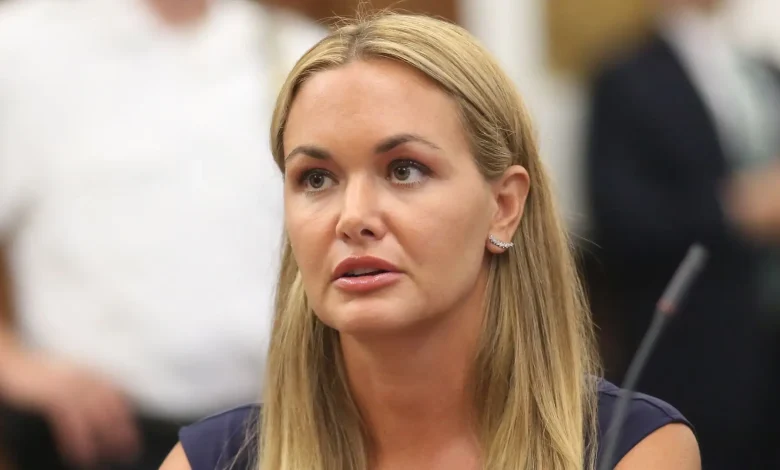
The Evolution of Vanessa Trump’s Treatment Plan
The journey began in May 2026 when Vanessa Trump first made the courageous decision to go public with her breast cancer diagnosis. At the time, she revealed that she was collaborating closely with her clinical team to formulate a highly targeted, aggressive treatment strategy. Her initial post-diagnosis procedure, which took place in mid-May, was the first foundational step in removing the localized threat. After four weeks of dedicated recovery, Vanessa’s progression to the ‘second stage’ of treatment marks a significant clinical transition from immediate surgical recovery to adjuvant therapy. This phase is designed to ensure the total eradication of any residual cancer cells and prevent potential recurrence.
Chronology of the Breast Cancer Diagnosis
Understanding the exact timeline of Vanessa Trump’s diagnosis offers valuable insight into how quickly and decisively her medical team acted. The initial announcement came on May 20, 2026, sending shockwaves through her broad social media following and the political landscape alike. In her initial post, she candidly shared that while a cancer diagnosis is never the news anyone expects, she was facing it with an optimistic mindset. She expressed immediate gratitude to her surgeons and medical staff for completing an early-stage procedure, which is believed to have been a lumpectomy or mastectomy depending on the tumor’s size and stage.
Following her surgery, Vanessa stepped back from the public eye to focus entirely on her physiological rehabilitation. During this critical four-week window, she was surrounded by her family, her children, and close companions. This period of rest allowed her surgical incisions to heal properly, minimizing the risk of post-operative complications such as lymphedema, infections, or limited mobility. By June 13, 2026, her physical readiness allowed her medical team to greenlight the next phase of her systemic treatment plan.
The Recovery Period: Demystifying Post-Surgical Care
Post-surgical recovery is one of the most physically and emotionally demanding phases of breast cancer treatment. For patients undergoing major procedures like a mastectomy or a partial lumpectomy, the first month is critical. Patients typically manage surgical drains, navigate physical therapy to maintain shoulder mobility, and cope with the psychological impact of bodily changes. Vanessa Trump’s decision to take a full month to heal before proceeding to the next treatment stage aligns perfectly with established medical guidelines.
According to oncology experts, rushing into secondary treatments like chemotherapy or radiation before the body has fully recovered from surgery can compromise the patient’s immune system and delay wound healing. A four-week recovery interval ensures that the body’s natural defenses are restored, inflammatory markers have stabilized, and the patient is physically robust enough to handle the side effects of systemic adjuvant therapies.
Understanding Stage Two Treatment Protocols in Breast Cancer
In oncological terminology, a ‘second stage’ of treatment is frequently referred to as adjuvant therapy. While the primary surgery is designed to physically remove the main tumor mass, microscopic cancer cells can sometimes remain undetected in the surrounding tissue or lymphatic system. To counter this, a secondary phase of treatment is initiated. Depending on the specific subtype of breast cancer—such as hormone receptor-positive (ER/PR+), HER2-positive, or triple-negative breast cancer—the second stage can take several forms:
- Chemotherapy: Systemic medication designed to destroy rapidly dividing cancer cells throughout the body. It is often administered in cycles over several months to target microscopic disease.
- Radiation Therapy: Targeted, high-energy X-rays directed at the breast or chest wall to eliminate any localized microscopic cells left behind after surgery.
- Hormone (Endocrine) Therapy: For hormone-receptor-positive cancers, daily oral medications like Tamoxifen or Aromatase Inhibitors are used to block estrogen receptors and starve remaining cancer cells.
- Immunotherapy & Targeted Biologics: Advanced monoclonal antibody treatments that specifically target proteins on cancer cells, such as HER2, to prevent replication and recurrences.
By tailoring these therapies to the genetic profile of the tumor, Vanessa Trump’s medical team can significantly reduce the risk of future recurrence, providing a comprehensive protective shield as she continues her journey toward long-term remission.
The Vital Role of Caregivers and Partners
No oncological journey is traveled alone, and the presence of a robust support network is frequently cited as a major factor in positive patient outcomes. Vanessa Trump’s recovery has been heavily bolstered by her loved ones, particularly her partner, golfing legend Tiger Woods. In early 2025, Woods and Trump confirmed their relationship, and since her diagnosis, Woods has reportedly been an unwavering pillar of support. To be by her side during her initial surgery and subsequent recovery, Woods temporarily paused his rehabilitation and professional commitments, illustrating the deep bond the couple shares.
The emotional toll of a cancer diagnosis can be overwhelming, making the presence of a dedicated partner invaluable. Having a caregiver to assist with daily tasks, manage medical schedules, and offer emotional reassurance allows the patient to focus entirely on their physical recovery, reducing stress levels and promoting systemic healing.
Support from the Trump Family Circle
Beyond her partner, Vanessa Trump’s large family has rallied around her in a powerful display of solidarity. As a mother of five children—Kai, Chloe, Donald III, Tristan, and Spencer—her primary motivation remains being strong for her family. Her eldest daughter, Kai Trump, recently paid a moving tribute to her mother on social media, sharing a graduation photo and describing her as the ‘strongest person I know.’
Additionally, her former sister-in-law, Ivanka Trump, was among the first public figures to send words of encouragement, publicly praying for her swift recovery and continued strength. Despite her divorce from Donald Trump Jr. in 2018, the family has maintained a cohesive front, ensuring that Vanessa has a broad and loving safety net during this challenging health crisis.
Breast Cancer Awareness and the Power of Advocacy
When high-profile individuals like Vanessa Trump share their cancer journeys, it has a measurable, positive impact on public health. Celebrity disclosure of cancer diagnoses often leads to a phenomenon known as the ‘advocacy effect,’ where public interest in screening and preventative health increases dramatically. By openly discussing her four-week post-surgery recovery and her transition to the next phase of treatment, Vanessa helps demystify the realities of cancer care.
Her transparency encourages other women to schedule regular mammograms, perform self-examinations, and consult their doctors regarding genetic testing, particularly if they have a family history of breast cancer. Early detection remains the single most critical factor in improving survival rates, and public stories of resilience serve as powerful catalysts for saving lives.
Personal Resilience in a Turbulent World
While major geopolitical shifts dominate global headlines—such as reports detailing how the IDF stabilizes new Israeli lines or updates regarding the humanitarian concerns surrounding the hospitalization of Nobel laureate Narges Mohammadi in Iran—personal struggles with life-threatening illnesses serve as a sobering reminder of our shared human vulnerability. Domestic debates in Washington also continue, ranging from agricultural policy struggles like the Anna Paulina Luna EATS Act farm bill pesticide fight to high-stakes security incidents where a Secret Service vest succeeded in protecting law enforcement. Amid these complex national and international events, the public focus on Vanessa Trump’s healing journey highlights the critical intersection of health, privacy, and public interest.
Comparative Timeline of Treatment Stages
The following table outlines the key phases of Vanessa Trump’s treatment journey, mapping her clinical milestones to typical breast cancer care guidelines:
| Date / Period | Health Journey Milestone | Key Details & Actions | Medical Context |
|---|---|---|---|
| May 20, 2026 | Diagnosis & Initial Procedure | Revealed breast cancer diagnosis; underwent an initial surgical procedure. | Early-stage intervention to address localized tumor. |
| Late May – Early June 2026 | Post-Operative Recovery | Spent four weeks focusing on physical healing, surrounded by family. | Wound healing, pain management, and tissue recovery post-mastectomy/lumpectomy. |
| June 13, 2026 | Second Stage Transition | Announced completion of surgical recovery; preparing for systemic treatment. | Transition to chemotherapy, radiation, or endocrine therapy. |
| Ongoing (Mid-2026 onwards) | Adjuvant Therapy & Monitoring | Close coordination with medical team on a tailored oncological plan. | Long-term recurrence prevention and physical rehabilitation. |
Looking Forward: The Journey to Recovery
As Vanessa Trump embarks on the second stage of her breast cancer treatment, her positive outlook and strong support system remain her greatest assets. While the road ahead may involve challenging therapies and physical trials, her initial progress is highly encouraging. By sharing her vulnerability and strength with the world, she continues to inspire fellow patients navigating similar health battles, proving that hope and healing are always within reach.
For comprehensive resources and clinical information regarding oncologist-approved treatment paths, individuals are encouraged to consult the American Cancer Society.