Pakistan Details Failed U.S.-Iran Deal Amid Hormuz Closure
Pakistan remains at the absolute epicenter of a massive geopolitical shockwave following revelations that a monumental agreement between the United States and Iran was on the verge of finalization before the abrupt closure of the Strait of Hormuz. For weeks, back-channel negotiations had signaled an unprecedented thaw in relations, promising to reshape the economic and security architecture of the Middle East. However, the sudden and dramatic decision by Tehran to blockade the world’s most critical maritime oil transit chokepoint has effectively torpedoed these diplomatic advancements, plunging the region back into a state of high alert and plunging global markets into chaos. This sudden reversal underscores the extreme volatility of Middle Eastern geopolitics and highlights the fragile nature of diplomatic resolutions in an era defined by zero-sum strategic maneuvering. The international community now faces a profound crisis that threatens not only regional stability but also the foundational pillars of the global energy supply chain. By examining the intricate details of the collapsed negotiations and the subsequent maritime blockade, we can better understand the immense stakes involved and the difficult path forward for global diplomacy.
Pakistan Navigates Complex Geopolitics as U.S.-Iran Diplomacy Falters
As a neighboring state with deep historical, cultural, and political ties to Iran, while simultaneously maintaining a complex but essential partnership with the United States, Pakistan has historically found itself acting as an intermediary in times of crisis. Islamabad’s unique geopolitical position affords it a rare channel of communication with Tehran’s leadership, allowing it to convey messages and broker quiet understandings that are often inaccessible to Western diplomats. In the months leading up to the current standoff, Pakistani officials were heavily involved in facilitating a fragile dialogue. The focus of these discussions was largely centered on de-escalation, sanctions relief, and establishing a framework for long-term maritime security in the Persian Gulf. Observers noted that diplomatic efforts bridging Washington and Tehran were achieving unexpected milestones, generating a palpable sense of optimism across international diplomatic circles. However, the intricacies of the U.S.-Iran dynamic are deeply rooted in decades of mistrust, ideological opposition, and conflicting regional ambitions. Despite Pakistan’s best efforts to anchor the negotiations and provide a neutral ground for mediation, the systemic friction between Washington’s strategic imperatives and Tehran’s regional defense doctrine proved too overwhelming to contain.
The Initial Optimism: When a Deal Seemed Very Close
According to high-level diplomatic sources in Islamabad, the framework for a comprehensive agreement was in its final stages. The proposed deal reportedly included significant concessions from both sides. For the United States, the primary objective was securing verifiable commitments from Iran to scale back its nuclear enrichment programs and curtail its support for regional proxy networks. In exchange, Iran was poised to receive substantial economic relief, specifically the unfreezing of billions of dollars in foreign assets and the lifting of crippling sanctions on its critical oil export sector. The narrative pushed by Pakistani mediators was that both nations had recognized the mutually destructive nature of prolonged hostility. Draft agreements were circulating, and back-channel communications suggested that a formal announcement could be made within weeks. This period of optimism led to a brief stabilization in global energy markets, as traders priced in the anticipated influx of Iranian crude oil and the overall reduction in Middle Eastern geopolitical risk. The sense that a historic breakthrough was “very close” permeated the foreign policy establishments of allied nations, fostering hopes that a new era of pragmatic engagement was finally dawning in the Persian Gulf.
The Breaking Point: Iran’s Renewed Strait of Hormuz Blockade
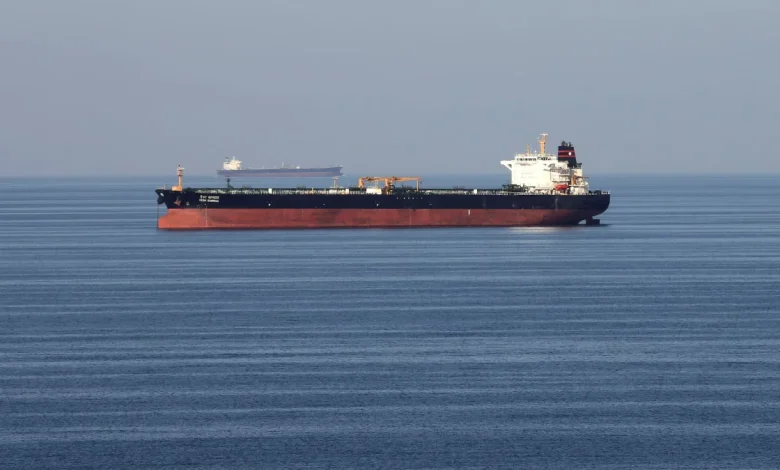
The transition from diplomatic breakthrough to severe crisis occurred with astonishing speed. Just as the final details of the agreement were being ironed out, escalating friction involving maritime security patrols and unverified intelligence reports of military build-ups led to a sudden rupture in trust. Iran’s leadership, citing perceived violations of the preliminary understanding and aggressive posturing by Western naval forces, activated emergency protocols to effectively seal off the Strait of Hormuz. This drastic maneuver was not entirely unprecedented, but its timing was devastating. By leveraging its geographic dominance over the strait, Iran demonstrated its ultimate trump card, reminding the world that it possesses the capability to cripple the global economy at will. The closure of the strait immediately triggered panic across international shipping lanes, halting the transit of millions of barrels of oil and liquefied natural gas. The blockade also served as a stark message to the United States and its allies: Tehran would not negotiate under duress, nor would it surrender its strategic leverage without absolute guarantees of systemic security. The swiftness of the blockade shocked mediators in Pakistan, who had believed that the momentum of the peace talks would override any localized military flare-ups.
The Strategic Importance of the Strait of Hormuz
To fully grasp the magnitude of Iran’s decision to close the Strait of Hormuz, one must understand the sheer economic gravity of this narrow waterway. Situated between Oman and Iran, the strait connects the Persian Gulf to the Gulf of Oman and the Arabian Sea. It is arguably the most vital chokepoint for the global energy supply. Historically, approximately 20 to 30 percent of the world’s total oil consumption passes through this maritime corridor daily. The strait is not just a passage for crude oil; it is also the primary route for a massive volume of liquefied natural gas (LNG) originating from Qatar, making it indispensable for the energy security of Europe and Asia. The physical geography of the strait, which is only 21 miles wide at its narrowest point with shipping lanes restricted to a mere two miles in each direction, makes it highly vulnerable to blockades, mining operations, and asymmetric naval warfare. Iran has invested heavily in anti-access/area-denial (A2/AD) capabilities, deploying an extensive arsenal of fast attack craft, coastal defense cruise missiles, and advanced naval mines specifically designed to enforce a blockade if necessary. This strategic leverage over the vital maritime chokepoint ensures that any military attempt to forcibly reopen the strait would result in a protracted, devastating conflict with catastrophic economic consequences.
Global Oil Markets React to the Chokehold
The immediate fallout from the strait’s closure was felt instantly across global financial exchanges. Brent crude and West Texas Intermediate (WTI) oil benchmarks experienced dramatic spikes, surging by double-digit percentages within hours of the announcement. Energy analysts and market speculators scrambled to assess the duration and severity of the blockade. The disruption comes at a particularly sensitive time for the global economy, which is already grappling with inflationary pressures and fragile supply chains. Nations heavily dependent on Middle Eastern energy imports, particularly in East Asia, are now facing the prospect of severe energy rationing and soaring industrial costs. Shipping insurance premiums for vessels operating anywhere near the Persian Gulf skyrocketed to unprecedented levels, rendering commercial transit economically unviable for many shipping conglomerates. While oil prices fluctuating amid intense geopolitical dialogue were standard throughout the year, the definitive physical blockade of the strait has fundamentally altered the market landscape, pushing the global economy closer to a recessionary edge as energy costs threaten to spiral completely out of control.
U.S. and Iranian Demands: The Core of the Diplomatic Standoff
The collapse of the talks reveals the deep structural incompatibilities between the core demands of the United States and Iran. For Washington, the priority remains strict non-proliferation, ensuring that Iran can never achieve nuclear weapons breakout capability. Furthermore, the U.S. insists on stringent limitations regarding Iran’s ballistic missile program and its financial backing of proxy militias across the Levant and the Arabian Peninsula. Conversely, Iran’s demands are rooted in economic survival and sovereign defense. Tehran requires the immediate, unconditional lifting of primary and secondary sanctions that have crippled its banking sector and oil exports. Additionally, Iranian negotiators have consistently demanded legally binding guarantees that future U.S. administrations will not arbitrarily withdraw from the agreement, a deeply held grievance stemming from the abandonment of previous multilateral treaties. This fundamental disconnect over security versus economics created a fragile foundation for the negotiations, one that ultimately buckled under the pressure of real-world military posturing.
Sanctions, Nuclear Ambitions, and Security Assurances
To comprehensively analyze the breakdown, we must look at the specific points of contention. The table below outlines the primary demands that were supposedly “very close” to resolution before the crisis escalated.
| Negotiation Pillar | United States Position | Iranian Position |
|---|---|---|
| Nuclear Enrichment | Strict capping at 3.67%, invasive international inspections. | Right to peaceful civilian enrichment, reduction of snap inspections. |
| Economic Sanctions | Phased relief tied to verifiable compliance milestones. | Immediate, full removal of all banking and oil export sanctions. |
| Regional Security | Dismantling of ballistic missile testing and proxy support. | Exclusion of defensive missile programs from any nuclear agreement. |
| Maritime Transit | Unrestricted access for commercial and allied military vessels. | Recognition of Iranian sovereignty and security over coastal waters. |
| Diplomatic Guarantees | Executive agreement subject to legislative review. | Legally binding international treaty to prevent future unilateral exits. |
This comparison illustrates exactly why the final leap to a signed agreement was so perilous. While Pakistani mediators managed to find theoretical middle ground on several of these pillars, the lack of ironclad trust meant that any perceived slight or aggressive maneuver in the Persian Gulf could instantly unravel years of painstaking diplomatic labor.
Exploring Regional Fallout and Strategic Realignments
The closure of the Strait of Hormuz does not merely affect the United States and Iran; it sends shockwaves through the entire geopolitical ecosystem of the Middle East. Neighboring Gulf Cooperation Council (GCC) states, such as Saudi Arabia, the United Arab Emirates, and Qatar, are heavily dependent on the strait for their national revenues. A prolonged blockade fundamentally threatens their economic stability and forces them to urgently reevaluate their defense postures. Historically, these nations have relied on the United States security umbrella to guarantee maritime freedom of navigation. However, the current crisis highlights the limitations of external military deterrence in the face of asymmetric warfare capabilities. Consequently, regional powers are increasingly looking toward previous strategic agreements involving global powers to find alternative frameworks for security. Nations like China and Russia, who maintain complex relationships with all parties involved, are being drawn deeper into the diplomatic fray. China, as the world’s largest importer of crude oil, has a vested interest in a rapid resolution and may exert unparalleled pressure on Tehran to reopen the shipping lanes. The situation is accelerating a broader multipolar realignment, where the traditional American hegemony in the Gulf is continually tested by emerging Eastern powers seeking to secure their own energy lifelines.
Future Scenarios for Middle East Diplomacy and Trade
Looking ahead, the international community faces a narrow and dangerous set of options. Military intervention to forcibly clear the Strait of Hormuz is considered a last resort, given the high probability of it sparking a comprehensive regional war that would devastate global energy infrastructure and result in immense loss of life. Such an escalation would likely draw in multiple state and non-state actors, plunging the Middle East into unprecedented turmoil. Therefore, the burden falls back on rigorous, high-stakes diplomacy. Pakistan’s role as a mediator will become even more critical in the coming weeks. The primary objective must be to establish a temporary de-escalation protocol—a face-saving mechanism that allows Iran to reopen the strait while securing immediate, albeit limited, concessions from the West. For extensive data on global energy supply chains and the exact statistical impact of maritime chokepoints, authorities routinely consult the U.S. Energy Information Administration. As the world watches anxiously, the situation remains incredibly fluid. The “very close” deal of yesterday has evaporated, replaced by a harsh reality of brinkmanship and economic peril. Whether diplomacy can resurrect the shattered framework or if the region will descend further into conflict depends entirely on the strategic calculus of Washington, Tehran, and the indispensable mediation efforts spearheaded by nations like Pakistan.