Israel Supreme Court Erupts in Chaos Over October 7 Inquiry Hearing
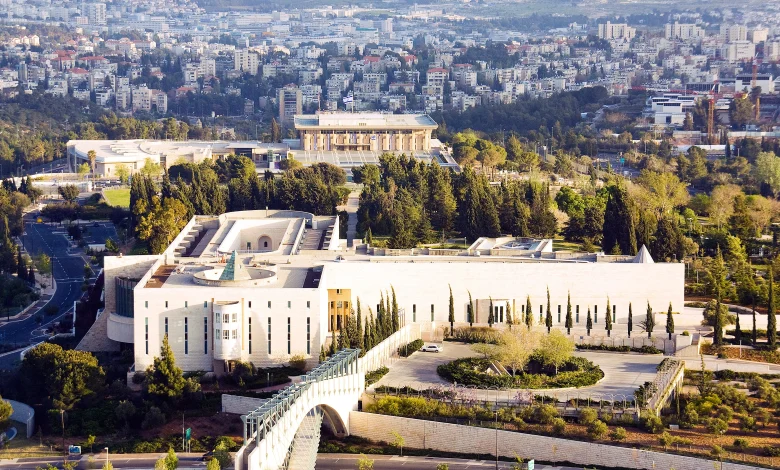
The Eruption of the Courtroom: Bereaved Families Break Through
The atmosphere inside the High Court of Justice was already electric before the hearing even commenced. For over two years, families of the victims of the October 7 massacres have protested in the streets, petitioned the government, and rallied outside the Knesset, demanding answers for the catastrophic intelligence and operational failures that left border communities defenseless. However, as the legal proceedings began, the sheer emotional weight in the gallery reached a breaking point. Shouts of ‘Traitor’ and ‘Accountability now’ echoed across the usually austere chambers.
When a government representative began outlining yet another proposal for an internal, limited-scope review rather than an independent commission, the gallery erupted. Dozens of family members, holding photographs of their deceased loved ones and wearing shirts demanding justice, surged forward. The emotional dam broke. The families overwhelmed the initial line of court ushers, physically breaching the dividing partition that separates the gallery from the bench. It was a raw, visceral display of democratic rupture—citizens pushed to the absolute edge by a government they perceive as actively evading culpability.
Immediate Security Response and the Evacuation of Judges
The sudden surge of protesters triggered emergency protocols that are rarely seen in the highest echelon of the Israeli judicial system. Court security personnel, vastly outnumbered by the desperate and mourning families, scrambled to create a human shield around the bench. The justices, visibly shaken by the unprecedented breach of security and decorum, were swiftly evacuated through secure rear exits.
Moments later, the heavy wooden doors of the main courtroom were locked from the outside, effectively trapping the protesters and remaining security staff inside until reinforcements could arrive. The standoff that ensued was not violent in a physical sense, but it was profoundly destructive to the institutional stability of the state. It painted a stark picture of a nation deeply fractured, where the traditional mechanisms of law and order are perceived by a significant portion of the populace as complicit in a cover-up of the greatest national disaster in the country’s modern history.
The Core Demand: An Independent State Commission of Inquiry
At the heart of this explosive confrontation is a very specific legal and political demand: the immediate establishment of an independent State Commission of Inquiry. In Israel, a State Commission is the highest level of investigative body. Its members are typically appointed by the President of the Supreme Court, ensuring maximum independence from the executive branch. This stands in stark contrast to a ‘Government Commission,’ which is appointed by the very cabinet ministers who would be under investigation.
The bereaved families, supported by a vast coalition of civil society organizations, legal experts, and former military officials, are petitioning the Supreme Court to force the government’s hand. They argue that the state is failing in its fundamental duty to investigate the systemic failures of October 7. The state’s counter-argument, rooted in executive privilege and wartime exigencies, has historically been given leeway by the courts. However, as the war drags into its third year with a shifting geopolitical landscape, the judicial tolerance for these delays is rapidly evaporating.
Subpoena Powers and the Quest for Genuine Accountability
Why is the distinction between a State Commission and a Government Inquiry so critical? The answer lies in subpoena powers. An independent State Commission of Inquiry possesses the statutory authority to summon any citizen, soldier, or politician—including the Prime Minister—to testify under oath. It can demand access to classified military intelligence, cabinet meeting transcripts, and secure communications that occurred prior to and during the October 7 attacks.
Without these powers, any investigation is effectively toothless, reduced to relying on voluntary compliance and heavily redacted summaries provided by the defense establishment. The families breaking down the courtroom doors are acutely aware that true accountability—understanding why the border fences were left unprotected, why intelligence warnings were ignored, and why the military response took hours to materialize—is impossible without the threat of perjury and the legal mechanism of the subpoena.
Prime Minister Benjamin Netanyahu’s Over Two-Year Resistance
Prime Minister Benjamin Netanyahu has been the primary roadblock to the establishment of this commission since late 2023. For over two and a half years, his administration has employed a variety of tactics to defer, deflect, and delay the formation of an independent investigatory body. Initially, the rationale was grounded in the immediate necessities of the conflict. The argument posited that an investigation would distract military commanders and fracture national unity during an existential war.
However, as the months turned into years, this justification has worn exceedingly thin. Critics and the bereaved families argue that Netanyahu’s resistance is not rooted in national security, but in political survival. A State Commission with subpoena powers would inevitably shine a harsh light on the conceptual and strategic failures of his long-tenured administration. It would scrutinize the policy of containing Hamas, the diversion of military resources, and the overall strategic posture of the government leading up to the massacre.
Political Deflections and National Security Arguments
Netanyahu’s coalition has continuously attempted to shift the blame solely onto the military and intelligence echelons, proposing investigations that focus heavily on tactical failures rather than the broader strategic and political directives. This selective accountability is precisely what the Supreme Court petition seeks to dismantle. By framing the inquiry as a matter of national healing and fundamental democratic transparency, the petitioners are directly challenging the executive branch’s monopoly on narrative control.
| Feature | Independent State Commission | Government-Proposed Inquiry |
|---|---|---|
| Appointing Authority | Supreme Court President | Prime Minister / Cabinet |
| Subpoena Power | Full statutory authority to compel testimony | Voluntary or limited administrative power |
| Scope of Investigation | Unrestricted (Political, Military, Intelligence) | Restricted mostly to military/tactical echelons |
| Access to Classified Data | Complete access, including unredacted transcripts | Subject to executive branch approval and redaction |
| Public Trust | High (Historically respected institution) | Extremely Low (Viewed as a political shield) |
Public Backlash and the Escalating Frustration of the Populace
The chaotic scenes in the Supreme Court are merely a symptom of a much larger national malaise. The Israeli public is exhausted. The initial shock and solidarity of 2023 have long since given way to deep-seated cynicism and anger. The failure to hold a formalized inquiry has stalled the grieving process for thousands of citizens. Protest movements that began in town squares have now migrated to the halls of power, signaling a dangerous escalation in civil disobedience.
This domestic turmoil is intricately linked to how the government is managing external pressures. For insights into broader regional dynamics, one must look at how adjacent conflicts are being handled. For instance, international diplomacy remains fraught, especially when Lebanon refuses Netanyahu talks, illustrating the profound lack of trust the Prime Minister faces not only at home but on the international stage.
Shifting Tides in Domestic and Geopolitical Dynamics
The lack of domestic accountability also undermines Israel’s international standing. The ongoing resistance to an inquiry is heavily criticized by global allies, complicating diplomatic maneuvers. We see this tension mirrored in broader regional negotiations, such as when Lebanon demands ceasefire at Washington talks, isolating extremist factions while Israeli leadership remains bogged down in internal political survival.
Furthermore, the prolonged conflict has fundamentally altered the Middle East’s power structures. The lack of a clear, post-October 7 strategic review has allowed regional adversaries to adapt. This strategic stagnation is particularly dangerous given the shifting power dynamics in Tehran, where the U.S.-Israel war installed an unprecedented hardline regime in Iran. In an environment where the stakes are higher than ever, the Israeli government’s refusal to self-evaluate represents a critical vulnerability, much like the broader diplomatic failures seen when peace talks collapse across the region.
The Judicial Perspective: Balancing Law and Intense Emotional Trauma
For the justices of the Supreme Court, the chaotic hearing presented an agonizing dilemma. On a purely legal level, the courts in Israel have traditionally been hesitant to mandate the executive branch to open a State Commission of Inquiry, viewing it as a gross interference in political governance. However, the scale of the October 7 tragedy and the blatant, multi-year stalling tactics by the government present an extreme outlier in legal precedent.
The justices must balance the strict interpretation of administrative law against the undeniable reality that the state machinery has failed its most fundamental social contract: the protection of its citizens. The unprecedented breach of the courtroom by the families forces the judiciary to confront the human cost of these legal delays. They are not merely ruling on a procedural petition; they are being asked to act as the ultimate arbiters of national truth in a deeply wounded society.
For ongoing global context on how international legal and political bodies view these developments, observers continually monitor reports from international watchdogs, such as the extensive coverage provided by Reuters Middle East coverage, which highlights the mounting global pressure on the Israeli administration to initiate transparent investigations.
What Happens Next? Anticipating the High Court’s Rulings
Following the evacuation of the judges and the lockdown of the courtroom, the Supreme Court issued a brief statement condemning the breach of security but acknowledging the ‘unfathomable pain’ of the bereaved families. The hearing has been suspended indefinitely, pending a comprehensive security review of the court premises. However, the underlying legal petition remains active and more urgent than ever.
The dramatic events of Thursday will undoubtedly accelerate the judicial timeline. The Supreme Court is now under immense pressure to deliver a definitive ruling. If the court rules in favor of the families and orders the government to establish a State Commission of Inquiry, it will set the stage for an explosive constitutional showdown between the judiciary and the Netanyahu coalition.
Should the government defy a direct Supreme Court order, Israel will plunge into a constitutional crisis far deeper than the judicial overhaul protests of early 2023. The bereaved families have made their position violently clear: they will not wait any longer. The locked doors of the courtroom are symbolic of a nation trapped between a tragic past it cannot reconcile and a government it no longer trusts. The demand for an independent investigation, backed by the undeniable force of subpoena powers, has evolved from a legal request into an existential necessity for the future of Israeli democracy.