Iran war cost rises to $37.5B as Pete Hegseth faces Senate grilling
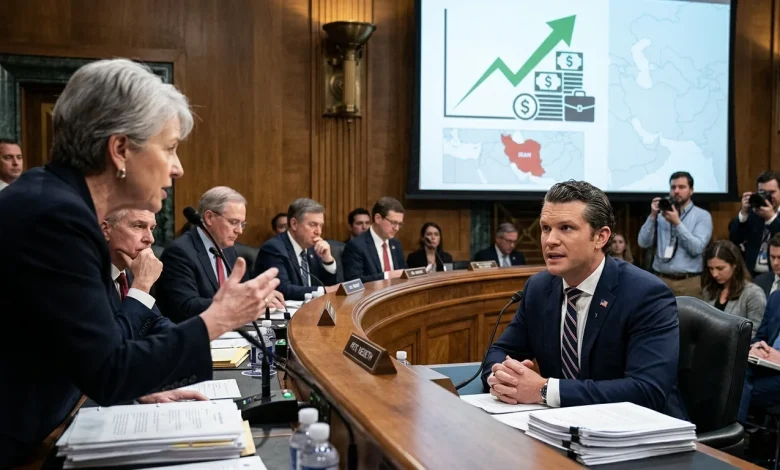
Table of Contents
Iran :Introduction to the Escalating Conflict
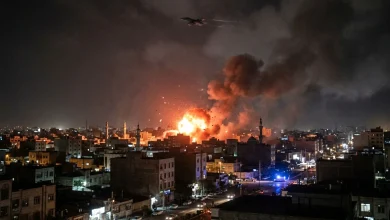
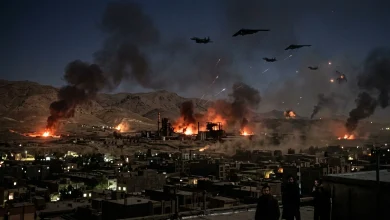
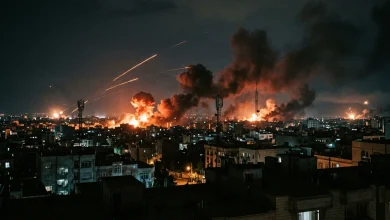
The military engagement between the United States and Iran has entered a highly dangerous and financially draining phase. Following the collapse of a fragile truce, the military campaign was rapidly renewed, reminiscent of when U.S. airstrikes launched on Sunday targeted key Iranian commands. What was initially conceived as a swift series of deterrence strikes has rapidly metastasized into an expensive and deeply unpopular campaign. On Tuesday, Defense Secretary Pete Hegseth testified before the Senate Appropriations Committee, marking his first appearance since heavy bombings resumed in the region. Hegseth’s testimony was met with a wall of skepticism from lawmakers who are growing increasingly wary of the mounting costs, rising American casualties, and the lack of a clear exit strategy. The strategic objectives of the campaign, originally defined as dismantling Iran’s nuclear potential and securing global shipping lanes, appear increasingly elusive as combat intensifies. The sudden flare-up of hostilities has caught the attention of both domestic and international observers, with many questioning if the United States is being drawn into another long-term Middle Eastern entanglement.
Iran :The New Estimate: Breaking Down the $37.5 Billion Price Tag
The $37.5 billion price tag announced by Hegseth represents a significant surge from previous Pentagon projections. Only months ago, the administration estimated the cost to be closer to $29 billion. This rapid escalation in spending is attributed to the intensity of current operational needs, continuous air patrols, and the sheer volume of advanced ordnance utilized in the campaign. The offensive has expanded significantly beyond initial skirmishes. When the administration authorized strikes targeting key ports, the goal was to cripple Tehran’s maritime supply lines. However, the operational reality has necessitated continuous, expensive combat sorties. According to military analysts, the $37.5 billion figure only tells part of the story. Sources close to the Senate Appropriations Committee suggest that the real price tag is far higher. This is because the official estimate excludes long-term military construction costs, such as repairing American bases in the region that have sustained structural damage during retaliatory Iranian strikes.
| Funding Category | Requested Amount (USD) | Allocated / Spent to Date (USD) | Strategic Purpose / Status |
|---|---|---|---|
| Iran War Operational Costs | $67.1 Billion | $37.5 Billion | Direct combat operations, active defense, and ongoing nightly airstrikes. |
| Military Readiness & Re-supply | $21.0 Billion | $0.0 Billion (Pending) | Replenishing depleted precision-guided munitions (PGMs) and equipment replacement. |
| Middle East Base Reconstruction | Not Disclosed | Not Disclosed | Repairing damaged installations, defense infrastructure, and strategic airfields. |
| Total War Supplemental Request | $88.1 Billion | $37.5 Billion | Total emergency supplemental package sought by the Trump Administration. |
Iran :Bipartisan Friction: Pete Hegseth Faces the Senate Appropriations Committee
Hegseth’s appearance on Capitol Hill was anything but routine. The Defense Secretary was met with sharp, confrontational questioning from both sides of the aisle. Bipartisan frustration has reached a boiling point as lawmakers demand accountability for what they perceive as a lack of strategic coherence. Democratic senators, led by Patty Murray, vehemently criticized the administration’s shifting justifications for the war. Murray pointed out that the rationale has alternated between pre-empting imminent threats, dismantling Iran’s nuclear research sites, and advocating for outright regime change. The human cost of the conflict has also taken center stage. Since February, at least 17 American service members have lost their lives in the theater, with three deaths occurring in just the last week. Over 100 personnel have been injured, raising the stakes for an administration that had previously promised to avoid foreign military entanglements. The emotional weight of these casualties was palpable during the hearing, as protesters repeatedly interrupted Hegseth’s opening statement, demanding an immediate halt to the bombings.
Iran :Lawmakers Sound the Alarm on Strategic Failure
Critics within the Senate have begun openly calling the operation a strategic failure. Senator Gary Peters of Michigan challenged Hegseth directly on the efficacy of the current approach, questioning whether the heavy bombings had actually degraded Iran’s capabilities or merely hardened their resolve. The lack of clear benchmarks for success is a primary source of concern. Military operations have placed an enormous strain on Navy arsenals, especially as the continuous strikes against Iran surpassed several consecutive weeks of round-the-clock bombardment. Lawmakers are demanding to know what the administration plans to do if the current campaign fails to bring Tehran to the negotiating table. Without concrete definitions of what constitutes victory, senators are hesitant to authorize more funding, fearing that the U.S. is embarking on another open-ended conflict without a realistic termination strategy.
The Broader Budgetary Request: Replenishing the Arsenal
To keep the military machine running, the Trump administration has proposed a massive emergency supplemental funding package. This request, totaling approximately $88.1 billion, is designed to keep the defense department solvent through the end of the fiscal year on September 30. Of this package, $67.1 billion is earmarked specifically for active operations in the Iranian theater. Hegseth warned that without these funds, the Pentagon faces critical shortfalls that could impact its ability to pay service members and sustain vital global operations. In addition to the supplemental request, the administration is pushing for a broader $1.5 trillion base defense budget for the upcoming fiscal year. This astronomical request has ignited an intense debate over domestic priorities, with critics arguing that the nation’s infrastructure, education, and healthcare systems are being neglected in favor of military expansionism.
High-Tech Munitions and Strategic Readiness Deficits

A major portion of the requested $21 billion readiness fund is intended to replenish depleted stockpiles of precision-guided munitions (PGMs). The high intensity of the air campaign has consumed munitions at a rate that has alarmed Pentagon planners. Smart bombs, Tomahawk cruise missiles, and Patriot interceptors are being expended faster than defense contractors can manufacture them. This rapid depletion of high-tech assets has raised concerns about America’s readiness for potential conflicts in other parts of the world. Defense analysts warn that the focus on Iran is creating strategic vulnerabilities elsewhere, leaving the U.S. ill-prepared for contingencies in the Indo-Pacific or Eastern Europe. By focusing massive financial and military assets on a singular Middle Eastern adversary, the Pentagon may be inadvertently compromising its global posture.
Regional Implications and the Battle for Key Strategic Waterways
The geographical scope of the conflict extends far beyond the borders of Iran. The escalation has directly impacted global trade, with Iranian forces retaliating by targeting international shipping. This financial request comes as Tehran continues to block maritime commercial lanes, raising shipping insurance rates and intensifying tension in the Strait of Hormuz. The strait, through which a significant portion of the world’s daily oil supply passes, has become a dangerous flashpoint. American and allied warships are engaged in daily escort operations to protect commercial tankers, but the threat of drone and fast-attack craft strikes remains high. The economic consequences of a prolonged blockade or disruption in this region could be catastrophic, potentially triggering global energy shocks and driving inflation upward at a time when domestic economies are already fragile.
Escalations in the Strait of Hormuz and Red Sea
In addition to conventional military engagements, the theater has seen asymmetrical warfare tactics that complicate the Pentagon’s planning. Iran’s proxies have actively supported Tehran’s efforts, launching coordinated drone and missile attacks from Yemen, Lebanon, and Iraq. The geopolitical ripples have spread to European allies as well, where concerns over domestic security have mounted following operations against Iran-backed proxies that were deemed major security threats. These proxy groups have demonstrated an ability to disrupt shipping lanes in both the Red Sea and the Gulf of Oman. The multi-front nature of this threat requires a complex, multi-layered defense response that further drives up operational costs. The U.S. Navy has been forced to maintain a persistent carrier strike group presence in the region, adding hundreds of millions of dollars to the weekly operational tab.
Domestic Politics: The Looming Midterm Elections and the GOP’s Battle
The rising cost of the war is sending shockwaves through the domestic political landscape. With just six months before the critical midterm elections, the timing of Hegseth’s funding request could not be worse for the Republican Party. President Donald Trump’s congressional allies are facing an uphill battle to protect their majorities in both the House of Representatives and the Senate. Voters are increasingly expressing fatigue over foreign wars, particularly when contrasted with domestic economic challenges. With the GOP clinging to razor-thin majorities, several seats are in severe jeopardy, reflecting the volatility seen in other contests where key Senate races in the midterms have already seen surprising withdrawals and shifts. The administration’s ability to sell the war as a necessary defensive action is slipping, as inflation and high interest rates dominate the concerns of average Americans.
Linking War and Affordability: The Democratic Campaign Strategy
Democrats have seized on the soaring costs of the conflict as a central pillar of their campaign messaging. By linking the unpopular war with the concept of affordability, opposition candidates are highlighting the opportunity cost of spending billions of dollars on overseas bombings. They argue that the $37.5 billion spent so far could have been used to fund critical domestic programs, lower healthcare costs, or invest in national infrastructure. Furthermore, the structural battlefield of the House remains highly unstable, as ongoing battles over critical redistricting battles look set to reshape the balance of power. Public opinion polls indicate that a growing majority of Americans favor a diplomatic resolution over continued military action, giving Democrats a powerful talking point as they campaign to reclaim congressional control.
Strategic Outlook: Is an Exit Strategy in Sight?
The road ahead remains highly uncertain. While Defense Secretary Hegseth and General Dan Caine continue to advocate for peace through strength, the reality on the ground points to a protracted war of attrition. The scale of destruction inside Iranian borders is massive, especially after devastating airstrikes hit Bushehr and targeted critical nuclear and defense installations. Yet, despite these heavy blows, Tehran has shown no signs of capitulation. Instead, the conflict continues to draw in regional proxies and risk broader global escalation, potentially involving major powers like Russia and China. As the midterm elections draw closer, the pressure on the Trump administration to deliver a decisive outcome or negotiate a durable ceasefire will only intensify. Whether the administration can find a diplomatic off-ramp before the costs spiral further out of control will likely define both the future of the Middle East and the domestic political balance of power in Washington.