Hun Sen Pardons Kem Sokha: Impact on Cambodian Politics
Introduction
The political landscape of Cambodia has recently witnessed a notable development with Hun Sen, the President of the Senate, issuing a pardon to Kem Sokha, a prominent opposition figure. This decision, made while King Norodom Sihamoni is in China for medical treatment, has sparked discussions about its potential impact on the nation’s political stability and unity. While Prime Minister Hun Manet has hailed the pardon as a step towards strengthening national unity, its actual effect on Cambodia’s political climate remains uncertain, especially considering the existing restrictions on political freedoms and the exile of other opposition leaders.
The Pardon of Kem Sokha
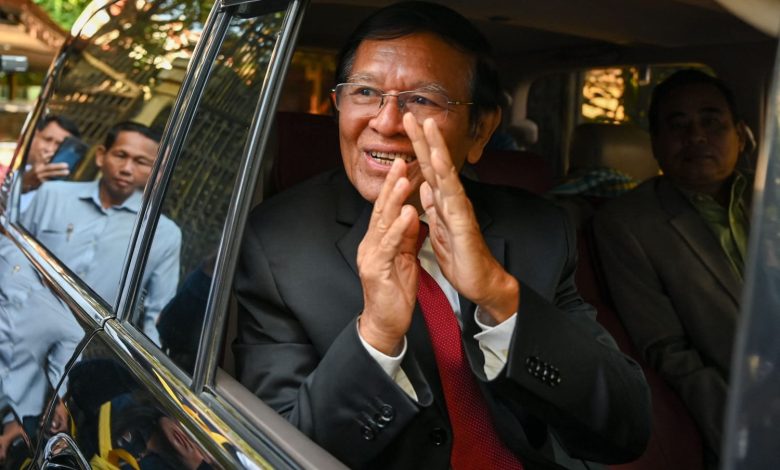
Kem Sokha’s pardon marks a significant moment in Cambodian politics. Sokha, a long-time opposition leader, had previously faced serious charges that many observers considered politically motivated. The pardon, issued by Hun Sen in his capacity as acting head of state, effectively removes Sokha from house arrest. However, it’s crucial to note that this pardon does not automatically restore Sokha’s full political rights. His lawyers have clarified that a ban remains in place, preventing him from participating in politics or leaving the country for a period of five years following the completion of his sentence. This restriction underscores the complex and carefully managed nature of his release, suggesting a desire to mitigate any immediate, disruptive impact on the existing political order.
Hun Sen’s Role as Acting Head of State
Hun Sen’s position as Senate President, coupled with his role as acting head of state during King Norodom Sihamoni’s absence, places him in a powerful position to influence domestic policy. His decision to pardon Kem Sokha highlights the extent of his authority and the influence he wields within the Cambodian government. It also raises questions about the balance of power between the monarchy, the Senate, and the Prime Minister’s office. While the King remains the symbolic head of state, Hun Sen’s actions demonstrate a practical ability to shape significant political events, particularly when the King is unavailable. This concentration of power, even temporarily, allows for decisive actions that can alter the political trajectory of the nation.
Kem Sokha’s Political Background
Kem Sokha is a pivotal figure in Cambodian opposition politics. As a co-founder of the Cambodia National Rescue Party (CNRP), which was dissolved in 2017, Sokha has been a persistent challenger to the ruling Cambodian People’s Party (CPP). His political career has been marked by periods of popularity, particularly among younger voters and those seeking an alternative to the long-standing rule of Hun Sen and his party. However, Sokha’s political activities have also been met with legal challenges and accusations of attempting to overthrow the government, charges that he and his supporters have consistently denied. His detention and subsequent house arrest have been viewed by many international observers as politically motivated, aimed at suppressing dissent and weakening the opposition.
Reactions to the Pardon
Reactions to Kem Sokha’s pardon have been mixed and carefully measured. Prime Minister Hun Manet, son of Hun Sen, publicly supported the decision, framing it as a positive step towards national unity. This endorsement suggests a degree of consensus within the ruling party regarding the pardon. However, Kem Sokha himself has refrained from making immediate public comments, likely due to the ongoing restrictions on his political activities and freedom of movement. His lawyers have emphasized that the pardon does not fully restore his rights, indicating that Sokha remains under certain constraints. The international community’s response has been cautiously optimistic, with many observers waiting to see whether the pardon will lead to further political reforms and a more open political environment in Cambodia.
The Political Climate in Cambodia
The political climate in Cambodia remains complex and tightly controlled. Despite the pardon of Kem Sokha, significant challenges to political freedom persist. The ruling CPP maintains a firm grip on power, and opposition voices are often suppressed through legal means, intimidation, and restrictions on freedom of assembly and expression. The dissolution of the CNRP in 2017 dealt a significant blow to the opposition movement, leaving many of its supporters disenfranchised. The upcoming elections will be a critical test of whether the pardon of Kem Sokha signals a genuine shift towards greater political openness or is merely a tactical move to appease international criticism without fundamentally altering the political landscape. Recent events, such as the ongoing restrictions on other opposition figures and activists, suggest that the latter may be the case.
Restrictions on Freedoms
A key aspect of Cambodia’s political environment is the ongoing restrictions on fundamental freedoms. Political and social activists continue to face limitations on their freedom of speech and movement, hindering their ability to participate fully in public life. Laws related to defamation and incitement are often used to silence dissenting voices and prevent criticism of the government. These restrictions create a chilling effect on civil society, limiting the space for independent media, non-governmental organizations, and opposition groups to operate effectively. The international community has repeatedly raised concerns about these restrictions, calling on the Cambodian government to uphold its human rights obligations and create a more open and democratic society. These concerns are amplified by instances such as the grants halted by the Trump administration that were deemed unconstitutional, highlighting how crucial freedoms can be eroded.
The Role of Prime Minister Hun Manet
The ascent of Hun Manet to the position of Prime Minister marks a generational shift in Cambodian politics. As the son of Hun Sen, who ruled Cambodia for over three decades, Hun Manet represents both continuity and potential change. His stated commitment to national unity and economic development offers a glimpse into his policy priorities. However, he also faces the challenge of distancing himself from his father’s authoritarian legacy while maintaining the support of the ruling CPP. His endorsement of Kem Sokha’s pardon suggests a willingness to engage in some degree of political reconciliation, but his actions will be closely scrutinized to determine whether he is truly committed to reforms that promote democracy, human rights, and the rule of law.
Impact on National Unity
The pardon of Kem Sokha is ostensibly aimed at fostering national unity, a long-standing goal in Cambodian politics. Proponents of the pardon argue that it can help bridge divides between the ruling party and the opposition, creating a more inclusive political environment. However, skeptics contend that the pardon is merely a symbolic gesture that does not address the underlying issues of political repression and human rights abuses. For the pardon to genuinely contribute to national unity, it would need to be accompanied by broader reforms that promote freedom of expression, assembly, and association, as well as ensure accountability for past human rights violations. Without such comprehensive measures, the pardon risks being seen as a superficial attempt to improve Cambodia’s international image without making meaningful changes to its domestic policies. Furthermore, events such as the West Bengal election and the impacts of geopolitical issues on local politics highlight the complexity of fostering national unity in diverse political landscapes.
Regional and International Perspectives
The pardon of Kem Sokha has garnered attention from regional and international actors, who closely monitor Cambodia’s political developments. Neighboring countries and international organizations such as the United Nations and the European Union have consistently urged the Cambodian government to uphold democratic principles and respect human rights. The pardon may be viewed as a positive step in this direction, potentially leading to improved relations with Western countries that have been critical of Cambodia’s human rights record. However, these actors are likely to remain cautious, awaiting concrete evidence that the pardon signals a genuine commitment to political reforms and greater respect for fundamental freedoms. The situation in Cambodia is also affected by broader geopolitical trends, such as the increasing influence of China in the region, which can impact the dynamics of international pressure on the Cambodian government. Events like the Cuba summit flop demonstrate the complexities of international relations and their potential impact on smaller nations like Cambodia.
Future Political Scenarios
Several potential scenarios could unfold in Cambodia following Kem Sokha’s pardon. One possibility is that the pardon leads to a gradual opening of the political space, with the government easing restrictions on opposition parties and civil society organizations. This scenario could pave the way for more competitive and credible elections in the future. Another scenario is that the pardon is primarily a tactical move, with the government maintaining its firm grip on power and continuing to suppress dissent. In this case, the pardon would have little long-term impact on the political landscape. A third scenario is that the pardon triggers unforeseen consequences, such as renewed political tensions or instability. The actual outcome will depend on a variety of factors, including the actions of key political actors, the response of civil society, and the role of international actors. Additionally, global events like those affecting the Panama Canal can indirectly impact Cambodia’s political and economic stability.
Comparative Analysis of Political Pardons
Political pardons are a common feature in many countries undergoing political transitions or seeking to promote national reconciliation. Examining examples from other nations can provide valuable insights into the potential impact of Kem Sokha’s pardon in Cambodia. In South Africa, the Truth and Reconciliation Commission granted amnesty to individuals who committed politically motivated crimes during the apartheid era, aiming to promote healing and reconciliation. In Spain, political prisoners were released following the transition to democracy in the late 1970s, helping to consolidate the new democratic order. However, political pardons have also been controversial in some cases, particularly when they are seen as shielding perpetrators of human rights abuses from accountability. The success of a political pardon in achieving its intended goals depends on a variety of factors, including the specific context, the scope of the pardon, and the broader political environment. The parallels can be drawn to the Trump defamation verdict appeal, where legal and political dimensions intersect, influencing public perception and justice.
| Country | Event | Goal | Outcome |
|---|---|---|---|
| South Africa | Truth and Reconciliation Commission | National healing and reconciliation | Mixed; promoted reconciliation but faced criticism for lack of accountability |
| Spain | Release of political prisoners after transition to democracy | Consolidation of democratic order | Successful in promoting stability and democracy |
| Cambodia | Pardon of Kem Sokha | National unity | Uncertain; depends on broader political reforms |
Conclusion
The pardon of Kem Sokha represents a notable development in Cambodian politics, but its long-term impact remains uncertain. While Prime Minister Hun Manet has framed it as a step towards national unity, significant challenges to political freedom persist in Cambodia. The extent to which the pardon leads to genuine political reforms and a more open society will depend on the actions of key political actors, the response of civil society, and the role of international actors. The coming months will be critical in determining whether the pardon marks a turning point in Cambodia’s political trajectory or is simply a tactical maneuver aimed at managing international perceptions. The situation reflects a complex interplay of power, politics, and human rights, with the future of Cambodian democracy hanging in the balance.