Methyl Methacrylate Tank Overheating Crisis Averted in Garden Grove
Overview of the Methyl Methacrylate Incident
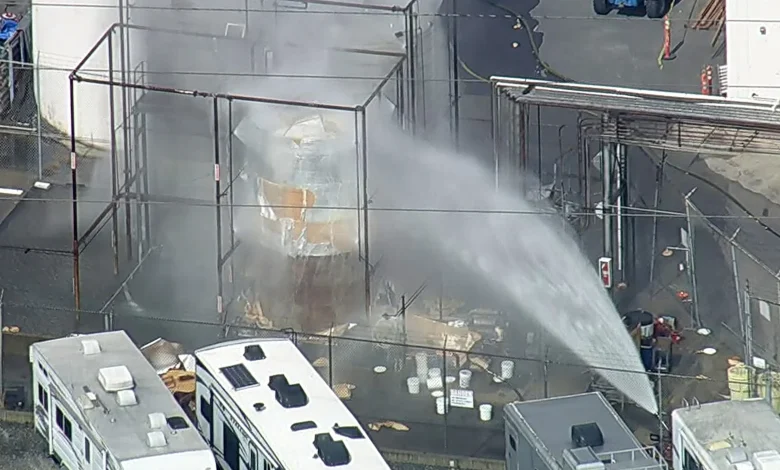
A significant crisis unfolded in Garden Grove, California, as a 7,000-gallon tank containing Methyl Methacrylate (MMA) began to overheat, triggering a multi-day emergency response. The incident, stemming from a malfunctioning valve in the tank’s refrigeration system, posed a severe threat of a potential explosion, specifically a Boiling Liquid Expanding Vapor Explosion (BLEVE). Authorities initiated large-scale evacuations, affecting tens of thousands of residents, as first responders and chemical experts worked diligently to stabilize the situation and mitigate the risks. While the most catastrophic scenario has been averted, officials have cautioned that the situation remains active, with ongoing risks of fire and potential spills still present. This event underscores the critical importance of robust safety protocols and swift emergency response in industrial facilities handling hazardous materials.
The Initial Incident and Immediate Response
The crisis began on a Thursday when the liquid MMA within the large storage tank started to overheat due to a failure in the refrigeration system’s valve. MMA, a volatile organic compound used in the production of polymers and resins, poses significant risks when not properly stored and managed. The immediate concern was the escalating temperature and pressure inside the tank, which could lead to a catastrophic failure. Local fire departments and hazardous materials teams were dispatched to the Garden Grove facility to assess the situation and initiate emergency protocols. Given the potential for a BLEVE, a highly dangerous explosion caused by the rapid vaporization of a superheated liquid, authorities quickly established an exclusion zone and began implementing evacuation plans. The initial hours were critical, focusing on cooling the tank and preventing further temperature increases.
Understanding the BLEVE Risk
A Boiling Liquid Expanding Vapor Explosion (BLEVE) is a major hazard in incidents involving volatile liquids under pressure. It occurs when a vessel containing a liquid heated above its boiling point ruptures, causing a rapid phase transition from liquid to gas. This sudden expansion creates a powerful explosion, often accompanied by a fireball, with the potential to cause widespread damage and injury. In the context of the Garden Grove incident, the overheating MMA posed a significant BLEVE risk due to its volatile nature and the large volume contained within the tank. The potential consequences of such an explosion prompted the extensive evacuation orders and the urgent deployment of specialized firefighting techniques aimed at preventing the tank from rupturing. Understanding the dynamics of a BLEVE is crucial for developing effective mitigation strategies and protecting both emergency responders and the surrounding community. Similar risks are taken into consideration in other fields such as war, with France deploying warships amidst rising tensions.
Mitigation Efforts and Expert Intervention
The mitigation efforts in Garden Grove involved a coordinated approach between local fire departments, hazardous materials experts, and specialized chemical engineers. The primary strategy focused on cooling the overheating MMA tank to reduce the internal pressure and prevent a BLEVE. Firefighters used water and specialized cooling agents to lower the tank’s temperature, while experts monitored pressure levels and assessed the tank’s structural integrity. The process was complicated by the need to avoid rapid temperature changes, which could also destabilize the tank. The intervention required precision and continuous monitoring to ensure the safety of the responders and the effectiveness of the cooling operations. Additionally, measures were taken to contain any potential leaks or spills of MMA, preventing environmental contamination and further hazards. The collaborative effort highlighted the importance of specialized training and inter-agency cooperation in managing complex chemical emergencies.
Evacuation Orders and Community Impact
The potential for a catastrophic explosion led to significant evacuation orders in Garden Grove, affecting a large segment of the population. Initially, around 60,000 residents were ordered to evacuate, creating a logistical challenge for local authorities and support organizations. Evacuation centers were set up to provide temporary shelter and resources for those displaced from their homes. The impact on the community was substantial, with schools, businesses, and public services disrupted. As mitigation efforts progressed and the immediate risk of a BLEVE diminished, evacuation orders were reduced to approximately 16,000 residents. However, the uncertainty and disruption took a toll on the community, emphasizing the need for clear communication and support services during such emergencies. The proximity of the incident to major attractions like Disneyland in Anaheim also added to the complexity of the response, requiring coordination with regional stakeholders. Similar issues are often taken into consideration when discussing the economy, which The Feds Treasury is doing to avoid risks in 2026.
Ongoing Risks and Remaining Concerns
Despite the successful mitigation of the most catastrophic scenario, officials have emphasized that the situation in Garden Grove remains active and requires continued vigilance. The ongoing risks include the potential for a fire and small explosions, as well as the possibility of an MMA spill. Firefighters and hazardous materials teams remain on-site to monitor the tank and implement further safety measures. The remaining MMA needs to be safely removed or neutralized, a process that could take several days to complete. The focus is on preventing any further escalation and ensuring the complete stabilization of the site. The incident serves as a reminder of the long-term commitment required to manage hazardous materials incidents and the importance of sustained monitoring and preventative measures.
Fire Chief’s Statement: A Cautious Outlook
Interim Orange County Fire Chief TJ McGovern provided a cautious assessment of the situation during a news conference, emphasizing that while the worst-case scenario had been averted, the incident was far from over. He acknowledged the significant progress made by first responders and experts but stressed the need for continued vigilance and ongoing mitigation efforts. McGovern highlighted the remaining risks of fire, small explosions, and potential spills, underscoring the complexity of the operation. His message was one of cautious optimism, balancing the relief that the BLEVE risk had been mitigated with the awareness that significant work remained to ensure the complete safety of the community and the environment. McGovern’s leadership and clear communication were crucial in managing public expectations and maintaining confidence in the emergency response.
Community Response and Support
The community response to the Methyl Methacrylate incident in Garden Grove was characterized by resilience and cooperation. Residents adhered to evacuation orders, and local organizations mobilized to provide support to those displaced from their homes. Evacuation centers offered shelter, food, and essential services, while volunteers assisted with transportation and communication. The incident also highlighted the importance of community preparedness and the role of local emergency response teams in coordinating relief efforts. Despite the disruption and anxiety caused by the evacuations, the community demonstrated a strong spirit of solidarity, supporting one another and working together to navigate the crisis. The lessons learned from this event will likely inform future emergency planning and community resilience initiatives.
Environmental Impact and Safety Measures
The potential environmental impact of an MMA release was a significant concern throughout the Garden Grove incident. MMA is a volatile organic compound that can pose risks to air and water quality. Measures were taken to prevent any spills or leaks from contaminating the surrounding environment. Containment systems were put in place to capture any released MMA, and air quality monitoring was conducted to assess potential exposure risks. Environmental experts were consulted to develop strategies for mitigating any potential long-term impacts. The incident underscores the importance of robust environmental safety protocols in facilities handling hazardous materials and the need for comprehensive monitoring and remediation plans in the event of a release. The US is currently dealing with other environmental safety protocol concerns with Anna Paulina Luna and the EATS Act farm bill pesticide fight.
Regulatory Oversight and Future Prevention
The Methyl Methacrylate incident in Garden Grove is likely to prompt a review of regulatory oversight and safety protocols for facilities handling hazardous materials. Investigations will focus on identifying the root causes of the refrigeration system failure and assessing the adequacy of existing safety measures. Regulatory agencies may implement stricter standards for tank maintenance, monitoring, and emergency response planning. The incident could also lead to increased inspections and enforcement actions to ensure compliance with safety regulations. Furthermore, there may be a greater emphasis on training and certification for personnel working with hazardous materials. The goal is to prevent similar incidents from occurring in the future and to enhance the safety and security of communities located near industrial facilities.
Historical Context of Chemical Incidents
The Methyl Methacrylate incident in Garden Grove is a reminder of the potential risks associated with industrial chemicals and the importance of learning from past events. History is filled with examples of chemical accidents that have resulted in significant environmental damage, health impacts, and economic losses. From the Bhopal disaster in India to the Deepwater Horizon oil spill in the Gulf of Mexico, these incidents have highlighted the need for robust safety regulations, effective emergency response systems, and a strong commitment to preventing chemical accidents. By studying these historical events, industries and regulatory agencies can identify common causes of failure and implement measures to reduce the likelihood of future incidents. A look into other events like the ShinyHunters breach of 9000 schools may provide similar insights.
Expert Analysis of the Chemical Properties
Methyl Methacrylate (MMA) is a key chemical compound used in the production of various polymers and resins, finding applications in acrylic plastics, coatings, and adhesives. Its chemical formula is C5H8O2, and it is characterized by its volatility and flammability. MMA’s properties necessitate stringent handling and storage procedures to prevent hazardous situations. Experts emphasize the importance of maintaining MMA at controlled temperatures to avoid overheating, which can lead to polymerization and the risk of explosions, such as BLEVE. Proper ventilation is also critical to prevent the accumulation of flammable vapors. Furthermore, MMA is known to be an irritant, and prolonged exposure can cause respiratory and skin issues, necessitating the use of personal protective equipment (PPE) during handling. Understanding these chemical properties is crucial for developing and implementing effective safety protocols in facilities that store and process MMA. Zanardi’s motorsports history shows the importance of PPE in dangerous situations.
| Aspect | Details |
|---|---|
| Chemical Name | Methyl Methacrylate (MMA) |
| Tank Size | 7,000 gallons |
| Location | Garden Grove, California |
| Initial Evacuation | 60,000 residents |
| Reduced Evacuation | 16,000 residents |
| Primary Risk | Boiling Liquid Expanding Vapor Explosion (BLEVE) |
| Current Status | Mitigated, but ongoing risks of fire and spills |
For more information on chemical safety and emergency response, visit the Environmental Protection Agency (EPA) website.