Hamas Scandal: Fighters Trade Aid for Sex with War Widows
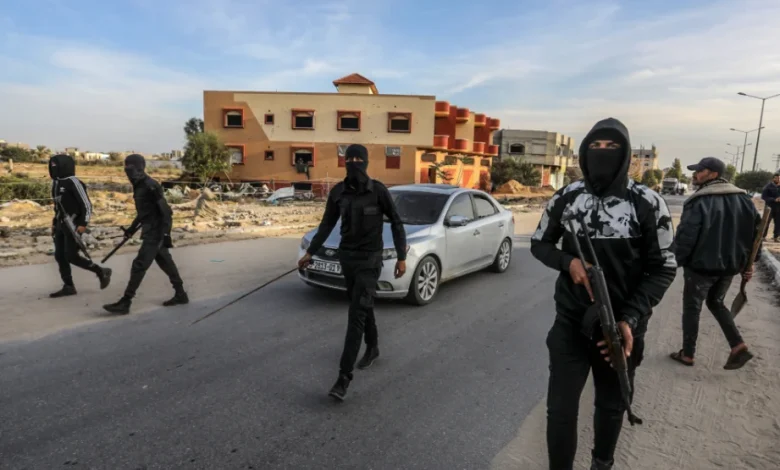
Hamas members are currently facing unprecedented and horrifying allegations of systematic exploitation, with alarming reports emerging that fighters are trading essential humanitarian aid, including rice and sugar, for sex with the widows of their own fallen comrades. This investigative report delves into the dark reality faced by war widows, single mothers, and displaced women who have been left with absolutely no food and nowhere to go amid the ongoing devastation. The allegations paint a grim picture of an environment where survival is commodified, and those tasked with defending and organizing the population are actively preying upon its most vulnerable demographic. The severe nature of these claims strikes at the core of the organization’s professed ethos, revealing a deep institutional rot that prioritizes power and control over basic human dignity and religious or moral obligations.
Hamas Leadership Accused of Ignoring Abuse
Hamas leadership has been directly implicated in a widespread cover-up regarding these abuses. The exploitation is not an isolated incident but appears to be an open secret within the ranks. According to deeply disturbing accounts from the ground, when a Hamas employee discovered a slain member’s wife being sexually exploited by multiple Qassam fighters inside a displacement tent, the response from the higher command was chilling. Instead of launching an immediate investigation or moving to protect the vulnerable woman, the leadership explicitly told the whistleblower to shut up and walk away. This directive to turn a blind eye to the horrific abuse of a martyr’s widow demonstrates a profound moral collapse at the highest levels of the command structure. The deliberate silencing of internal reports indicates that the leadership is more concerned with maintaining a unified public facade and protecting its active combatants than safeguarding the civilian population they claim to govern.
The Desperate Plight of War Widows and Single Mothers
War widows and single mothers in the conflict zone are enduring a multidimensional nightmare. Having already suffered the traumatic loss of their husbands and primary breadwinners, these women are thrust into an unforgiving landscape defined by acute starvation, extreme poverty, and the constant threat of violence. With the traditional social fabric entirely obliterated by continuous warfare, these women are left isolated in squalid, overcrowded tent cities. They possess no financial resources, no physical security, and no access to consistent nutritional lifelines. The vulnerability of these women is absolute; they are trapped in a completely enclosed ecosystem where armed militants exert total control over the distribution of life-saving resources. The psychological terror of watching their children slowly starve pushes these mothers to the absolute brink, forcing them into unimaginable compromises simply to secure a cup of flour or a bag of rice.
Whistleblower Reports Silenced by Top Brass
The internal mechanisms for accountability have completely disintegrated. Whistleblowers who attempt to highlight these gross violations of human rights are met with immediate hostility and threats of severe retaliation. The top brass of the organization relies on a culture of fear and absolute loyalty, where questioning the conduct of armed fighters is treated as an act of treason. This environment ensures that predatory behaviors not only go unpunished but are effectively normalized. The systematic suppression of dissenting voices within the organization’s civil administrative wing highlights the unchecked dominance of the military faction, which operates with total impunity.
Systemic Exploitation: Food as a Weapon of Coercion
The weaponization of food aid represents one of the most insidious forms of control in modern warfare. By monopolizing the heavily restricted influx of humanitarian supplies, militants have positioned themselves as the sole arbiters of life and death. The artificial scarcity created by the conflict is exploited to establish coercive transactional relationships. This is not a matter of consensual exchange; it is textbook coercion, where the immense power disparity nullifies any concept of consent. When a man with a weapon and a warehouse full of international aid demands sexual favors from a starving mother, it constitutes a severe war crime and a fundamental violation of international humanitarian law. This dynamic transforms humanitarian aid from a tool of relief into a mechanism of subjugation.
| Exploitation Tactic | Target Demographic | Reported Coercive Leverage | Organizational Response |
|---|---|---|---|
| Aid for Sex Transaction | War Widows / Single Mothers | Rice, Sugar, Flour, Clean Water | Denial and Silencing of Whistleblowers |
| Tent Intrusion | Displaced Women | Physical Security / Armed Intimidation | Ignored by Command Structure |
| Psychological Harassment | Young Unmarried Women | Threats of Resource Withholding | Normalized within Militant Ranks |
| Systemic Blackmail | Families of Deceased Fighters | Pensions and Stipends | Cover-up to Protect Fighters |
Rice and Sugar Exchanged for Basic Survival
The specific commodities being used for leverage highlight the sheer desperation of the civilian populace. Rice and sugar, basic staples required for caloric survival, have become the currency of exploitation. Women are forced to trade their bodily autonomy to ensure their children do not perish from malnutrition. The cruelty of this exchange is magnified by the fact that these very resources were donated by the international community to alleviate suffering, not to fund a predatory sexual economy run by armed groups. The hijacking of humanitarian logistics networks allows fighters to divert essential goods from official distribution points into an illicit barter system where the most vulnerable are systematically victimized.
First-Hand Accounts of Harassment in the Camps
The testimonies emerging from the displacement camps are harrowing. Residents describe an atmosphere of pervasive dread, where predatory behavior is unchecked and ubiquitous. As one resident starkly put it, characterizing the scale of the abuse: “It’s being done by all their employees and members, as though it’s an organization set up for sexual harassment, psychological abuse and harassing young women.” This quote encapsulates the deep sense of betrayal felt by the populace. The organization, which historically framed itself as a resistance movement rooted in strict religious principles, is now perceived by many of its own constituents as a massive, heavily armed syndicate dedicated to the exploitation of the weak. The daily reality for a young woman in these camps involves navigating a gauntlet of harassment, knowing that rejecting advances could mean starvation for her extended family.
Psychological Abuse and the Toll on Young Women
The long-term psychological damage inflicted upon these women is incalculable. Beyond the immediate horror of the sexual coercion, the victims are forced to carry a heavy burden of shame and trauma in a deeply conservative society. The psychological abuse is compounded by the fact that their abusers are often men who fought alongside their deceased husbands. The destruction of trust, the chronic anxiety, and the profound depression experienced by these women represent a secondary, silent epidemic sweeping through the camps. Without access to mental health professionals or safe spaces, the victims are left to suffer in absolute silence, their trauma buried under the daily struggle for physical survival.
Broader Geopolitical Implications and Regional Instability
The exposure of these systemic abuses carries significant implications for the broader geopolitical landscape. As international actors evaluate their stances on the conflict, undeniable evidence of widespread sexual exploitation complicates diplomatic efforts and peace negotiations. This situation mirrors other regional crises where humanitarian disasters are exacerbated by militant control. For instance, the ongoing blockade environments in neighboring conflict zones highlight how the restriction of movement and aid creates fertile ground for extreme abuses of power. The international community’s struggle to address these human rights violations exposes deep fractures within international coalitions regarding regional crises. When militant organizations completely abandon the norms of warfare and governance, it destabilizes not just the immediate territory, but the entire surrounding geopolitical framework.
Intersections with Middle East Blockades
The crisis is intrinsically linked to the broader dynamics of regional blockades and sanctions. The blacklisting of militia commanders by international financial bodies often aims to cut off formal funding streams, but it inadvertently increases the reliance of these groups on the control and taxation of localized aid economies. When formal economies collapse under the weight of war and blockades, the illicit economy—driven by smuggled goods and hijacked aid—becomes the primary source of power. This economic distortion directly empowers the men with guns, allowing them to dictate the terms of survival to a captive civilian audience. The ongoing and complex ceasefire negotiations in the region must grapple with these dark realities on the ground, recognizing that a mere cessation of hostilities will not immediately dismantle the entrenched networks of exploitation.
International Outcry and Humanitarian Failures
The international community is facing mounting pressure to respond to these atrocities. Human rights advocates and global watchdogs are expressing profound outrage over the failure of the global humanitarian apparatus to protect the most vulnerable. While aid agencies pump millions of dollars worth of supplies into the conflict zone, their inability to monitor the final mile of distribution renders them unintentional enablers of this predatory system. Prominent organizations, such as Human Rights Watch, have long documented the devastating impact of conflict on women’s rights, but the scale and brazenness of the current exploitation require a radical reassessment of how aid is delivered in territories controlled by armed non-state actors. The failure to bypass militant control networks represents a catastrophic breakdown of humanitarian protocols.
Calls for Independent Investigations
There are growing, urgent demands for independent, third-party investigations into the distribution of aid and the conduct of militants within the camps. However, the logistical and security challenges of conducting such investigations in an active war zone are immense. Investigators face the very real threat of assassination or kidnapping, and victims are terrified of fatal reprisals if they speak on the record to foreign entities. Despite these hurdles, international legal experts argue that establishing accountability is non-negotiable. Without a clear mechanism to identify, prosecute, and punish those responsible for the sexual exploitation of war widows, the cycle of abuse will only accelerate as resources become even scarcer.
The Path Forward: Accountability and Rebuilding Trust
Addressing this deep-seated crisis requires a comprehensive and unyielding approach to both humanitarian aid reform and human rights enforcement. The systemic exploitation of starving widows cannot be treated as a secondary issue subordinate to political or military objectives; it is a primary humanitarian catastrophe that demands immediate intervention. Future aid deliveries must be conditioned upon the establishment of secure, internationally monitored distribution corridors that explicitly exclude armed actors from the logistical chain. Furthermore, there must be a concerted effort to create safe havens and anonymous reporting mechanisms for the victims of these abuses. Until the structural power imbalance that allows men with guns to trade rice for sex is dismantled, the tragedy unfolding in the displacement camps will remain a dark stain on the conscience of the international community. The absolute prioritization of the safety and dignity of women and children must become the cornerstone of any future rebuilding or diplomatic efforts in the region.