Investigators Probe Possible Hate Crime in San Diego Shootings
Introduction
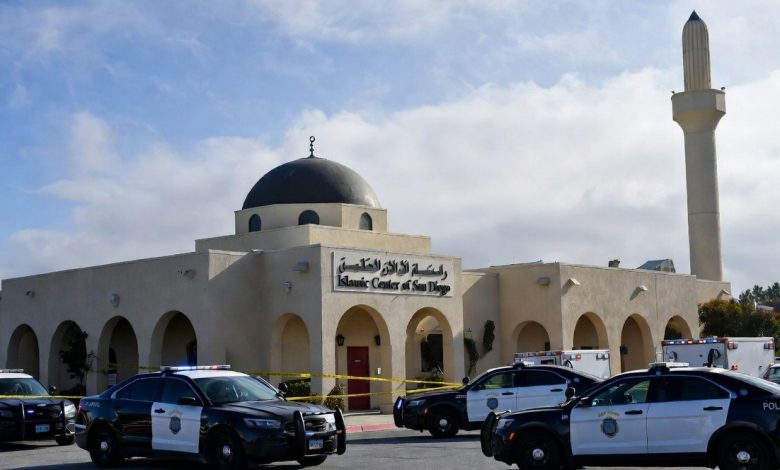
In the wake of a shocking episode of violence, Investigators are diligently working to piece together the circumstances surrounding a shooting in San Diego. The incident has left multiple individuals injured and the community reeling. As details emerge, the San Diego Police Department is exploring the possibility that the shootings were motivated by hate, adding another layer of complexity to an already tragic situation. Chief Scott Wahl characterized the event as “every community’s worst nightmare,” underscoring the profound sense of fear and vulnerability that such incidents can instill. This article delves into the unfolding details of the investigation, the community’s response, and the broader implications of a potential hate crime in a major metropolitan area.
Incident Overview
The shooting incident occurred [insert date and time] in [insert location details, e.g., a specific neighborhood or public space] in San Diego. Preliminary reports indicate that [number] individuals were injured, with varying degrees of severity. Emergency services were promptly dispatched to the scene, and victims were transported to local hospitals for treatment. The area was quickly secured by law enforcement, and a thorough investigation was initiated to gather evidence and determine the sequence of events leading up to the shootings. Witnesses are being interviewed to provide accounts of what they saw and heard, which will be crucial in establishing a clear timeline and understanding the motives behind the attack. The exact type of weapon used in the shooting is currently under investigation, as is whether the shooter acted alone or was part of a larger group. The location of the shooting is significant as well. Was it a place of worship, a community center, or a business known to serve a particular group? These details will inform the investigation and help authorities understand potential targeting.
Hate Crime Investigation
The decision to investigate the shooting as a potential hate crime underscores the gravity of the situation and the potential for deep-seated biases to fuel violence. A hate crime is generally defined as a criminal act motivated by prejudice against a person or group based on characteristics such as race, religion, sexual orientation, ethnicity, or disability. To classify the shooting as a hate crime, investigators will need to gather evidence demonstrating that the perpetrator was motivated by bias. This evidence may include statements made by the suspect, social media posts, prior interactions with the victims or similar groups, and any other indicators of prejudice. The investigation will also examine whether the victims were specifically targeted because of their affiliation with a protected group. Hate crime investigations are often complex and require specialized training and resources. Law enforcement agencies typically work with community organizations and advocacy groups to ensure that the investigation is conducted sensitively and thoroughly. The involvement of federal agencies, such as the FBI, may also be warranted if the hate crime crosses state lines or involves violations of federal law. The burden of proof in a hate crime case is high, and prosecutors must demonstrate beyond a reasonable doubt that the crime was motivated by bias. If convicted of a hate crime, the perpetrator may face enhanced penalties, reflecting the seriousness of the offense and the harm it inflicts on the community.
Victims and Community Impact
The immediate impact of the shooting is, of course, felt most acutely by the victims and their families. Beyond the physical injuries, victims may suffer from emotional trauma, psychological distress, and long-term disabilities. Support services, such as counseling, therapy, and financial assistance, are crucial in helping victims cope with the aftermath of the attack. The broader community is also deeply affected by such incidents. Fear and anxiety can permeate daily life, leading to increased social isolation and a sense of vulnerability. Community leaders and mental health professionals play a vital role in providing support, promoting healing, and fostering resilience. Community meetings, vigils, and other gatherings can help to create a sense of solidarity and shared purpose. The economic impact of the shooting should not be overlooked either. Businesses may suffer from decreased patronage, and tourism may decline. The cost of medical care, law enforcement, and security measures can also strain local resources. In the long term, the shooting may lead to increased polarization and division within the community if left unaddressed. It is essential to promote dialogue, understanding, and reconciliation to prevent further escalation of tensions.
Police Chief’s Statement
Chief Scott Wahl’s statement that the event was “every community’s worst nightmare” reflects the profound sense of shock and concern that the shooting has generated. As the head of the San Diego Police Department, Chief Wahl is responsible for overseeing the investigation, providing reassurance to the public, and coordinating with other agencies to ensure the safety and security of the community. His statement likely included a commitment to a thorough and impartial investigation, as well as an appeal for calm and cooperation from the public. It may also have addressed the department’s efforts to increase patrols and security measures in the area where the shooting occurred. Chief Wahl’s leadership in the aftermath of the shooting is critical in shaping the community’s response and ensuring that justice is served. He is likely working closely with community leaders, advocacy groups, and other stakeholders to address the underlying issues that may have contributed to the violence. His communication strategy will be crucial in maintaining transparency and building trust with the public. Regular updates on the progress of the investigation, as well as information on resources available to victims and the community, will help to keep the public informed and engaged.
Community Response
The community’s response to the shooting is multifaceted and evolving. In the immediate aftermath, there is likely to be a sense of shock, grief, and disbelief. As more details emerge, emotions may range from anger and outrage to fear and anxiety. Community leaders, advocacy groups, and faith-based organizations will play a critical role in organizing support services, promoting healing, and advocating for policy changes. Vigils, rallies, and other public gatherings can provide a space for people to come together, express their emotions, and show solidarity. Social media platforms will likely be used to share information, organize events, and mobilize support. However, it is also important to be mindful of the potential for misinformation and hate speech to spread online. Community dialogues and town hall meetings can provide a forum for people to discuss their concerns, share their experiences, and work together to find solutions. These discussions should be inclusive and representative of the diverse perspectives within the community. It is also important to address any underlying tensions or divisions that may have contributed to the violence. Promoting understanding, empathy, and respect for diversity is essential in building a more cohesive and resilient community.
Investigative Details
The investigation into the San Diego shooting involves a meticulous and systematic process of gathering evidence, interviewing witnesses, and analyzing data to determine the facts of the case. Law enforcement agencies will be working to establish a clear timeline of events, identify the perpetrator or perpetrators, and determine the motive behind the shooting. Forensic evidence, such as ballistics, DNA, and fingerprints, will be collected and analyzed to link suspects to the crime scene. Electronic devices, such as cell phones and computers, may be seized and searched for relevant information. Witnesses will be interviewed to gather accounts of what they saw and heard, and their statements will be compared to other evidence to verify their accuracy. Social media posts, online communications, and other digital data may be examined for clues about the suspect’s intentions and affiliations. The investigation will also involve examining the suspect’s background, including their criminal history, mental health records, and any known biases or prejudices. If the shooting is determined to be a hate crime, investigators will need to gather evidence demonstrating that the perpetrator was motivated by bias against a protected group. This may involve interviewing the victims, examining the suspect’s statements and social media posts, and consulting with experts on hate crimes. The investigation will be conducted in accordance with legal and ethical standards, and all evidence will be carefully documented and preserved. The goal of the investigation is to gather sufficient evidence to identify and prosecute the responsible parties and to provide closure to the victims and the community.
Legal and Ethical Considerations
The investigation into the San Diego shooting raises a number of legal and ethical considerations. Law enforcement agencies must ensure that their actions are consistent with the Constitution and applicable laws. This includes obtaining warrants before conducting searches, respecting the rights of suspects, and protecting the privacy of victims and witnesses. The media also has a responsibility to report on the shooting in a responsible and ethical manner. This includes avoiding sensationalism, respecting the privacy of victims, and accurately reporting the facts of the case. Social media platforms must also address the spread of misinformation and hate speech related to the shooting. This may involve removing offensive content, suspending accounts that violate community standards, and working with law enforcement to identify and prosecute individuals who engage in illegal activities. The legal and ethical considerations surrounding the investigation are complex and require careful attention to detail. It is essential to balance the need to gather evidence and prosecute offenders with the need to protect the rights and privacy of individuals and the community.
Past Incidents and Trends
To better understand the context of the San Diego shooting, it is helpful to examine past incidents and trends related to gun violence and hate crimes. Data from the Centers for Disease Control and Prevention (CDC) and the Federal Bureau of Investigation (FBI) can provide insights into the prevalence and characteristics of these types of incidents. Trends in gun violence may reveal patterns related to the types of weapons used, the locations where shootings occur, and the demographics of victims and perpetrators. Trends in hate crimes may reveal patterns related to the types of biases that motivate these crimes, the groups that are targeted, and the geographic areas where they occur. Examining past incidents and trends can help to identify risk factors, inform prevention strategies, and improve law enforcement responses. It is also important to consider the broader social and political context in which these incidents occur. Factors such as poverty, inequality, discrimination, and political polarization may contribute to the risk of gun violence and hate crimes. Addressing these underlying issues is essential in preventing future incidents.
The Role of Social Media
Social media plays a significant role in shaping public perceptions and responses to events like the San Diego shooting. Social media platforms can be used to share information, organize events, and mobilize support. However, they can also be used to spread misinformation, promote hate speech, and incite violence. Law enforcement agencies and community organizations are increasingly using social media to communicate with the public, share updates on the investigation, and provide resources to victims and the community. It is important to be aware of the potential for social media to be used for malicious purposes and to take steps to protect yourself from misinformation and hate speech. This may involve verifying information from multiple sources, reporting offensive content, and blocking or unfollowing accounts that promote hate speech. Social media companies also have a responsibility to address the spread of misinformation and hate speech on their platforms. This may involve implementing stricter content moderation policies, working with law enforcement to identify and prosecute individuals who engage in illegal activities, and providing resources to users who are targeted by hate speech.
Prevention Strategies
Preventing future incidents of gun violence and hate crimes requires a multi-faceted approach that addresses both individual and societal factors. Strategies may include: implementing stricter gun control laws, increasing access to mental health services, promoting diversity and inclusion in schools and communities, providing training to law enforcement on how to identify and respond to hate crimes, and supporting community-based programs that address the root causes of violence. It is also important to address the role of social media in promoting hate speech and inciting violence. This may involve working with social media companies to implement stricter content moderation policies, providing education to users on how to identify and report offensive content, and supporting research on the impact of social media on violence. Prevention efforts should be evidence-based and tailored to the specific needs of the community. It is essential to involve community members, law enforcement, and other stakeholders in the development and implementation of prevention strategies. By working together, we can create safer and more inclusive communities for all.
Conclusion
The San Diego shooting is a tragic reminder of the potential for violence and hate to disrupt communities and inflict profound harm. As investigators work to determine the motive behind the shooting and bring those responsible to justice, it is essential to support the victims and their families, promote healing and reconciliation within the community, and address the underlying issues that may have contributed to the violence. This includes implementing stricter gun control laws, increasing access to mental health services, promoting diversity and inclusion, and addressing the spread of misinformation and hate speech on social media. By working together, we can create safer and more inclusive communities for all.
| Aspect | Details |
|---|---|
| Incident | Shooting in San Diego with multiple injuries |
| Investigation | Police exploring potential hate crime motive |
| Community Impact | Fear, anxiety, and need for support services |
| Legal/Ethical | Balancing rights, privacy, and justice |
| Prevention | Multi-faceted approach addressing individual and societal factors |