Justin Baldoni Breaks Silence After Blake Lively Lawsuit: 5 Key Facts
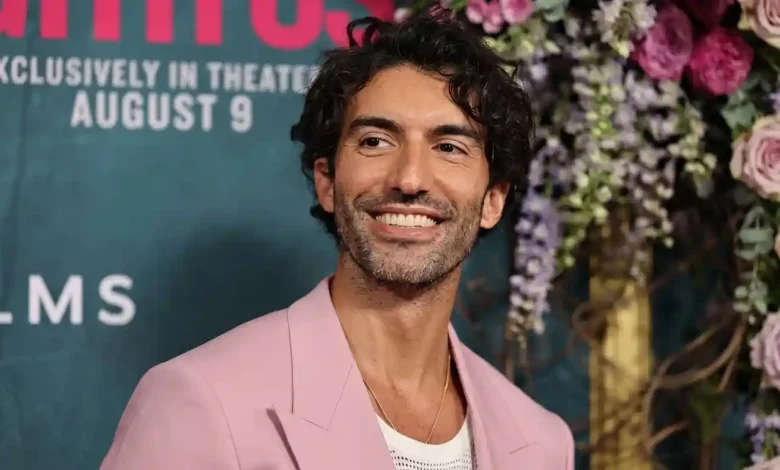
Table of Contents
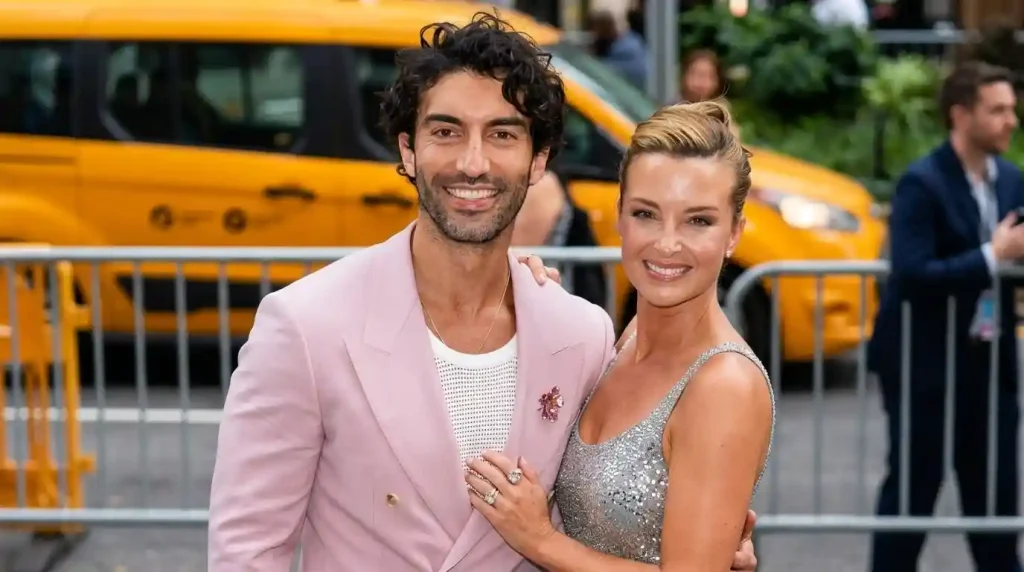
Justin Baldoni, the director and co-star of the cinematic adaptation of Colleen Hoover’s best-selling novel It Ends With Us, has officially broken his silence. Alongside his wife, Emily Baldoni, the filmmaker released a raw, deeply emotional five-minute video on Instagram addressing the traumatic and highly publicized 18-month legal battle that pitted him against Hollywood A-lister Blake Lively. This public message serves as the first direct communication from the Baldonis since the legal warfare concluded with a confidential settlement.
During the video, Baldoni expressed profound relief and reflection after a long period of forced public silence, acknowledging the immense toll the allegations took on his career, his production company Wayfarer Studios, and his family. “Gratitude has saved us,” Baldoni shared, sitting beside his wife. The statement marks the end of a tumultuous saga that began in late 2024, when Lively accused him of sexual harassment, hostile workplace conduct, and orchestrating a systemic smear campaign against her.
Introduction: Justin Baldoni Breaks His Silence
The controversy surrounding the production of It Ends With Us has been one of the most thoroughly analyzed entertainment crises of recent years. What began as internet whispers of a cast rift during the film’s promotional press tour in August 2024 quickly devolved into a bitter legal battle. The confrontation featured dueling civil complaints, defamation allegations, and massive claims of reputational damage.
While Baldoni chose to let the legal system run its course without participating in the ongoing media circus, Blake Lively leveraged major legal avenues to press her claims. However, the case took a decisive turn when a federal judge tossed out the vast majority of Lively’s allegations, setting the stage for a quiet settlement in May 2026. Now, with the dust finally settling, the Baldonis are beginning the process of public healing.
Origins of the Feud: It Ends With Us and the Set Rumors
The roots of this legal warfare trace back to the set of It Ends With Us, a film dealing with themes of domestic abuse and generational trauma. Directed by Baldoni and executive produced by Lively, the film achieved massive box office success but was instantly overshadowed by reports of extreme tension behind the scenes. During the promotional tour, fans and media outlets noticed that Baldoni and Lively did not do joint press, and Baldoni was conspicuously absent from group promotional activities.
In the court of public opinion, initial criticism was directed toward Lively. Many fans accused her of adopting a tone-deaf, lighthearted promotional strategy for a movie centered on domestic violence. She was criticized for encouraging fans to “wear their florals” to theaters, which observers argued trivialize the film’s serious narrative themes. Simultaneously, leaks began emerging from inside sources alleging that Baldoni was difficult, domineering, and made Lively feel uncomfortable on set.
Creative Differences or Hostile Work Environment?
According to Baldoni’s legal filings, the initial friction on set was primarily born of standard creative disagreements. He contended that Lively actively sought to creatively hijack the film, imposing her own edits and cut preferences over his directorial vision. To counter these claims, Lively’s camp alleged that the issues were far deeper than creative differences. She maintained that Baldoni had cultivated a hostile work environment, which culminated in her formal legal action.
The publicity was further heightened by the involvement of Lively’s inner circle, which famously includes A-list friends who frequently dominate entertainment news, such as those celebrating Taylor Swift and Travis Kelce’s relationship milestones. This massive web of high-profile relationships added immense social capital to the public narrative, placing Baldoni under a global microscope.
The Legal Battlefield: Claims, Defamation, and Countersuits
As the conflict spilled off the movie set and into courtrooms, the stakes escalated dramatically. In December 2024, Blake Lively took the first major step by filing a complaint with the California Civil Rights Department. This filing is a necessary precursor under California state law before an individual can pursue a formal civil lawsuit for workplace harassment.
Lively’s Civil Rights Complaint
Lively’s legal team alleged that Baldoni had made highly inappropriate comments regarding her postpartum body on set and made her feel unsafe during intimate scenes. She further claimed that after she voiced her complaints, Baldoni’s production entity, Wayfarer Studios, retaliated against her by stripping her of certain creative controls and minimizing her role. Lively eventually elevated her claims to a comprehensive federal lawsuit filed in the U.S. District Court for the Southern District of New York.
The Defamation Countersuits
Baldoni vehemently denied every allegation of misconduct. In response to the wave of highly damaging articles—particularly a prominent report in The New York Times that accused him of hiring a crisis PR team to launch a malicious smear campaign against Lively—Baldoni filed a massive $250 million defamation lawsuit against the newspaper. He later expanded this legal offensive, launching a $400 million defamation suit targeting Lively and her husband, Ryan Reynolds, claiming they had actively sought to destroy his professional reputation and career prospects through coordinated, untruthful public narratives.
This intense legal volley created a digital firestorm. Amid the storm of social media backlash and public narrative shaping—reminiscent of the massive digital impact discussed in how corporate entities handle social media lawsuits—the couple chose to step away from the digital noise and let the judicial process unfold behind closed doors.
Judge Liman’s Pivotal Ruling: The Independent Contractor Verdict
The turning point of the entire legal saga occurred on April 2, 2026. U.S. District Judge Lewis J. Liman issued a landmark decision that severely crippled Blake Lively’s legal campaign. In his ruling, Judge Liman threw out 10 of the 13 claims asserted in Lively’s federal lawsuit against Baldoni and Wayfarer Studios.
Crucially, the dismissed claims included all allegations of sexual harassment, hostile work environment, and civil rights violations under federal law. Judge Liman ruled that Lively could not legally pursue those claims because she did not qualify as an “employee” of the production. Instead, the court determined that Lively operated as an “independent contractor” via her executive producer role and her personal services corporation.
The Legal Precedent: Independent Contractor vs. Employee
The distinction between an employee and an independent contractor is a major battleground in employment law. Federal civil rights protections, such as Title VII of the Civil Rights Act, are explicitly designed to protect traditional employees from workplace discrimination and harassment. Because independent contractors maintain high levels of autonomy, control over their hours, and operate through corporate entities, they often fall outside the scope of these federal statutory protections.
Lively’s lead counsel, Sigrid McCawley, was vocal about this legal technicality. In a statement released shortly after the ruling, McCawley clarified: “Sexual harassment isn’t going forward not because the defendants did nothing wrong, but because the court determined Blake Lively was an independent contractor, not an employee.” Despite this framing, the ruling effectively stripped Lively’s lawsuit of its most damaging allegations, leaving only minor claims of breach of contract, retaliation, and aiding and abetting in retaliation. More details on this key legal turning point can be found in the E! News coverage of the dismissal.
The May 2026 Settlement and the $8 Million Fee Battle
With her primary harassment claims dismissed, the remaining contractual and retaliation claims were scheduled to go to a truncated trial in late May 2026. However, recognizing the high cost and public exhaustion of a federal trial, both parties came to the negotiating table. On May 4, 2026, attorneys for Baldoni and Lively announced a confidential settlement, officially ending the litigation.
The joint statement released by the legal teams expressed a mutual desire to “bring closure and allow all involved to move forward constructively and in peace, including a respectful environment online.” However, the peace was brief. In late June 2026, Lively filed a motion requesting over $8 million in legal fees from Baldoni and Wayfarer Studios. The petition argues that as the prevailing party on certain early procedural motions, she is entitled to recoup her defense costs. Baldoni and his legal team, led by Bryan Freedman, have until July 13, 2026, to challenge this multi-million-dollar demand.
Breaking the Silence: Analyzing the Baldonis’ Statement
On July 8, 2026, the silence finally broke. In their first public comments in nearly two years, Justin and Emily Baldoni sat down to deliver a highly personal address on Instagram. The couple reflected on the heavy emotional trauma they endured while watching their names dragged through the mud.
“We have not spoken publicly for the better part of the last two years, and it’s not because we haven’t had anything to say,” Baldoni began. “But it just felt like every time we went to make a video like this… something was telling us not to. It just didn’t feel like the right time.” He explained that after continuous prayer and reflection, they felt the conclusion of the legal proceedings presented the correct moment to speak directly to their supporters.
Addressing the Trauma and Moving Forward
Emily Baldoni was equally candid, highlighting the pain of seeing a dispute, which she felt was rooted in personal and creative friction, weaponized under the guise of systemic advocacy. “How could something like this even happen? Let alone disguised as a fight for women,” she said, referencing the sexual harassment allegations that were ultimately tossed out by the federal court. “There’s been a lot of trauma for us to move through as a family, which also makes it hard to speak.”
While other public figures in the media spotlight, such as lifestyle influencer Nara Smith (who recently made headlines with her daughter Whimsy Lou’s name reveal), rely heavily on highly manicured aesthetic presentation, the Baldonis opted for a stark, unedited, raw framing for their message. They emphasized that they chose the justice system over the court of public opinion, believing that the truth would eventually emerge through factual discovery rather than media leaks.
Broader Implications for Hollywood and Independent Contracts
The resolution of the Baldoni-Lively conflict carries massive implications for the future of Hollywood production agreements. By establishing that a high-profile actor-producer operating as an independent contractor cannot seek recourse for sexual harassment under federal civil rights laws, the court has highlighted a significant legal gap.
Industry experts predict this ruling will lead to a complete overhaul of how talent agreements are structured. Moving forward, talent unions like SAG-AFTRA and major production companies may demand specific contractual clauses that mimic federal civil rights protections, ensuring that independent contractors have access to the same workplace safety and anti-harassment remedies as traditional employees.
Comprehensive Timeline of the Baldoni-Lively Legal Saga
To understand the sheer scale of this dispute, it is helpful to look at the chronological sequence of events that defined the conflict from the movie set to the federal courts:
| Date Range / Key Milestone | Event Description | Key Outcomes & Legal Actions |
|---|---|---|
| August 2024 | It Ends With Us theatrical release and promotional tour. | Rumors of a severe rift emerge; Baldoni and Lively conduct separate press events. |
| December 2024 | Lively files formal civil rights complaint. | A filing is made with the California Civil Rights Department alleging a hostile workplace. |
| Mid-2025 | Dueling lawsuits are filed in federal court. | Lively sues Baldoni; Baldoni counters with a defamation suit against Lively and Ryan Reynolds. |
| April 2, 2026 | Judge Lewis J. Liman issues crucial dismissal order. | Ten out of thirteen of Lively’s claims, including sexual harassment, are thrown out due to her independent contractor status. |
| May 4, 2026 | Confidential settlement reached. | The remaining contract and retaliation claims are resolved, avoiding a federal trial. |
| June 2026 | Lively petitions for legal fees. | Lively’s legal team demands $8 million in attorney fees from Baldoni and Wayfarer Studios. |
| July 8, 2026 | Justin and Emily Baldoni break their silence. | The couple posts a five-minute video on Instagram detailing their traumatic experience and recovery. |
Ultimately, the Baldoni-Lively battle serves as a stark reminder of how thin the line is between creative collaboration and legal warfare in modern Hollywood. As Justin Baldoni and his family begin their recovery process, the industry as a whole is left to wrestle with the major legal, ethical, and contractual questions exposed by this high-profile conflict.