Paige Shiver Sues University of Michigan Over Public Records: 5 Key Facts
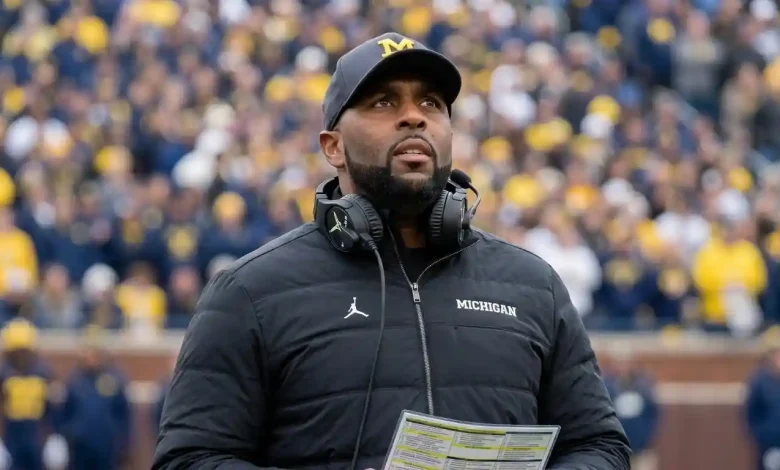
Table of Contents
Paige Shiver, the former executive assistant at the center of the scandal that ended Sherrone Moore’s tenure as the University of Michigan’s head football coach, has officially transitioned her fight from the athletic corridors to the court of law. On Wednesday, Shiver and her legal team filed a major lawsuit in the Washtenaw County Circuit Court, alleging that the university “arbitrarily and capriciously” violated the Michigan Freedom of Information Act (FOIA). This legal filing represents a major escalation in a saga that has gripped collegiate sports, raising profound questions about public transparency, Title IX compliance, and the lengths to which elite academic institutions will go to shield internal investigations from public scrutiny.
The legal complaint, which seeks both the immediate release of extensive internal records and punitive damages, marks the latest development in the fallout of Sherrone Moore’s firing in December 2025. According to Shiver’s attorney, Andrew M. Stroth, filing this lawsuit was a necessary step “to ensure the truth and facts come out”. Despite the school spending roughly $12 million on outside counsel to investigate the internal culture and the coach’s behavior, the University of Michigan has repeatedly stonewalled public records requests, citing ongoing investigations and privacy exemptions. University spokesman Paul Corliss declined to comment on the pending litigation, a typical stance for an administration facing compounding legal scrutiny.
Paige Shiver and the FOIA Lawsuit: An Overview
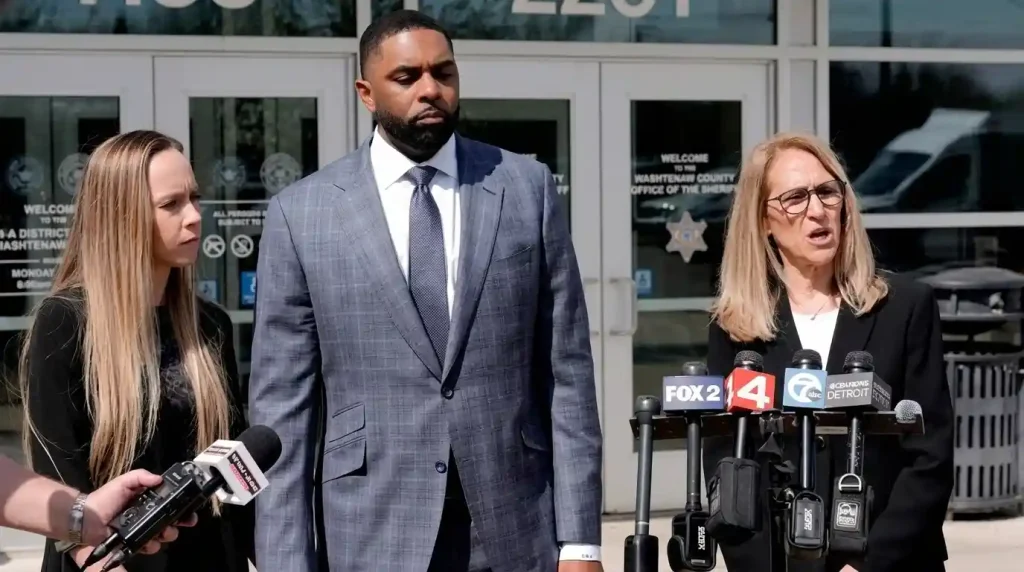
The lawsuit filed by Paige Shiver is not merely a request for standard administrative documents; it is a direct challenge to what her legal team describes as a deliberate “paper wall” erected by the University of Michigan. Shiver, who worked in the university’s football department from October 2021 through December 2025, alleges she was subjected to a hostile work environment, sex discrimination, and severe retaliation. The FOIA lawsuit aims to unearth the internal documents that her attorneys believe will prove the university administration knew about her ongoing relationship with Moore and failed to act, choosing instead to protect the football program’s brand.
The litigation comes in the wake of public interest and media reports, including detailed coverage reported by Local 4 News. Shiver’s legal battle seeks to hold the university’s Board of Regents, President Santa Ono, and athletic administration accountable for what she characterizes as systemic institutional failures. By filing in Washtenaw County, the case lands directly in the home jurisdiction of the university, ensuring that the legal proceedings remain highly visible to the local community and the national sports landscape.
The Rise and Fall of Sherrone Moore
To understand the depth of the current legal battle, it is necessary to examine the rapid ascent and sudden collapse of Sherrone Moore’s coaching career. Moore was elevated to the position of head coach of the Wolverines following Jim Harbaugh’s highly publicized move to the NFL’s Los Angeles Chargers. Harbaugh’s departure left massive shoes to fill, and Moore, who had served as the team’s offensive coordinator, was seen as the natural successor to maintain the program’s championship-caliber momentum. Shiver, who had started as an intern, was subsequently promoted to serve as Moore’s executive assistant.
However, Moore’s tenure lasted only two seasons before it was completely derailed by allegations of misconduct and policy violations. In December 2025, the university terminated Moore for cause after an internal investigation confirmed that he had engaged in an inappropriate, years-long relationship with Shiver, directly violating his contract and the university’s strict employment policies. The firing sent shockwaves through the college football community, exposing a massive rift between the athletic department’s public-facing success and its internal operations.
From Consensual Affair to Allegations of Manipulation
According to court documents and public statements, the relationship between Paige Shiver and Sherrone Moore began in January 2022. At the time, Shiver was a football program intern and Moore was a rising star on the coaching staff. While both parties originally described the initial phase of the relationship as consensual, Shiver later characterized the dynamic as highly manipulative and coercive. She described feeling trapped in a situation where Moore controlled both her emotional well-being and her career progression within the athletic department.
Shiver has publicly stated that their relationship was an “open secret” among university officials and athletic staff, yet no administrative measures were taken to address the conflict of interest or protect her from potential abuse of power. The relationship reportedly continued after Moore was named head coach, with Shiver occupying a highly visible role as his executive assistant. Shiver eventually sought to end the affair and reported the situation to university officials, which ultimately catalyzed the internal investigation that led to Moore’s termination.
The Fateful Day of December 2025: Firing, Confrontation, and Arrest
The situation reached a dramatic and dangerous climax on the day Sherrone Moore was fired. Hours after being stripped of his head coaching duties, Moore reportedly went to Shiver’s apartment. Authorities state that Moore confronted Shiver, aggressively blaming her for the loss of his career and threatening to harm himself in her presence. The frightening confrontation resulted in immediate police intervention, and Moore was arrested on site.
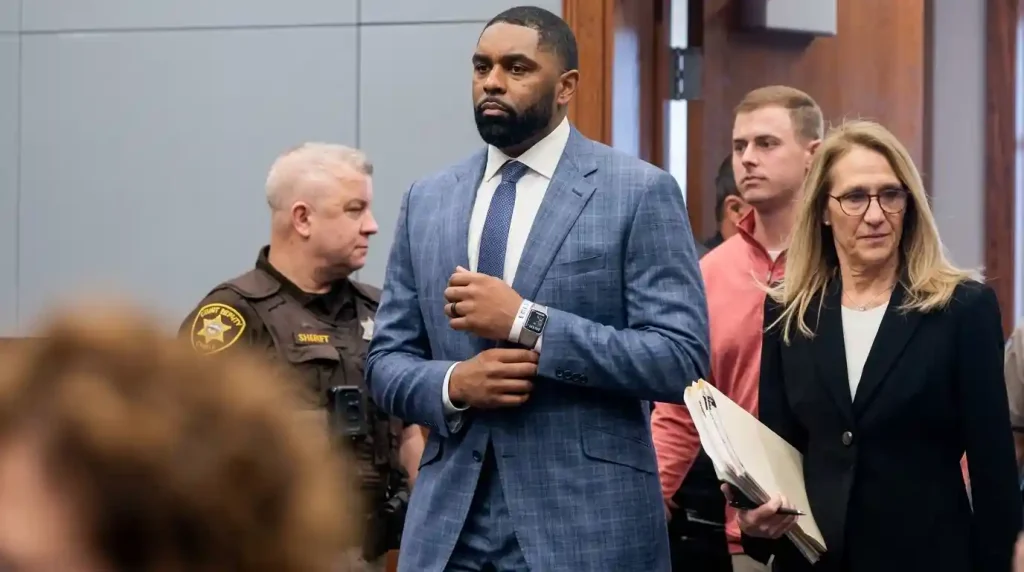
Moore was initially charged with serious offenses, including third-degree felony home invasion, misdemeanor stalking, and breaking and entering. In April 2026, Moore reached a plea agreement in which he pleaded no contest to reduced charges of trespassing and malicious use of a telecom device. A judge placed him on probation for 18 months and strictly ordered him to avoid any contact with Shiver. Shiver chose not to attend the sentencing hearing, releasing a statement through her attorneys that the sentence did not fully reflect the profound psychological and professional harm she had suffered.
The FOIA Battle: Why Shiver’s Legal Team Is Suing
Following Moore’s criminal sentencing, Paige Shiver’s legal team turned its focus toward institutional transparency. Between February and June 2026, attorney Julie Murphy submitted several formal requests under the Michigan Freedom of Information Act. These requests sought access to the complete investigative files compiled by the university, as well as specific communications that occurred during and after the investigation.
The university denied every single request, invoking various exemptions and claiming that some requests were overly broad, vague, or involved exempt personal information. Shiver’s attorneys contend that these blanket denials are unlawful under Michigan’s public records statutes, which heavily favor public disclosure unless a narrow, specific exemption applies. The lawsuit asserts that because the criminal proceedings against Moore have concluded, the university’s reliance on an “ongoing investigation” exemption is entirely without merit.
The specific keywords requested in Moore’s email correspondence—including “affair,” “discipline,” “pregnancy,” “baby,” and “abortion”—highlight the deeply sensitive nature of the records. Shiver previously disclosed that she had terminated a pregnancy resulting from the affair due to severe medical complications, and her legal team believes the requested emails will prove that university administrators were actively discussing these medical crises while neglecting their duty of care.
The $12 Million Jenner & Block Investigation: Taxpayer Dollars and Secrecy
Central to the lawsuit’s arguments is the university’s use of Jenner & Block, a prominent national law firm hired to conduct the internal investigation. Shiver’s legal team revealed that the public university paid Jenner & Block approximately $12 million to investigate the culture of the athletic department, Title IX issues, and the Moore scandal. Despite the massive expenditure of public funds, the university has refused to release the firm’s findings, recordings, or transcripts.
“This public university paid Jenner & Block $12 million to investigate… yet now refuses to release the investigation’s findings,” attorney Andrew M. Stroth stated. The university has argued that records held by an outside law firm are not subject to public FOIA requests. Shiver’s lawsuit directly challenges this defense, arguing that because the firm was acting as an agent of the public institution, any records generated during the probe are public property and must be disclosed under the law.
Accusations of Sex Discrimination under Title VII and Michigan Law
While the primary mechanism of the lawsuit is the Freedom of Information Act, the complaint contains severe allegations of sex discrimination and workplace hostility. Shiver alleges that during her four years of employment at the University of Michigan, she was subjected to a persistent hostile work environment. Her attorneys argue that this conduct violated Title VII of the Civil Rights Act of 1964 as well as Michigan’s Elliott-Larsen Civil Rights Act.
The lawsuit details how the athletic department’s leadership allegedly turned a blind eye to the power imbalance between a head football coach and an executive assistant. Stroth argued that the requested documents are vital because they will demonstrate that the university “had knowledge of this pattern and practice of abuse against Ms. Shiver and others,” indicating a systemic failure to protect female staff members from exploitation.
The Potential HIPAA Violation: Who Accessed Shiver’s Medical Records?
In addition to the employment and transparency claims, the lawsuit introduces a highly alarming accusation: that unnamed University of Michigan employees illegally accessed Shiver’s private medical records. This potential violation of the Health Insurance Portability and Accountability Act (HIPAA) suggests that university staff may have actively pried into Shiver’s medical history—specifically regarding her pregnancy and abortion—in an attempt to manage the public relations fallout.
If proven true, the illegal accessing of medical records by university employees could expose the institution to severe federal sanctions, massive fines, and additional civil litigation. Shiver’s legal team is seeking specific IT access logs and communications to identify which individuals accessed her personal health information without authorization, arguing that this intrusion was part of an coordinated effort to discredit and intimidate her.
Key Timeline and Facts of the Scandal
The timeline below highlights the critical milestones in the relationship, the investigation, the criminal trial, and the subsequent public records lawsuit:
| Event Category | Date / Period | Case Significance & Key Details |
|---|---|---|
| Initial Employment | October 2021 | Paige Shiver joins the Michigan Wolverines football department as an intern. |
| Affair Commences | January 2022 | Shiver and then-offensive coordinator Sherrone Moore begin a relationship. |
| Promotion | Early 2024 | Moore is promoted to head coach; Shiver becomes his executive assistant. |
| Termination for Cause | December 2025 | Michigan fires Moore following a probe into their inappropriate relationship. |
| Arrest of Moore | December 2025 | Moore is arrested at Shiver’s apartment on stalking and home invasion charges. |
| Criminal Sentencing | April 2026 | Moore pleads no contest to reduced charges; receives 18 months probation. |
| FOIA Denials | Feb – Jun 2026 | University of Michigan repeatedly denies public records requests made by Shiver’s team. |
| Lawsuit Filing | July 8, 2026 | Shiver files a FOIA lawsuit in Washtenaw County seeking records and damages. |
Systemic Issues in College Athletics: Governance and Power Dynamics
The legal conflict between Paige Shiver and the University of Michigan highlights a recurring problem in collegiate athletic governance. Elite sports programs often generate hundreds of millions of dollars in revenue, creating an environment where athletic success can overshadow basic compliance, employment ethics, and Title IX protections. When scandals occur, institutions frequently prioritize damage control and brand protection over transparency and victim support.
This case shares striking similarities with other high-profile investigation controversies where administrative secrecy was used to shield powerful figures. The intersection of athletic department autonomy, massive legal expenditures, and public records laws is a battleground that state lawmakers are watching closely. In a state where Michigan’s political and legal environment is highly sensitive to institutional transparency, the public and judicial reaction to the university’s defense will likely have lasting repercussions on public education governance.
The Legal Path Forward in Washtenaw County: What Happens Next?
As the lawsuit moves forward in the Washtenaw County Circuit Court, the legal team representing Paige Shiver is preparing for a protracted courtroom battle. The immediate legal objective is to secure an order compelling the University of Michigan to submit the disputed records for an *in camera* review, allowing a judge to evaluate the validity of the university’s exemption claims in private.
If the court determines that the university acted “arbitrarily and capriciously” in withholding these documents, the court could order the immediate release of the investigative files, recordings, and emails. Such a ruling would provide unprecedented insight into the inner workings of the Michigan athletic department and could trigger further administrative fallout. Those tracking political and institutional fallout previews view this case as a landmark trial that could redefine the boundaries of public records access and institutional accountability in collegiate sports.