Grand Canyon hiker deaths: 3 tourists die in extreme heat
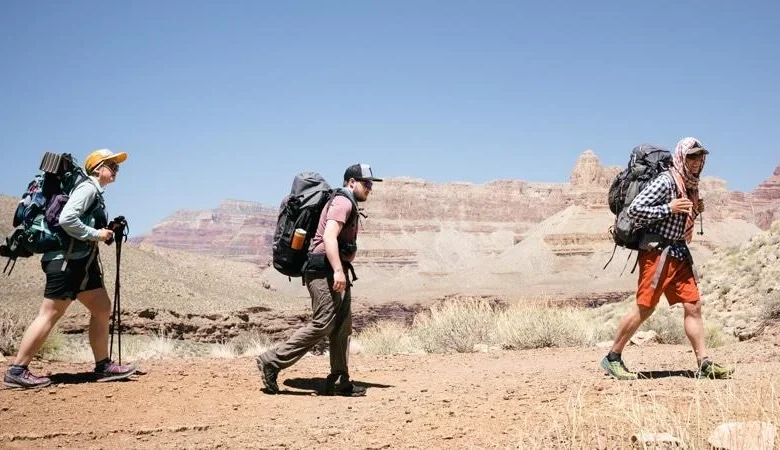
Table of Contents
Grand Canyon hiker deaths have reached a critical level this month as national park officials confirm three fatalities on the inner canyon trails during two separate, highly tragic incidents. The sudden surge in fatal thermal exposure has cast a somber shadow over the peak summer tourist season in Northern Arizona. As temperatures in the lower elevations of the canyon consistently breach historical averages, emergency response units and wilderness rangers are facing an unprecedented battle against environmental hazards. This deep-dive investigative report details the specifics of the events that transpired, the extreme environmental conditions that caused them, and the physiological realities that make hiking below the canyon rim an exceptionally dangerous endeavor during summer midday hours.
Anatomy of the Tragic June 2026 Incidents
According to official news releases disseminated by the National Park Service (NPS) on Friday, June 19, 2026, the three deaths occurred within a short four-day span along two of the park’s primary corridor trails: the South Kaibab Trail and the North Kaibab Trail. Park rangers and emergency rescue teams rushed to separate medical crises on June 12 and June 16, employing both rapid ground-based responses and specialized aerial rescue support. Despite these comprehensive measures, all three hikers were found deceased at the scene, underlining the rapid progression and lethal nature of severe hyperthermia and heat-related exhaustion. The bodies were subsequently transported to the Coconino County Medical Examiner’s Office in Flagstaff, Arizona, where forensic pathology investigations are currently underway to determine the exact physiological causes of death.
June 12: Fatality on the South Kaibab Trail
The first incident occurred on Friday, June 12, when a 72-year-old male was hiking along the highly popular yet relentlessly steep South Kaibab Trail. Known for its expansive, panoramic vistas of the canyon’s inner gorge, the South Kaibab Trail is characterized by its dramatic exposure, near-total lack of shade, and absence of reliable water sources. As the midday sun began to beat down upon the exposed ridge lines, the hiker began displaying acute symptoms of severe heat-related illness. Bystanders and emergency dispatchers attempted to coordinate aid, but the rapid progression of the hyperthermic state left the individual unresponsive before medical personnel could complete an evacuation. The South Kaibab Trail’s sheer gradients make ascent exceptionally taxing, and thermal load is significantly multiplied by radiant energy bouncing off the red Supai sandstone cliffs.
June 16: Double Tragedy on the North Kaibab Trail
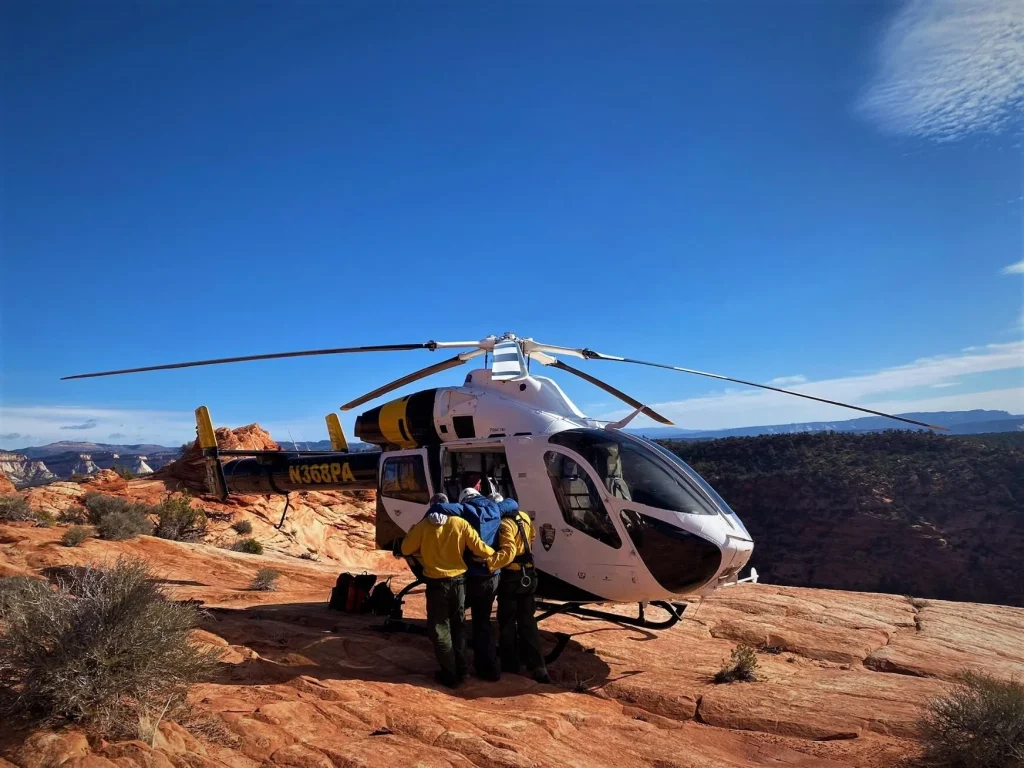
Four days later, on Tuesday, June 16, a second and even more complex tragedy unfolded on the North Kaibab Trail, situated on the more remote and rugged North Rim of the canyon. A 67-year-old male and a 68-year-old female appeared to have succumbed to extreme thermal stress while navigating the lower, isolated sections of this trail. The North Kaibab Trail is the least visited and arguably the most physically demanding of the three maintained corridor trails in the park. It descends through deep, narrow canyon walls that act as natural heat-trapping flues, driving temperatures up significantly higher than those experienced on the rim. When emergency crews arrived, utilizing helicopter support to reach the isolated location, both individuals were already deceased. This tragic incident mirrors other high-risk wilderness expeditions where participants underestimate structural and environmental barriers, similar to the tragic circumstances detailed in the passenger death during a luxury travel expedition, reminding us that recreational journeys can turn catastrophic if safety margins are exceeded.
Environmental Factors: The Extreme Inner Canyon Heat Dome
The microclimates of Grand Canyon National Park present a unique meteorological hazard known to scientists and park rangers as the ‘inverted mountain’ effect. When visitors stand at the South Rim (approximately 7,000 feet above sea level) or the North Rim (over 8,000 feet above sea level), they are greeted by relatively cool, temperate pine forests. However, as a hiker descends into the canyon’s inner depths, the altitude decreases by thousands of feet. This drop in elevation triggers adiabatic heating: as air sinks into the canyon, it is compressed by the increasing weight of the atmosphere above it, warming by approximately 5.5 degrees Fahrenheit for every 1,000 feet of descent.
During the midday hours in mid-June, temperatures inside the inner canyon can exceed 109 degrees Fahrenheit in the shade. In areas with direct sunlight and radiant rock surfaces—such as the black schist rock found near the Colorado River—ambient temperatures can easily soar past 120 degrees Fahrenheit. On June 16, the National Weather Service had issued an extreme heat warning for lower elevations of the canyon below 4,000 feet, specifically targeting the Phantom Ranch and Bright Angel regions. At these extreme thresholds, the human body’s natural cooling mechanism—sweating—becomes vastly less effective, especially if a hiker is not consuming adequate water and electrolytes.
Comparative Analysis of Canyon Trails and Risk Levels
Understanding the differences between the major trails within the Grand Canyon is essential for grasping the operational challenges faced by the National Park Service. Below is a comprehensive data matrix mapping the primary trails, typical summer heat profiles, and structural hazards associated with each path:
| Trail / Region | Elevation Change (From Rim) | Peak Summer Temperature (Shade) | Water Access Points | Primary Hazards & Profile |
|---|---|---|---|---|
| South Kaibab Trail | 4,780 feet descent / ascent | 104°F to 109°F | None (zero water along trail) | Extremely steep, highly exposed ridge lines, lack of shade |
| North Kaibab Trail | 5,761 feet descent / ascent | 105°F to 110°F | Seasonal (long dry sections) | Very remote, massive distance, radiant heat traps in box canyons |
| Bright Angel Trail | 4,380 feet descent / ascent | 102°F to 108°F | Seasonal water stations | Deceptive shade, overcrowding, steep final switchbacks |
| Phantom Ranch (Canyon Floor) | N/A (Canyon Bottom) | 109°F to 115°F | Potable water available | Extreme thermal mass, radiant heat from surrounding black rocks |
Physiological Effects of Extreme Heat on the Human Body
The human body is an incredibly complex thermoregulatory system, but it has strict physiological limits. When exposed to temperatures exceeding 100 degrees Fahrenheit, especially while performing intense physical labor such as hiking uphill carrying a pack, the body relies heavily on vasodilation and evaporation to dump excess heat. Vasodilation pushes blood to the skin’s surface, while the sweat glands produce moisture which cooling wind evaporates. However, in the dry, stagnant air of the inner canyon, sweat evaporates so rapidly that hikers often do not realize how much fluid they are losing.
As dehydration sets in, blood volume decreases, forcing the heart to beat faster to maintain blood pressure and continue cooling the skin. This leads directly to heat exhaustion, characterized by dizziness, nausea, headache, and profound muscle weakness. If the thermal load is not immediately reduced, the condition escalates to heat stroke. At this stage, the body’s core temperature rises above 104 degrees Fahrenheit, causing proteins within cells to denature, leading to cellular death, mental confusion, organ failure, and eventually cardiac arrest. Compounding this is the ‘hydration trap’ of hyponatremia: hikers who drink excessive amounts of plain water without replacing vital salts dilute their blood sodium levels, causing dangerous brain swelling and sudden collapse.
Search and Rescue Challenges in Deep Canyon Operations
The Grand Canyon’s geography presents an extraordinary obstacle course for search and rescue (SAR) operators. When a medical emergency is reported below the rim, dispatching ground crews is a slow process; rangers must hike down thousands of feet carrying heavy medical gear, which can take hours. Consequently, the park relies heavily on aerial support via specialized helicopters. However, extreme heat introduces a dangerous aerodynamic phenomenon known as high density altitude.
As air temperatures rise, air molecules expand and drift apart, making the air much thinner. This thin air dramatically reduces helicopter rotor efficiency, engine output, and overall lift capacity. In temperatures exceeding 105 degrees Fahrenheit, helicopters are severely limited in their weight capacity and maneuverability, making deep canyon hover-rescues exceptionally dangerous for pilot and crew. These delays, caused entirely by the physics of extreme heat, mean that when a hiker collapses in the inner gorge, the window of survival is drastically narrow, often closing before medical technicians can physically reach the patient.
Systemic Public Health Tracking and Environmental Data Gaps
The recurring frequency of heat-related wilderness fatalities points to a broader, systemic issue in how environmental illnesses and public safety risks are quantified and monitored. Medical examiners and public health agencies rely on standardized protocols to classify heat deaths, yet there remains a lack of real-time regional data integration. This challenge mirrors international issues regarding health metrics, such as those highlighted as the US navigates global health information gaps, demonstrating how fragmented tracking of environmental exposures and medical outcomes can hinder preemptive warning systems. Without unified tracking of hyperthemia incidents, localized health boards struggle to allocate emergency assets before major regional heat waves strike.
Broader Safety Context Across America’s National Parks
While the arid Southwest poses a distinct thermal threat to tourists, the broader context of national park safety covers a diverse array of physical dangers. Across the United States, visitors often struggle to comprehend the sheer scale and untamed nature of public lands. While extreme heat is the silent, pervasive killer in Arizona, northern parks present equally acute but dramatically different hazards. For example, the devastating impact of wildlife encounters, such as the historic fatal bear attack in Glacier National Park, highlights the constant need for deep environmental awareness and strict adherence to safety protocols, regardless of whether the primary threat is biological or meteorological.
Critical Safety Guidelines: Surviving the Rim-to-Rim and Deep Hikes
In response to these latest fatalities, the National Park Service has issued a stern, unequivocal directive to all park visitors: limit strenuous hiking below the canyon rims between the peak heating hours of 10 a.m. and 4 p.m.. Rangers emphasize that there is no shade or rescue guarantee when temperatures peak in the inner canyon. To help hikers prepare, safety experts recommend reviewing the official National Park Service Hiking Safety guidelines, which outline critical survival strategies.
Key safety protocols include consuming a 1:1 ratio of water and electrolyte-replacing sports drinks, wetting down shirts and hats at corridor creek crossings to utilize evaporative cooling, and recognizing that hiking down into the canyon is optional, but hiking back out is mandatory. Ultimately, the tragic loss of three hikers on the South and North Kaibab Trails serves as a stark, powerful reminder that nature dictates the rules of engagement, and preparation is the only true defense against the elements.