BEIRUT Under Fire: Escalation as Israeli Airstrikes Hit Lebanon
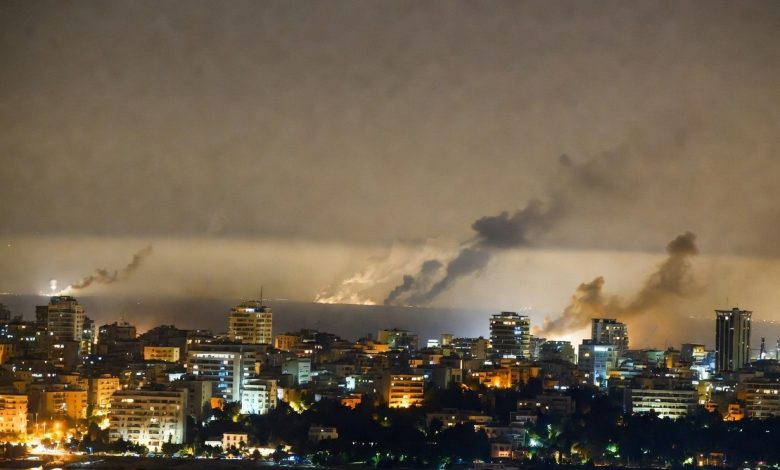
BEIRUT is once again at the center of escalating tensions as recent Israeli airstrikes on southern Lebanon have resulted in multiple casualties, prompting retaliatory measures from Hezbollah. The exchange of fire underscores the fragility of the ceasefire established on April 17 and highlights the deep-seated complexities of the ongoing conflict between Israel and Lebanon. This article delves into the details of the recent events, examining the impact of the airstrikes, Hezbollah’s response, the broader regional implications, and the potential trajectory of the conflict.
Introduction
The situation in and around BEIRUT remains volatile following a series of escalations between Israel and Hezbollah. The latest incidents involve Israeli airstrikes targeting southern Lebanon, resulting in civilian casualties, and retaliatory rocket fire from Hezbollah aimed at northern Israel. These events are not isolated but rather part of a longer pattern of conflict and tension that has characterized the region for decades. Understanding the historical context and the current dynamics is crucial to grasping the significance of these recent events. The persistent violations of the ceasefire agreement signal a potential for further escalation and broader regional instability.
Israeli Airstrikes in Southern Lebanon
On Friday, Israeli forces conducted a series of airstrikes targeting locations in southern Lebanon. According to reports, one of the strikes hit the village of Toura, near the port city of Tyre, resulting in the death of four people and injuries to eight others. Another airstrike was reported near the southeastern village of Kfar Chouba, where a paramedic with the Lebanese Civil Defense was killed while on duty. The Israeli military has stated that these strikes are aimed at Hezbollah targets and infrastructure, but the resulting civilian casualties raise serious concerns about the proportionality and legality of these actions under international law. The use of air power in densely populated areas inevitably increases the risk of collateral damage and civilian harm. The specific targets and the intelligence behind these strikes remain a point of contention, with Hezbollah claiming that the attacks are indiscriminate and aimed at terrorizing the civilian population.
Hezbollah’s Response: Rocket Fire on Northern Israel
In response to the Israeli airstrikes, Hezbollah launched a barrage of rockets towards northern Israel. The Israeli military reported that one of the rockets was intercepted by its air defense systems, while the remainder landed in open areas, causing no casualties. While the rocket fire did not result in any reported injuries or deaths, it serves as a clear signal of Hezbollah’s intent to retaliate for any perceived aggression against Lebanon. This tit-for-tat exchange of fire is a familiar pattern in the ongoing conflict, with each side seeking to deter the other from further escalation. However, the risk remains that a miscalculation or an unintended consequence could lead to a more significant and widespread conflict. The precision and capabilities of Hezbollah’s rocket arsenal are also a matter of concern for Israeli security officials, who closely monitor the group’s military capabilities.
Casualties and Impact
The recent exchanges of fire have resulted in casualties on both sides, although the majority of the reported deaths and injuries have been in Lebanon. The Lebanese Health Ministry reported that at least four people were killed and eight others wounded in the airstrike on Toura, while a paramedic was killed in a separate strike near Kfar Chouba. These casualties underscore the human cost of the ongoing conflict and highlight the vulnerability of civilian populations in the region. The loss of life and the injuries sustained have a profound impact on the affected communities, exacerbating existing social and economic challenges. Furthermore, the destruction of infrastructure and property further compounds the difficulties faced by the residents of southern Lebanon, many of whom have already endured years of conflict and displacement.
Evacuation Warnings Issued
Prior to the airstrikes, the Israeli army’s Arabic-language spokesperson issued an evacuation warning to the residents of six villages in the Tyre province, including Toura. This warning was intended to minimize civilian casualties by giving residents an opportunity to leave the area before the strikes commenced. However, the effectiveness of such warnings is often limited, as many residents may be unable or unwilling to evacuate their homes, either due to lack of resources, fear of looting, or a sense of attachment to their land. Moreover, the timing and clarity of the warnings can also be a factor, as some residents may not receive the message in time to take appropriate action. The issuance of evacuation warnings also raises questions about the legality and morality of targeting areas where civilians are known to be present, even if a warning has been given. The adequacy of the warnings and the measures taken to protect civilians remain a subject of debate and scrutiny.
Ceasefire Violations and Recent Escalations
A ceasefire has been in place between Israel and Hezbollah since April 17, but the recent exchanges of fire represent a significant violation of this agreement. The ceasefire was intended to halt the cycle of violence and create an opportunity for diplomatic efforts to address the underlying issues driving the conflict. However, both sides have accused each other of repeatedly violating the terms of the agreement, leading to a gradual erosion of trust and an increase in tensions. The Israeli airstrike on BEIRUT’s southern suburbs on Wednesday, prior to the most recent events, further exacerbated the situation, raising concerns about a return to full-scale conflict. Hezbollah’s influence in Lebanon and the ongoing disputes over territory and resources continue to fuel the tensions.
Targeted Killing of Hezbollah Commander
Adding to the already heightened tensions, the Israeli military announced on Thursday that it had killed Ahmed Balout, identified as a commander in Hezbollah’s elite Radwan Force, along with two other militants. This targeted killing represents a significant escalation in the conflict, as it directly targets a key figure in Hezbollah’s military structure. There was no immediate comment from Hezbollah regarding the death of Balout, but the group is likely to retaliate for his killing, potentially leading to further escalation. The Radwan Force is a highly trained and specialized unit within Hezbollah, responsible for conducting cross-border operations and potentially infiltrating Israeli territory in the event of a larger conflict. The killing of its commander is therefore a significant blow to Hezbollah’s operational capabilities and a clear message from Israel about its willingness to target key figures in the organization. The strategy employed by both sides illustrates the intricate and often dangerous dance of deterrence and retaliation.
Regional Implications and Geopolitical Context
The ongoing conflict between Israel and Hezbollah has significant regional implications, as it is intertwined with broader geopolitical dynamics. Hezbollah is a key ally of Iran, and the conflict is often seen as a proxy war between Iran and Israel. The tensions in the Strait of Hormuz and the economic pressures on Lebanon add layers of complexity to the situation. The conflict also has implications for the stability of Lebanon, which is already grappling with a severe economic crisis and political instability. A full-scale war between Israel and Hezbollah could have devastating consequences for Lebanon, further exacerbating its existing challenges. The involvement of external actors, such as Iran and the United States, further complicates the situation, as they often have competing interests and agendas.
Analysis of the Current Situation
The current situation between Israel and Hezbollah is characterized by a dangerous cycle of escalation and retaliation. Both sides appear to be operating under a strategy of deterrence, seeking to prevent the other from taking actions that would be deemed unacceptable. However, this strategy carries significant risks, as a miscalculation or an unintended consequence could quickly lead to a broader conflict. The targeted killing of the Hezbollah commander represents a particularly dangerous escalation, as it is likely to provoke a strong response from the group. The fragile ceasefire agreement is under severe strain, and the prospect of a return to full-scale war is a real possibility. The underlying issues driving the conflict, such as the disputed territory and the presence of Hezbollah’s military infrastructure in southern Lebanon, remain unresolved, making a lasting peace agreement elusive.
International Response and Concerns
The international community has expressed concern over the escalating violence between Israel and Hezbollah, calling on both sides to exercise restraint and de-escalate tensions. The United Nations has urged both sides to respect the ceasefire agreement and to refrain from any actions that could further destabilize the region. Several countries have also issued statements condemning the violence and calling for a peaceful resolution to the conflict. However, the international community’s ability to influence the situation is limited, as both sides appear to be determined to pursue their own objectives, regardless of external pressure. The lack of a unified international approach to the conflict further weakens the prospects for a lasting peace agreement. The global health information gaps highlight the broader challenges in international cooperation during crises.
Future Trajectory of the Conflict
The future trajectory of the conflict between Israel and Hezbollah is uncertain, but several possible scenarios could play out. One scenario is a continuation of the current cycle of escalation and retaliation, with periodic flare-ups of violence interspersed with periods of relative calm. This scenario would likely result in continued casualties and instability, but would not necessarily lead to a full-scale war. Another scenario is a gradual escalation of the conflict, with both sides increasing the intensity and scope of their attacks, potentially leading to a broader regional conflict. A third scenario is a renewed diplomatic effort to address the underlying issues driving the conflict, potentially leading to a lasting peace agreement. However, the prospects for such an agreement are currently limited, given the deep-seated distrust and animosity between the two sides. The political landscape and the involvement of external actors will also play a significant role in shaping the future of the conflict.
Conclusion
The recent escalation of violence between Israel and Hezbollah underscores the fragility of the ceasefire and the ongoing tensions in the region. The Israeli airstrikes on southern Lebanon and Hezbollah’s retaliatory rocket fire highlight the risks of a broader conflict and the urgent need for de-escalation. The international community must intensify its efforts to promote a peaceful resolution to the conflict and address the underlying issues driving the violence. The human cost of the conflict is undeniable, and the long-term stability of the region depends on finding a way to break the cycle of escalation and retaliation. The situation in and around BEIRUT remains a critical flashpoint, with implications far beyond the immediate region.
| Event | Date | Location | Impact |
|---|---|---|---|
| Israeli Airstrikes | May 9, 2026 | Southern Lebanon (Toura, Kfar Chouba) | 5 Deaths, 8 Wounded |
| Hezbollah Rocket Fire | May 9, 2026 | Northern Israel | No Casualties |
| Evacuation Warnings | May 9, 2026 | 6 Villages in Tyre Province | Variable Effectiveness |
| Killing of Hezbollah Commander | May 8, 2026 | Unknown | Escalation of Tensions |
| Israeli Airstrike | May 7, 2026 | BEIRUT Southern Suburbs | Increased Tensions |