All-Star Game Shutout: Dylan Cease and AL Pitchers Dominate NL 4-0
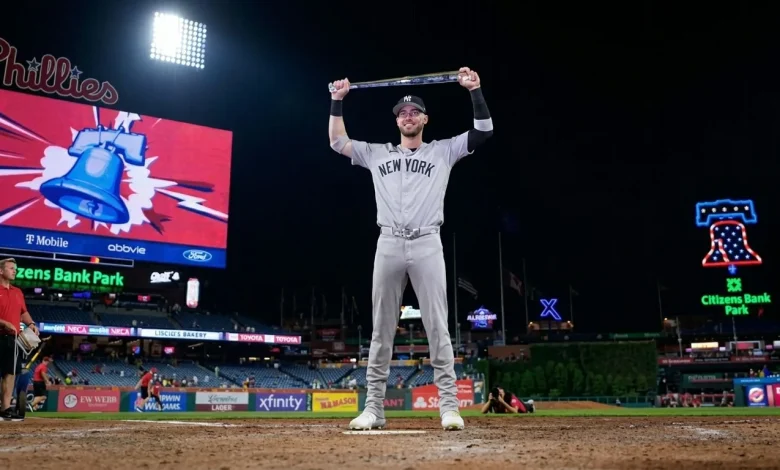
Table of Contents
All-Star Game history was rewritten in spectacular fashion at Citizens Bank Park in Philadelphia as the American League delivered a defensive and pitching masterpiece, shutting out the National League 4-0. Amid the backdrop of intense summer heat conditions that have swept across the nation, fans witnessed an extraordinary display of tactical pitching coordination. San Diego Padres ace Dylan Cease set an early, untouchable tone in the opening frame, striking out the side with pinpoint accuracy and devastating velocity. This initial statement of dominance was merely the opening act of an unprecedented defensive symphony, as American League manager Bruce Bochy orchestrated a masterful parade of ten subsequent relievers. Together, they combined to hold a formidable National League lineup to a meager three hits, locking down a pitching exhibition that will be studied for years to come. The Midsummer Classic has long been a showcase for explosive offenses, but this particular evening belonged entirely to the arms on the mound, demonstrating that elite pitching remains the ultimate equalizer in professional baseball.
Dylan Cease and the Fast Start
Setting the tone in an exhibition game of this magnitude requires both physical precision and a fearless mental approach. When Dylan Cease took the mound in the bottom of the first inning, he did not merely aim to navigate the National League’s fearsome top-of-the-order; he sought to dismantle it. Confronting the absolute best hitters in the NL, Cease showcased a blazing fastball combined with a sharp, biting slider that left batters guessing. He struck out the side in orderly, dominant fashion, instantly shifting the momentum of the game and establishing a psychological advantage that the National League would never quite overcome. Historically, the legacy of high-profile athletes is defined by how they perform on the grandest stages under immense pressure, and Cease’s opening-frame showcase cemented his status as one of the premier arms of his generation. His performance was not merely a collection of strikes; it was a masterclass in pitching strategy, using high-spin rates and perfect placement to render the NL’s elite hitters completely helpless.
First-Inning Offense: Bellinger and Rice
While the American League’s pitching was the headline story, their offense wasted no time in providing the necessary run support. Facing Cristopher Sánchez, the starting pitcher for the host Philadelphia Phillies, the American League batters jumped on early pitches with aggressive precision. Cody Bellinger, who would eventually earn the coveted All-Star Game MVP honors, delivered the defining blow of the evening with a sharp, two-run single that pierced the infield and sent base runners scrambling home. Before the crowd of local Philadelphia fans could even settle into their seats, Ben Rice followed Bellinger’s heroics with a clutch RBI single of his own, extending the lead to 3-0 in the very first inning. The hostile environment of Citizens Bank Park, usually reserved for cheering on major league baseball icon Bryce Harper and his Phillies teammates, was temporarily silenced by the sudden and ruthless efficiency of the American League’s bats. This early three-run cushion allowed the American League pitching staff to attack the strike zone with extreme confidence, knowing they had a comfortable lead to protect.
The Bullpen Parade: 10 Relievers Shut the Door
What followed the first inning was an absolute clinic in modern bullpen management. After Cease’s masterful opening act, the American League utilized a rotating cast of ten distinct relievers, each entering the game to pitch a single frame or critical matchups with unrelenting intensity. This relentless stream of fresh, elite arms prevented the National League hitters from ever seeing a pitcher twice, completely neutralizing their ability to make adjustments throughout the night. The coordination required to execute such a complex pitching strategy is immense, resembling the meticulously planned passionate sports celebrations where every participant knows their exact role to achieve collective glory. Each reliever brought a unique look—ranging from high-velocity fastballs to sweeping off-speed pitches—leaving the National League batters perpetually off-balance. The absolute synchronization of the AL bullpen ensured that no National League runner could find a rhythm, converting the game into a march of defensive excellence.
Miguel Vargas and the Eighth-Inning Insurance
As the game progressed into the later innings, the American League continued to look for ways to put the contest entirely out of reach. That insurance arrived in the top of the eighth inning courtesy of Chicago White Sox slugger Miguel Vargas. Facing Justin Wrobleski of the Los Angeles Dodgers, who was pitching on his 26th birthday, Vargas connected with an off-speed offering and launched a towering solo home run deep into the stands. This blast represented the only extra-base hit of the entire game, a testament to just how dominant the pitching was on both sides. In the grand theater of professional sports, achieving such pivotal moments draws parallels to other prestigious athletic achievements where a single, decisive swing or play can completely alter the narrative of a championship event. Vargas’s home run not only provided a crucial fourth run for the AL but also demoralized any remaining hopes of a late-game comeback by the National League.
National League Offense Stifled
To say the National League’s offense struggled would be a massive understatement; they were completely stifled from start to finish. Over nine innings of play, the NL managed a paltry three hits—all singles. Juan Soto managed a clean single in the fourth inning, Pete Crow-Armstrong added a base hit in the eighth, and Otto Lopez collected a final single in the ninth. However, the American League’s defense and pitching were so suffocating that the National League failed to advance a single runner past first base the entire night. This lack of offensive production is incredibly rare for a team comprised of the world’s best baseball players. Such high-stakes athletic showdowns often mirror high-stakes international showdowns where strategic defensive structures completely neutralize the world’s most feared offensive weapons. The NL’s inability to string together consecutive hits or draw key walks highlighted the sheer perfection of the AL’s pitching game plan, which executed every pitch with postseason-like intensity.
Historical Dominance of the American League
With this latest shutout victory, the American League continues its historic era of dominance in the Midsummer Classic. The AL has now triumphed in 18 of the last 23 All-Star Games, expanding their overall historical advantage to 49-45-2. This prolonged stretch of success highlights a fascinating competitive imbalance that has baffled baseball analysts for over two decades. While baseball’s competitive landscape often undergoes rapid shifts, the American League’s ability to consistently find ways to win this annual showcase remains one of the sport’s most intriguing trends. This intense modern rivalry evokes memories of iconic global sports matchups where one side manages to maintain a psychological edge over their rivals across multiple generations of players. Despite roster changes, coaching transitions, and shifting stadium venues, the American League’s collective culture of All-Star Game excellence remains firmly intact.
The Broader Landscape of Professional Sports
Beyond the immediate excitement of the diamond, the midsummer season brings an array of cultural, athletic, and local headlines across the country. Fans traveling to Philadelphia for the game were treated not only to world-class baseball but also to a city vibrant with local stories, ranging from cultural celebrations to complex regional news and legal developments occurring in the surrounding metropolitan areas. The All-Star Game serves as a temporal anchor for the sports calendar, drawing massive national attention and providing a brief respite before the intense, high-stakes stretch run of the regular season begins. As players return to their respective clubs, the lessons learned and momentum gained in Philadelphia will undoubtedly influence the upcoming pennant races.
All-Star Game Statistical Summary
To better understand the absolute control exhibited by the American League during Tuesday night’s matchup, we can examine the core statistics and game metrics that defined this defensive masterclass.
| Statistic / Metric | American League (AL) | National League (NL) |
|---|---|---|
| Runs Scored | 4 | 0 |
| Total Hits | 6 | 3 |
| Extra-Base Hits | 1 (Miguel Vargas HR) | 0 |
| Pitchers Used | 11 (Dylan Cease + 10 relievers) | 8 (Sánchez, Wrobleski, etc.) |
| Runners Advanced Past 1st Base | 4 | 0 |
| Game MVP | Cody Bellinger (2-run Single) | None |
| All-Time Series Record | 49 Wins | 45 Wins (2 Ties) |