Gulf Stock Markets Subdued as Iran Rebuffs US Ceasefire Talks 2026
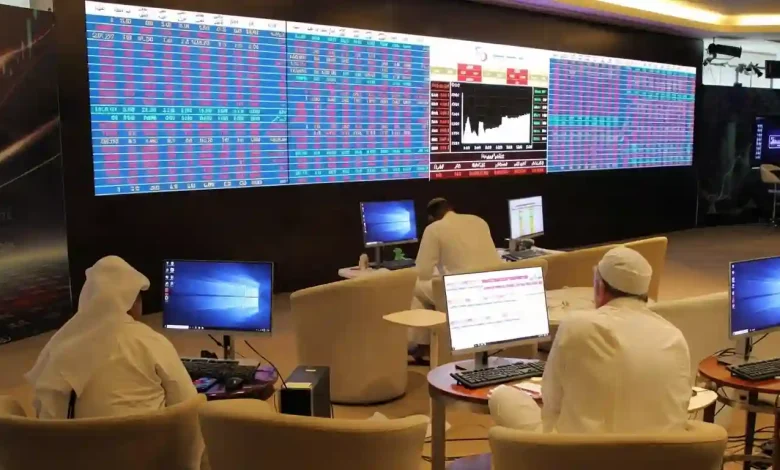
Table of Contents
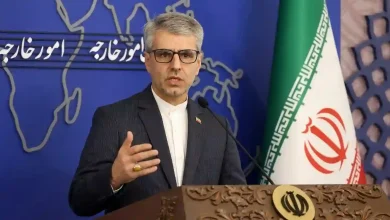
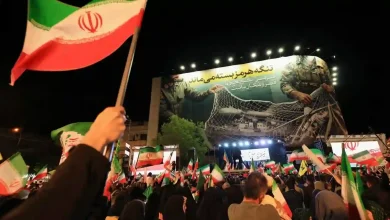
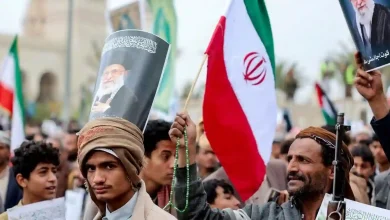
Gulf stock markets retreated into subdued territory during early trading on Wednesday following uncompromising diplomatic signals from Tehran. Financial exchanges across the Gulf Cooperation Council (GCC) felt immediate pressure after Iranian leadership formally informed Pakistan’s Chief of Army Staff, Field Marshal Asim Munir, that the Islamic Republic refuses to participate in direct or indirect peace talks with Washington until all of its core strategic demands are met. The reporting, originally released by Iranian semi-official outlet Nournews, halted early market optimism that had accumulated over recent diplomatic channels and reignited fears of sustained regional maritime disruptions and commodity volatility.
Gulf Stock Markets Subdued: Early Morning Trading Analysis
The immediate reaction across trading desks in Riyadh, Dubai, Abu Dhabi, and Doha illustrated how deeply integrated regional equity performance has become with geopolitical rhetoric. Traders arrived on Wednesday greeted by headlines confirming that backchannel efforts spearheaded by Islamabad had failed to create an immediate opening for a ceasefire framework. Equity benchmarks struggled for traction as investors chose to de-risk portfolios, rotating funds out of consumer cyclical shares, high-beta banks, and infrastructure operators into cash reserves and traditional hedging instruments.
Equity bourses across the GCC experienced thin liquidity and wider bid-ask spreads within minutes of opening. Portfolio managers noted that the news dashed expectations of an imminent détente that could reopen essential shipping passages and reduce the severe wartime freight insurance surcharges currently eating into corporate earnings. Heightened geopolitical uncertainty has frequently forced capital reallocation, mirroring periods when oil holds below 100 amid deal hopes only to violently reverse trajectory when negotiations collapse unexpectedly.
Tehran’s Firm Rejection: What Munir Heard in Iran
Field Marshal Asim Munir’s high-stakes mission to Tehran had been closely watched across international financial and diplomatic spheres. Acting as an essential conduit between Western capitals, Gulf monarchies, and Iranian decision-makers, Munir arrived with proposals intended to de-escalate kinetic exchanges and establish an actionable truce architecture. However, sources briefed on the meetings confirmed that Iranian civil and military authorities took an unyielding stance, insisting that talks remain impossible while punitive trade embargoes, maritime blockades, and foreign military actions persist unchecked.
According to reports verified by regional analysts, Tehran communicated that cosmetic de-escalation guarantees would not suffice. The Iranian government demands a verifiable withdrawal of Western strike platforms from surrounding maritime corridors, complete unfreezing of sovereign overseas capital, and an end to unilateral sanctions targeting its industrial core. This intractable stance creates an acute bottleneck, closely echoing previous historical moments where an iran talk stalled tehran scenario sparked protracted periods of military posturing and economic fallout across the Middle East.
Energy Chokepoints and the Strait of Hormuz Dimension
The direct mechanism linking political declarations in Tehran to equity valuations in the Persian Gulf is maritime security, specifically through vital corridors like the Strait of Hormuz and the Bab el-Mandeb. When diplomatic pathways stall, the threat of maritime interception, drone strikes, and electronic interference surges immediately. Energy freight operations through these strategic waterways represent the economic lifeblood of the Arabian Peninsula, carrying crude, condensates, and liquefied natural gas to international destinations.
Commercial shipping lines have had to absorb staggering increases in war-risk insurance premiums, with multiple global underwriters refusing coverage altogether for vessels lacking naval escorts. The broader economic implications resemble previous regional crises where severe disruptions in the strait of hormuz sent seismic shocks throughout worldwide supply chains, manufacturing operations, and global container logistics. GCC companies dependent on frictionless import-export logistics now face sustained operating cost increases that erode quarterly profitability margins.
Exchange Performance Breakdown Across the GCC
Performance varied across regional exchanges, reflecting the differing industry compositions of each market:
- Saudi Tadawul: The benchmark TASI slipped as heavyweight petrochemical and industrial producers absorbed losses due to potential export delays. While upstream state revenues benefit from elevated hydrocarbon pricing, domestic manufacturing components suffered.
- Dubai Financial Market (DFM): Real estate development and hospitality firms led the decline, as global investor caution reduced appetite for regional expansion plays. Tourism-reliant enterprises remain especially vulnerable to persistent regional military standoffs.
- Abu Dhabi Securities Exchange (ADX): The index saw fractional declines cushioned by sovereign-backed energy conglomerates and defense utilities, though retail and logistics firms showed marked weakness.
- Qatar Stock Exchange: Natural gas export infrastructure provided stability, yet the broader index remained pinned in negative territory as domestic banking equities registered steady net outflows.
- Kuwait and Bahrain Bourses: Both financial centers traded marginally lower in subdued volumes, reflecting pervasive risk aversion and deferred capital allocations by regional asset managers.
GCC Market Reaction & Regional Economic Metrics
The table below summarizes Wednesday morning equity movements, trading volumes, and key sector impacts across the Gulf Cooperation Council exchanges following Tehran’s official statement:
| Exchange / Index | Morning Change (%) | Trading Volume Bias | Most Affected Sector | Key Structural Headwind |
|---|---|---|---|---|
| Saudi Arabia (TASI) | -0.64% | Below Average | Petrochemicals & Materials | Export shipping delays & rising freight rates |
| Dubai (DFMGI) | -0.82% | Moderate Outflows | Real Estate & Tourism | Foreign retail investor de-risking |
| Abu Dhabi (FTSE ADX) | -0.41% | Subdued | Commercial Banking | Tightening regional debt liquidity |
| Qatar (QSI) | -0.35% | Low Volume | Financial Services | Maritime insurance rate escalation |
| Kuwait (Boursa Kuwait) | -0.28% | Subdued | Industrial Logistics | Stalled infrastructure development cycles |
| Bahrain (BSEX) | -0.19% | Negligible | Commercial Real Estate | Broader Middle East security concerns |
Sovereign Debt, Currency Swaps, and Central Bank Pressures
Beyond headline stock indexes, debt capital markets and interbank lending across the GCC are displaying signs of underlying stress. Sovereign bond spreads over benchmark US Treasuries widened by 6 to 14 basis points across secondary markets during early trading. Sovereign issuers preparing medium-term note offerings have been forced to recalculate required yields to compensate international institutional capital for elevated regional hazard.
Central banks within the Gulf remain constrained by their currency pegs to the US dollar, which bind their monetary policy to the Federal Reserve despite radically divergent localized shocks. When the broader fiscal architecture suffers from acute regional volatility, macro pressures mount quickly, evoking the structural shifts documented when us government debt fluctuations and interest rate trajectories disrupted international capital allocations. Treasury managers across Riyadh and Abu Dhabi must consequently preserve high foreign currency liquidity buffers to ensure stability under extended stress scenarios.
Islamabad’s Mediation Dilemma and Diplomatic Stakes
Pakistan’s active mediation efforts, led personally by Field Marshal Asim Munir, reflect Islamabad’s delicate strategic balancing act. Islamabad maintains critical security, military, and bilateral economic partnerships with the Gulf states, while sharing a long, highly sensitive land border with Iran. A protracted regional escalation threatens Pakistan’s domestic energy imports, currency stability, and migrant remittances sent home by millions of expatriates working across GCC economies.
Munir’s direct engagement with the Iranian leadership was designed to prevent the confrontation from crossing irreversible thresholds. However, Tehran’s insistence that talks cannot materialize without extensive US concessions underscores the limits of regional mediation when the primary combatants view their existential postures as non-negotiable. This dynamic echoes previous diplomatic initiatives where high-level interventions faltered, including when pakistan leads high iran diplomatic missions to avert wider warfare only to encounter entrenched ideological positions.
The failure to secure immediate breakthroughs leaves Pakistan vulnerable to external shocks, particularly if energy chokepoints close entirely. The geopolitical impasse also threatens adjacent regional economies, accelerating inflation trends that have repeatedly manifested when gasoline prices rise globally due to shipping disruptions, military strikes, and defensive port restrictions.
Institutional Strategies and Geopolitical Scenario Modeling
Asset allocators and institutional asset management houses managing Gulf capital are restructuring tactical allocations for a protracted standoff. Rather than expecting a rapid diplomatic resolution, investment committees are adopting defensive frameworks designed to preserve liquidity across extended conflict cycles. This includes shifting equity weightings toward dividend-yielding national telecom providers, utilities with government-guaranteed tariff schedules, and defense-related engineering entities.
Simultaneously, international emerging market funds that previously initiated overweight positions in GCC equities are trimming exposure until clear diplomatic or military boundaries are re-established. Institutional analysts suggest that the ongoing standoff could mirror structural equity sell-offs seen in previous months, similar to how broad market pullbacks occurred when market pullback sp 500 dynamics forced global fund managers to withdraw capital from frontier and emerging bourses.
Market participants are monitoring several critical indicators to determine future portfolio moves:
- Escalation vs. Calibration: Whether retaliatory actions remain confined to asymmetrical skirmishes or escalate into direct kinetic bombardments against energy installations, similar to risks identified during iran bets on calibrated tactical exchanges.
- Insurance Market Stabilization: The potential formation of sovereign-backed re-insurance pools to shield regional maritime traffic from predatory private market rates.
- Diplomatic Resumptions: Unannounced backchannel breakthroughs mediated by neutral intermediaries such as Muscat or Doha to reopen commercial corridors.
- Global Liquidity Trends: How systemic central bank policies in North America and East Asia intersect with persistent Middle East energy inflation spikes.
Until tangible diplomatic breakthroughs occur, Gulf stock markets are likely to remain range-bound, trading with reduced momentum and elevated intraday sensitivity. Investors are proceeding with extreme caution, recognizing that equity values across the GCC remain hostage to decisions made not in corporate boardrooms, but across military headquarters and diplomatic corridors throughout the broader Middle East.