Iran Talks Stalled as Tehran Rejects U.S. Demands via Pakistan 2026
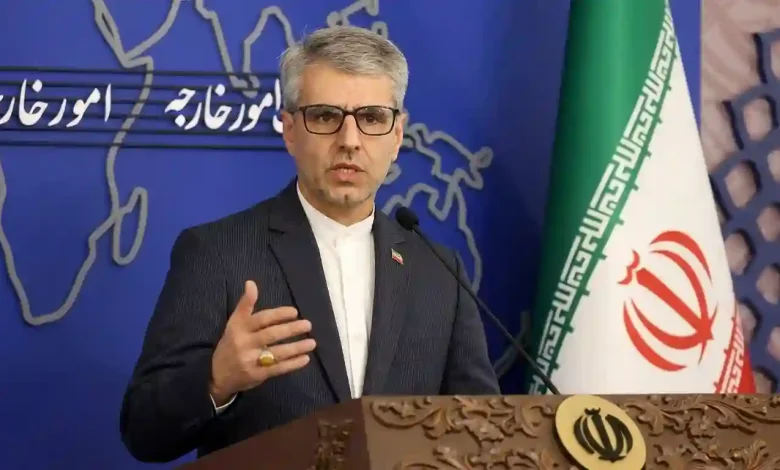
Table of Contents
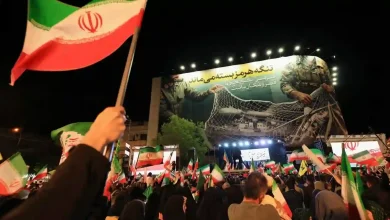
Iran talks regarding a prospective diplomatic breakthrough with Washington ground to a decisive halt on Tuesday following high-level discussions in the Iranian capital. Iranian officials directly informed Pakistan’s military leadership that there would be zero engagement with the United States until Tehran’s preconditions are comprehensively fulfilled. The firm message, carried prominently across state and regional media, underscores a hardening posture within the Islamic Republic despite strenuous diplomatic mediation spearheaded by Islamabad. The critical exchange occurred during an official state visit by Pakistan’s military chief, who traveled to Tehran aiming to defuse intensifying regional friction and construct a viable diplomatic off-ramp between conflicting powers.
Diplomatic Deadlock: Tehran Rebuffs Washington
The latest iteration of regional shuttle diplomacy has run headlong into uncompromising strategic redlines. For months, international observers monitored exploratory contacts designed to lower the temperature in Western Asia. However, authoritative reports published by Nournews confirmed that Iranian leadership delivered an unambiguous verdict: Washington’s current framework for dialogue is unacceptable. Tehran’s insistence on absolute prerequisite compliance effectively suspends backchannel negotiations, highlighting how previous cycles of iran talk stalled tehran initiatives have failed to bridge fundamental divides between the two adversaries.
Iranian state media emphasized that Washington cannot simultaneously impose unilateral economic penalties while seeking constructive diplomatic engagements. Officials inside the Iranian foreign ministry and the executive administration reiterated that symbolic gestures will no longer suffice. By relaying this message through Pakistan—traditionally viewed as an indispensable regional interlocutor possessing functional diplomatic ties with both Washington and Tehran—the Iranian leadership signaled that its hardened posture is not mere rhetorical posturing, but a deliberate institutional consensus.
The Tehran Summit: Pezeshkian Meets Asim Munir
The substantive crux of the diplomatic engagement took place during direct bilateral talks involving Iranian President Masoud Pezeshkian and Pakistani Chief of Army Staff Field Marshal Asim Munir. According to accounts carried by Nournews, President Pezeshkian welcomed the Pakistani delegation but utilized the consultative session to outline the strict parameters under which Tehran operates. When masoud pezeshkian says negotiations require genuine mutual respect and the tangible lifting of punitive economic measures, the administration is articulating a position backed by Iran’s highest political and security echelons.
During their closed-door consultations, the civilian and military leadership discussed broader regional dynamics, border security cooperation along the shared Balochistan frontier, and the ongoing security crises rippling across the Middle East. Field Marshal Munir brought perspectives derived from extensive regional consultations, emphasizing that regional stability hinges on de-escalation between global powers and regional states. Nevertheless, President Pezeshkian maintained that Tehran would not enter an asymmetrical negotiation where Washington dictates terms under the shadow of persistent economic warfare.
Pakistan’s Shuttle Diplomacy Under Strain
Islamabad has long positioned itself as a bridge-builder across deeply divided geopolitical faultlines. Navigating complex regional rivalries requires meticulous statecraft, particularly as pakistan navigates competing alliances involving Washington, Riyadh, Beijing, and Tehran. Pakistani officials have repeatedly cautioned that an open, direct confrontation between Iran and the United States would have devastating spillover consequences for Pakistan’s internal stability, economic recovery, and cross-border trade.
Pakistan’s active mediation efforts are not taking place in isolation. Earlier diplomatic tracks revealed similar hurdles when pakistan relays saudi security perspectives and Gulf interests to Iranian decision-makers. Historical attempts at bridging these divides, including prior phases where ceasefire talks asim munir meets ghalibaf in tehran occurred, demonstrated that while tactical understandings can temporarily cool tensions, long-term strategic breakthroughs demand reciprocal concessions that Washington has thus far declined to provide.
Deconstructing Tehran’s Non-Negotiable Demands
Understanding the present breakdown requires an analytical examination of the prerequisites articulated by Iranian officials. Tehran’s negotiating framework rests upon three non-negotiable pillars:
- Comprehensive Economic Sanctions Relief: Iran demands the verifiable dismantling of primary and secondary financial sanctions that restrict its crude oil exports, freeze central bank foreign reserves, and penalize third-party commercial transactions.
- Cessation of Military Threats and Covert Action: Iranian authorities insist that Washington must halt military maneuvers near its coastal periphery and cease backing intelligence or sabotage operations directed at Iranian domestic and scientific infrastructure.
- Guaranteed Diplomatic Reciprocity: Drawing lessons from past diplomatic agreements, Tehran refuses to freeze or dial back its indigenous technological achievements without ironclad, legally binding commitments from the U.S. government.
Without satisfaction on these foundational issues, Iranian negotiators argue that engaging in formal summits merely provides Washington with political cover while perpetuating the status quo of economic encirclement.
Comparative Matrix: U.S. Demands vs. Iranian Conditions
The gap separating the United States and Iran remains expansive, as illustrated by the strategic priorities outlined below:
| Strategic Domain | Washington’s Stated Objectives | Tehran’s Non-Negotiable Demands | Intermediary Assessment (Pakistan) |
|---|---|---|---|
| Nuclear Development | Zero high-grade enrichment; intrusive verification protocols. | Retention of peaceful nuclear rights; irreversible sanctions relief prior to caps. | Urges phased timeline with reciprocal compliance checkpoints. |
| Regional Influence | Cessation of backing for regional axis groups and proxy networks. | Non-interference in regional security architecture and sovereign alliances. | Warns against broad regional linkage that complicates bilateral truce. |
| Maritime Security | Unfettered navigation across the Persian Gulf and Red Sea corridors. | Recognition of Iranian coastal jurisdiction and end to unilateral blockades. | Prioritizes commercial stability across Indian Ocean maritime lanes. |
| Economic Architecture | Targeted relief tied directly to verified operational rollback. | Immediate, verifiable unfreezing of assets and global banking reintegration. | Advocates for bilateral trade corridors and localized barter mechanisms. |
Regional Security and Maritime Chokepoints
The diplomatic freeze directly heightens anxiety across vital commercial sea corridors. Historically, whenever diplomatic engagement stalls, asymmetric friction manifests across strategic waterways. The vulnerability of maritime commerce remains acute, as issues surrounding the iran strait of hormuz shipping passages routinely determine global crude pricing and insurance premiums. When diplomatic avenues close, naval maneuvers and commercial interceptions frequently become instruments of statecraft.
Furthermore, broader security implications extend deep into multilateral frameworks. In periods where diplomatic channels collapse, military planners on both sides escalate alert postures. Previous proposals, including elements within a drafted iran ceasefire proposal, indicated that maritime security cannot be detached from overall political resolutions. As long as Washington maintains robust sanctions enforcement and interdiction operations, Iranian military doctrine treats commercial and regional choke points as legitimate leverage domains.
Strategic Calculus: Deterrence, Sanctions, and Next Steps
Tehran’s refusal to engage without preconditions demonstrates calculated confidence in its strategic deterrence. Analysts observe that Iran’s internal economic resilience—built around deep trade networks with Eurasian partners and membership in multilateral blocs like BRICS and the Shanghai Cooperation Organisation—has altered the leverage dynamic. Where sanctions once forced rapid diplomatic concessions, Tehran now operates under an assumption that time is on its side, particularly as global energy markets face persistent supply shocks.
Efforts undertaken by military leaders like Asim Munir illustrate the narrowing margins for third-party diplomacy. When earlier reports highlighted scenarios where asim munir brokers us iran truce heads to washington, the prevailing optimism assumed both sides recognized the catastrophic costs of widespread escalation. However, as domestic political pressures intensify in Washington and hardline factions in Tehran consolidate influence, the political tolerance for compromise has diminished significantly.
Outlook: Can Intermediaries Bridge the Gulf?
The immediate prospects for direct engagement between Washington and Tehran remain remote following the Tuesday summit. Pakistan’s diplomatic intervention, while failing to secure an immediate breakthrough, remains a vital channel for preventing miscalculation. Without functioning direct communications, accidental encounters in regional airspaces or contested waters could quickly cascade into uncontrolled escalations.
For mediation to regain traction, third parties will need to formulate narrow, step-by-step confidence-building measures rather than attempting grand bargains. Unless Washington presents demonstrable adjustments to its sanctions regime, or Tehran softens its sequencing demands, the deadlock will persist. Pakistan’s diplomatic delegation departed Tehran with an unmistakable clarity regarding the Islamic Republic’s position: sovereign interests will not be compromised for optics, and talks remain off the table until Washington takes the first verifiable step.