Iran :Strait of Hormuz Proposal Rejected: Trump Dismisses Iran Plan 2026
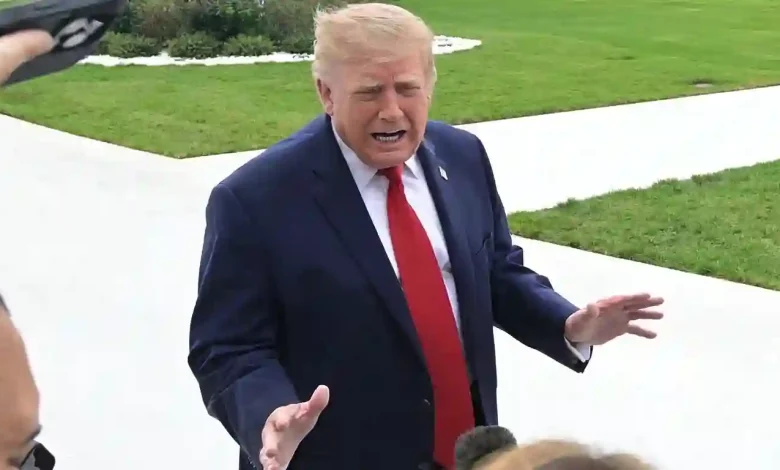
Table of Contents
Strait of Hormuz proposal dismissals by the United States have introduced another turbulent layer into Persian Gulf geopolitics following remarks delivered by US President Donald Trump on Saturday. The president formally rejected a diplomatic initiative drafted by the Iranian government that promised to reopen the contested waterway and halt regional hostilities within a seven-day window. Initially floated on the sidelines of the United Nations General Assembly in New York, the initiative was channeled to American intermediaries by Qatari negotiators seeking to defuse months of intense maritime brinkmanship. Despite the promise of a rapid ceasefire, the US executive branch categorized the offer as a tactical ploy rather than an authentic concession, underscoring Washington’s unyielding posture toward regional security architecture.
The Diplomatic Impasse at the UN General Assembly
The annual gathering at the UN General Assembly in New York typically serves as a premier venue for multilateral backchannel diplomacy. During this session, the Iranian diplomatic mission sought to capitalize on international anxieties regarding maritime commerce and fuel costs by circulating an emergency de-escalation roadmap. Building on preceding discourse where trump warns iran un rhetoric dominated discussions, Iranian diplomats framed the initiative as an immediate exit ramp from escalating clashes.
Iranian representatives claimed the plan offered a realistic pathway toward ending localized hostilities and normalizing transit through the world’s most critical maritime chokepoint. However, American officials interpreted the sudden diplomatic push as an effort to evade international accountability while maintaining strategic leverage across the broader Middle East theater. Rather than engaging in structured consultations, the White House made it unequivocally clear that partial agreements omitting core security guarantees would not be entertained by the current administration.
Inside the Seven-Day De-escalation Framework
The core proposition delivered by Iranian officials rested upon a compressed timeline designed to halt combat maneuvers and restore freedom of navigation. Central to the draft was a mutual disengagement pledge: Iranian naval elements and Islamic Revolutionary Guard Corps craft would cease interdictions in exchange for the cessation of coalition surveillance strikes and maritime blockades. This mechanism echoed earlier diplomatic posturing surrounding irans conditions reopen proposals that sought reciprocal security relief.
Under the terms transmitted to Washington, day one through three would have involved a phased pullback of patrol gunboats and asymmetric swarming craft from commercial shipping channels. By the fifth day, commercial traffic was to resume unhindered transit under international tracking protocols, culminating on the seventh day in a bilateral moratorium on kinetic operations across littoral waters. Tehran argued that such an accelerated timeline demonstrated genuine resolve, yet Pentagon strategists warned that seven days offered insufficient verification metrics to validate the permanent disarmament of anti-ship batteries positioned along coastal cliffs.
The White House Rejection and Strategic Rationale
President Donald Trump articulated his direct opposition to the initiative during a weekend press briefing, stating firmly that the administration would not accept temporary ceasefires that fail to address the systemic behavior of Iranian regional proxies. Rebuffing the terms, Trump underscored that the United States possesses overwhelming tactical deterrence and will not negotiate under the duress of artificial shipping closures. This unequivocal stance follows earlier public warnings where trump warns iran against weaponizing critical trade straits.
National security advisers indicated that accepting Tehran’s timeline would effectively establish an unacceptable precedent: allowing a sovereign nation to blockade international shipping and subsequently demand concessions merely to restore the baseline status quo established under maritime international law. Analysts inside Washington pointed out that without strict verification protocols regarding drone deployment, mine removal, and ballistic missile stockpiles, any temporary respite would disproportionately benefit Iran’s defensive realignment.
The Role of Qatari Intermediaries in Gulf Diplomacy
Doha has long established itself as an indispensable diplomatic conduit capable of bridging sharp chasms between Washington and adversarial capitals. In this episode, Qatari intermediaries shuttled diplomatic notes between New York and the executive branch, attempting to fashion a compromise that could de-escalate maritime flare-ups before they engulfed commercial insurance markets. Even as allied partners watched closely, as seen when china urges iran to maintain steady transit channels, Qatari diplomats emphasized that regional disruption threatens the fragile economic balance of all Gulf producers.
Despite Doha’s earnest diplomatic orchestration, mediator credibility faced substantial limits when confronted with Washington’s maximum-pressure doctrine. US officials maintained that while Qatar’s facilitation was appreciated, Tehran was attempting to use intermediary diplomacy to mask ongoing military deployments. The collapse of this mediation track leaves third-party negotiators searching for new levers of influence as regional tensions mount.
Global Maritime Trade and Energy Market Ramifications
The Strait of Hormuz remains the single most critical arterial waterway for international oil markets, carrying approximately one-fifth of global petroleum liquids and significant volumes of liquefied natural gas. When disruptions threaten this artery, crude futures experience immediate volatility, sending ripples through international inflation projections and commodity indices. Supply shocks of this magnitude directly impact domestic macroeconomic metrics, such as the producer price index, which tracks wholesale price volatility across industrial production lines.
Global shipping consortiums have already initiated costly rerouting strategies, sending crude tankers on extended journeys around the Cape of Good Hope. This massive logistical detour inflates freight rates, ties up tanker capacity, and escalates marine hull insurance premiums to historic levels. Commercial operators expressed sharp disappointment over the collapsed UN proposal, as an expedited resolution would have relieved acute financial pressure on cargo logistics worldwide.
Naval Stand-offs and Escalation Dynamics
The operational posture in the waterway continues to witness dangerous proximity between Western naval armadas and regional coastal defense networks. The escalation mirrors previous flashpoints covered in analyses of the ongoing strait of hormuz iran 9 developments, where fast-attack vessels regularly challenge merchant vessels escorted by allied destroyers. With the White House rejecting diplomatic compromises, US Central Command has doubled down on naval deterrence missions designed to enforce freedom of passage under international freedom-of-navigation principles.
Military planners recognize that operations within the narrow straits carry profound operational hazards. The geographical bottleneck leaves heavy surface vessels vulnerable to shore-based supersonic cruise missiles, swarming unmanned aerial vehicles, and sea-floor smart mines. As each diplomatic track unravels, the probability of an unintended tactical miscalculation surges, threatening to transform isolated skirmishes into systemic open conflict across the theater.
Comparative Analysis of Middle East Peace Initiatives
Examining recent conflict mediation efforts provides valuable context for understanding why the current seven-day initiative collapsed so rapidly. Diplomatic proposals vary significantly based on their scope, verification rigor, and reciprocal demands, as illustrated in the comparative analysis below:
| Initiative / Framework | Primary Mediators | Core Strategic Focus | Verification Level | Outcome / Status |
|---|---|---|---|---|
| 2026 Seven-Day UN Framework | Qatar, Swiss Envoys | Strait of Hormuz opening, 7-day bilateral cessation | Minimal (Self-reporting) | Rejected by US Executive Branch |
| Regional Maritime Accords | Oman, European Envoys | Targeted commercial shipping corridors | Moderate (Third-party tracking) | Stalled amid coastal battery disputes |
| Comprehensive Regional Security | Multilateral UN Delegations | Proxy disarmament, ballistic limitations, sanctions relief | Extensive (IAEA and UN inspectors) | Suspended during regional flare-ups |
As highlighted in ongoing developments surrounding strait of hormuz iran 8 coverage, initiatives lacking concrete inspection rights and multilateral enforcement guarantees have historically struggled to gain traction with American national security planners.
Geopolitical Outlook: Prolonged Conflict or Alternate Pathways
With the rejection of the Qatari-transmitted blueprint, the broader Persian Gulf finds itself entrapped in an attritional contest of political will. The failure to secure an immediate diplomatic breakthrough deepens the protracted nature of the broader middle east war, leaving civilian shipping lanes vulnerable to recurring interdictions. Western military strategists are preparing for prolonged deterrence patrols, while regional powers assess the financial toll of sustained trade interruptions.
Tehran faces an increasingly challenging strategic dilemma. Having offered a public olive branch that was decisively turned away by Washington, hardline factions within the Iranian political apparatus are demanding more aggressive retaliatory postures. Conversely, moderate voices caution that further aggressive maneuvers in the strait will only invite direct strikes on critical coastal infrastructure. As long as Washington insists upon total compliance before granting relief, the path toward stable diplomacy remains constrained, leaving maritime commerce exposed to severe geopolitical hazards.